

Part thirteen
Memorie.al / The CIA have revealed the major role that the Soviet Union played in communist Albania. In several documents labeled “Top Secret” but declassified years ago, it is shown that the USSR built several important military bases, especially in the south of the country. There, details are provided about the submarines that Moscow had on Sazan Island and in the Bay of Vlorë, as well as air bases, such as those at Rinas, Kuçova, etc. Then, an overview of political developments is given, mentioning the dismissal of Defense Minister Beqir Balluku in the summer of 1974 from all his functions in the army and the party. Likewise, a special place in the documents declassified by the CIA is given to those dealing with Albanian political emigrants in Yugoslavia, who were integrated into the Prizren Committee, initially led by Apostol Tanefi, and under pressure from the UDB (Yugoslav secret police), which recruited them through coercive measures, such as returning to Albania, etc.
Continued from the previous issue
Russia Claimed It Was Decisive in Albania’s Victory Over the Nazi-Fascist Invaders
The CIA has declassified a document on Albania from 1953, which provides details from a Russian book describing the situation in our country according to Moscow’s perspectives. It recounts the entire history of the country, from the rule of Ahmet Zogu to the victory over the invaders.
Meeting of Officers at the Ministry of Internal Affairs
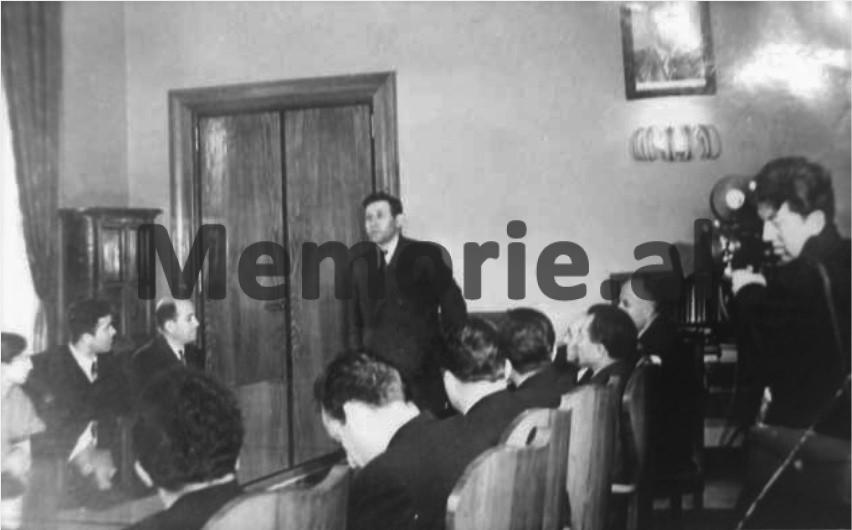
Senior military and civilian officials from the Ministry of Internal Affairs met this week in Belgrade with Svetozar Stefanović, head of the UDB’s central cabinet, to discuss the situation. During discussions on the current situation of Yugoslavia in the face of continuous attacks from the Cominform communist countries, Stefanović stated that a potential simultaneous attack launched by Bulgaria, Hungary, and Albania would be fatal for Yugoslavia.
Subsequently, Bogdan Marković, head of a section at the Ministry of Internal Affairs, said he did not believe the Soviets would attack openly, but would continue as in the past with the infiltration of guerrilla groups. He added that guerrilla tactics could be successfully neutralized by Yugoslav defense and that only a frontal military attack by the satellite countries would be cause for alarm.
Marković said that trade ties or assistance from the United States did not constitute a guarantee against attacks from Soviet countries, and reminded those present that for Western Europe, Yugoslavia was still a communist country, as they were not yet convinced that its split from the Soviet Union was a final decision.
But in his view, the West should consider the risks of abandoning Yugoslavia in the face of Soviet aggression, a potential victory of which would mean that the Soviets would be at the doorstep of Italy, Albania, and Greece. Although Yugoslavia was making efforts to sabotage the state apparatus of the Cominform countries, Marković said this was not enough, as the country needed economic aid and modern weapons.
Marković continued: “There are still many people in this country who hope for a rapprochement between Yugoslavia and the Soviets, in the hope that all Slavs should be together, but they forget that we have fought hard for our independence against invaders, and we will do the same this time, honoring the bequests of our ancestors.”
August 21, 1950
Memorandum for the Assistant Director of Policy Coordination
From one of our missions in Albania, which is in close contact with the resistance movement, we have received the information elaborated in the following paragraphs. According to our mission, many members of the Albanian resistance believe they can no longer endure the suffering they are undergoing and have decided to flee to Yugoslavia at the first opportunity.
They would prefer to go to Greece, were it not for the long distance from northern Albania to the Greek border. Despite efforts made to persuade them to stay in Albania, it is clear that they cannot endure another winter in the mountains, as life is so hard that it is driving them to madness.
The leader of this mission has asked to know whether the Yugoslav political activists in Albania (previously reported to you) are known to us and whether they represent an Allied effort. They also asked whether anti-communist activists from Albania would be welcomed in Yugoslavia. Regarding Yugoslav support for the Allies, they inquired about Yugoslavia’s policy regarding Korea.
The above message informs us that Tropoja is the center of Albanian and Yugoslav espionage, with Yugoslav and Albanian agents constantly crossing the border. Yugoslav agents are described as all having previously been members of Albanian resistance groups. On August 10, 1950, our mission in the country sent a contact to investigate an invitation to meet an unidentified person who wished to supply the mission with Yugoslav weapons and ammunition.
Movements of the Yugoslavs
Among the populations of Northern Albania, there is a strong conviction that the Yugoslavs are planning an armed movement in Albania, with the aim of raising the morale of the resistance groups sheltering in the mountains. Some quantities of weapons are reported to have been distributed daily by the Yugoslavs, which have also been accepted by Albanian nationalists, who had been approached before but had refused, awaiting approval from our mission.
The mission leader fears that such generosity on the part of the Yugoslavs will have the effect of winning the sympathy of many people who have suffered greatly working for us. In conclusion, the mission leader said that his persuasive work would not be sufficient, and therefore he needed urgent instructions on the course of action he should follow.
In 1950, Enver Hoxha’s government feared an attack from neighboring countries. According to a declassified CIA document, communist officials began warning of attacks from Yugoslavia, Greece, and Italy, and were mobilizing the population for this purpose. On the other hand, they also began arming the police. Another document provides details on political developments in the country and the lack of qualification in the labor force.
February 1951
Security Measures and Fortifications
Since October 1950, government officials in public meetings have emphasized that Yugoslavia, Italy, and Greece are ready to attack Albania, and therefore the people must fight to the last man. According to an informant, officials are becoming increasingly nervous about security measures and their implementation.
During October 1950, the police were supplied with Soviet automatic weapons. Previously, police officers had mostly been unarmed, whereas now they are always armed and in groups of two or three. They have set up patrol observation posts in villages to monitor the movements of foreigners.
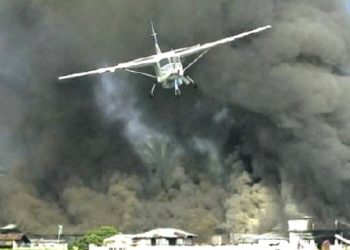
There are reports of arrests among the Greek Northern Epirote families. From mid-October 1950, three airplanes dropped leaflets bearing the seal of King Zog in the areas of Gjirokastër, Dibër, Delvinë, and Sarandë. Although the police attempted to prevent the local population from reading them, a major effect on the morale of the population was reported.
An informant reported in mid-November 1950 that a large number of law enforcement personnel were building trenches and machine-gun positions at the following locations: north of the Bistricë River, near Kostar, Mount Finik, up to the monastery of Sarandë.
February 1953
Greek Press on Developments in Albania
On October 19, the Athens daily Stratiotika Nea reported from reliable sources that Enver Hoxha was governing in very difficult times. Resistance groups had spread across central and western Albania. According to the newspaper, this was evidenced by the fact that the number of secret police and security organs had increased by about 1,000 people.
Despite the attempts of Interior Minister Mehmet Shehu to suppress the resistance movements, none had yet been captured because the rural population assisted the guerrilla groups. In another report, the newspaper said that on August 20, an armed battle took place in Krujë between army units and nationalist groups, during which 10 communist soldiers and 7 guerrillas were killed.
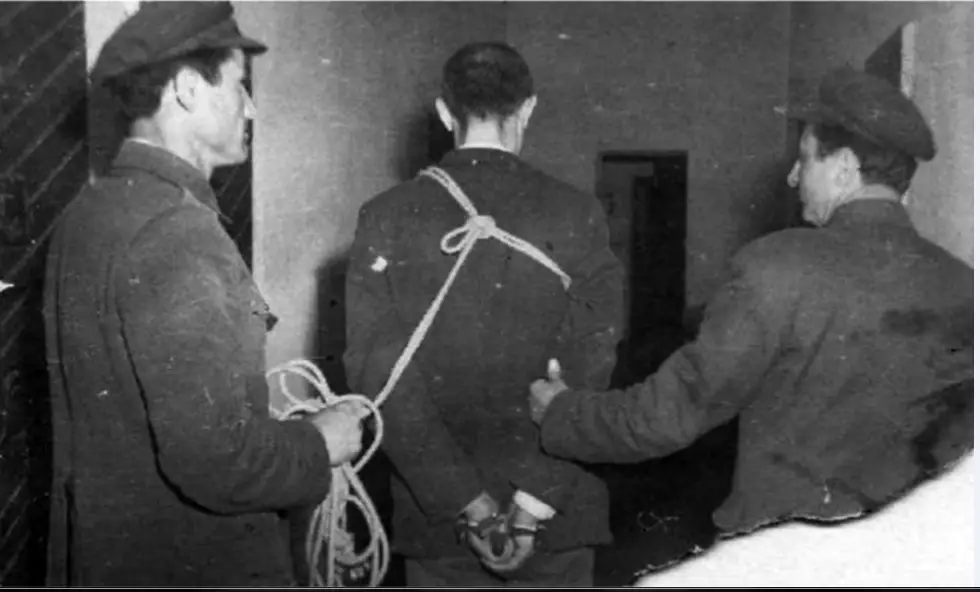
In another report from July 1952, it is stated that the government had ordered compulsory labor for all employees aged 18 to 50 in the city of Korçë. The newspaper further states that the Soviet power had planned to replace leader Hoxha with Mehmet Shehu. On October 24, the Greek newspaper Le Messager d’Athènes reported that a new wave of arrests was taking place in Albania following the local elections of September.
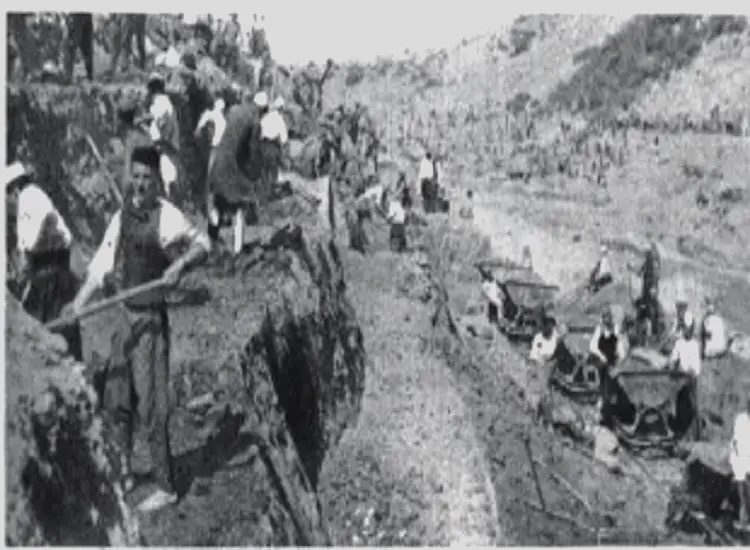
It reports that the prisons of Kukës and Shkodër were overflowing with about 1,500 prisoners. During the last six months, it is reported that over 3,000 people had been arrested. On November 16, Stratiotika Nea reported that, according to information from escapees from Albania, the largest concentration camp for political prisoners was in Maliq, near Korçë.
There were currently about 2,000 prisoners there. The camp was divided into 12 work battalions, with work ranging from 10 to 12 hours per day. Usually the work is done near Lake Maliq, where prisoners work half-submerged in water. The news reports that the camp guards regularly beat prisoners and deny them food.
Another form of punishment is leaving them in the water after work ends. The newspaper says that the camp prisoners are in a miserable state of health. They sleep on the ground, so their clothes never dry completely. The report says they are given tents only in winter.
Border Security
On November 30, Le Messager d’Athènes reported that security measures on the Albanian borders continued to increase with new fortifications and the relocation of communities living in border areas.
Near the village of Broje, near Shkodër, an order was issued stating that at least one person from each family of two people, and two people from families of three or four people, must perform compulsory labor for an indefinite period of time.
On December 21, Stratiotika Nea reported that major battles had taken place in Albania between nationalist guerrillas and communist forces near Farnë, by Lumë, and also near Konispol.
Other guerrilla units, according to the newspaper, had blown up a bridge near Leskovik and others along the road to Përmet. The newspaper stated that significant acts of sabotage had been carried out in the mines of northern Albania, where about 3,000 people worked.
Guerrillas had also been active in other areas, spurred on by the dire economic situation in Albania. The report says that the entire economy of the country is commanded by the Soviets, and production is taken by the USSR in exchange for “protecting” Albania.
August 1953
Organization and Mission of the “Iliria” Movement
In March 1948, the resistance movement “Iliria” was organized by Jakë Perjaku in Lezhë, Albania. The movement operated as a branch of the “National Union” Organization in Shkodër and consisted of about 100 members, mainly peasants from Lezhë and surrounding villages.
Its members were carefully chosen from among anti-communist elements and assigned to cells of six persons. Their meetings were usually held at night in the homes of cell members, in their barns, or in the woods. Each member had to pay 50 lekë per month for expenses.
The main functions of the movement were distributing anti-communist tracts, reducing the production that the communists collected from peasants, including through sabotage of crops or tractors. The movement sought to establish links with other resistance groups and reported on the movements and measures of the Sigurimi (secret police), or on the economic situation in the country.
Tracts distributed by the movement bore the seal “Iliria” and called on anti-communist elements to continue the effort against the Hoxha regime. Its messages were printed on a single sheet and secretly placed on walls, fences, or distributed in peasants’ homes or in towns. From 1949 to 1951, about 25 members of the movement were forced to flee to Yugoslavia to escape arrest by the Sigurimi, but the Iliria movement continues to operate./Memorie.al