From Sheradin BERISHA
Part Two
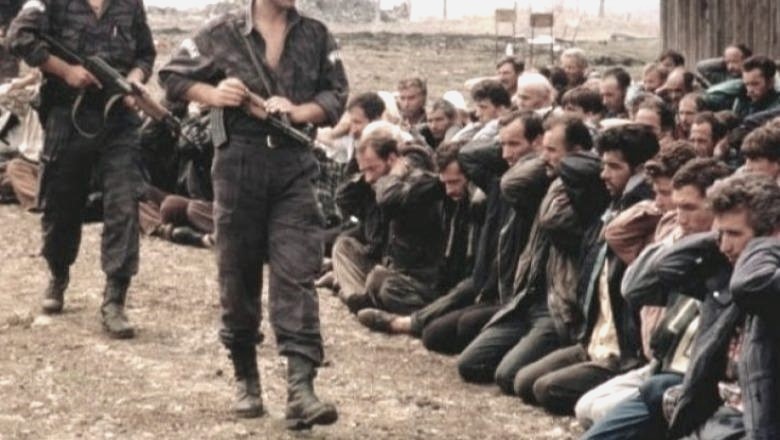
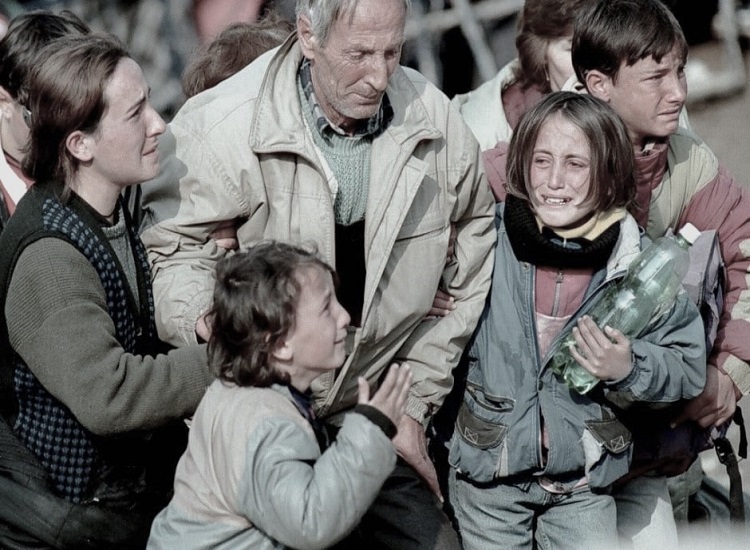
Memorie.al – It is estimated that during the war in Kosovo (1998-1999), Serbian military and paramilitary forces killed, executed, or massacred in the cruelest forms about 15,000 Albanians, 90% of whom were unarmed civilians…! During this period, nearly 20,000 Albanian women were raped. Furthermore, it is reported that over 3,000 Albanians were abducted, some of whom were found after the war in mass graves in Serbia, while the fate of 2,087 others remains unknown. According to an estimate, during the period March 1998 – June 1999, Serbian criminal units and heavy artillery partially or completely destroyed and burned about 1,100 Albanian settlements, looted, burned, and destroyed over 200,000 houses, residences, commercial premises, craft workshops, factories, schools, libraries, cultural-historical monuments, cultural, scientific, religious facilities, etc.
Continued from the previous issue
Who are the barbarians who took part in the execution of 147 Albanians in Izbica?
According to the report of the KMDLNJ (Council for the Defense of Human Rights and Freedoms – Kosovo) (April 6, 2000), local Serbs from the villages of Drenica and Burim (formerly Istog) were also involved in the execution of 147 Albanians in Izbica. The following took part in this cruel massacre: 42 members of the Tomasheviq family from Syrigana, and they are:
- Mihajlo Tomasheviq
- Veselin Tomasheviq
- Sllavko Tomasheviq
- Vujadin Tomasheviq
- Nenad Tomasheviq
- Stojadin Tomasheviq
- Igor Tomasheviq
- Miloje Tomasheviq
- Vladan Tomasheviq
- Radoslav Tomasheviq
- Vasilije Tomasheviq
- Milosh Tomasheviq
- Radivoje Tomasheviq
- Preda Tomasheviq
- Srgjan Tomasheviq
- Millorad Tomasheviq
- Mileta Tomasheviq
- Radenko Tomasheviq
- Mile Tomasheviq
- Stojadin Tomasheviq
- Milenko Tomasheviq
- Milan Tomasheviq
- Dragoljub Tomasheviq
- Gjoko Tomasheviq
- Boshko Tomasheviq
- Zhivorad Tomasheviq
- Zhivojin Tomasheviq
- Najdan Tomasheviq
- Nebojsha Tomasheviq
- Nenad Tomasheviq
- Branillav Tomasheviq
- Ratko Tomasheviq
- Filip Tomasheviq
- Dejan Tomasheviq
- Gordan Tomasheviq
- Predrag Tomasheviq
- Despot Tomasheviq
- Tadisha Tomasheviq
- Sinisha Tomasheviq
- Tomisllav Tomasheviq
- Zoran Tomasheviq, and
- Goran Tomasheviq. Then,
- Branisllav Kragoviq
- Ratko Kragoviq, his son – also from Syrigana.
- Marko Ristiq
- Marko Damjanoviq
- Dragoljub Rajkoviq
- Jovica Rajkoviq
- Rade Kovaçeviq – Zec
- Dika Kovaçeviq
- Ognjan Kovaçeviq
- Gjorgje Mojsiq
- Radosav Kovaçeviq – Cule
- Mile Jokiq
- Nebojsha Kovaçeviq
- Sinisha Jokiq
- Svetozar Ristiq
- Zoran Kovaçeviq – Princ, all from Banja;
- Momir Milentijeviq
- Zoran Jovanoviq
- Milutin Arisiq,
- Milan Todoroviq
- Dejan Spasiq
- Nebojsha Nikçiq
- Miodrag Komatina
- Niqifor Kovaçeviq
- Dragan Dimitrieviq
- Vukmiq Lazareviq – from Runiku
- Todor Deverxhiq
- Rade Deverxhiq
- Dragisha Deverxhiq
- Milan Shteviq
- Dragomir Shteviq
- Miliq Petroviq, and
- Ognjan Petroviq, from Radisheva
- Nenad Shmigiq
- Radoje Shmigiq
- Cvetko Shmigiq
- Dragan Shmigiq, and
- Gollub Shmigiq from Leçina.
- Dadosha Iliq
- Zhivoin Iliq, and
- Momçillo Radovanoviq – from Kuçica.
- Zhivko Jokoviq, and
- Radosllav Kandiq from Kotorr, as well as
- Radivoje Rasha – Kalenoviq with his sons
- Dejan Rasha and
- Dushan Rasha
- Zvonko Jovanoviq
- Zoran Jovanoviq
- Bllagoje Çolakoviq
- Nenad Çolakoviq
- Radosh Lajoviq
- Ilija Trajkoviq
- Rajko Rajçiq
- Vllado Bakraçeviq
- Lubisha Iliq
- Momo Peleviq Sllagjan (traffic policeman)
- Sadudin Rexhepagiq (Bosniak) – all from Skënderaj.
- Goran Shapiq,
- Rade Shapiq, and
- Dushan Shapiq, all three from Belica of Burim (formerly Istog).
(This list with the names of the Serbian barbarians is in the hands of UNMIK and the institutions of Kosovo, but as far as are known to date, they have done nothing to bring these barbarians before justice).
Who are the other Serbian criminal gangs that committed crimes in Drenica?
In October 1999, in the village of Sankoc in Drenica, during the clearing of the terrain by the TMK unit (Kosovo Protection Corps), Battalion I “Ymer Alushani” of Brigade 121 “Kumanova”, a list with names of military formations operating in Drenica was found in one of the former command headquarters bases of the Serbian criminal gangs. Telephone numbers, various photographs, and diaries that these criminals kept during the war in Kosovo were also found there. (See: Ekskluzive magazine, no. 1, January 2000, p. 101)
The list of names of the Serbian barbarians is as follows:
Llazareviq Dragisha, second lieutenant
Gjorgjeviq Sinisha, sergeant
Blanusha Mile, senior sergeant
Korçag Goran, first-class sergeant
Millanoviq Predrag, corporal
Radulloviq Nebojsha
Simiq Goran
Kostiq Sasha
Daniq Sllobodan
Gjorgjeviq Zoran
Shabiq Zvonko
Qausheviq Nenad
Jovanoviq Dragi
Momqilloviq Miroslav
Ivanoviq Milivoje
Dejanoviq Verolub
Janjusheviq Zhivorad
Nedelkoviq Bratisllav
Petkoviq Bogolub
Gjoriq Sllavolub
Vaniq Rasha
Dimiq Dushan
Bajrami Igor
Aliq Zoran
Branko Jançiq
Who are the Serbian barbarians involved in the killing of Albanians in Sllatina of Fushë-Kosovo…?!
After the end of the war in Kosovo, in the garage of Rrahim Imeri’s house in the village of Sllatina in Fushë-Kosovo, a list was found with the names of members of Serbian military and police forces who took part in the killing of Albanians in Sllatina and in the looting and burning of Albanian houses in this village. (*Ekskluzive* Magazine, no. 4, April 2000, p. 52)
This list includes the names of these criminals:
Zoran Vukdragoviq – lieutenant
Lubisha Simiq – sergeant
Zoran Ristovski
Dushan Jevriq
Zoran Joviq
Mladen Peshiq
Milosh Mihajloviq
Marko Zhivoinoviq
Slavisha Gjorgjeviq
Miodrag Pejatoviq
Dejan Mikiq
Igor Gurkoviq
Ivan Stanojeviq
Zoran Mimiq
Radoje Bulatoviq
Mile Rangjeloviq
Cvetko Boshkiq
Radoslav Ristia
Slobodan Gjurgjeviq
Darko Miloviq
Dragisha Ivanoviq
Ivan Steviq
Vladeta Stojanoviq
Sasha Aksiq
Nenad Jovanoviq
Nenad Zhivkoviq, and
Dejan Slaviq.
(The criminal Dejan Saviq is reported to have also been a participant in the massacres against Albanian civilians in Opojë)
Which barbaric Serbian units killed and massacred 42 Albanians in the village of Qyshk and 35 others in the neighboring villages of Pavlan and Zahaq of Peja?
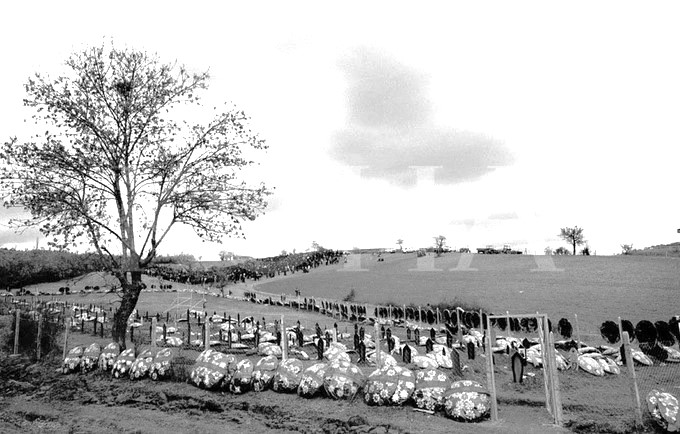
On May 14, 1999, in the village of Qyshk (2-3 km from Peja), 42 males were killed and brutally massacred during a furious attack by combined elite Serbian military and paramilitary forces. On this fateful day for Qyshk, the following were killed and some of them also burned: Ramë Dervish Gashi (65 years old), Xhafer Ramë Gashi (40), Rrahim Dervish Gashi (55), Rasim Hysen Ramaj (45), Metë Shala (55), Selim Maxhun Gashi (50), Haki N. Gashi (45), Jashar Azem Gashi (58), Muharrem Azem Gashi (50), Avni Drevish Gashi (50), Skënder Dervish Gashi (35), Musë Shaban Gashi (63), Ibish Kadri Gashi (55), Rrahim Shaban Gashi (55), Ahmet Rrustem Gashi (35), Emin Bekë Gashi (60), Emrush Krasniqi, guest from Vranoci, Ismet Bajraktari, guest from Raushiqi, Hasan Metë Hatamaj – guest from Batusha, Gani Avdyl Hasanaj, guest from Batusha, Hasan Ahmet Çeku (70), Bedri Ahmet Çeku (65), Isuf Shala, guest from Grabofci, Çaush Rrustem Lushi, Ardian Çaushi (30), Ardian Çaush Lushi (20), Osman Haxhi Lushi (48), Sefedin Haxhi Lushi (44), Avdullah Lush Lushi (45), Ukë Lush Lushi (43), Ramiz Lush Lushi (40), Xhafer Lush Lushi (35), Skënder Lush Lushi (30), Nifa Din Kelmendi (55), Skënder Din Kelmendi (50), Besim Din Kelmendi (38), Ardian Skënder Dina (20), Rrahim Sylë Kelmendi (40), Xhemë Isuf Kelmendi (40), Mentor Shaban Kelmendi (22), Avdi Shaban Berisha (58), and Zeçir Aliaj – guest from Zllopeku.
On the morning of the same day, Serbian forces had also attacked two other neighboring villages, Pavlan and Zahaq, and after driving the women, children, and elderly out of their homes, they also cruelly killed 35 innocent Albanians.
– In the village of Pavlan, the following were executed:
1.Zymer Sadik Gashi (70 years old), 2. Agush Selman Gashi, 3. Liman Hajzer Gashi, 4. Haxhi Rexhë Dreshaj (41), 5. Shaban Tahir Kelmendi (52), 6. Zenun Shala, guest from Fusha e Pejës, 7. Musë Isuf Lulaj (75), 8. Rrahim Salih Nikçi (55), 9. Xheirane Brahim Nikçi (25), 10. Hatixhe Kamer Nikçi (50), 11. Ajshe Avdyli, and 12. Gashi-Kelmendi (40).
– While in Zahaq, these persons were executed:
2.Zenel Bekë Berisha, 2. Shaban Kasem Neziraj, 3. Sadri Ymer Ramaj, 4. Faton Sadri Ramaj, 5. Valdet Nezir Ramaj, 6. Shpend Rexhë Hyseni, 7. Naim Hajrullah Hyseni, 8. Ismet Hajrullah Hyseni, 9. Haki Hajrullah Hyseni, 10. Sabit Hajrullah Hyseni, 11. Bajrush Avdyl Hyseni, 12. Fehmi Rashit Gjokaj, 13. Hysen Rashit Gjokaj, 14. Ruzhdi Halil Dobraj, 15. Muhamet Halil Dobraj, 16. Halil Halil Dobraj, 17. Bekim Ahmet Delijaj – Roma, 18. Shaban Sokol Ramaj, 19. Zymer Osmanaj, 20. Shaban Osmanaj, 21. Fakë Rexhep Murati – guest, 22. Demë Ahmet Hatashi, from Leshani.
Participating in the massacre of Albanian civilians was:
– The “Frenki” formation, a commando unit named after its leader Franko Simatoviq – “Frenki”, which was part of the special state security forces of Serbia, also known as “Crvene beretke” (“The Red Berets”).
– “Operativna Grupa” or “OPG” (Operational Group), an elite unit of the Serbian police, whose members proudly called themselves “Magla” (“The Fog”), because after the operations they undertook they left no trace. The “OPG” is reported to have received orders from high-ranking generals in the Serbian Ministry of Internal Affairs. Based on testimonies from several Serbian sources, members of the OPG also took part in several other notorious massacres in Kosovo, in Donje Obrinje (Abri i Ulët), in Reçak, in Pavlan, in Zahaq, etc.
– The sniper unit of the Third “Yugoslav” Army, a group noted to have been under the direct command of the chief-general of the Third Serbian Army. Then, the paramilitary groups known as “Munja” (“Lightning”). “Munja”, in a report by the organization “Human Rights Watch” (HRW), is described as “a bizarre embodiment of police officers, criminals and self-proclaimed patriots, (fully under the control of the army and police), who were considered legendary by the Serbs for their skirmishes with the Kosovo Liberation Army and for their merciless attacks on Albanian civilians.” / Memorie.al