By Raimonda Shundi (Dervishi)
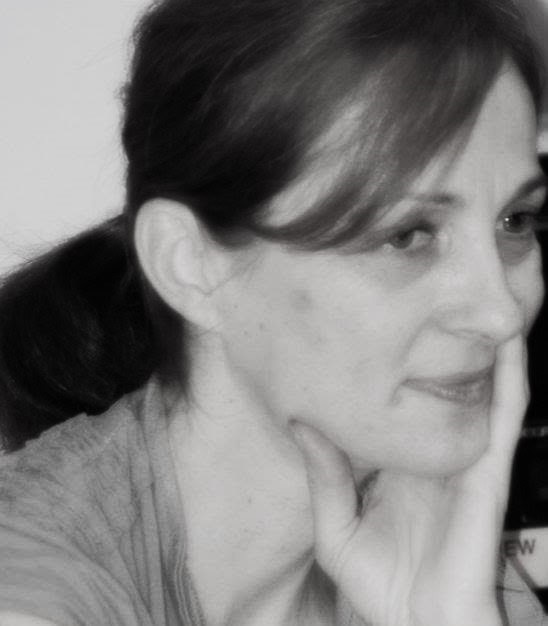
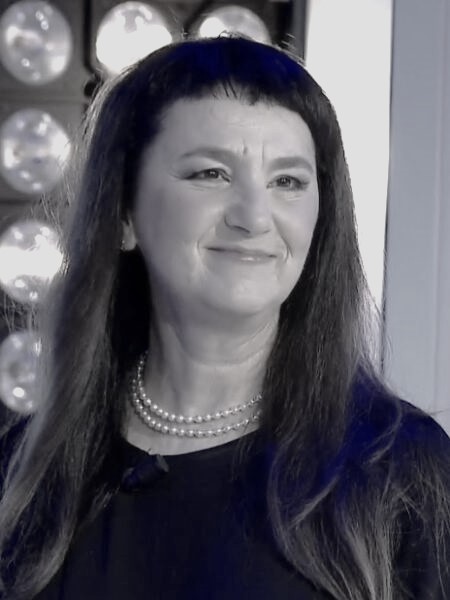
Memorie.al / In fact, her name is Tatiana Sulejmani. Her dual nationality is evident apriori; a Russian name, an Albanian surname. She is the first child born of the love rooted in complicated diplomatic histories, yet so full of interest for a welcoming Tirana in the early 1950s. Kadare, Agolli, Mula… were just some of the names that were able to reveal to us (openly, or in whispered tones) the Moscow atmosphere. Much was commented upon regarding the passions of the first students in the country of Dostoevsky, Tolstoy, the Bolshoi, and Stanislavski…! Studying in the country with the most impressive culture for anyone ultimately changed their final destination. One of them was also the family of the icon of 1970s Albanian ballet, Albana Sulejmani.
How can we speak of Tatiana and not recount that we live in the era of emotional-virtual consumerism, given that once things functioned very differently from today; in everything and everywhere?
The Sulejmani Family Nexhat Hysen Sulejmani (the father), a Kosovar who traveled from Istanbul to Kavaja. His studies in Italy at the Military Academy coincided with the beginning of the war, so he studied for only three years and interrupted his final year, as he voluntarily went to war. The hotbeds of combat consolidated the model colonel, despite the pain of losing many dear friends. He pursued his studies in Moscow at the “Lenin” Military Academy for about three years. His work and dedication caught the attention of the French professor (Nadjushi, from a Moscow intellectual family). Frequent visits to her home created the opportunity to meet their beautiful granddaughter, Margarita.
Friendship with the military man from Kosova permanently changed Margarita’s surname as well as her nationality. For her, this sweet story was her first and last romance with a young man. The friendship between the youths ignited anxieties over agreement from the respective embassies, but fate was on their side. At age 18, she moved to Albania and from there everything went like a fairy-tale ending, happily ever after. Albania was the country where the Russian woman spent the rest of her life, but now as an Albanian. Their first child is Albana, while her brother Iliri was born four years later.
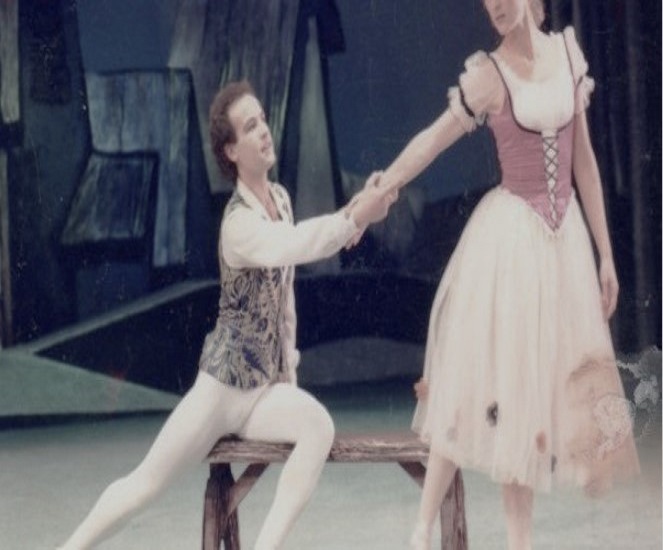
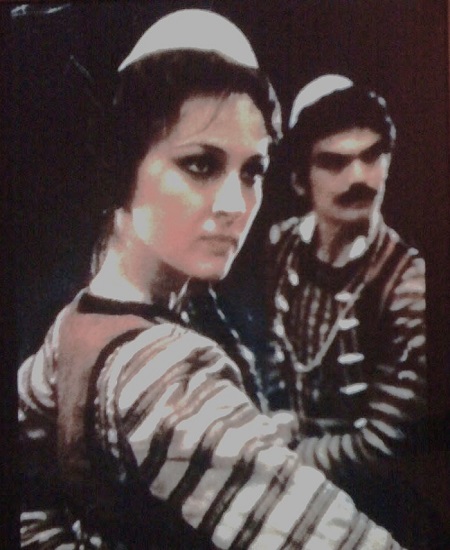
Warm applause following every premiere thrilled the public, but coldly, very coldly; it was viewed by the state “heads” who attended the performances. They only liked the partisan, the cooperative worker, the muscular laborer, and nothing more. By no means did they approve of the romanticized character between a boy and a girl on our ballet stage, not even in passing; the absence of such a romance and the stamping of a proletarian seal burdened the performance, burdened the dancers, and burdened the ballet master… against whom the Party-state frequently showed its teeth through extreme measures it undertook. Professor Kanaçi saw Sulejmani as his precious gemstone, and every premiere – whether foreign or Albanian, but especially those he staged himself – unquestionably belonged only to our premier ballet star, Albana Sulejmani.
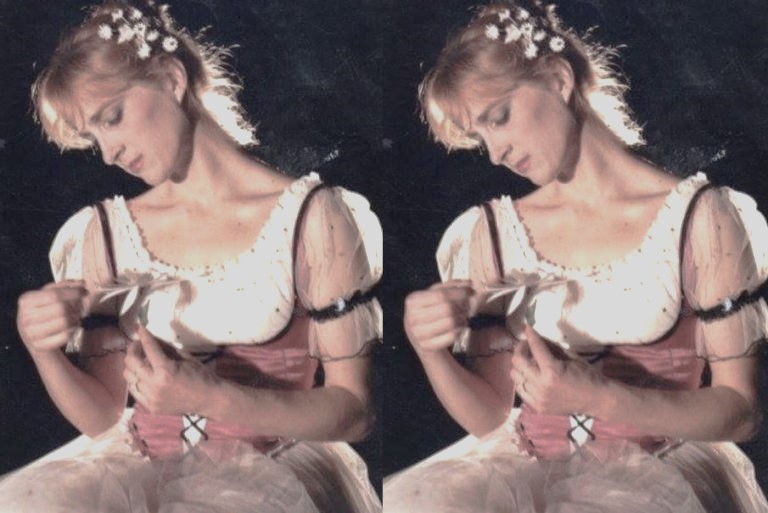
She was the solo ballerina between two protagonist males of the National Theater of Opera and Ballet (Ilir Kerni, Ludmill Çakalli), successful in all productions on the stage of the Theater of Opera and Ballet in the 1970s. She was the perfect personification of the great name she represents in her maternal lineage. Albana left Albania around 1997, at the time when the pyramid schemes generated terrifying anger. She has been living in Italy (Milan) for years together with her husband, who is also a ballet master (Ludmill Çakalli), as well as their sweet daughter. Italian success was only a matter of time.
Today, she is one of the most sought-after ballet teachers, not only on Italian soil. Her school is among the most popular, while Albana and her husband are, as always, right there elevating the name of Albanian ballet. The trio of youths was the trio of the most potent names that emerged from that school. They were the first three names of the “locomotive” of our talents under professors educated in the former Soviet Union. It was the trio where sacrifice, elegance, technique, musicality, and finesse merged into a single thread – that of the model ballet dancer.
Ms. Albana, you are the icon of 1980s Albanian ballet; what would you remember from that time?
Do you know that I didn’t even realize I was an icon? In those years we knew how to work and only work. For me, those were the happiest years, even though difficulties were not few. The theater was everything to me; the atmosphere was magical and it drew me in like a lost child. I don’t recall missing a single time. Even when I had a fever of 39°C… I wouldn’t miss it. Often my mother, when she saw my exhaustion, would tell me – “I am going to take you out of ballet!” While I would reply: “…I’d rather die than be without ballet.”
How much did the atmosphere, conditions, activities, authoritarianism, and the boundaries of staying in line with party norms create stress or pleasure for you? (a bit of the atmosphere of those years)
People who had nothing to do with ballet would often come to judge our performances, and frankly, we were put in difficult positions when they presented us with the absurdity of their demands. Especially when high-ranking party officials came. They would ideologically judge our performances with the arrogance of ignorance toward our profession. They hindered us from executing certain world-repertoire shows in particular. At least this tradition was somewhat repaired in recent years, with the change in the political system.
How would you describe the period when you studied and worked in the theater?
The theater was my… second home. During this period, the main problem was how to perfect myself technically and artistically. At school you learn many things, but stage experience is something else entirely. In the history of our theater as well as world theater, for someone to be appointed a soloist takes a relatively long time, whereas for me and my two colleagues, this time was bypassed quickly. I say my two colleagues, Ludmill Çakalli and Ilir Kerni, because all three of us received the same evaluation. In those years they called us the “trio of youths.” Perhaps it was also a bit of our luck, because the current soloists belonged to a different age group. Thus, young people were lacking, and we were able to cover an existing void in the theater of those years.
Something more specific about Professor Panajot Kanaçi and Agron Aliaj; how did they come to make you their favorite?
I worked a lot with Maestro Panajot. He entrusted me with all the main roles in his ballets. The professor was a true choreographer, not only because he graduated in Moscow, but because he possessed a well-rounded culture, coupled with a rare intelligence. This is how I met Prof. Panajot, and this is how he will always remain – a super-human. Meanwhile, Professor Agron was not simply the person who “nurtured” the classical ballet troupe, but for me, he was the figure who raised me in school and accompanied me through my artistic maturation in the theater as well. It is true that I was his favorite; I cannot tell you the “why,” but I only know that he meant everything to me. Thank you!
What do you remember from the time of theater tours?
We did many tours, both within Albania and abroad. Domestic tours were artistically difficult, as the conditions for a dancer and for the spectacle in general are very specific, but the audience was very warm and enthusiastic. As for my first tour abroad, it was to Mao Zedong’s distant China in 1972; I was only 14 years old. We were just children and understood nothing about politics, but this tour is unforgettable.
Not only did we have the opportunity to meet talented Chinese artists, but above all, their reception was fantastic. One of our whispered jokes was that “we are going on tour to our aunt’s daughter,” since our two peoples were friends and “sister parties.” It was different with tours to Paris, Greece, Turkey, and Italy…! Those were very demanding tours. I was the protagonist in main roles, so the responsibility was present manifold. The audience was enthusiastic, while my colleagues and I did not know how to describe the joy of our work.
What was your daily diet?
A diet never existed, neither back then when I was young and danced all day long, nor now that I am in the role of the Maestro. I believe it is in my nature. I was never a big eater… buuut, I love sweets.
It is natural for a name like yours to make colleagues jealous; how dangerous were they back then, and how about today?
Jealousy has been and always will be present in every field. Perhaps in art it is more pronounced. By nature, this aspect has never troubled me that much. I was always welcomed and encouraged by more experienced generations. There are people whom the aspect of jealousy destroys, whereas in my case, it never conditioned me at all. Now in the role of a teacher, after such a long work experience in Italy, jealousy practically no longer applies to us. Compliments surround us everywhere.
Let’s go back a bit to the early years of fleeing to Italy; why did you leave at the peak of your career?
The moment I left the theater was a difficult period both for Albania and particularly for the Theater of Opera. I remember that my nanny used to lock my daughter in the hallway so she wouldn’t be hit by stray bullets, since there were no windows there. The fear of this situation weighed heavily on our daily lives. We had an apartment in the center of Tirana (a gift from the state) on the sixth floor. It had no elevator, and when the water came, it was a true celebration for the residents. A day without water was a cursed day.
Can you imagine that after working in the studio for hours on end, when I came home, I also had to carry water up in buckets to the 6th floor?! These things and many others made us up our minds to emigrate. My bad luck was that I left at an age when I could have given much more to our ballet troupe, especially when my artistic maturity was many times greater. I have endlessly wished the best to those artists who were able to remain and continue working in the theater of that ugly period.
Was leaving for Italy the right choice; would you do it again?
To the question of whether I would do it again… I don’t know how to answer.
When you faced professionals in Italy, what was their reaction upon seeing what God had blessed them with – the presence of you and your husband? Italy never becomes America. This is due to the fact that they cannot fully accept the professionalism and skills of foreigners like us. It’s not that we suffered greatly, but… racism does exist in Italy.
Your family is very beautiful, the perfect trio. What do you like to publish about them, knowing that family life is partly private?
The most important moment was when my husband Ludmill and I completed the “Maitre de ballet” course at La Scala in Milan, which lasted two years. The assignments were serious examinations. There we learned many things, especially about what was happening in the ballet world. The comparison between our two schools occasionally put me in a favorable priority; meaning, we had good and dignified schools.
In Tirana you are known as Albana Sulejmani, in Italy as Tatiana; why?
Choosing the name Albana instead of Tatiana was by no means my choice, nor was it my families. It was a political choice. In the early 1980s, when I began to be widely recognized by our public, someone cleverly advised me to change my name. The message was clear: the premier Albanian ballerina must have an Albanian name, even though her mother is Russian.
You come from a Russian mother and a father with a military career. What has remained with you from the upbringing of the former family, to pass on to the one you currently have?
I am the product of that family and I am grateful to them for life. In your opinion, how else can a child be raised with a teacher mother and a military father?… Thank you, parents!
Italy has continued with subsequent success; how much does this please you?
The method of upbringing is the same, but there are new nuances dictated by the times.
Do you follow what happens with artistic and political life in Albania?
We are very busy, but I can say that I divide the time I spend watching television in half. I like nature shows, I watch Albanian television stations, and I gather information on developments in art and culture. I don’t leave out political news either. Politics, in my opinion, constantly disappoints me. I am pleased with our art and culture, as I see it taking steps forward. Albanian ballet is making good efforts to go further, but a greater commitment is needed from the government, which I do not see happening.
How Albanian do you feel?
We were born Albanian and we will die Albanian.
If you were asked to manage the Theater of Opera, what would your answer be?
I have never thought of asking the current Director of the Theater for anything, but given that it is a difficult institution to manage, help is needed from the authorities. To manage a theater, I am sure I would say: No! A ballerina can never be a good manager of such a complex institution as the Theater of Opera. If I were proposed to manage the ballet troupe… I might think about it a little…! Always provided this proposal had been made to me years ago.
How your work was schedule, and is our ballet school “white-faced” (reputable) today?
The workday used to start at 09:00 until 13:00. In the afternoon it started around 17:00 until 20:00. I am not saying that our ballet schools today are not like the ones that prepared us back then. The pedagogues who imparted their knowledge to us came from renowned Russian schools. However, after several years of transition, I can say that the Ballet School is on the right track and is led by people with a great passion for work.
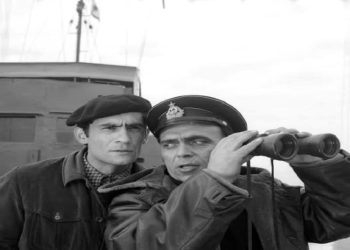
Your brother, Ilir Sulejmani, is known to the spectator through the few films he was able to make before he left; is he fulfilled where he is?
Regarding Ilir, I can only say that he is well in Brussels, following in our father’s footsteps as a true Kosovar. Lately, I have been watching the films he shot in Albania again. I think he made a mistake by not pursuing that first passion of his. In my view, that was his path. / Memorie.al