By Eugen Shehu*
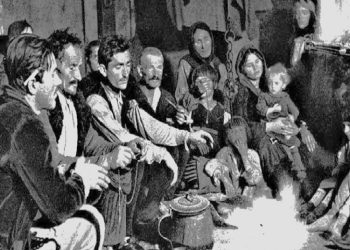
Memorie.al/ The towers and hearths of the people of Luma are well known in Albanian traditions and history, for the cradle holds the foremost place, and above it hangs the rifle. An old saying from Luma goes: “A house without a rifle is like a man without his manhood; a tower without a cradle is like a mountain without trees.” The children of Luma traditionally sit beside their parents and listen attentively to tales of myths, legends, and heroic deeds, especially those concerning the nation and the homeland. The men of Luma, from the very first cry of the infant, know whether he is worthy of the rifle’s sight or not. Luma and Drenica share a striking similarity in the realm of Albanian traditions. Once, in my youth, I heard from my father’s lips, half-voiced, as he began to sing:
“The sun rises, the moon rises,
If you have a husband, mother doesn’t sleep…”
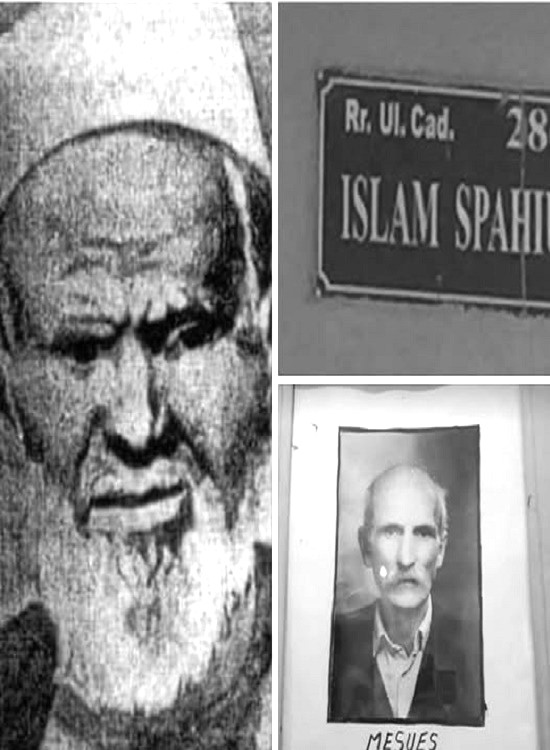
Listening in silence and watching how my father fixed his gaze somewhere toward the peak of Mount Korab, once wrapped in my youthful naivety, I asked: “What kind of hero is that, Father?” He replied: “Islam Spahia, my son!” Thus, many years later, I would learn much about this hero of Luma. He was born in Luma in 1838. He was the wisest and also the bravest of Tahir’s five sons. Seeing him thus, his father entrusted him with the care of the livestock, which numbered in the thousands. Islam Spahia, for years on end, not only guarded the livestock but also became known for his honor and high character.
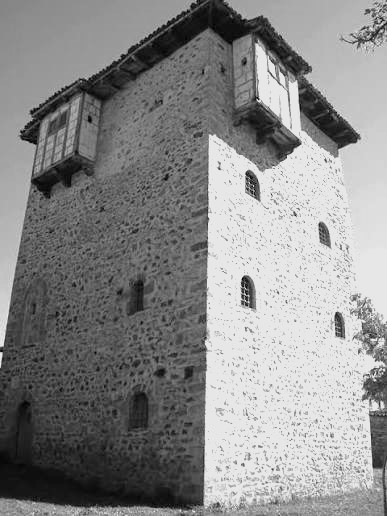
In the assemblies of men, his word carried weight, even though Luma had not lacked sons educated in the academies of Istanbul. His great feelings for Luma and his patriotism would constitute a wholly original academy throughout Islam’s life. Luma and all its surroundings honored and respected him so much that on many occasions, in assemblies and conversations, they did not address him by name but spoke to him as “Baba Lami.” Some great assemblies he would hold in the Tower of the Shehlerët in Ceren, in the towers of Katund Fshat and Kalis, and even up to Kalaja e Dodës.
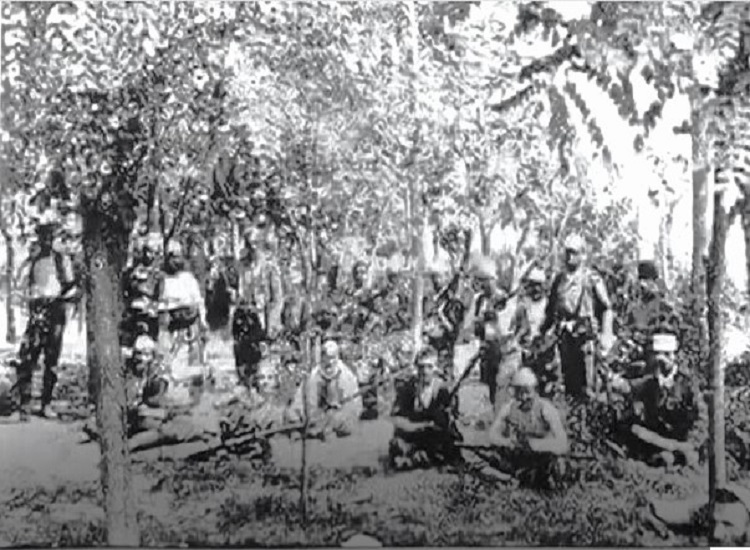
Nevertheless, one day Baba Lami cast aside his shepherd’s crook, appointed his youngest son to care for the flocks, and placed himself at the head of organizing the guerrilla bands in the region of Luma. It was the autumn of 1893. Sinan Pasha had surrounded Prizren and was preparing to crush the people with the power of arms and the tongue of flames. The people of Luma heard Islam at the assembly of the oath on this occasion, and one of them said to him: “Do you know, Baba Lam, that we want you as our leader?” The old man fell silent.
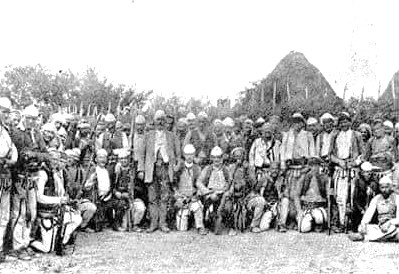
For bravery and wisdom, he had few equals; casting his eyes over the heroes, he addressed them with only two words: “Let our path be set for Prizren!” Surrounded by the volunteer forces of Luma, Drenica, and Gjakova, Sinan Pasha retreated from the very first battles, sending one decree after another to the Sublime Porte to aid him with further military reinforcements. Islam Spahia, at the head of the band of Lumjanë, proved himself not only brave but also endowed with great commanding abilities.
From that time onward, he would remain at the head of the forces of Luma, at the head of those men who left their towers, left their hearths to come to the aid of their blood brothers. The beginning of this century has always found me with a troubled sky, full of clashes and lightning, hanging on the shoulders of our northern mountains. At the gathering in Ferizaj in the spring of 1910, they would speak of Turkey gasping its last breath and the Serbian danger knocking at the Albanian gates. At this gathering, the word of Baba Lam was heard and supported. “Alongside Isa Boletini, Idriz Seferi, and Musa Rahovica, from Luma participated Ramadan Zaskoci and Islam Spahia…”! (Archive of the Institute of History, Tirana, and file a-4).
In the summer of 1911, the first Albanian school opened in Luma. This was the special contribution of Baba Lam, who had dreamed of the path of knowledge, even though he himself could not walk that road. The house in Kolesian was filled with little lads coming from peaks and valleys, while their first teacher was Riza Spahia, one of Baba Lam’s learned and brave sons. The uprising of September 1913 would once again call Baba Lam to lead the band of Luma. Coordinating plans with Elez Isufi and Sufa Xhelili, Islam Spahia successfully led his band of hundreds of heroes to a bloody victory against the Serbs. While on September 22, 1913, when our red-and-black flag was raised in Dibra, one of the fighters said to the old man: “Baba Lam, we have won the case; from now on we are at peace, returning to the tranquility of our towers!” However, the peace of Luma’s towers was still far away; Kosovo was burning in flames, and Luma could not sit idly by the brazier.
Nevertheless, a part of Albania was liberated. The folds of the flag of freedom fluttered beyond Dibra also in Struga, Kërçova, Gostivar, Kumanova, Resnja, and Tetova. The press of the time wrote: “The day before yesterday, Europe said Kosovo remains with the Serbs, because they shed blood and blood must be rewarded. Today, the Albanians, in a generous war, are shedding blood without stint. What will Europe say? We await it to give us our daily bread and our honor, the field that gives us bread and the mountains that guard our honor…”! (Newspaper “Përlindja e Shqipenis,” September 18, 1913).
The Balkan turmoil, on the eve of the First World War, would reflect significantly, especially in the diplomatic and political aspect of Albanian life. The departure of Ismail Qemali from Albania and the arrival of Prince Wied were accompanied by great disturbances that called into question not only our national identity but also infringed upon the freedom so dear to Albanians. Seeing in Wied’s stance certain nuances that weighed in the balance of preserving Albanian territorial integrity, Baba Lami unreservedly supported the latter, who also gave a generous reception in honor of the respected man from Luma.
During this same period, taking advantage of a mutual acquaintance, Esat Pasha would attempt to exploit the figure and force of Islam Spahia by sending word for him to take the lead of the Lumjanë and fight for him, since the reward would be considerable. “An Albanian is not bought with gold, you scoundrel,” replied Baba Lami. By now, Serbia had placed a bag of gold on Islam Spahia’s head. But in Kolosian and everywhere, the people not only honor and respect him but also protect the wise and brave old man from harm. In a series of battles from 1913 to 1920, his tower turned into a great outpost of resistance. Every stone of this tower bore witness to the wisdom of the assembly and the bravery of the battles.
This is the reason why, even though he was 80 years old, Islam Spahia was invited to participate in the Congress of Lushnja as a delegate of Luma. But Baba Lami could not go there, because in Kosovo the uprising that had begun in April 1919–1920 was underway, and the people were in the fire of wars for liberation and national unification. The bands of Has, Luma, and Sllova would always be in conflict with the Serbs, thus coming to the aid of their brothers of one mother and one blood.
Nevertheless, Baba Lami went to Tirana and was warmly received by the government that emerged from the Congress of Lushnja. In particular, his conversation with Aqif Pasha Elbasani left a deep impression on the brave man from Luma, who would tell his friends and fighters: “With such men, Albania will soon be made.” This hope kept the fire in his chest burning until his last day, in 1928, when he closed his eyes.
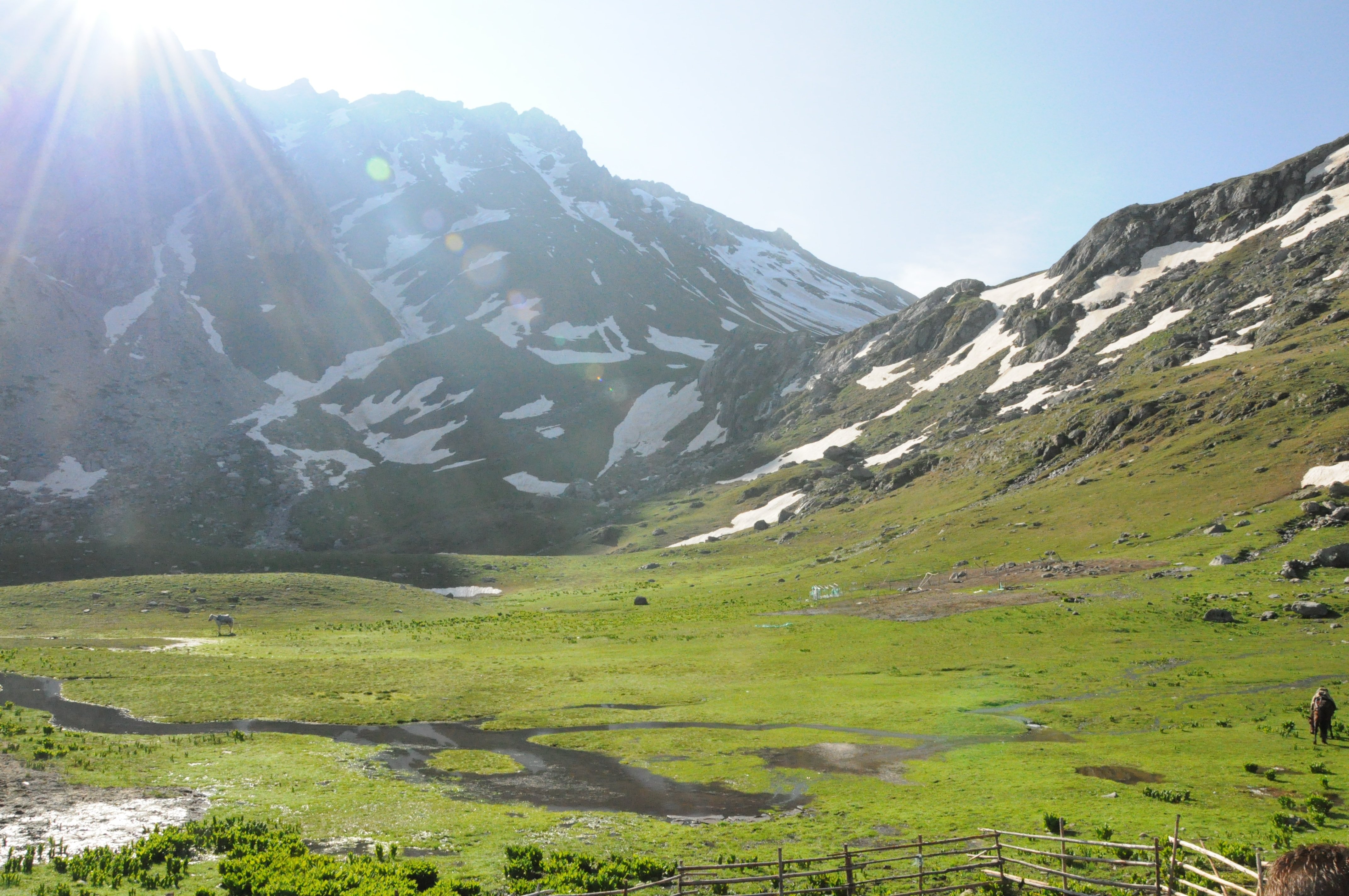
But the song continues to be sung around the hearths of Luma, and among the little lads, it is passed from cradle to cradle, transmitted from generation to generation as a great respect for Baba Lami, who “cut down like lambs 12,000 Serbs of Dušan.” And who knows when and once again Mount Korab will let out its cry?! / Memorie.al
*Bern-Switzerland