By FRROK VUKAJ
Second part
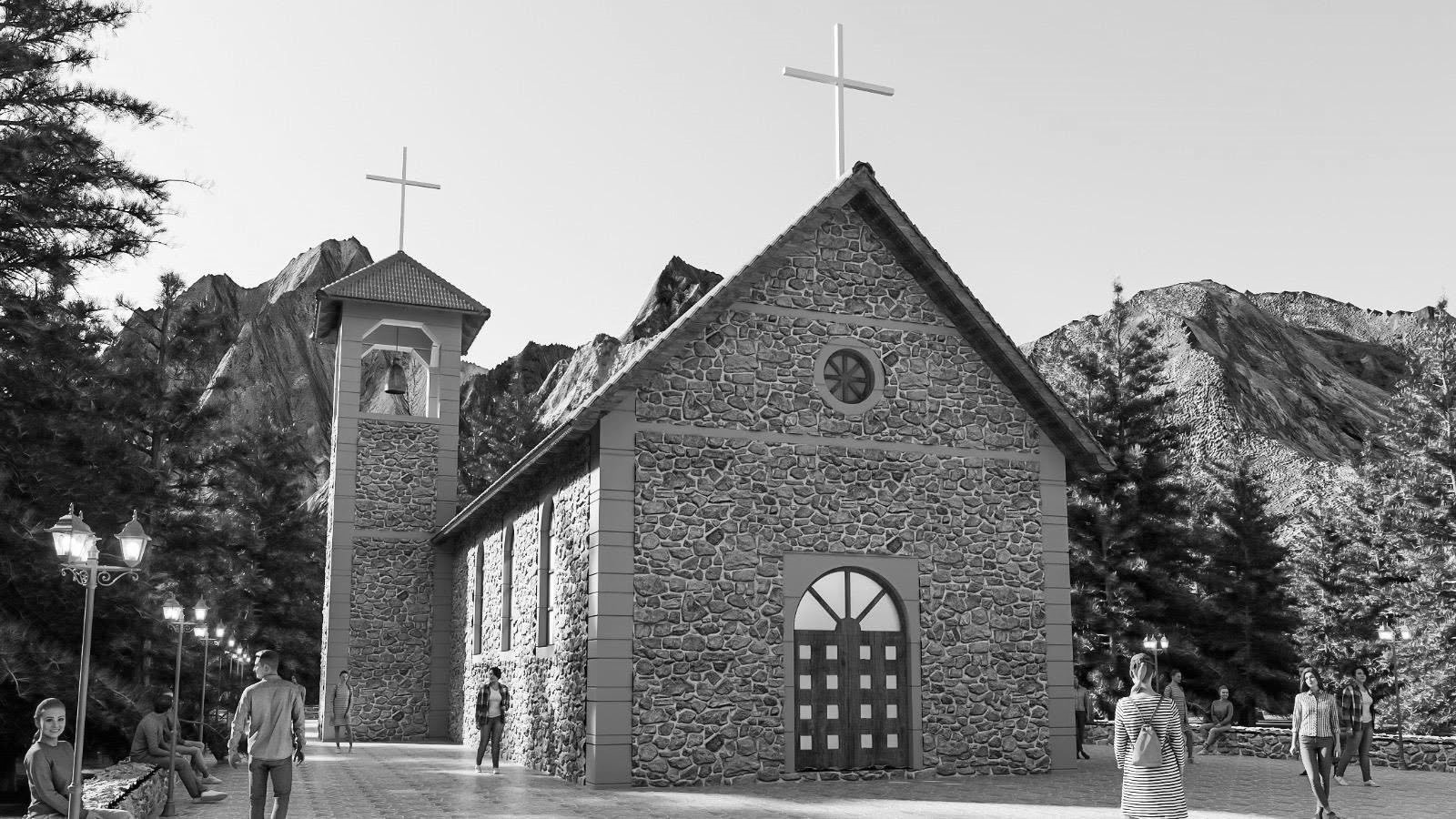
Memorie.al / Inspired by the events of the time, in Nikaj-Mërtur, upon the request of the local patriots, Sokol Basha, Tunxh Miftari, Bek Selimi, Syl Martini, Murrec Sadria, Ukë Çuni, Fetë Sadiku, Myftar Alia, Çun Kola, Met Sokoli, Mark Alia, Marash Uka, etc. (in the years 1915-1916, even earlier), teaching was organized in the premises of the churches, where directly or indirectly, some of the inspirers and initiators also taught. The great distance from the administrative centers and the lack of means of communication, has brought a lack of documentation and this does not allow us to call them schools in the classical sense, although they were such.
Continues from the previous issue
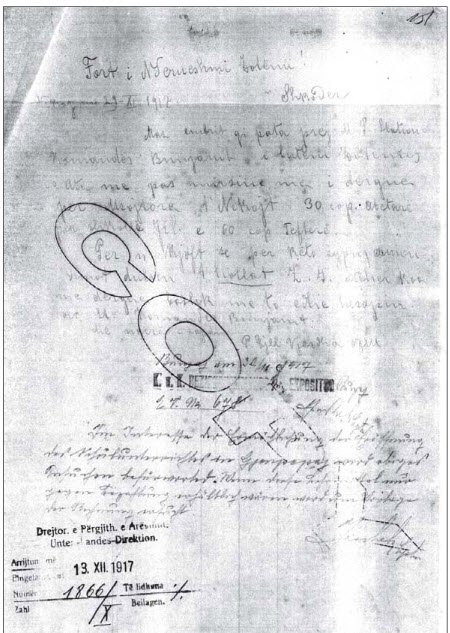
“The command of the super-glorified one expects from you that, from the point of view of service as a teacher, you submit to the Circular for local officials, and that you find yourselves in agreement with the Education Directorate of the Bezirk and with the General Education Directorate, to give at least three hours of teaching per day, and that you do not leave the place without some great need.”
For the needs of the functioning of this school, a handwritten letter from A. Vjerdha dated 29.11.1917 also speaks, “… for the school of Nikaj we sent 30 copies of primers for elementary school and 60 notebooks.”
This additional and very convincing argument does not leave us in doubt about the opening of this school. A. Vjerdha could not have asked for books and notebooks for a school that had not been opened, but it is certain that it functioned normally with a considerable number of students, which is also evident from the number of primers and notebooks mentioned above.
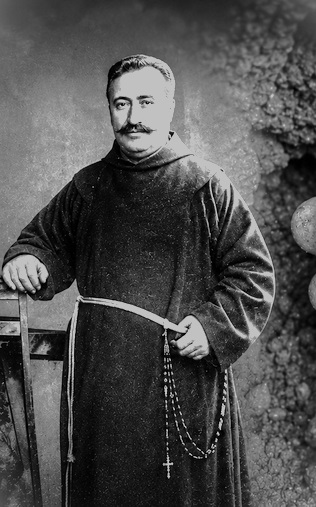
Other documents and events from the year 1918 also speak of the existence and functioning of the school of Gjonpepaj. In a document dated 05.08.1918 bearing the designation of the Education Directorate of Shkodër, it is written: “The command… notifies us of the news from the Bezirk Command of Zhur regarding the opening of the school in Gjonpepaj (Nikaj-Mërtur), in which teaching is given by the parish priest Father A. Vjerdha.” (i.e., not E. Vjerdha, my note).
“The people of Nikaj-Mërtur are showing great interest in the construction of the school and in sending their children to receive teaching, all of which are signs that give us hope that this poor people, suffering solely from lack of education, from now on will be able to put to work for their own benefit and that of the fatherland those extraordinary qualities that adorn them…”.
Even the wide participation on this blessed day, not only of the residents of the area, but also of the clergy and authorities of the prefecture, reinforce what we said above. “In this new school, for now, teaching will be given to about 50 children. Later on, it was thought to also open a boarding school where all those children who, having their homes very far from the school, cannot go and come, will be accommodated.” “Posta e Shqypnisë”, May 29, 1918.
On this day of blessing, according to the newspaper, many distinguished people and crowds participated. The ceremony was also attended by the Bajraktar of Nikaj, Sokol Basha, the Vojvoda of Nikprendaj, Beg Selimi, Myftar Aliaj of Nikprendaj, the commander of the Bezirk and of the Exposition in Bunjaj, Mr. Major Verubis, the corps of officers, etc.
The blessing was given by the Franciscan of Palç, P. Loro Mileta, and as assistants the Franciscans P. Pjetër Gjini, the parish priest of Curraj, and P. Engjëll Vjerdha, the parish priest of the place. Although in a remote area, the echo of the opening of this school was great, so much so that it was also written about in the press of the time.
Fundamental and important was that the interest in the school had grown from the local authorities, the parents and the children. In May 1918, the new building was inaugurated and was blessed by the clergy of the area and the notables of the place. On May 29, 1918, “Posta e Shqypnisë” writes: The document dated 16.06.1917 signed by the General Director of Education Luigj Gurakuqi that appoints Father Nikollë Kolaj as a teacher, I believe, officially legislates the opening of the school in Gjonpepaj.
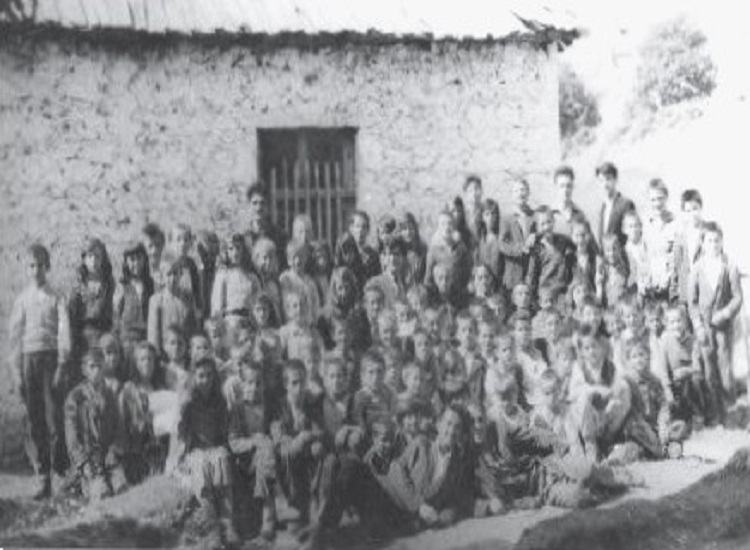
Some of the first students are: Martin Prel Gjonpalaj, Kolë Çun Palnikaj, Zef Mark Gjonpali, Sokol Prel Marticanaj, Dodë Prela, Zef Sadri Marvataj, Mark Lulash Perpali, Pal Ukë Marvataj, Kolë Pal Gjeloshgjokaj, Ndue Pjetër Gjonpali, Pal Kol Bushati, Ndue Qerim Neçaj, Çun Gjelosh Pervataj, Vuksan P. Perpali, Mark Z. Bushati, Kadri Ceca, Zmajl Q. Dedaj, Mark Nd. Perpali, Mark S. Hajdarkolaj, Stak P. Gjonpali, Qerim Nura, Bafti Ndue Zhivani, etc.
In the school year 1970-71, when I was a teacher in Gjonpepaj, many of them were alive and confirmed to me the opening of the school in this year. Based on the oral heritage and the memories preserved from the former students of this school and their peers in Nikaj and Mërtur, the year 1917 is not called into question, but is declared with conviction by all.
The growth of the desire and interest to learn in the school of Gjonpepaj is also shown by the increase in the number of students at that time, which reached up to 50. This raised the need for another teacher. The document dated 5.06.1918 signed by the relevant authorities appoints A. Vjerdha as a teacher in this school.
There is no data on the opening of the boarding school mentioned above, but the opening of this school seemed like the first day of spring. The state of that time had also allocated a fund for the purchase of land and the construction of the school. This is clearly expressed in the document dated 16.06.1917, which we mentioned above, signed by Luigj Gurakuqi.
“The Command of the 19th M.o.R has been pleased with the purchase of the land near the church for 900 kr in cash, as well as with the erection of a school building by granting a credit of 3000 kr.”
It was opened under difficult economic-political-social conditions.
Extreme poverty. Limited material base (few books and notebooks, stone slates and other rudimentary tools) secured with difficulty, they learned every day or intermittently.
The support of local patriots and enlightened figures of education, especially Luigj Gurakuqi, Mati Logoreci, Gaspër Beltoja, Ndue Paluca, etc.
The school was made possible by the existence of the premises and the patriotic priest with broad culture who knew Albanian well.
The functioning of this school has no reason to be doubted, since they learned writing, reading, arithmetic, history, grammar, gymnastics, handicrafts, singing and drawing, but also religion. Religion is not a reason to deny it as a school, since even Europe and other countries have had such a subject, and some even today.
Some liberties and rights given by the Austro-Hungarian occupier for Albanian education were also utilized, without excluding geopolitical goals, etc.
The groundwork for the opening of this school had been prepared by the preceding developments that we have mentioned above.
Besides the regular students, a good part of the inspirers and initiators of the opening of the school, according to their possibilities, learned every day or intermittently.
In this year, the opening of Albanian schools in other regions of Albania also increased significantly.
(In the spring of 1917, a school was also opened in Theth of Shala).
On the 100th anniversary of this great event, on June 2, 2017, in the center of Nikaj-Mërtur, a big celebration was organized with a wide participation not only from Tropoja but also from the Authorities of the state. The school was honored with the decoration “Naim Frashëri”./ Memorie.al