By Frrok Vukaj
Part One
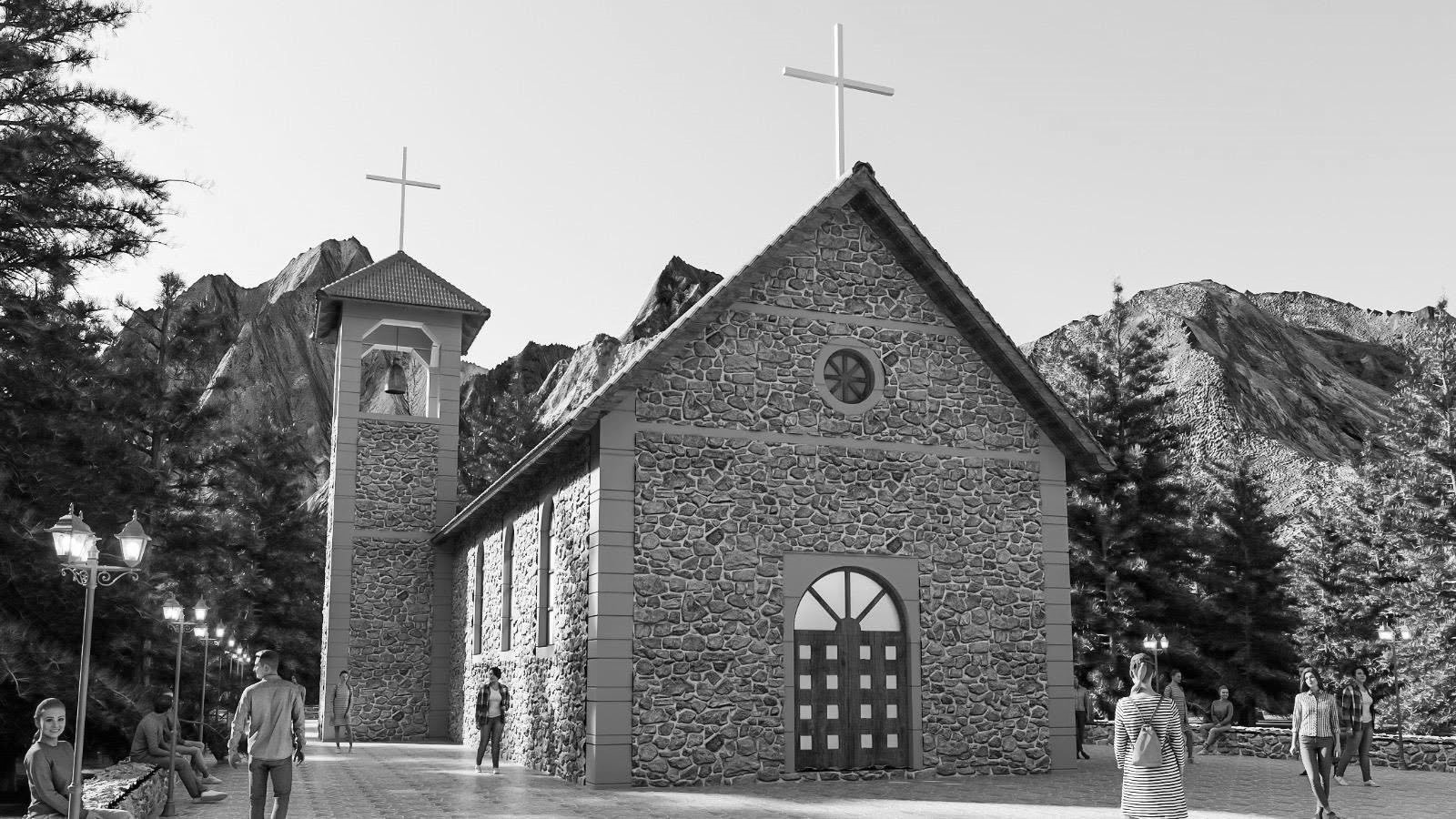
Memorie.al / Inspired by the events of the time, in Nikaj-Mërtur, at the request of local patriots, Sokol Basha, Tunxh Miftari, Bek Selimi, Syl Martini, Murrec Sadria, Ukë Çuni, Fetë Sadiku, Myftar Alia, Çun Kola, Met Sokoli, Mark Alia, Marash Uka, etc. (in the years 1915-1916, and even earlier), instruction was organized in church premises, where some of the inspirers and initiators also learned, directly or indirectly. The great distance from administrative centers and the lack of communication means has led to a lack of documentation, and this does not allow us to call them schools in the classical sense, although they were such.
In the areas occupied by the Austro-Hungarians, which stretched from the North to the Vjosa River and the upper part of the Shkumbin, Albanians were allowed cultural and educational autonomy. The General Directorate of Education was located in Shkodër. The entire area had 3 education directorates: Shkodër, Tiranë, Berat, and 6 bezirke (administrative districts). At the beginning of 1917, Tropoja no longer had its center in Shkodër, but in Zhuri, which is located between Prizren and Kukës.
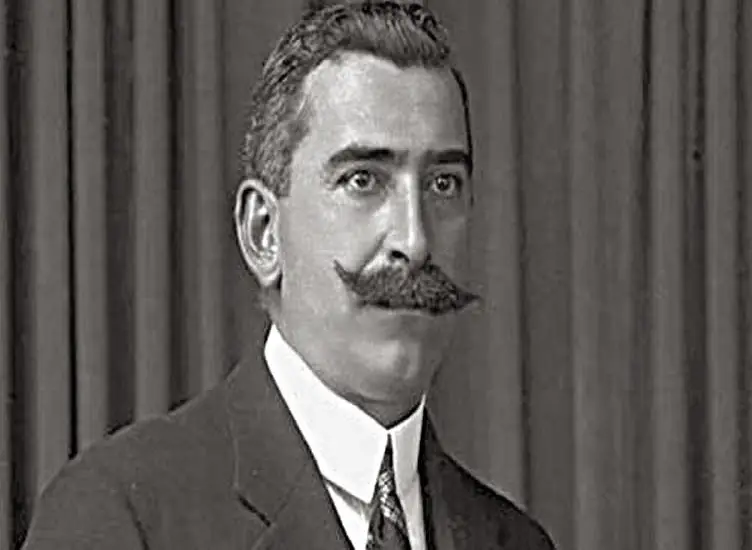
As we mentioned above, the demands of the Nikaj-Mërtur inhabitants for schools, supported and encouraged also by progressive priests, increased greatly. Requests were addressed both to the General Directorate in Shkodër and to the second bezirk in Zhuri, on which they depended administratively. The name of Luigj Gurakuqi at the head of that Directorate was a great value for the nation.
This great patriot and powerful generator were passionate and tireless in raising and spreading Albanian-language education. This is evident from the very beginning of his tenure. As early as 1916, he conducted a preliminary study for the opening of schools in the North, which he presented to the High Command M. e. R. of the XIX Army Corps in Shkodër.
Again, on February 5, 1917, he sends another concrete report to this Command, expressing the arguments and possibilities for opening schools. The Austrian Command asks him to send an inspector to assess the situation, but he clarifies that he has received news (about readiness for instruction) from the priests of several villages and from Mr. Hpt. Wimner.
Gurakuqi expressed to his superiors that there was no need to wait any longer. He specified the villages of the II *Bezirk* where schools could be opened, leaving them in the hands of parish priests, who would gather the students in their cells, specifying:
1- Mgulla (also for Gjoan, Plan and Kir, Pog, Shosh and Prekal).
2- Palcë of Mërtur (also for Salcë, Brisë and Kotec).
3- Gjonpepaj (also for Peraj, Nik-Prendaj, Kapit).
He continues to define the organizational measures: “In these villages, the school will remain open from March until the end of October, since in the other months they cannot attend school due to the winter and bad roads.” He intends to discuss with and obtain permission from the Bishop of Pult, Bernardin Shllaku, for the formality of appointing the parish priests as teachers.
“When I get all the details from him, I will make proposals for the appointments. For the other villages of this Bezirk where lay teachers are needed, I will make other proposals if I can find the necessary teachers soon.”
The Austro-Hungarian Command had previously advised that Inspector Mati Logoreci go to the North, but this was not realized as he was inspecting the VI Bezirk. On May 5, 1917, Mr. Ndue Paluca, inspector of this Directorate, was sent.
Luigj Gurakuqi, with great preoccupation and a sense of responsibility for the work, sent Ndue Paluca on April 4, 1917, a not very long letter, but packed with duties and instructions: For a journey to the areas of the I and VI Bezirke, specifying also the places: Koplik, Gjoan, Shosh (I Bezirk).
In the VI Bezirk: Palcë of Mërtur and Gjonpepaj, (but he, as it seems, on his own initiative, inspected all of the Highlands of Gjakova, my note). To gather the necessary information for the establishment of schools in those areas. Can the parish priests teach 3 hours a day, meaning 15 hours a week, and obtain a written statement from them on these matters. Will the instruction be given in the parish priest’s cell, or in some other house, how much will the rent be paid?
If a rented house is taken, how much time and money will be needed to fix it up, and can craftsmen is found? Can school furniture be made on site? He requested a detailed study with concrete facts and possible and necessary things for the opening of schools.
It is clearly seen with how much humanism, seriousness, realism, and professionalism is spoken in this letter. But its meaning also carries equal seriousness and devotion to duty, without expressing any hesitation despite the very harsh conditions for travel, food, and lodging in these highlands.
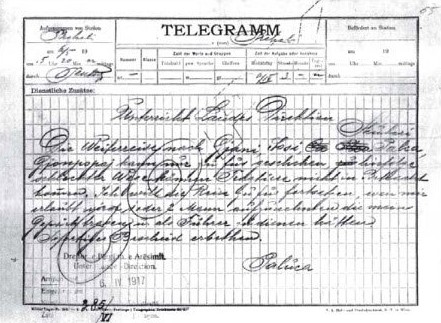
In a note by Gurakuqi on the same letter, we see that Ndue Paluca had set off as early as the next day, April 5, 1917; indeed, on the 6th, he sends from Prekal a telegram with a special text to be admired by any reader or letter-writer.
I want to emphasize and appreciate Mr. Paluca’s nearly one-month journey to these remote regions, with badly damaged roads, with torrential and life-threatening streams and rivers, with frightening ravines and chasms, with high mountains and centuries-old forests, with the dampness and cold of early April that had not yet left, with poor sleeping and eating conditions (despite the lavish hospitality of the highlanders), and countless other difficulties.
With a sense of responsibility, devotion, and professionalism, he carried out this inspection, bringing convincing arguments for the opening of schools. On this solid basis, without delay, Luigj Gurakuqi sends another copy of this report to the High Command in Shkodër.
“I have the honor to present to you a copy of the report given to me by Mr. Ndue Paluca regarding the journey from the viewpoint of Education, which he made in several places of the I and VI Bezirke, according to your order E.V. Nr.467/VII of 31.3.1917. Along with it, I am also sending you the written statements he obtained from the parish priests of Prekal, Gjoan, Pog and Mgulla, Shosh, Palcë of Mërtur, Gjonpepaj, Plan and Raja of Mërtur, with which they declare that they are ready to take on the burden of teaching, for about three hours a day.”
Below in the report, he also shows the concrete solutions; “Given the need for schools and the lack of teachers, I believe that for some time the duty of teaching can be entrusted to the mentioned parish priests, with the hope that, under the supervision and oversight of the military authorities, they will carry out their service with care.”
“Gjonpepaj where for once the school can be started in the church, and afterwards a building can be constructed, about which Mr. Paluca speaks, and which seems necessary when one takes into account the large number of students who can attend the school / parish priest Father Nikollë Kolaj.”
“Raja of Mërtur where the number of students who can attend the school advises spending 100 Crowns for the repair of the building.” He mentions the places where schools could be opened in the first Bezirk, but we are mentioning those of the 6th Bezirk of which Tropoja was a part.
For the possibility of opening schools, Gjonpepaj and Raja of Mërtur are mentioned. Since the place and possibilities have been realistically examined, the proposal is concrete and well-founded; In that report, the opening of schools in Tropojë, Bujan, and Geghysen is expressed as very necessary, but also the impossibilities that hinder it.
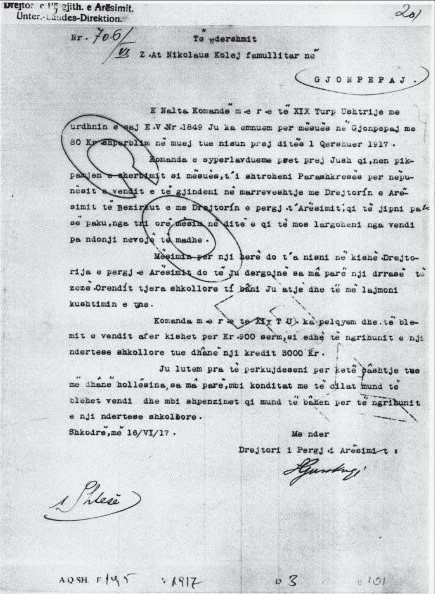
He argues for not opening them due to the lack of Muslim teachers who knew how to write in Albanian. Also, for Palçi, the opinion is expressed against opening a school, arguing…! In this same document dated May 5, 1917, Luigj Gurakuqi, General Director of Education, requests from the High Command M.e.R of the XIX Army Corps, Shkodër:
The reports and official documents have followed one another with correctness and irrefutable logic. The document for the appointment of the parish priest bears the date June 16, 1917. While, here, it is stated that the compensation begins on June 1, 1917. Knowing the strong and decisive character of Luigj Gurakuqi, it would not occur to him to pay for work not done, but he has information that in Gjonpepaj instruction and school had functioned even earlier.
His correctness is also evident in the note he made at the end of the document, as it seems for the Ministry of Finance: 1 supplement. (It refers to the organic law).
A keen eye notices that the document continues with a meaningful subtext that, in the future, Father Nikollë Kolaj had to submit to the Pre-document; a spontaneous work, but an organized and paid work for the local officials, therefore not a spontaneous work, but an organized and paid one. / Memorie.al