By Ali Hasani
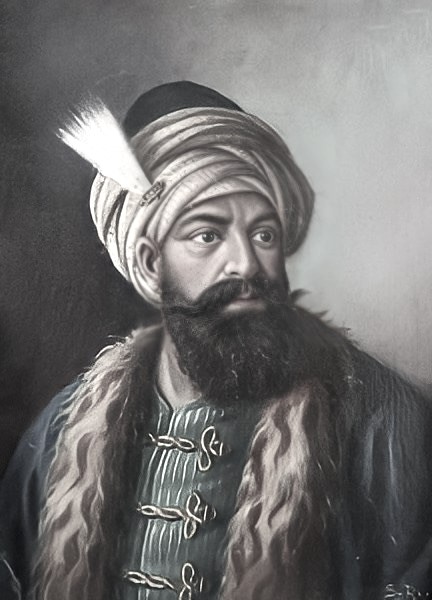
Memorie.al / It is the greatest monumental and engineering work built around the 1770s in the Balkans, by the Ottoman Empire. It was named the “Vizier’s Bridge,” in honor of Mehmet Pasha Bushati, vizier of Shkodra, who, on a journey to Kosovo, was welcomed at a working dinner by the notables of Spas, Pista, Trun, Lajthizë, and Sakati, at the home of Halil Aga Sakati. At this meeting, the representatives of these villages asked their Vizier to build a bridge over the Drin River (the confluence, i.e., the Drin i Bashkuar). After his positive response, he sent his best specialists to study the location and draft the bridge’s project, based on the position where the structure would be placed.
Shortly afterward, work began on gathering the necessary materials, especially building stones and limestone. The latter, according to oral accounts, after being burned in kilns and slaked with water in pits, were covered with soil and left to season for five years – ample time for the lime to strengthen. It is said that during use, the lime was also mixed with egg whites.
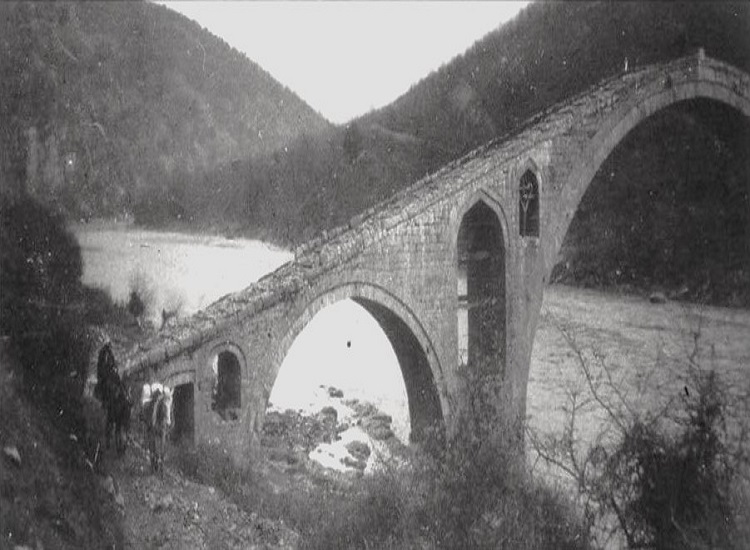
The construction work on the Vizier’s Bridge lasted 7 years, and hundreds of workers and specialists took part in its building, some of whom were from Dibra. The bridge was 200 m long and was built with 5 arches of varying sizes. The three middle arches are the largest and widest.
But even here, the central arch, compared to the other two, stands out both in size and height (20 m), while the two side arches were smaller and rested on the mountain slopes. Technically, it was calculated that through these spans, the entire volume of water that the Drin could carry would pass through.
The feet of the bridge were placed on strong gabbro rocks. On the supporting piers (pilasters), 13 windows of different sizes were opened, with boat-shaped arches, which also served to discharge excess water in cases of high floods. The roadway – the crossing part of the bridge – was not designed flat, but with ascents and descents, due to the two humps on the main arches of the bridge.
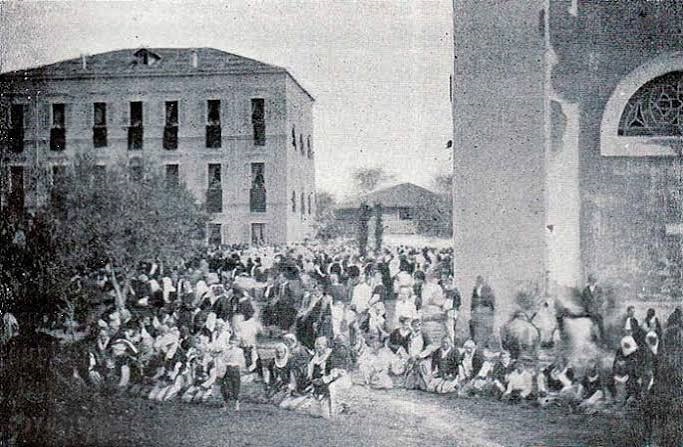
Together with the bridge, on its southern side, a one-story building was also constructed, which initially served as shelter for the workers and masters who worked there, and later, during Ottoman rule, served as a customs point, and finally as an inn for travelers, which is why it was called; “The Inn of the Vizier’s Bridge.”
Oral tradition tells us that the residents of the surrounding area were obliged to pay a special tax for the construction of this bridge – the bridge tax. Very close to the Vizier’s Bridge there was also a drinking water spring called “The Inn’s spring.”
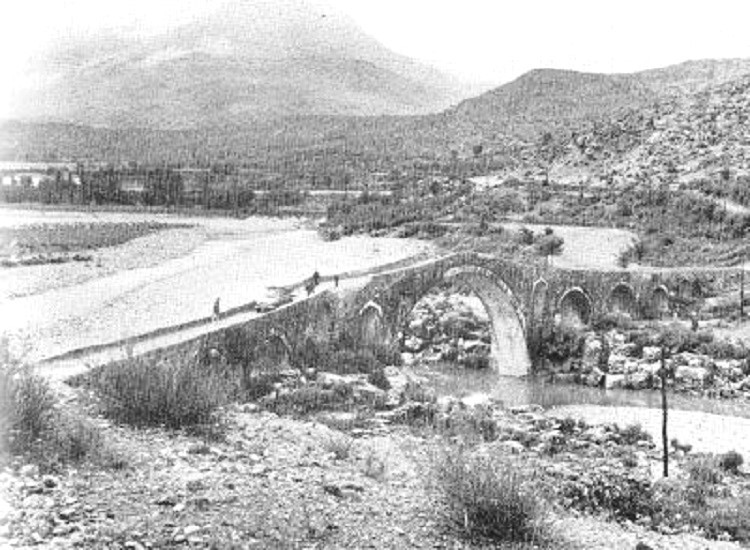
Upon the completion of the Vizier’s Bridge, built at the most important and strategic junction of the time, where the largest roads connected – such as the Shkodër – Prizren road, the Shkodër – Gjakovë road, and the Fandë – Qafë Kumbull – Shkodër road, etc. – the vizier not only kept a promise given to the people who had asked for it, but he built a work of economic, strategic, and military importance, with a long-term perspective for the movement of travelers, merchants, and caravans.
In her memoirs (1909), Edith Durham writes: “The Vizier’s Bridge, a magnificent bridge with seven arches, all different, but the overall effect was amazing. It is the work of a great artist, because nothing more harmonious can be imagined with the surrounding panorama.”
In 1914, Serbian forces, on their conquering march toward Albania, pursued by the Austro-Hungarian armies, mined the Vizier’s Bridge and partially destroyed it, rendering it impassable. In 1968, an intervention was made on the structure of the Vizier’s Bridge by placing a wooden bridge over it, in order to connect the cities of Krumë and Kukës by automobile road.
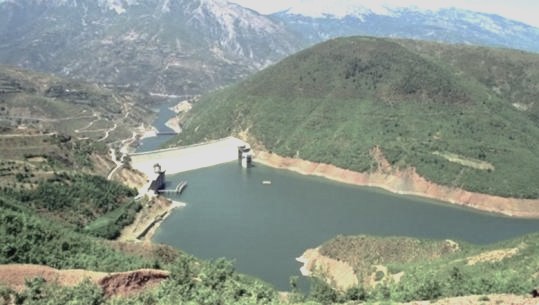
This marked the beginning of the second destruction of the Vizier’s Bridge, which was later followed by its final destruction (with tritol) in 1978, as a result of the construction of the Fierza Lake and Hydroelectric Plant, the installation of a shipping line for vessels between Kukës and Fierza and vice versa, the creation of a fishing enterprise, and the clearing of the entire watershed area of the basin of this lake from trees, shrubs, and other structures.
Consequently, one of the most beautiful monumental works of the 18th century was destroyed, which, unfortunately, we will no longer have, except in photographs or in some film chronicles that may remain in the archives of the former “Shqipëria e Re” Film Studio.
I say this with great pain, that we have nothing left but to tell the tale: “There was once a bridge, the Vizier’s Bridge, in Malzi – Kukës, the greatest, finest, and most accomplished engineering construction for its time, built over the confluence of the Drin River, which no longer exists today. We have permanently lost a rare work of Albanian monumental culture!… / Memorie.al