From Robert Elise
-The unknown history of the massacres by Serbs in 73 villages of Dibra and the names of hundreds killed and massacred by them-
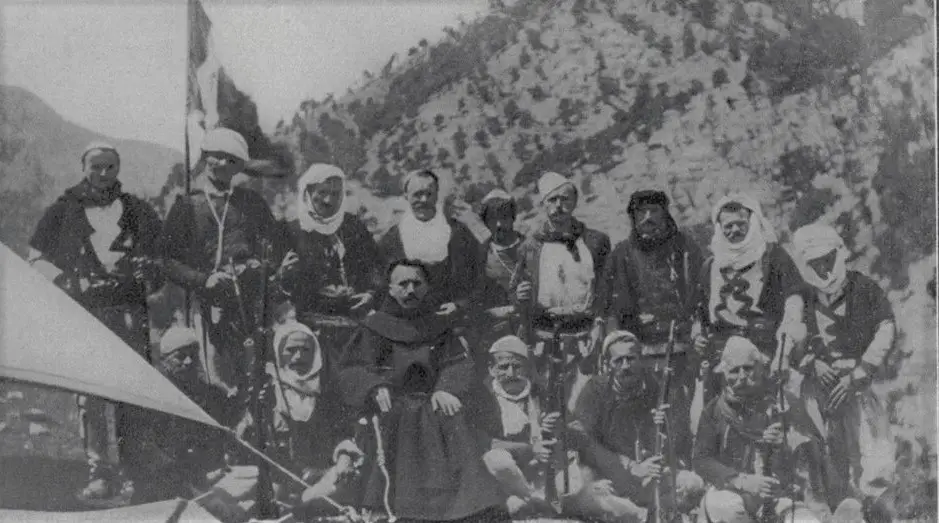
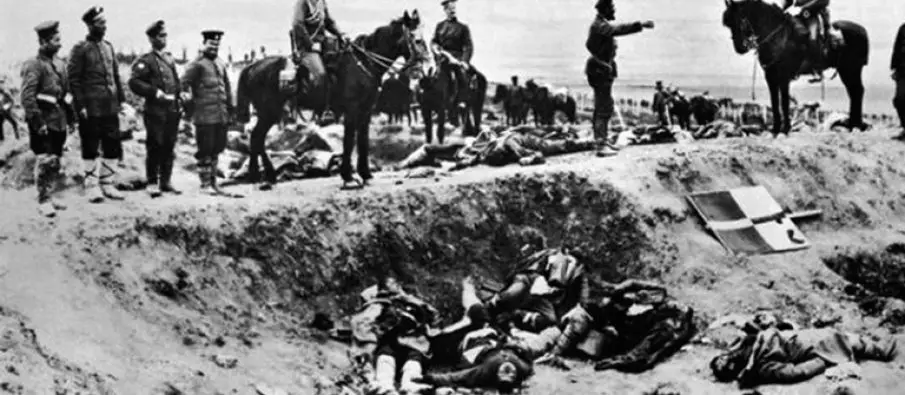
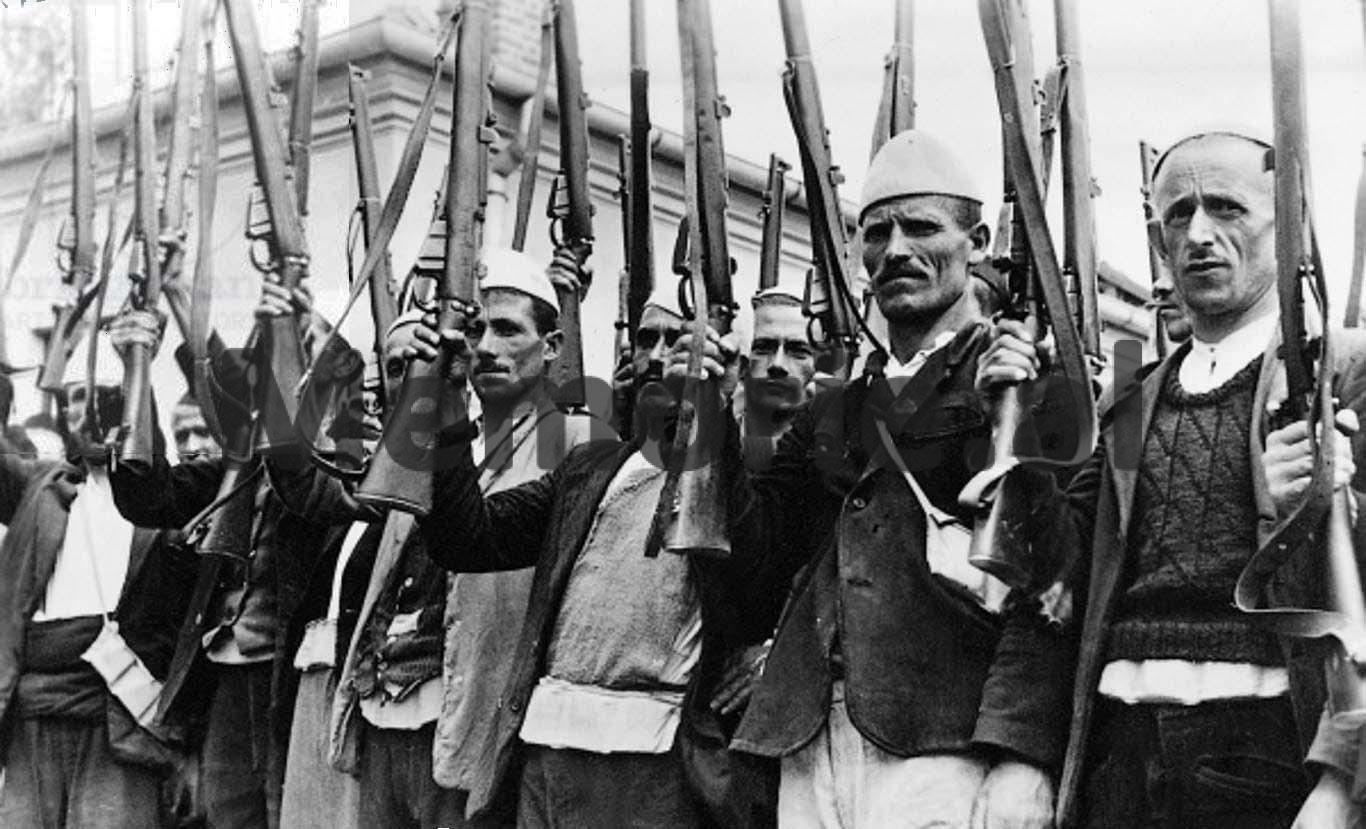
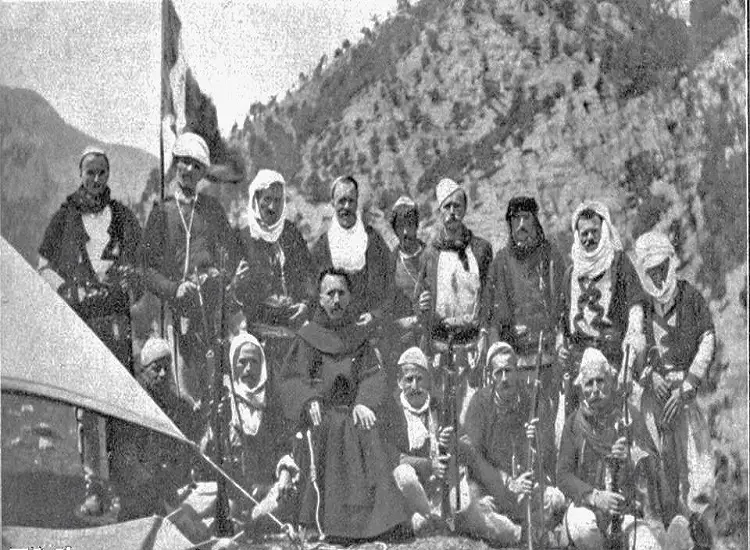
Memorie.al / The Great Powers recognized Albania as a Sovereign state on July 29, 1913. But Kosovo, Dibra, Ohrid, and Bitola remained under Serbian military rule, and on September 7, 1913, King Peter I of Serbia declared the annexation of the occupied territories. A widespread uprising against Serbian rule began in Lumë and in the mountains west of Gjakova, which was suppressed by a Serbian force of 20,000 troops that advanced towards Albania and nearly reached Elbasan. One year after the terrible information compiled by Leo Freundlich, the “Official Report addressed to the Great Powers”, published in December 1913, reveals in more detail the carnage carried out after the amnesty in Dibra and Lumë…!
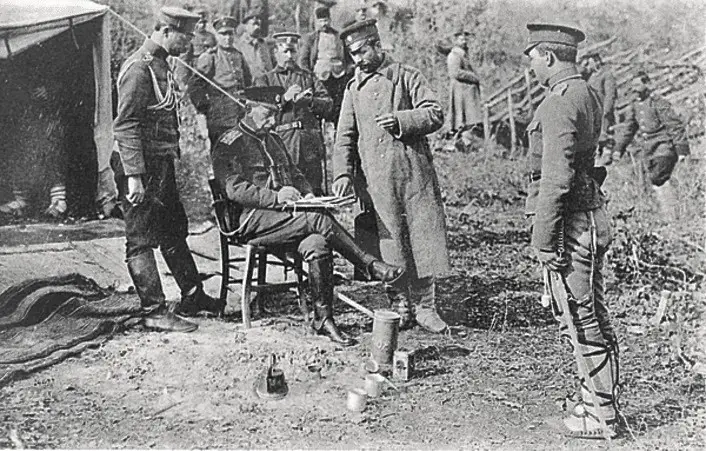
The First Balkan War began in October 1912. Serbia advanced, taking advantage of the vacuum left by the crumbling Ottoman Empire, towards the invasion and occupation of Kosovo and the Dibra region, which now lies on the border between Albania and Macedonia. This happened at the end of October and beginning of November of that year. While the Great Powers recognized Albania as a Sovereign state on July 29, 1913, Kosovo, Dibra, Ohrid, and Bitola remained under Serbian military rule, and on September 7, 1913, King Peter I of Serbia declared the annexation of the occupied territories.
Official report presented to the Great Powers
We are the first to present the complete list of killings carried out by the Serbian army in the Region of Dibra, Lower Dibra and Lumë, located in northern Albania, after the amnesty of last October granted by the Belgrade government, massacres committed after the revolt of the Albanian highlanders. This is a document of extraordinary importance and has now been sent to the government of one of the Great Powers by its plenipotentiary representative, who personally compiled it, with notes and names of the places of killings and terror. Here is the full version of the official report.
The Region of Dibra
In Klos, Serbian bands have slaughtered Ahmet Ali and his brother, as well as Nezir Sulejman and Mehmet Salih. The entire village has been looted.
In Valikardhë, in broad daylight and in the presence of all the inhabitants, Ymer Halili, Osman Qira, Qerim Zejneli, Ismail Alushi and Sul Hoxha (Muslim cleric) were bayoneted and turned into unrecognizable corpses. Their houses were burned after first being looted.
In Peladhi, house-to-house searches were carried out under the pretext of looking for weapons. Many houses were looted. Hasan Pataj’s house was burned and the owner had his throat cut in the presence of his elderly mother, wife and children.
In Krajkë, Muharrem Dervish’s house was burned after being looted.
In Zerqen, all the houses were looted and burned. In Sopot, the entire village was destroyed and looted. Many houses were burned. All the animals were stolen and the following persons were bayoneted: Ali Kamberi, his servant, Hamza Disha, and Salih Selimi.
In Dibra (town), a few hours before the attack by the highlanders, the local prefect and military commander arrested eighteen leaders of the town, who were executed without trial: Ramiz Karanfili, Sheh Husejni, Numan Hasani and Safet Bej. The others survived thanks to the entry of the highlanders into the town at that time, and the Serbian army was forced to flee in haste. When they returned to the town, the Serbs looted the entire town and took with them over one million Turkish lira in stolen money. Many houses were burned, especially those of Ali Beu, Rakip Qatibi and Kurtish Aga.
With unprecedented brutality, the Serbs also massacred many other people, among whom there were also those who were minding their own business and not taking part in the uprising. Among the massacred were: Kurtish Aga, Behgjet Efendi, Haxhi Syreja Efendi, Reshid Efendi Kusari and Sadullah Strazimiri. At this moment, the town of Dibra is simply deserted, because the inhabitants have fled to the mountains. Only two or three hundred people of both sexes remain in the town.
In Gjoricë, one day after the visit of an officer sent by the Austrian government, who was passing through and verifying the withdrawal of the Serbian army from the region, the Serbs reappeared in the village and killed a woman and a five-year-old child. They also wounded another woman.
In Homesh, only three of the village’s 150 houses are still standing. All have been burned, after being looted. After they had surrendered, the Serbs killed: Musa Ismajli, Shemsedin Bajrami and Halit Sulejmani, who had returned to the village after the amnesty. The first time they took 1000 head of sheep, 150 head of cattle and 40 horses. The second time, they took 50 head of sheep, nine head of cattle and nine horses.
In Shupenzë, after robbing the houses and taking valuables, the Serbs massacred: Ali Myslimi and his brother Abdiu, Hasan Abazi and Dalip Elmazi. In Okashtinë, only one house remains standing out of 74. All have been looted and burned. Two men named Ferhat and Nazif were bayoneted. All the animals were taken.
In Topojan, a village with 68 houses, there was general looting and burning. A man named Abdullah Xhaferri had his throat cut because he was unable to pay the five Turkish liras (115 Italian liras) demanded as tribute by the commanding officer of the detachment. The Serbian soldiers took all the animals with them.
In Kovashicë, Malik Bajrami, Aziz Haxhi, Ahmet Ramadani, Leka, Destan Jashari, Sejfedin Elezi and Sulejman Ramadani were massacred. 150 head of sheep, 41 head of cattle and 13 horses were stolen. A man named Rashid Rexhepi was spared from being killed only because he paid a tribute of 150 Turkish liras (about 3450 francs) to the Serbian detachment commander.
In Gjuricë (village near Topojan), 14 men were massacred. Two women were also killed: Naile Seferi and Zemane Ibrahimi, as well as young boys: an 8-year-old named Ismail Mehmedi, a 10-year-old named Bajram Elezi, a 7-year-old named Rrahman, a twelve-year-old, one named Hasan Ali and the other Elias, and the daughter of Husein Coka.
In Golevishtë, the entire village was looted. 74 houses were burned and two men, one named Halil Numani and the other Nuredin Mustafa, had their throats cut. As for the animals, the first time the Serbs took 1000 head of sheep, 30 head of cattle and 35 horses, and the second time 23 horses, 40 head of cattle and 500 head of sheep.
In Kërçisht, two single Muslim houses were burned. Then 60 head of sheep, two bulls and four cows were stolen. In Bllatë, the Serbs burned 75 houses and massacred Rexhep Lleshi, together with his brother Abdiu and his young son Bajrami, as well as the wife of Islam Kuarana. The village was completely looted and the remaining animals, 90 head of sheep and 50 head of cattle, were taken.
In Zogjaj, the village was looted of all its goods. The winter wood and the animals were taken. The Serbs destroyed 124 houses and, while the fire turned everything to ashes, they threw the following people alive into the flames: a woman named Rihane, two girls named Fazile and Myslime and a 7-year-old boy named Bajram. They also bayoneted Haxhi Myslimi, Nezir Azizi, Halil Numani and Zenel Hasani. Returning to Zogjaj for the second time, the Serbs massacred: Musafa Myslimi, Aziz Jusufi, Adem Shabani and Edin Nurka. They also stole seven cows and six sheep that had survived the first looting.
In Maqellarë, 10 houses were looted and burned. Moreover, the Serbs bayoneted: Elmaz Selmani and his son Selman, Malik Rexhepi and his son Murat, Hasan Sulejmani, Abdullah Qehaja, Hajredin Hasani and his three sons Ymer, Ramiz and Tevfik, his brother Rakip, his father Hasan; Rrustem Mehmeti, Numan Shemsedini, Ramadan Bajrami and Ejup Edhemi. The other inhabitants of the village were forced to bring 50 head of cattle, two cows and 113 goats in order not to be massacred.
In Poçest, the Serbs killed Muharrem Muharremi and his son Behgjet. They took 100 head of sheep and nine head of cattle, as well as 150 Turkish lira (about 3450 francs) that they found in the villagers’ pockets.
In Kërçisht i Poshtëm, the Serbs robbed Mehmet Ejup’s house after cutting his throat in front of his family.
In Çerenec, they burned 23 houses and massacred Hasan Abazi, together with his wife, Ramadan Salihu and Rrustem Sulejmani. They robbed the entire village, taking with them all valuables, supplies and animals.
In Bllacë, the entire village was burned after being robbed. The inhabitants were indiscriminately sabered, so it was impossible to compile a list of victims. When they returned to Bllacë, the Serbs saw that they had left behind 250 head of sheep, 37 cows and 28 horses, and they massacred the shepherds. In Spas, they looted all the houses and burned ten of them. They took all the animals they could catch, 150 head of sheep, four horses and 13 head of cattle.
In Klobuçishtë, after looting all the houses, they then set them on fire. Thirty houses turned to ashes. Likewise, in the presence of the villagers, they killed: Adil Bilhali, Ahmed Abazi, Mustafa Murtezi, Xhelaledin Destani and his brother Musa, Hajredin Maksuti, Lutfi Fejzullahu, Reshid Murtezi and his son Fetah, Gazanfer Zejneli and others. The Serbs also stole 150 sheep and goats, 11 other head of cattle, and a donkey.
In Pulçishte (Poçest?) the Serbs took 103 head of sheep, 15 head of cattle, 14 horses, seven donkeys and 65 Turkish lira (about 1500 francs). When they returned the second time, they captured and took another five sheep, 10 head of cattle and one horse.
In Obok, the entire village was looted and the village leader, Ramadan Bajrami, had his throat cut. The first time they passed, the Serbs took a flock of 120 sheep and, the second time; they took 25 sheep, two bulls, one horse and two donkeys.
In Pesjakë, they burned and destroyed all the houses. Of the inhabitants, they killed: Jahja Ismajli, Malik, Mahmut, Sejfullah, Abaz and Vehbi Sulejmani. The Serbs also took with them 14 head of cattle, 50 sheep and a donkey.
In Erebara, the entire village was looted and the following persons were massacred: Ibrahim Osmani, Junus Kurtishi, Xhafer Demiri and Destan Ishaku. They also took with them three horses, a donkey and eight head of sheep. They took a flock of 150 sheep from Shukri Beu, from a pasture near the village.
In Vojnik, the Serbs looted and burned all the houses, 51 of them, and while the flames were consuming the village, the Serbian soldiers bayoneted whoever they found. Among the victims were Sinan Ibrahimi, Nazif Numani, Ali Selimi and Idriz Shabani. Moreover, a woman named Shame was tortured and had her throat cut in front of her children. All the animals, 100 head of sheep, eight head of cattle and nine horses, were taken.
In Allajbegi, the Serbs looted the entire village and burned 65 houses. They massacred the following persons: Ibrahim, Zejnel Dalipi, Salih Ahmeti, Ali Selimi, Hajdar Shabani and his brother Hajredin, Hajredin Muça, Ali Osmani, Numan Elmazi, Sejfedin Selimi, Zejnel Saipi, Salih Sulejmani, Fazli Abazi and the women: Shame, Qamile, Alie, Nimetallah, Hibe, Zaide, Fatime and a five-year-old girl. All the animals from the surrounding pastures were stolen and taken.
In Avalan, the village was looted and four houses were burned. The village headman, Ismajl Ismajli, had his throat cut, and the animals, 90 head of sheep, 6 horses and 1 donkey, were taken.
In Çankë, after the village was robbed, nine houses were burned. Of the village inhabitants, the following were bayoneted: Beqir Rrustemi, Husejn Abazi, Shahin Numani and Zejnullahu. They also took with them 13 head of cattle.
In Kovaçicë, the entire village was looted and 32 houses were burned. Those massacred were: Elias Dauti, Nuredin Nurçe, Salih Osmani and Zejnel Troza. The Serbs took two bulls, 30 head of sheep and nine cows.
In Bllatë e Eperme, the entire village was looted and 18 houses were burned. Abdul Azizi and Abdurrahmani were the only victims of the Serbs. Moreover, 42 head of sheep and two horses were taken.
In Bllatë e Poshtme, 25 houses, after being looted, were turned to ashes. A man named Ali Bllata and both his sons died in the flames. The Serbs also took 30 head of sheep, four cows and three horses.
In Lishan, after the village was looted, it was entirely burned, and all the animals found in and out of the stables were taken.
The Region of Lower Dibra
In Rabdisht, the village was looted and completely destroyed. 38 houses and nearly 30 stables were burned. 65 men were massacred, as usual with bayonets. Moreover, among them was a 6-year-old boy, the son of the local leader, who was thrown alive into the flames. The Serbs also took with them 400 head of sheep, 150 goats, 60 cows and 22 horses. Searching the pockets of the inhabitants who had been spared from death yielded 20 Turkish lira (about 450 francs), which the Serbs confiscated.
In Zimur, the Serbs looted and burned seven houses. They bayoneted: Ahmet Shabani, Mulajm Elmazi, Sulejman Zeqiri, Veisel Rizaj and Salih Shabani. The animals were taken, numbering 245 head of sheep and 12 bulls.
In Staravec, the entire village was looted and 42 houses were turned to ashes. The victims were: Husejn Muça, Reshid Rrahmani and a woman named Zobejda. The Serbs caught and took 300 sheep and goats, 30 other head of cattle and four horses.
In Bahutaj, the Serbs forced Ramadan Mehmeti and his companions to stand at attention and then cut their throats. They took 10 horses.
In Tomin, the village was looted and two houses, the teqe and the mosque were burned. Mazllum Jusufi and a ten-year-old boy were bayoneted. All the animals found were taken.
In Dohoshisht, after the village was looted, 55 houses were burned. Among the victims who were horribly massacred, one could recognize the bodies of Malik Bajrami, Ramadan Ahmeti, Ymer Sadiku, Zejnullah Hasani, Halil Junuzi, Musa Bajrami and Shaban Halili. The Serbs also took with them 400 head of sheep and 200 horses.
In Zagrad, the soldiers destroyed eight houses and stole four horses.
In Bellovë, the Serbs looted the entire village and took everything they could carry.
In Grazhdan, 22 houses were looted and burned. Aziz Shemsedini, Hasan Zekiria, Xhafer Jusufi, Emrullah Mahmuti, Mon Beqiri, Hasan Durmishi, Rrustem Hasani and his brother Zekiria, Bexhet Nuri and his wife, Ismail Xhelili and his son Elias, Elez Hasani, Emrullah Demiri, Sinan Xhaferi, Aziz Kurteshi, Maksut Numani and Ferhat were bayoneted in front of their families. The Serbs also took all the animals.
In Muhurr, they looted all the houses and burned 14 of them. When they passed the first time, they took 200 head of sheep, 100 lambs, 30 cows and 15 horses, as well as over 300 Turkish liras (about 7000 francs) that they found in the inhabitants’ pockets. When they passed through the village the second time, the Serbian troops stole 10 sheep and one horse. They also bayoneted eleven village leaders.
In Luzni, all the private houses were looted. The Serbs then destroyed five main houses. They took all the animals they found in the stables, over 1500 sheep and goats and 200 other head of cattle. The human losses, killed by bayonet, are 45 people, whose names have been carefully verified and recorded.
In Çetush, four houses were burned and the following persons: Asma Hasani, Zejnel Shabani and Osman Numani were massacred. Three horses were stolen.
In Brezhdan, the Serbs looted and burned 17 houses. They massacred the following persons: Abedin Osmani, Shahin Mehmeti and Salih Kadriu. They also took 25 horses.
In Ushtelencë, the entire village was looted and thirteen houses were turned to ashes. The following persons were massacred: Numan Rrustemi, Muslim Zeki and Mehmet Gota. 17 horses and six bulls were also taken.
In Deshat, the Serbs burned 15 houses and threw a ten-year-old boy and two women alive into the flames. They stole 50 head of cattle and 500 head of sheep.
In Sohodoll, they burned three houses and massacred four men: Abdullah Abedini, Tusun Dalipi, Sulejman Bahtiar and Dalip Ismajli, as well as a woman named Belure and her six-year-old son named Mazllum. They also stole 200 sheep and 30 horses.
In Borovjan, the Serbs burned two houses and cut Rrustem Muharrem’s throat in front of his family. They also took 27 head of cattle, 119 sheep and five horses.
In Rashnopojë, they completely looted the houses, but could not burn any of them. They cut the throats of six leading villagers: Bajram Mehmeti, Malik Rakipi, Selman Rakipi, Behgjet Behluli, Osman Azani, Hajredin Maliku, and stole 20 bulls.
In Cerjan, the Serbs destroyed houses and killed three men: Fazli Sulejmani, Jashar Hejbati and Bektesh Asllani, and one woman: Zobejda. They took 14 horses and 60 head of sheep. In Pilaf, all the houses were looted and five of them were burned. The Serbs bayoneted Dalip Ramadani in front of his elderly mother.
In Pilaf-Mahallë, they looted all the houses and destroyed eight of them. They killed Hasan Fetahu, Salih Jusufi and his six-year-old daughter Fatime. Moreover, the Serbian soldiery threw young boys, a 6-year-old named Shukri and a 4-year-old named Hasan, into the flames. They took 100 head of cattle, 200 head of sheep and eight horses.
In Pollozhan, the whole village was looted and three houses were burned. Here there were eleven victims: Hajredin Vehta and his brother Azizi, Jusuf Uka, Hajredin Shkurti, Husejn Zejneli, Hajredin Halili, Said Pasha, Emin Shahini, Elez Numani and his brother Osmani, and the latter’s son. As for the animals, they took 50 head of sheep, 12 bulls and four horses. In Glliçë (Blliçe?), all the houses were looted and five of them were burned. The Serbs cut the throats of three men (Xhafer Rrustemi, Destan Hasani and Xhemal Salihu) and one woman (Ajshe). They took 250 head of sheep and 30 horses.
In Limjan, the entire village was looted. Among the inhabitants who were bayoneted were Hasan Shahini, Sejfullah Ibrahimi, Abdurrahman Fetahu, Qerim Sadiku and Bajram Xhelili. They also took 200 head of sheep, 20 cows and 10 horses.
In Peshkopi, after all the houses were looted, 57 of them, including the most important, were burned. Those massacred were: Xhelaledin Abazi, Ali Ymeri, Xhelman Selmani, Hasan Arsllani, Hajredin Shabani and Murat Demiri. 180 head of cattle, 450 sheep and goats, 15 mules and 20 horses were taken.
In Trepçë, the village was looted and Zejnullah Ahmeti was brutally cut down in front of his family. Two horses and 57 head of sheep were taken.
In Çidhën, thirty houses were turned to ashes. Three men were among the victims: Kitan Keloshi, Hasan Hani and Asllan Sadiku. 500 sheep and goats, 200 head of cattle, 13 horses and three donkeys were taken.
In Renz, the Serbs destroyed five houses, cut Zëjnel Ahmeti’s throat on the staircase, and took 100 sheep and goats, 12 cows, and 5 other animals. The account of the massacres carries with it the terrifying list revealing the martyrdom of Albanian youth. The details are also provided with the killings committed in other parts of the Lower Dibra Region of northern Albania, such as:
In Dipjakë, general looting where a man named Beqir Sulejmani was killed and where the inhabitants paid a tribute of 45 Turkish lira to the Serbian commander to stop the massacre. But, they took all the animals.
In Venisht, looting and destruction. Beqir Asimi and Idriz Tahiri had their throats cut, and all the animals were looted.
In Sllatinë, 30 houses were destroyed. Bahtial Idrizi was burned alive and 1,365 head of cattle were taken.
In Trojak and Velështë, 41 houses were turned to ashes. The following persons were killed: Zaim Idrizi, Abas Huseini and Salih Kadri. 660 animals were taken.
In Kallë, 30 houses were burned. A woman named Daveshe was thrown alive into the flames. Bajram Rrustemi had his throat cut on the stairs of his house. They took 576 animals.
In Sllovë, there were no victims, because the population had not trusted the Serbian amnesty and had fled to the mountains. The village was completely looted, 32 houses were completely burned, and 319 animals were taken while grazing.
In Dardhë, general looting. Two victims: Nuredin Sulejmani and Ramadan Sinani. 380 animals were taken.
In Reç, general looting and taking of 600 animals.
In Shumbat-Palaman, looting, destruction of eight houses. Three women, Rihane, Selvije and Ajshe, and three men, Jusuf, Bajram and another Bajram, were killed. Over 1,340 animals were taken. […] Taken from the daily newspaper, “Corriere delle Puglie”, Bari, XXVI, 354, December 21, 1913. Memorie.al