
By Msc-Kristinë Dedaj
Part One
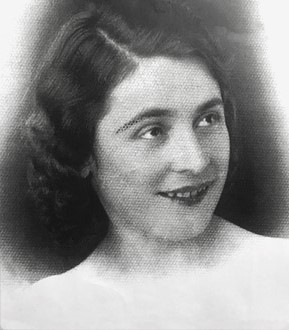
Memorie.al / Marie Shllaku left indelible marks on the life and mind of the Albanian people. This emblematic icon remains one of the irreplaceable figures in the history of our nation, from the time she acted until today as a fiery patriot whose aim was ethnic Albania. Her work, life and activity as a patriot left marks, enriching the bright epoch of the history of the Albanian woman in the struggle for freedom and national liberation and unification. History is the teacher of life, therefore life speaks about the person, time speaks about the years, and the person with work and sacrifice leaves marks in history. Such was also Marie Shllaku who, even though young in age, found her everywhere where necessity demanded, to carry out the duties she had given herself alongside the patriots of our national cause. The courageous heroine with her work and contribution showed us that she was a brave woman, strong and indomitable, who did not fear even death.
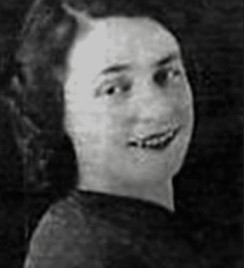
Marie Shllaku was born in the city of Shkodra on October 22, 1922, where she also received her first knowledge in the convent of the Stigmatine sisters. Then she continued her studies at the University of Rome in the branch of philosophy. Marie Shllaku mastered several languages: French, Italian, German, Greek and a little also in the Serbo-Croatian language. This devoted patriot was very quickly admired by the people in Kosovo. Her figure I can describe as a very intelligent and visionary girl, beautiful, an orator, agile and very courageous.
Marie Shllaku was integrated and lined up in the ranks with the most devoted patriots of that time such as: prof. Ymer Berisha, Ndue Përlleshi, Shaban Dema, Ukë Sadiku, Alush Smajli, Shaban Polluzha, Ndrecë Nikolla, Mehmet Gradica, Zef Gjidoda, Adem Shala, Feriz Boja, Qazim Bajraktari as well as many other patriots who acted for the national cause and in no way agreed with the occupation of Kosovo and other Albanian territories in former Yugoslavia.
Marie Shllaku served for a time as an assistant in the Cell of Gjergj Fishta and then as secretary of the patriot Iliaz Agushi in 1942 in the Ministry of World Affairs and during the years 1943-1944 she was secretary of the Minister of Internal Affairs ing. Xhafer Deva. She cooperated with all political forces that with dedication were and kept our lands that our ancestors left us. Marie Shllaku with what she did for the homeland remains for us the Albanian Orleans.
At Bernard Llupi, the patriotic priest from Shkodra who at that time was a parish priest in Peja, introduced the patriot Marie Shllaku to the brave man of Dukagjin, Ndue Përlleshi, who at that time was the head of the commune of Budisalc of the Lugu i Drinit. A meeting was organized those days also with the population of this area in Budisalc, where at that meeting Marie Shllaku also spoke. After a few days in the village of Krushevë e Madhe in the room of Ukë Beka, the brave heroine held a speech near the Flag where she called on the population of these lands to rise in an uprising against this savage Slavo-communist occupier.
The eagle of our mountains, Marie Shllaku, was wounded by the savage and bloodthirsty Slavo-communist forces in the village of Gllogjan in Lugu i Baranit, where our brave men and patriots would shelter her in the tower of Pjetër Toma from Doberdol, until Maria recovered. In the winter of 1945, in Rrezallë of heroic Drenica, many men gathered such as: prof. Ymer Berisha, Shaban Polluzha, Mehmet Gradica, Ukë Sadiku, etc., and the only woman, Marije Shllaku. In this assembly the brave warriors swore and agreed that they would fight to the death to realize the liberation of heroic Kosovo. Among those who held speeches that day was also the speech of the heroine Marie Shllaku which would later be remembered by the investigator:
“All Albanian brothers, with all forces must fight Slavo-communism, to remove the Yugoslav partisans from Kosovo, for every bridge they have filled with Albanian heads.” Where then she would add: “The partisans of Serbia are being helped by the partisans of Albania…! Albanians must not go and fight in foreign land.” The merit of the reconciliation and unification of the two commanders, Shaban Polluzha and Mehmet Gradica, belongs to the heroine Marije Shllaku. These two brave commanders, from that day they pledged until they fell heroically, were no longer separated from one another.
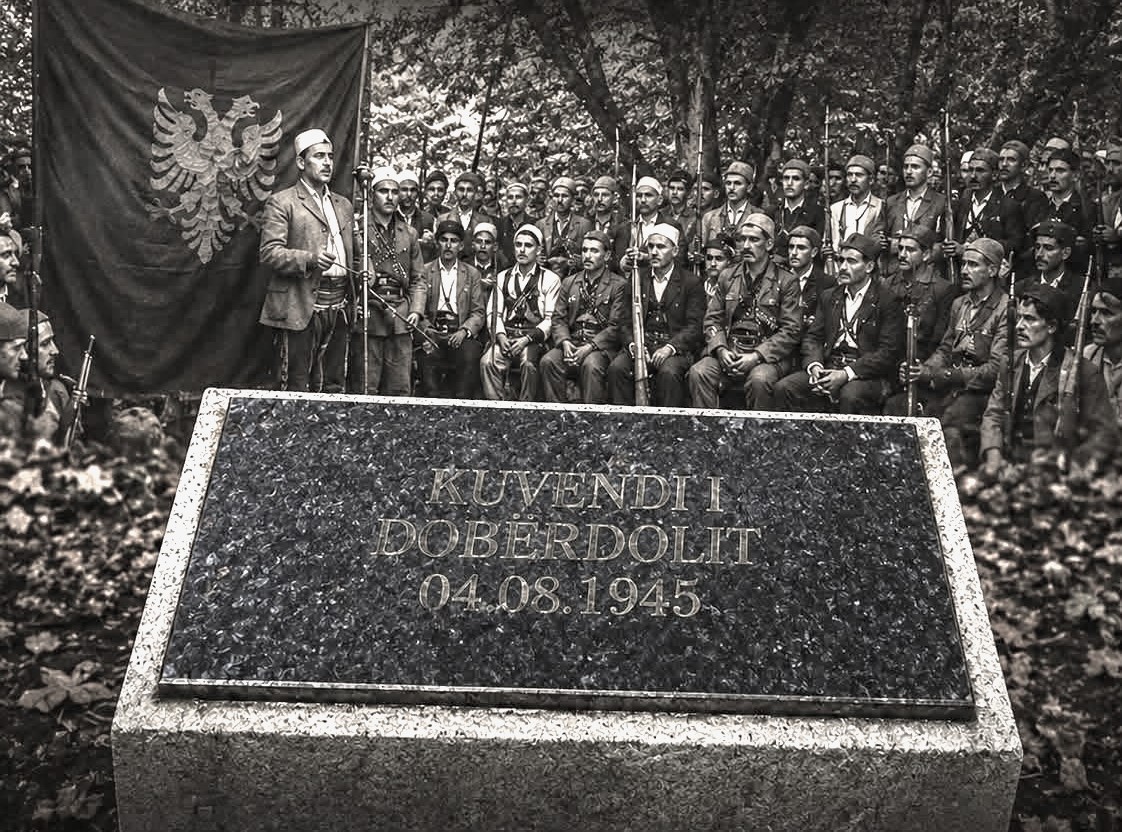
On July 4, 1945, the Meeting of Plloçica was held in which important decisions were taken where it was also decided to hold the Assembly of Dobërdol. It was the initiative of prof. Ymer Berisha and many other activists of this movement to hold, on August 4-5, 1945, the Assembly of Dobërdol, or as it was otherwise called “Besa Kombëtare” or as it was known among the people as Llugat e Dan Pjetrit, which had a great echo in Albanian circles. This Assembly gathered around itself somewhere around 2000 warriors.
In this important historical event many brave men of that time took part such as: Ukë Sadiku with his brother Shaban and son Skender, prof. Ymer Berisha, Marie Shllaku, Ndue Përlleshi with his brother Zef, Bajraktari of Uça, Zef Gjidoda, Feriz Boja, Qazim Bajraktari, Ferat Kotorri, Kolë Bibë Mirakaj, Prekë Shyti, Ali Meta, Adem Shala, Mehmet Aga of Rashkoc, Alush Smajli, Demë Ali Pozhani, Adem Shala, etc.
A great role in this important event was also played by the brave Alush Smajli – Qerraja (1899 – 1946), who in addition to his warriors, also brought with him the National Flag (eight meters long) and placed it on the Dardha e Madhe and assigned honor guards during the entire time that important historical Assembly was held, gathered around himself also an officer from Albania, a German officer and an English officer.
Their participation was of great interest since here was also seen the importance of this Assembly and the seriousness for an even more organized resistance of the Albanian insurgent detachments against the partisan-chetnik forces in Kosovo. In this Assembly the position was taken to form the presidency which would consist of twelve people which later would be called: “12 Councils” of the Assembly of Dobërdol.
Marie Shllaku, in addition to participation, was also the ideator and proceedings-keeper of this great historical assembly with the aim of organizing for unification with Albania and all the territories where Albanians lived. For the purpose of a better organization in this assembly it was decided to fight for the liberation of Kosovo from the Serbo-Slav and communist claws and to achieve national unification. The Assembly chose Ukë Sadiku as leader of the military sector, while Prof Ymer Berisha as leader of the political sector.
In the investigation, Marije Shllaku would remember her important speech: “Sister wishes to die with you and you with her! Only surrender to the Slavo-communists do not do as long as we are alive! Better to die with women and children and see how they want than for the Serb to cut us! But soon we will win!” And the men replied: “You Albanian sister have helped us in the most difficult times. You accepted death with us, and we too accept death with you! Long live our sister.”
For participation in the Assembly of Dobërdol, for sheltering the outlaws and for supporting the national movement and an ethnic Albania, the leaders of this Assembly and many activists of this area were sentenced to many years of imprisonment. Their houses were systematically plundered and burned, their families were maltreated and genocidal acts were committed against them.
The ideal of Marie Shllaku was to see Kosovo free, the unification of Albanians within ethnic borders and the creation of a strong Albanian state, that is, of an Ethnic Albania. Finally it can be said that in the Assembly of Dobërdol, a very important and special event of our history had occurred because in that Assembly gathered for the first time the leaders of the Movement for the Unification and liberation of the Arbërian lands. For the last time the all-Albanian forces and energies were put to the test to organize a war against the Serbo-Slav enemy.
Our well-known publicist and researcher, Tomë Mrijaj, in the book “The Genesis of the Mrijaj Family Through the Centuries,” unfolds for readers some of the memories that his grandmother and father told him during the one-week stay of the heroic falcon Marie Shllaku in their home.
“With the arrival of her father Mark Simon Shkreli from Shkodra to Kosovo, sent by the forces of the State Security of Albania to convince his young daughter to give up her patriotic path in the mountains with the nationalist detachments of Kosovo. The friar of Peja at Bernard Llupi, had directed her father Mark Simon Shllaku to Father Tomë Xhaja, the friar of the church of Zllakuqan, and the latter as a safe shelter for the patriotic heroine had chosen their home.”
“During the day when the family members worked the agricultural works in the planted fields, Maria spent the day conversing with her father. They were truly exciting moments and I rejoiced when I saw them conversing warmly, father and daughter, the noble grandmother recounted. I never forget the day of separation between the father and his young daughter. Many tears shed the man from Shkodra Mark Simoni for his daughter. Maria, like a mountain man-woman, remained strong until her father left. She, thinking of her father, began to cry with sobbing that I thought her heart was coming out of her chest.”
Thus, the house of Nikollë Pren Mrijaj from the village of Zllakuqan of the commune of Klina, was the hearth where the legendary heroine of the ethnic lands Marie Shllaku together with her father were warmly received. Marie Shllaku as a sign of respect and kindness to Grandmother Liza Mrijaj gave the flag of Gjergj Kastriot – the national flag.
The “Albanian Amazon,” Marie Shllaku loved Kosovo very much where she took part in many fighting actions. The day of September 12, 1945 was a heavy and black day for our warriors and for the peasants of this area, because in Çeli of Jellovc, a village of the commune of Klina, fierce fighting took place against the savage Slavo-communist forces. During this clash that lasted for hours, our brave men were not dosed.
So, that gloomy September night with their pure blood, the killed soldiers of the detachment of Prof Ymër Berisha and Ukë Sadiku washed the re-occupied land of heroic Kosovo. In the battle of Çelia e Siçeva, the Detachment of the well-known commander Ukë Sadiku from Gjurgjeviku i Madh was annihilated. Those brave men who fall fighting on the altar of freedom for the realization of national ideals will rise again.
Sadri Hoti was killed, the nephew of Ukë Sadiku – Isufi, Smajl Hajdari, Rexhep Ademi, Sadik Lutani, Zefi with his son, Metë Dina, etc., while Alush and Murat Smajli, Marije Shllaku, Ali Meta, etc. were wounded. However, from the enemy side too there were many killed and wounded. From the Valley of Çeli came out alive from the Detachment of Ukë and Shaban Sadiku, but with many severe wounds on their bodies, eight warriors: Commander Shaban Sadiku, Ali Meta, Musli Hoti, Marie Shllaku, Alush Smajli, Rexhep Ismajli – Kapter Rexhepi, Ali Zeqiri and Sokol Ahmeti.
Songs have also been sung about this event of historical importance. In our rooms the rhapsodists sang to the heroes and those songs are still transmitted today generation after generation. The rhapsody elevated the personality of the heroine and the brave warriors with these lines:
“What does Çelia have that resounds?
Shaban Sadiku is fighting.
In Çeli together with the Church,
Shaban Berisha is fighting.
Shaban Sadiku is fighting,
He himself the sixth from Gjurgjeviku.
You raised Sadik Rama,
He has no equal in the entire Balkans.
You raised Ukë Sadikun,
Like a lion in the Mountains of Gjurgjeviku.
Always at the front he has faced the enemy.
You raised Shaban Sadikun,
Always a terror he was for the enemy.
You raised prof. Ymer Berishën,
In all Albania they don’t find his pair.
Marije Shllaku – daughter of Shkodra,
Among brothers like a star of light,
Just like in the mountains of Drenica,
She resembles Shote Galica to me.
From Çeli to Shapi,
Where Marie Shllaku is going,
May drops of her blood flow on the ground,
Strongly from bullets her body was pierced.
Maria callas: -Pjetër, oh brother?!
Has anything remained anywhere?
No, oh sister, we have killed them all!
For what brave men Albania has
Neither the king nor seven kingdoms have them”
Even the wounds received on her body did not defeat the young and courageous heroine, who managed to break through the encirclement. During this time the brave nationalists, even though Kosovo was occupied by the Serbo-Montenegrin forces, did not kneel nor retreat because they had the population in their aid. The Albanian heart held them and a firm decision of theirs: either they would live in a free Kosovo united with Albania or all would die.
Marie Sllaku, thus wounded, sheltered in a house of the village but after a few days fell into the hands of the enemy. Unfortunately, the young girl after a few days in Açarevë while traveling to the village of Dobërdol, on the road meets a scoundrel from the village of Açarevë who hands her over to the OZN, this infamous Slavo-communist organization in Skënderaj.
After she was arrested by the infamous communist forces, a heavy stage and many more vicissitudes began for the Albanian heroine because she is sent to the infamous prison of Mitrovica where she experiences maltreatment from the savage Slavo-communist beasts: Gojko Medenica, Spasoje Gjakoviqi and the traitor Nazmi Kursani and is then sent to the court of the city of Prizren.
Against this heroine the heaviest methods of torture were used, so much so that they promised her that if she spoke she would also be released, but the falcon was not defeated for a single moment and did not utter a single word from her mouth. A kidnapping was staged as if by “the ballists of Ymer Berisha” and they send her to an isolated place for many days. They work on her with the game of letters supposedly about Prof Ymer Berisha and the priest of Peja, At Bernard Llupi.
The day of June 29, 1946 for the beautiful city of Prizren was a sinister day, because before a panel of Slavo-communist judges twenty-seven people would sit on the defendants’ bench accused because they love their country and is Albanians. Toward the end the young high school students of Peja. And at the very end the smallest, in age and in stature, the reminder of this event Shefqet Kelmendi, who says it was an honor and a special pleasure for me.
So, the judicial process of Marie Shllaku took place in the city of Prizren on June 29, 1946, where it lasted until July 13, 1946, while they took the decision two days later on July 15, 1946. The general prosecutor was the anti-Albanian communist, Ali Shukria, who requested that this “young flower” be sentenced to shooting, only because she wanted ethnic Albania.
In this judicial process that day death sentences were also pronounced for three of her fellow fighters, namely, for At Bernard Llupi, Gjergj Martini and Kolë Parubi. The martyrs of Shkodra were shot by the enemy but their ideal they could not stop. While for the twenty-three other prisoners a sentence of imprisonment from 1 to 20 years was given.
The day of November 25, 1946 for Prizren and all the ethnic Albanian lands was a day of mourning because that day the four martyrs of ancient Shkodra were shot: Marie Shllaku 24 years old, At Bernard Llupi 60 years old, Kolë Parubi 41 years old and Gjergj Martini 29 years old, whose graves are not known to this day.
The heroine Marije Shllaku, for prof. Ymer Berisha was a synonym of how the Albanian woman had the virtue of: pride, bravery, knowledge, loyalty but also of love for the homeland. She was the “Orleans” of Shkodra, she was the “Janica” of Suli, she was the “Shota” of Drenica, she was the “Illyrian Teuta”! Therefore he honored and appreciated this girl more than if he had her as a sister and felt deep pain when he learned of her tragic fate. / Memorie.al
Continues in the next issue