
By Luljeta Progni
Memorie.al / “…I worked in cotton thinning… a job I did not find difficult to learn, because I had the nimble finger movements from the piano…”, is a sentence taken from the account of an elderly woman, Suzana Hoxha, about a difficult time in her life. The time when she was interned in Savër of Lushnja. She had been a Solfeggio teacher at the Tirana Lyceum and because of the persecution of her family, together with her two sisters, her mother and father; they were forcibly expelled to a village in Lushnja, where the families of “enemies of the people” had been confined. Precisely at that time, when Suzana was forcibly made to live in internment in Savër and to pick cotton also by coercion, a distinguished cotton picker, comrade Lenka Çuko, was transferred to Tirana and appointed a leader at the highest level of the communist dictatorial state.
They are two parallel fates that show exactly the history of Albania in the century that passed. They tell us why Albania is a country without democracy, where the time of dictatorship has left almost irreparable consequences, where freedom of the vote does not exist, where elites come precisely as a result of vote theft, they tell us why in our country the role of intellectuals in the development of society is entirely absent. Below we will tell the journey of Suzana from the Lyceum toward the cotton fields and that of “comrade Lenka” from the cotton fields toward the highest offices of the communist state, in the Politburo and the Central Committee.
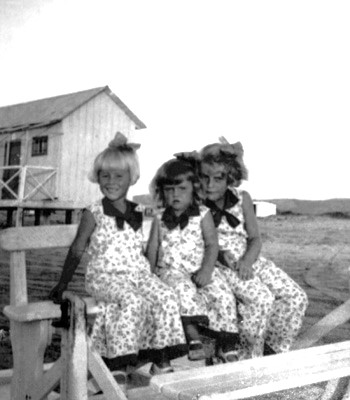
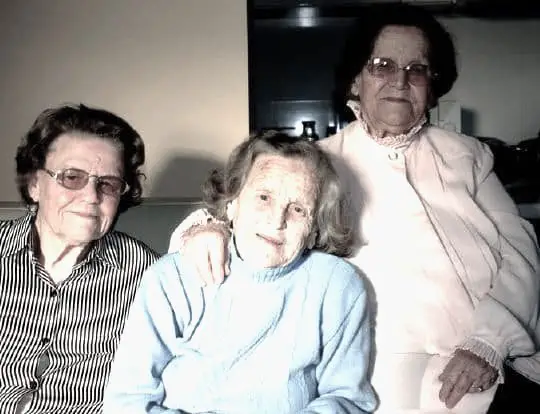
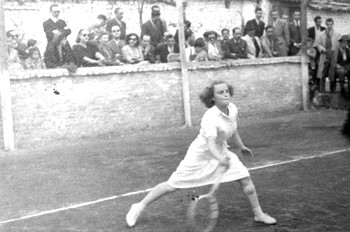
When Suzana was condemned to live in Savër of Lushnja, she forgot the piano forever and adapted to cotton leaves. Her sister, Handani, forgot the tennis courts, where she had practiced with passion the elite game, as the first Albanian woman in the field of tennis… the youngest, Nermini, also forgot the beautiful hours of learning foreign languages to also adapt to cotton, to the muddy canals in Savër of Lushnja. In an interview conducted in 2013, by journalist Ani Jaupaj, Suzana and her two sisters recount the painful story and the 30 years of internment in Savër of Lushnja.
The Internment
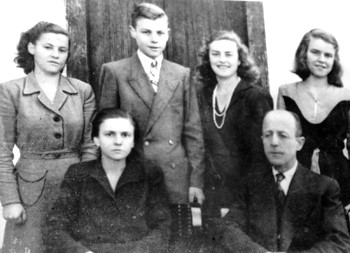
It was the end of 1959, when a military-colored truck appeared in front of Ali Bega’s house in Tirana. In the basement of that house, the family of Vehip Hoxha, the distinguished banker of Tirana, had been living for several years. Vehip Hoxha had been director of the State Bank in Tirana.
Educated in Istanbul and a knower of 4 foreign languages. He was also known as one of the most beloved teachers in Gjirokastra. The police descended furiously from the truck at the door of the house and began to forcibly bring out from there Vehip, his wife Ane and the three daughters, Handan, Suzana and Nermin Hoxha. The car was loaded with the rags that had remained to the family, because of the confiscation of all properties.
Then it set off on a long road with the destination a village in Lushnja. It was the village of Savër, the place where the families of the enemies of the people’s power had been gathered, as the dictator described all the intellectuals of Albania. Vehip Hoxha’s family was being interned for many reasons, the first because they were among the richest people of Albania at that time, intellectuals as well, but also because Vehip’s son, Asafi, had escaped outside Albania.
Asaf’s escape would make even more difficult the life of Vehip, his spouse Ane and their three daughters. Vehip Hoxha had been a bank director in Korça, when the dictator was studying at the French lyceum of this city. He had known the dictator since he was a child because he had given him language lessons. Even during his stay in Korça he had supported him as he was also a man of his clan. Later, Vehip Hoxha had been transferred to Tirana as a high official in the National Bank.
It was one of the most developed and richest families of the capital. Vehip’s three daughters took private lessons in foreign languages, took private lessons also in sports and music. Handani had been trained since childhood in the sport of tennis, quite rare for the time; indeed today after 70 years it also continues to remain a sport for a very small part of society. Handani was the first Albanian woman to practice this sport.
Suzana graduated at the Lyceum in piano. After graduation she began to work as a teacher at the Lyceum where she managed to realize the first book of solfeggio lessons in Albania. While Nermini, the youngest, had a passion for foreign languages. She practiced her passion for teaching foreign languages – English, French and Russian – her whole life. She taught for free, most of the time secretly, children when it was still dictatorship.
After the fall of the dictatorship, the foreign language courses turned into a source of income. The Hoxha family lived amid difficulties in the village where they were interned. Meanwhile the family’s son Asafi had arrived in the USA at his uncle’s. “The uncle sent coded letters and we understood. For example, the notification for Asaf’s arrival was: ‘Drita gave birth to a boy, he is healthy.’
Together with the scraps of letters money also came to us, which made us not suffer the internment the same as the others, but live relatively well. With what we have heard later or even at that time about the camps of Tepelena or Porto Palermo, we say that we would certainly have died,” recounts Suzana.
After seven years in internment, Vehip Hoxha passed away, there in Savër. The four women remained alone and continued the internment until 1990, when the communist dictatorship was overthrown. They returned to Tirana and took an apartment in a building that had been built on the land where their villa in Tirana had been. In 1994, the mother of the three daughters, Ane, passed away.
Meanwhile, the brother Asafi returned to Albania to meet them and they continued the permanent connection between them. Suzana, Handani and Nermini could not build families, they spent their whole life together, a life without youth, without dreams, without happiness.
They were condemned like all the children of Albanian intellectuals of the first years of the dictatorship. The killing of fathers through the bullet, prison or internment would continue with the children condemned without education, stigmatized, despised and violated.
They were condemned to work, for example, like Suzana, with cotton thinning… it is so ironic when you hear this expression: “I worked in cotton thinning, a job I did not find difficult, because I had the nimble finger movements from the piano….”
On the Contrary
When the Solfeggio professor was learning to pick cotton through the fields of Lushnja, a distinguished cooperative member of the villages of this district was shining in the eyes of the leadership. Lenka Çuko was the distinguished tobacco picker in Lushnja. Her merit was that she picked cotton with two hands and achieved double the norm compared to other women. Thanks to this “success” comrade Lenka was appointed first secretary of the Party Committee in Lushnja and then in 1971, she came to Tirana as a member of the CC and the Politburo of the PLA.
All this thanks to success in the cotton fields in Lushnja. The media of the time described her as a new star of the leadership and wrote endless pages about the beginning of comrade Lenka’s political career in the cotton fields. Picking cotton with two hands would be the beginning of comrade Lenka’s career brilliance. It is one of those stories that prove how ignorance ruled Albania through communist methods of propaganda like this one of “picking cotton with two hands.”
“Within a week picking every day according to the method of Baslla Bagirova, Lenka managed to pick 45 kg of cotton from the 25 kg that was the daily norm. But she did not stop with this, she tried to reach up to 60 kg of cotton within the 8-hour workday, and this goal too, the cooperative member Lenka Çuko successfully achieved,” it is written in the magazine “Socialist Agriculture.”
Now you can laugh at this propaganda of the communists, but the painful truth is that comrade Lenka and thousands of her comrades throughout Albania ruled through ignorance all the rest of Albanian society. They killed and imprisoned mercilessly numerous generations of the Albanian intellectual elite and finally installed ignorance at the head of the country. / Memorie.al