• Rreth Nesh
  • Kontakt
  • Albanian
  • English
Wednesday, September 16, 2026
Memorie.al
No Result
View All Result
  • Home
  • Dossier
  • Interview
  • Personage
  • Documentary
  • Photo Gallery
  • Art & Culture
  • Sport
  • Historical calendar
  • Others
  • Home
  • Dossier
  • Interview
  • Personage
  • Documentary
  • Photo Gallery
  • Art & Culture
  • Sport
  • Historical calendar
  • Others
No Result
View All Result
Memorie.al
No Result
View All Result
Home Dossier

“Montenegrin Pajkovic, a leader in the Kosmet area, during a meeting with Ndue Pjetri said to him: ‘You killed Bardhok Biba? You killed a rare communist, a true hero and…”/ Secret CIA documents

“Malazezi Pajkoviç, drejtues në zonën e Kosmetit, gjatë një takimi me Ndue Pjetrin i tha: ‘Ti e ke vrarë Bardhok Bibën? Ke vrarë një komunist të rrallë, një hero të vërtetë dhe…”/ Dokumentet sekrete të CIA-s
“Si e plagosëm kryeministrin Mustafa Kruja dhe pse e anulluam vrasjen e Xhaferr Devës, që do e kryeja unë…”?! / Dëshmia e Astrit Lekës, që morri pjesë në 44 aksione
“Para se të arratisej me 59 vllehë, 900 bagëti dhe 40 mushka, Foto thirri për darkë, kryetarin e Degës, sekretarin e Komitetit të Partisë dhe…”/ Dokumentet e Sigurimit, për Kolonjën dhe Lezhën
“Pas shkarkimit të Apostol Tenefit, në krye të Komitetit të Prizrentit është vënë Hajrulla Ishmi, vëllai i të cilët është varur nga italianët në ’42-in dhe është ‘Hero i Popullit’…”/ Zbulohen dokumentet sekrete të CIA-s
“Tek gjykatësit u vu re nji irritim, kur Mrika, e shoqja e Bardhok Bibës, tregoi nji pakënaqsi për 14 të dënuarit me vdekje dhe ajo u shpreh se; duhen vra…”/ Dëshmia e rrallë e “Mandelës së Mirditës”
“Malazezi Pajkoviç, drejtues në zonën e Kosmetit, gjatë një takimi me Ndue Pjetrin i tha: ‘Ti e ke vrarë Bardhok Bibën? Ke vrarë një komunist të rrallë, një hero të vërtetë dhe…”/ Dokumentet sekrete të CIA-s
“Të gjashtë kufomat i lanë në qendër të Rrëshenit, ku populli i pështynte, godiste me shkelma dhe me gurë…”/ Historia e panjohur e vrasjes së “kriminelëve” në Mirditë, 12 prill 1950

Part Four

Memorie.al – The CIA has highlighted the significant role that the Soviet Union played in communist Albania. In several documents marked “Top Secret,” but declassified years ago, it is shown that the USSR built a number of important military bases, especially in the south of the country. There, details are provided about the submarines that Moscow had on Sazan Island and in the Bay of Vlorë, as well as airbases such as those at Rinas, Kuçovë, etc. Subsequently, an overview of political developments is given, mentioning the dismissal of Defense Minister Beqir Balluku in the summer of 1974 from all his functions in the army and the party. Likewise, a special place in the documents declassified by the CIA is given to those dealing with Albanian political emigrants in Yugoslavia, who are part of the Prizren Committee, initially chaired by Apostol Tanefi, and under pressure from the UDBA (Yugoslav secret police), which recruits them through coercive measures, such as returning to Albania, etc.

                                               Continued from the previous issue

The Role of Dušan Mugoša

Gjithashtu mund të lexoni

“In their struggle for power after 1948, Enver Hoxha had the support of Jakova, Koleka, Nushi, Ngjela, while Shehu from Kapo, Mufti, Hazbi and…”/ Secret CIA documents revealed

“Not only should the maternity hospital be closed and transferred, but all of this abusive personnel should be ‘put through the eye of a needle’ and…”/ Former Prime Minister Mehmet Shehu’s letter, October 1972, is revealed

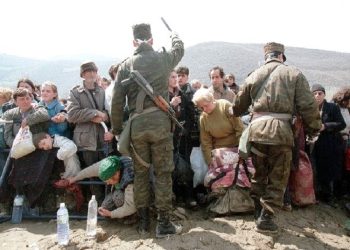
Albanians know that the Prizren Committee is a puppet fabrication commanded by Dušan Mugoša, one of the founders of the Albanian Communist Party and consequently responsible for all their misery. The Albanians living in the border Muslim areas of Plav and Gusinje, and those in the Catholic areas of Hoti, Gruda, and Kuçi, have amazed the refugees with their generosity.

Over the past five or six years, they have helped thousands of refugees regardless of religion or region of origin. In these areas, every Albanian family has housed between ten and thirty refugees.

This situation is now changing, as the Kosovars, who previously welcomed refugees with sympathy, are now becoming victims of the tendentious propaganda of agents sent by Enver Hoxha, which is why they have lost trust in the refugees and view them with antipathy. The Albanian propaganda line regarding the Kosovar Albanians adheres to the idea that they are helping Tito prepare the invasion of Albania, in the same way as the “Free Albania” Committee, which is financed by the Anglo-Americans.

According to them, the National Front (Balli Kombëtar) and Xhafer Deva have sold themselves to Tito’s American friends. Tirana’s propaganda line concludes by declaring that only the friends of the Soviet Union can eliminate Tito and unite Hoxha’s Albania without foreign interference.

In 1951, all refugees were asked by the authorities whether they wished to emigrate and, if so, to which countries. However, this move was a trap, as all those who expressed a desire to leave Yugoslavia were soon arrested or interned, or became victims of various persecutions.

In 1951 and 1952, a group of journalists visited the refugee centers for Albanian refugees and interviewed many of them. But none of the refugees dared to express their opinions openly about the situation of their compatriots, for fear of retaliation by the authorities.

The recent arrests of Ndue Bajraktari and his friends, accused of attempting to escape and participating in operational missions in Albania, have made a strong impression on the refugees.

The Role of the Ballists

Kol Çuni, Gjon Gjinaj, Ndue Pjetër Gjonmarkaj, Nikoll Gjonmarkaj, and Ndue Mëlyshi are declared supporters of the Independent National Bloc. When they arrived in Yugoslavia, they were given ample funds and personal belongings. But later they sold the items or shared them with their refugee friends, so now they are left without means of support.

The Yugoslavs publicly show sympathy toward them, but in fact keep them under constant surveillance, as they do not trust them. Nikoll Gjonmarkaj, as long as he was allowed to live in Mitrovica, received great support from the local Kosovar population, who met all his needs.

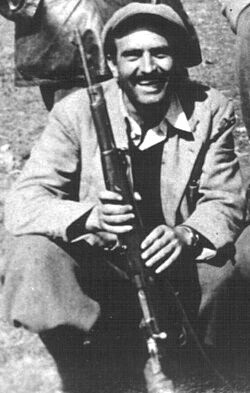
But later he was removed by the Yugoslav authorities from Mitrovica because he expressed sympathy for the son of a known “reactionary,” which brought about the antipathy of the Yugoslavs. The death of Bardhok Bibës, killed by his cousin Ndue Pjetër Gjonmarkaj, was ceremonially handled by the Yugoslavs.

Montenegrin Pajković, a leader in the Kosmet area, told Ndue Pjetër during a meeting: “You killed Bardhok? You killed a rare communist, a true hero and friend of the people. Albania will not produce another man like him.”

Father Daniel Gjecaj, also known as Mark Gjeçaj (*l’Amico delle Montagne*), Lutfi Spahiu, and Don Zef Oroshi are among the main leaders of the Albanian refugees in Yugoslavia, due to their cultural background and patriotism.

Influence is also held by the following individuals: Mark Tom Marku from Kelmend, Tom Dushi from Nikç, Kol Gjon Bajraktari from Vukël, Preng Gjato Marku from Hoti, Mirash Gjoka from Shkreli, Prelë Marku from Shala in Dukagjin, and Vuksan Vata from Kiri.

February 1955 – Reunification

On November 9, 1954, an agreement was signed in Belgrade between Albanian and Yugoslav representatives for the settlement of political disputes between the two countries and the exchange of prisoners and internees.

The Albanian representative in Belgrade signed on behalf of his government, while the head of the special Yugoslav commission for settling conflicts with Albanians, Veljo Stojnić, signed for his government. Stojnić served for some time after World War II as head of the Yugoslav military mission in Albania, and later as ambassador in Tirana.

With the signing of the agreement, Albania committed to releasing 200 imprisoned police officers accused of having worked for or sympathized with Tito’s regime. At the time of the signing of the agreement, the Yugoslav embassy in Tirana was informed that the Yugoslav government would not raise objections to the opening of an Albanian consulate in the Autonomous Province of Kosovo.

In November 1954, several officials from the Albanian embassy in Belgrade visited the province of Kosovo, during which the Yugoslav authorities gave them full access to all areas and facilities, and allowed them to speak freely with the local population./ Memorie.al
                                                        To be continued in the next issue

ShareTweetPinSendShareSend
Previous Post

Kalendari 29 Gusht 2026

Next Post

"While Qamili was entering and leaving his studio with paintings in his hands, the police would accuse him of being a madman who was engaged in secret work against the party and..."/ The unknown story of the famous painter

Artikuj të ngjashëm

“When Mehmet Shehu and Bedri Spahiu went to Burrel prison and said to Mirash Ivanaj; we believe you will have revised your views, he…”/ The unknown story of the former Minister of Education of the Monarchy
Dossier

“In their struggle for power after 1948, Enver Hoxha had the support of Jakova, Koleka, Nushi, Ngjela, while Shehu from Kapo, Mufti, Hazbi and…”/ Secret CIA documents revealed

September 15, 2026
“During 1971, the mortality rate among children aged 0-1 was very high, as 7,027 babies died!” / The 1972 document that alarmed the leadership of the Albanian People’s Party is revealed
Dossier

“Not only should the maternity hospital be closed and transferred, but all of this abusive personnel should be ‘put through the eye of a needle’ and…”/ Former Prime Minister Mehmet Shehu’s letter, October 1972, is revealed

September 14, 2026
“In Shkodra, to break Dulo Kali’s resistance, they took two female prisoners and two male prisoners to a room next to them and them…”/ Testimony of the former head of the Ministry of Interior Archives
Dossier

“In Shkodra, to break Dulo Kali’s resistance, they took two female prisoners and two male prisoners to a room next to them and them…”/ Testimony of the former head of the Ministry of Interior Archives

September 14, 2026
“During 1971, the mortality rate among children aged 0-1 was very high, as 7,027 babies died!” / The 1972 document that alarmed the leadership of the Albanian People’s Party is revealed
Dossier

“A severe infection in the Tirana maternity hospital affected 67 children out of 411 born, with 27 of them dying as a result…”/ Document revealed about the event that shook the capital in October 1972

September 16, 2026
“During dinner at the Yugoslav embassy, ​​Omer Nishani openly criticized Enver Hoxha. Those things were going badly with the reconstruction of the country, while Enver did not move from his office and…”/ Secret British documents
Dossier

“During dinner at the Yugoslav embassy, ​​Omer Nishani openly criticized Enver Hoxha. Those things were going badly with the reconstruction of the country, while Enver did not move from his office and…”/ Secret British documents

September 13, 2026
“During 1971, the mortality rate among children aged 0-1 was very high, as 7,027 babies died!” / The 1972 document that alarmed the leadership of the Albanian People’s Party is revealed
Dossier

“During 1971, the mortality rate among children aged 0-1 was very high, as 7,027 babies died!” / The 1972 document that alarmed the leadership of the Albanian People’s Party is revealed

September 14, 2026
Next Post
“While Qamili was entering and leaving his studio with paintings in his hands, the police would accuse him of being a madman who was engaged in secret work against the party and…”/ The unknown story of the famous painter

"While Qamili was entering and leaving his studio with paintings in his hands, the police would accuse him of being a madman who was engaged in secret work against the party and..."/ The unknown story of the famous painter

“Historia është versioni i ngjarjeve të kaluara për të cilat njerëzit kanë vendosur të bien dakord”
Napoleon Bonaparti

Publikimi ose shpërndarja e përmbajtjes së artikujve nga burime të tjera është e ndaluar reptësisht pa pëlqimin paraprak me shkrim nga Portali MEMORIE. Për të marrë dhe publikuar materialet e Portalit MEMORIE, dërgoni kërkesën tuaj tek [email protected]
NIPT: L92013011M

Na ndiqni

  • Rreth Nesh
  • Privacy

© Memorie.al 2024 • Ndalohet riprodhimi i paautorizuar i përmbajtjes së kësaj faqeje.

No Result
View All Result
  • Albanian
  • English
  • Home
  • Dossier
  • Interview
  • Personage
  • Documentary
  • Photo Gallery
  • Art & Culture
  • Sport
  • Historical calendar
  • Others