
By Gilmana Bushati
Part Three
Continues from the previous issue
– Interview with historian Ndue Oroshi, Vice-President of the Association of Albanian Intellectuals “Trojet e Arbrit” –
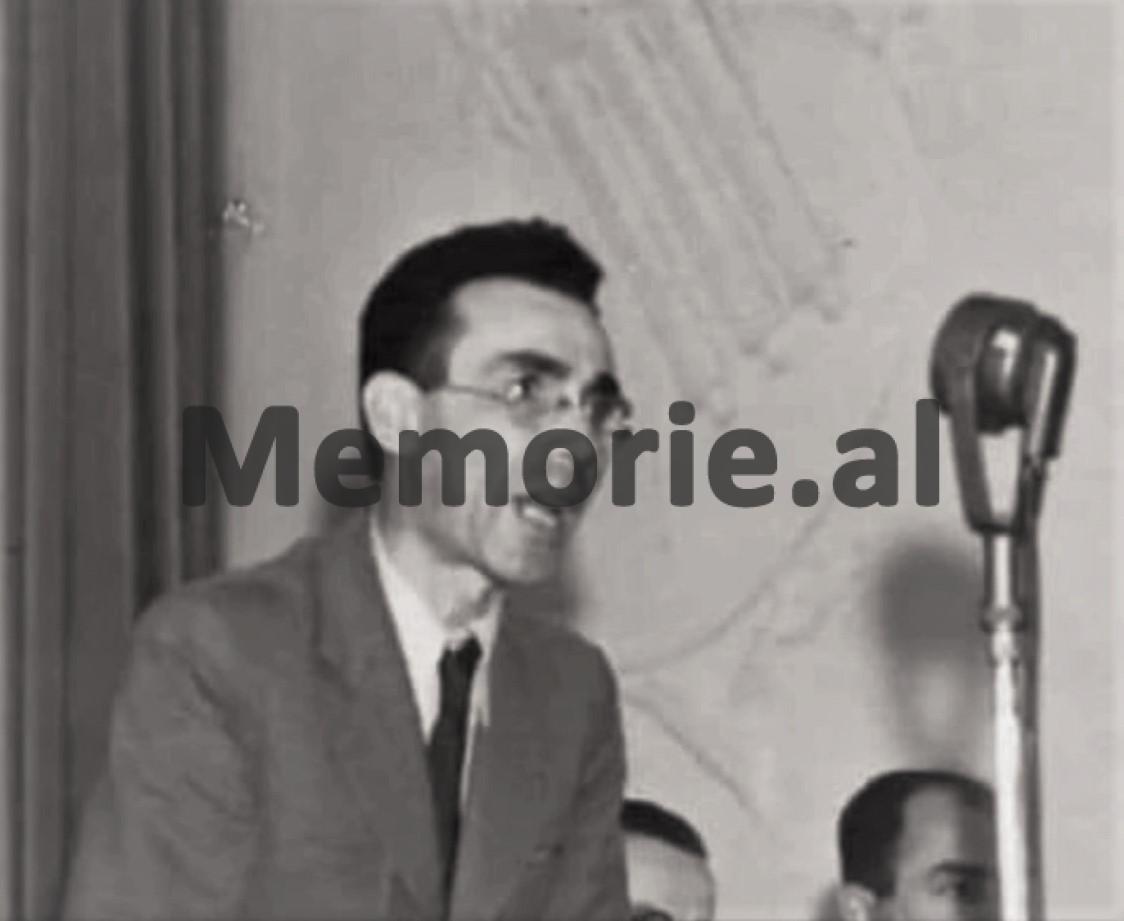
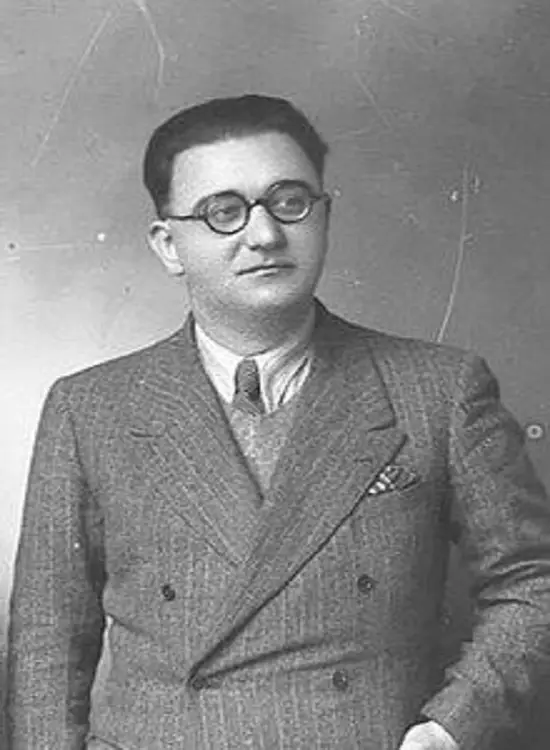
Mr. Oroshi, do you think that such an attitude of Albanian scholars in Albania toward Mr. Xhafer Deva, but also toward Mr. Mitrovica, is also held due to the fact that they are Kosovars?
Here, from the outset, I want to make a correction. The Albanian nation is one and there are not two nations, they are not two peoples, but we are one, all Albanians regardless of which corner or part of Ethnic Albania we live in. I do not think this way, that this attitude is held because they are Albanians from Kosovo, but this attitude toward them and toward the whole of Albanian nationalism is held due to the fact that a good part of the scholars are a product of the Moscow school in Albania and the Belgrade school in Kosovo.
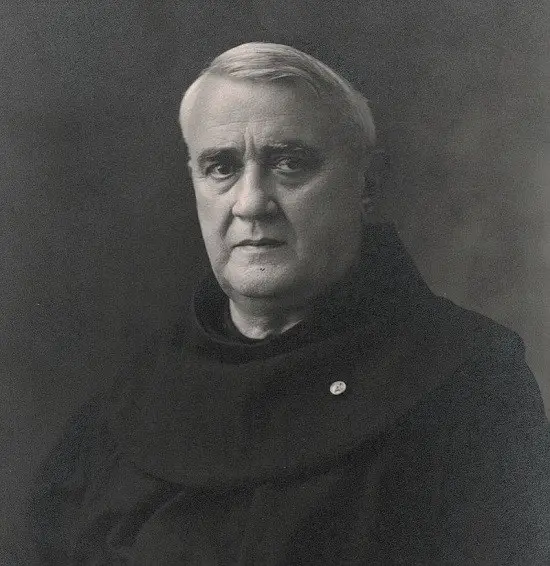
For this, the patriot, poet, and greatest Albanian writer of all times, Father Gjergj Fishta, our great one, had foreseen and prophesied communism with these verses: “What did these four wolves leave you / that attack one another / they say a red devil will come out / who without mercy will take to the thorns / patriots will be sent to the gallows / while those who escape the gallows / he takes and sends them to the school of the hangman.” This was the prophecy of our Fishta.
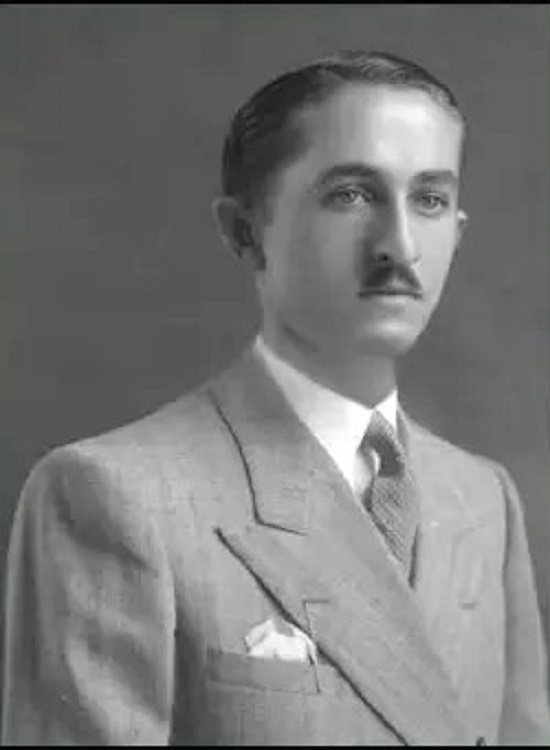
This attitude of a part of Albanian scholars with a communist mentality toward the patriots Xhafer Deva and Rexhep Mitrovica is due to the fact that those historians and scholars have remained red like a pomegranate, and have not changed at all; they hold the same attitude also toward Captain Dr. Mark Gjon Marku, and toward Mit’hat Frashëri, and toward Isuf Luzaj, and toward Halim Begeja, and toward Xhemë Gostivari, toward Prenk Cali, and many other patriots. I believe that the new generation of historians will write history as it happened, and not as some wish it had happened.
Recently, historian Arben Puto brings a book in which he has placed a label for Fishta, Frashëri, Koliqi, Deva, Mitrovica, etc., as collaborators, collaborators of fascism, of Nazism, etc. What is your view on these figures and others regarding collaboration with these regimes?
Personally, I have not yet seen this book, which, based on the question, appears to be a continuation of the falsified books written by Mr. Puto. To tell you the truth, these are not historical books, but they are ideological books. In this aspect, Mr. Puto, as a jurist educated in Russia, has very great experience in Russian law. Because we all know that in Russia there has never been justice, and even today there is still no justice, and Russia is the greatest enemy state of Albanians, together with its little brother Serbia, in all times. Mr. Puto is also a product of the mentality of the Russian school, which apparently has not changed at all compared to some other scholars who have truly corrected themselves and are working in Western archives and with zeal are studying Albanian history.
There is no discussion of the fact that these honored personalities, mentioned negatively by communist ideological history, collaborated with German forces for the good of the Albanian people. And now I, as a young and non-indoctrinated historian, will make a two-sided analysis and without any bias regarding these two Albanian political groups that were created during the Second World War, the communist political group and the nationalist political group.
First, I will begin with the nationalists:
They collaborated with German forces because more than half of the ethnic Albanian lands were under the classic occupation of the former Yugoslav kingdom, and they exploited the old popular saying that “the enemy of my enemy is my friend.”
In these political circumstances, they united Kosovo and other Albanian regions with Albania; they formed a Joint Government, a joint Parliament.
For the first time in Kosovo, Albanian schools were opened through the efforts of the Minister of Education, Professor Ernest Koliqi, and other patriots; the entire administration was kept in the Albanian language, because we must not forget the fact that only a few years earlier, merely for teaching Albanian children the alphabet of the Albanian language, the patriot Father Shtjefën Gjeçovi was brutally killed by the Serbo-Slavic occupying forces.
Albanian patriotic forces created the Second League of Prizren, the National Front, the Independent National Group, the National Besa, and many other political organizations, where with rifle in hand they defended the Albanian ethnic border, to prevent the penetration of the Chetnik forces of Draža Mihailović into Kosovo and other Albanian regions.
These forces had their political orientation in building the state with Western concepts, pluralism, democracy, the development of the state through cooperation with the Western economy, precisely what Albanians are seeking today in modern democracy, the integration of the Albanian state into Europe.
While the Communists did the opposite:
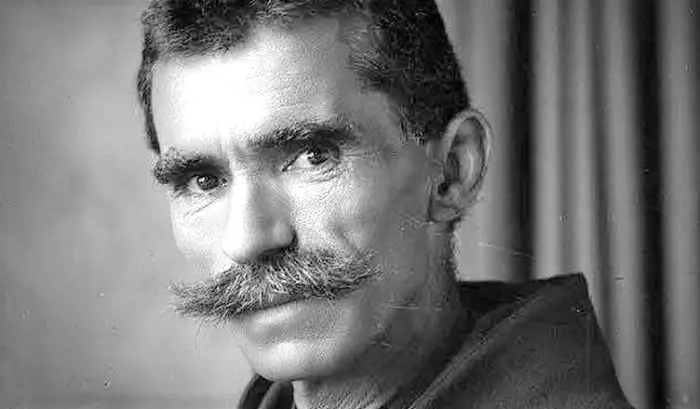
They collaborated with the Russo-Yugoslavs, and the Communist Party of Albania, as well as the Communist Party of Kosovo, were created by the Yugoslavs, or as the patriot Prenk Cali said in a dialogue with the communist Mehmet Shehu, even though he was treacherously caught between these two, this dialogue took place: Mehmet Shehu says to Prenk Cali: “Hey, Prenk Cali, the time has come for you to close your history with golden letters, if you had sided with us communists, why did you act like this?!” And the brave man of the Highlands, Prenk Cali, replies: “No sir, the blame falls on you communists, because you sided with the centuries-old enemy of the Albanian, with the Slav.”
The Communist Party of Albania helped the Serbs and other Slavs to return Kosovo and the Ethnic Albanian lands once again to the former Yugoslavia, even by force, killing and massacring its own Albanian brothers in Kosovo and other Ethnic Albanian lands in the former Yugoslavia, where only in these Albanian regions we have about 47,300 to 49,000 Albanians killed, the vast majority remaining without graves.
The Communists killed and cut down every political opponent even in truncated Albania, where we have tens of thousands killed, intellectuals, clerics, as well as citizens with pure nationalist feelings, and tens of thousands of others imprisoned and interned.
The Communists created the one-party state, isolated Albania, and were directed by Belgrade and Moscow, two states that were enemies of Albanians throughout all times. Now I want to give just one fact, that it is precisely these allies of communism, Russia and Serbia that even today do not recognize the Independence of Kosovo, which we consider a transitional phase toward the National Union.
The Albanian Communists closed religious institutions and tried to create the new man without nation and without faith, without dignity and without homeland, by killing Albanian clerics and imprisoning political opponents, where only in Shkodra, which at that time had 40,000 (forty thousand) residents, in the year 1946, there were 26 prisons.
And in the end, I will conclude the answer to this question with a poem written by the commander of the war for Ethnic Albania, Captain Mark Gjon Marku, who wrote from the mountains and ridges of heroic Mirdita, where he fought with rifle in hand but did not forget to also use the pen, as in the poem “Shqipnia mbi çdo gja” (“Albania above everything”), which is a call and summons for Albanian nationalism, these verses:
“there among the mountains of Albania
Where Albania raises the birds of freedom,
Far from the red wave of Bolshevism
Far from the lie and the darkness of Pan-Slavism
Abandoned family, deserted home
Albania in the heart, the flag pinned
rifle on the shoulder
faith in God
brave young men will pass the year
for them Albania is above everything
therefore to the Albanian they send a call
Albanian-Albanian do not forget the faith
Keep the honor, love the homeland
Today communism wants to corrupt you
The Slav has sold you your land.”
Mr. Oroshi, which of the events, historical facts of Albania are still obscure and need clarification by historians?
As I said earlier, first the entire historical period during and after the Second World War must be changed. History must be written as it happened. While we also have many other national figures who have still not been given their proper place in history. One of them is also the architect of the building of the Albanian state, Bishop Nikoll Kaçorri. We also have many other historical figures, such as Hasan Prishtina, Zefi i Vogël, Pjetër Çeli, Prenk Bib Doda, etc.
We must engage more to work also on the Albanian Middle Ages; little has been done so far for the Principality of Arta and especially for the contribution of Gjin Bua Shpata and Pjetër Losha. It is interesting that after the destruction of this Arbërian Principality, most of the Arbërians of Arta settled in Calabria and Sicily, where the Arbëresh community was also created, which for 500 years preserved the language, tradition, and culture. But even later there were movements of the Arbërian population to these regions, especially when the Arbërian lands fell under Ottoman occupation, after the death of our national hero of all times, Gjergj Kastrioti Skënderbeu.
It must never be forgotten that in our national History a special chapter should also take its place for the contribution of the Albanian Diaspora, in all historical periods. Because most Albanians, even though they emigrated, helped the country by every means, and even today they continue to do the same work, to help their country.
Is it seen as necessary that, even though politics opens the debates, intellectuals, not only of the two Albanian capitals, gather to review their history with due care?
I see this as an urgent need that we historians gather and, based on scientific facts and arguments, write our history without bias. The time has ended when two or three historians decided everything. Now we young historians have the opportunity to visit archives from all countries of the world; to enrich ourselves with literature and other documents of the national activity of many Albanian organizations and political parties, both in Europe and in America, but also of those that operated within the Ethnic Albanian lands and made resistance for the Albanian ethnicity.
Always working for the illumination of Albanian History, we have founded the Association of Albanian Intellectuals “Trojet e Arbrit,” which includes 120 intellectuals; we have held 13 scientific sessions, 8 academies, and have published 12 encyclopedic works of Albanian History, with a volume of more than 8,000 pages, and where through their works during these scientific sessions the most eminent professors of the Center for Albanological Studies in Tirana, of the Albanological Institute in Prishtina, the Institute of History in Prishtina, researchers from the Archive of Kosovo, the Museum of Kosovo, the Academy of Sciences, the University of Tirana, the University of Shkodra, the University of Durrës, the University of Prishtina, Albanian professors from Macedonia, from Montenegro, Eastern Kosovo, Çamëria, Europe, America, and Australia have been presented.
At the head of this organization is the honored professor and visionary of the Albanian nation, Prof. Dr. Muhamet Shatri, while I have the fortune to be vice-president of the Association of Albanian Intellectuals “Trojet e Arbrit.” / Memorie.al