By Dr. Themistokli Bambulla
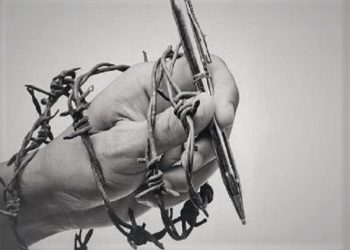
Memorie.al / In 1967, as the campaign against religion was closing churches and threatening the destruction of their assets, Theofan Popa placed himself in the service of saving icons and church objects. A theologian and scholar of Byzantine and post-Byzantine art, he combined scientific knowledge with his Orthodox faith. Alongside efforts with colleagues to protect monuments, he undertook difficult fieldwork: the collection, registration, and securing of objects that risked being lost. The reports and memoirs of his collaborators attest to the scale of this activity.
Theological formation and service in the Church
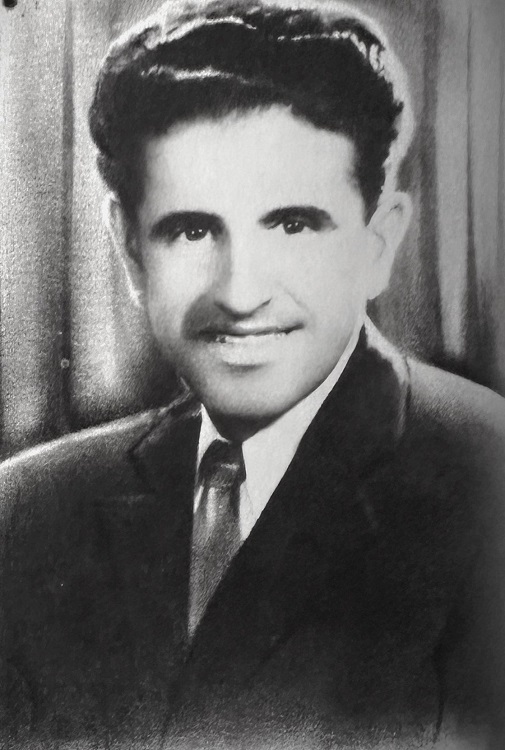
Theofan Popa was born on November 3, 1914, in the Kala neighborhood of Elbasan, into a family with an Orthodox tradition. After completing the “Kostandin Kristoforidhi” school, he continued his theological education in Manastir. The biography included in the book by Pirro Thomo and Anisa Ymeri links this journey to the help of Father Josif Mihali and the support of Archbishop Visarion Xhuvani. In the academic year 1937–1938, he began studies at the Theological Faculty of the University of Athens. After a short study stay in London, he returned to Athens, where he graduated in 1941.
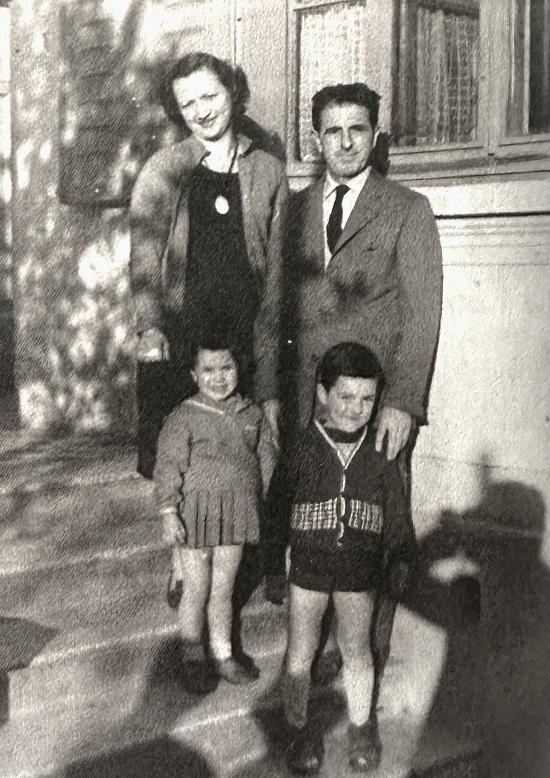
In 1942 he returned to Albania and worked as a Latin teacher at the Lyceum of Korça. He then served at the Holy Synod of the Church as a preacher and article writer. He prepared a biweekly bulletin with the Sunday sermons, which was sent to the churches of the country. His knowledge of languages and theological formation would become the foundation of his later scholarly activity. In 1954 he married Eli Mano from Korça; they had two children, Dhimitraq and Ana.
Scholar of icons and inscriptions
His engagement at the Institute of Sciences, where according to the biography he was appointed in 1949, oriented him toward the study of monuments and the collection of church inscriptions. In collaboration with other specialists, among them Viktori Puzanova, he worked on the recognition of medieval and post-Byzantine painting. Inscriptions on walls, icons, and liturgical objects gave him the opportunity to identify painters, determine the dating of works, and reconstruct the history of church institutions.
His work helped in the recognition of the oeuvre of Onufri and Nikolla, David Selenica, Kostandin Shpataraku, the brothers Kostandin and Athanas Zografi, and the Çetiri family. For scholars of architecture, these data served for the dating of churches and the understanding of the connection between the building, its frescoes, and its furnishings. Thus, scientific documentation also became an argument for the protection and restoration of monuments.
Protection of monuments during the campaign against religion
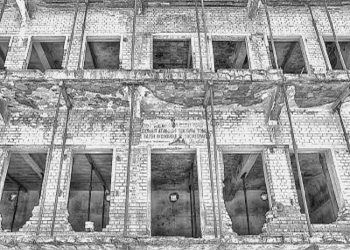
The anti-religious campaign of 1967 brought closures, destruction, and humiliating changes in the use of places of worship. According to the testimony of Pirro Thomo, the danger also affected monuments that had previously enjoyed state protection. Popa, Thomo, Gani Strazimiri, and Aleksandër Meksi opposed the reduction of the list of monuments, arguing for each one’s historical, artistic, and architectural values.
In their joint study, Thomo and Meksi note that a reduced list contained 66 church monuments, while after expeditions, documentation, and discussions, 131 remained on the 1970 list. These are figures from the protection lists, which included various categories of monuments. They attest to the result of the joint effort, in which Popa’s detailed knowledge of churches, iconostases, and painting was particularly important.
Thomo recalls that when the removal of a monument from protection was proposed, Theofan objected and explained the history of the construction, the painters who had worked there, and the values preserved within it. The expeditions were carried out with scant resources, in cold, rain, and difficult roads. Under these conditions, again, he kept his humor and encouraged his collaborators.
The collection of icons and the testimony of the 1967 report
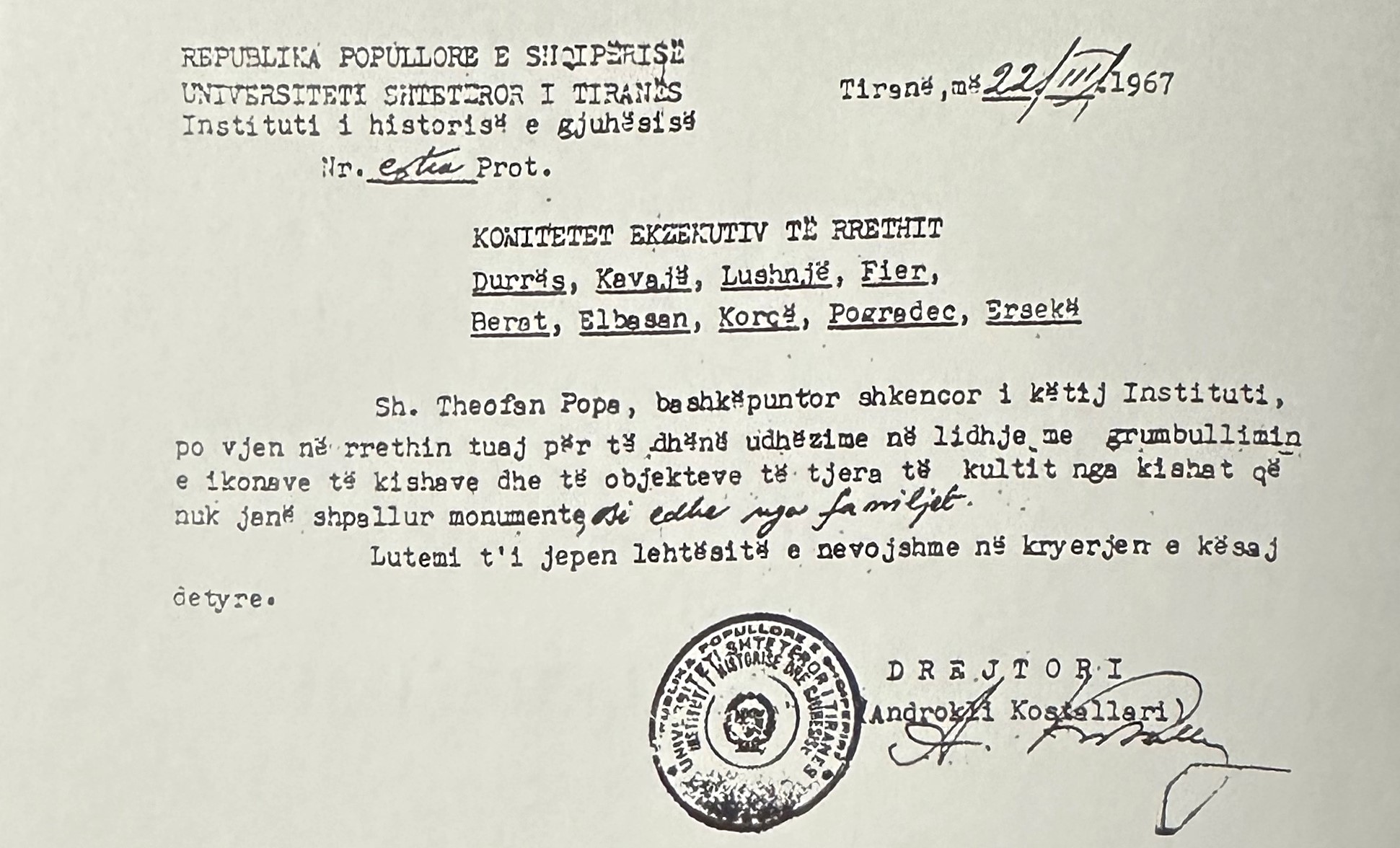
Another part of the work was securing movable objects from churches that did not remain under protection. Icons, books, and liturgical objects had to be registered and placed in environments where they would not be destroyed. On page 92 of the book, the document of August 22, 1967, is reproduced, which authorized Popa to direct the collection of icons and objects of worship. The document makes visible the concrete responsibility he took on at that time.
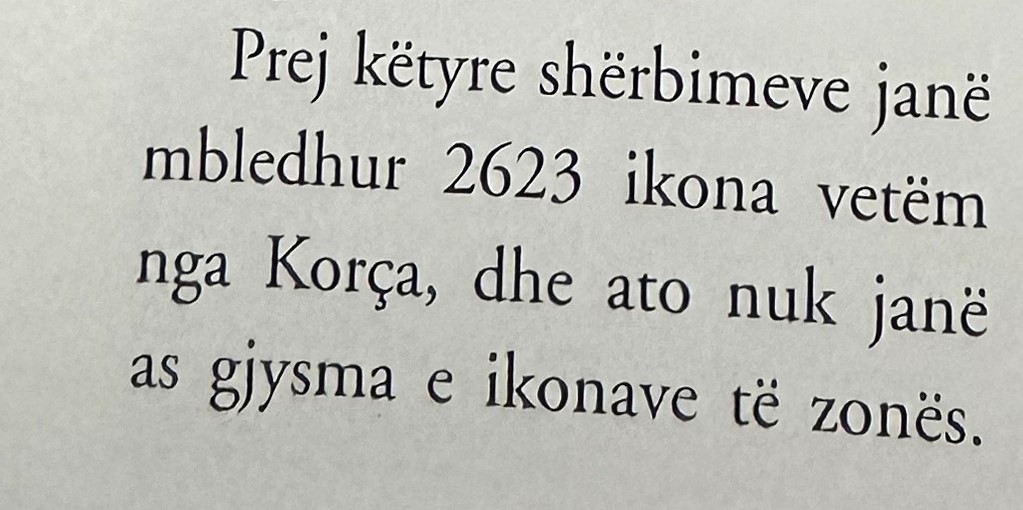
His report, signed on October 15, 1967, shows what he was facing in the field. After visits to Kolonja and other areas, he noted that many objects had not yet been collected and that for some icons information about the church of origin was missing. In the same report he wrote: “From these services, 2,623 icons have been collected from Korça alone, and they are not even half of the icons of the area.” This is a data point for that report and that area, not the overall balance of his activity.
Popa requested that environments be designated for the safekeeping of icons and that they not be used for other purposes. The respective cards held data on the object, its origin, characteristics, and the time of collection. According to Thomo, he bore the great work of collection almost alone. Andrea Llukani treats specifically the activity of the years 1967–1975 and the collaboration with the driver Ilia Nemçe, with whom he traveled through villages to secure church objects.
Faith and persecution
Popa’s faith was an inseparable part of his life. Pirro Thomo recounts an event from 1966, when at an ideological meeting they asked him whether he believed in God. The answer he recalls is direct: “To tell you that I do not believe would be to lie to you, and lying is not in my character…!” The testimony shows the clarity with which Popa affirmed his conviction, even though he knew the risk to his professional and family life.
Later he experienced public denigration, isolation from scholarly activity, and blows against his family. The arrest of his son, Dhimitraq, on the charge of religious propaganda, was among the heaviest wounds described by contemporaries. The documents examined by Andrea Llukani help to understand the mechanism of persecution. Under these circumstances, his dedication to study and heritage continued.
The works and legacy he left
Among his publications are “Albanian Medieval Painters” in 1961 and “Medieval Icons and Miniatures in Albania” in 1974. After his death, “Inscriptions of Churches in Albania” was published in 1998, and “Medieval Miniatures and Paintings in Albania” in 2006. In his final years he also worked on the cataloging of codices at the State Archive. These works extended the influence of his work beyond the objects he had collected, leaving research tools for future generations.
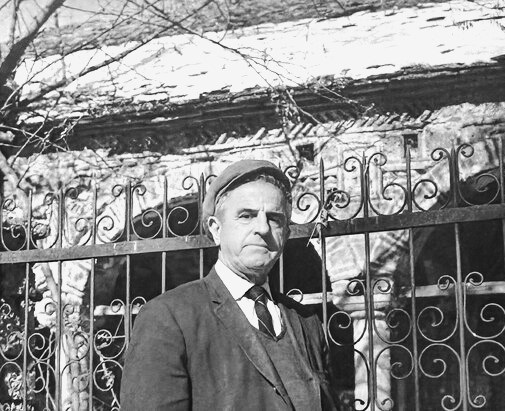
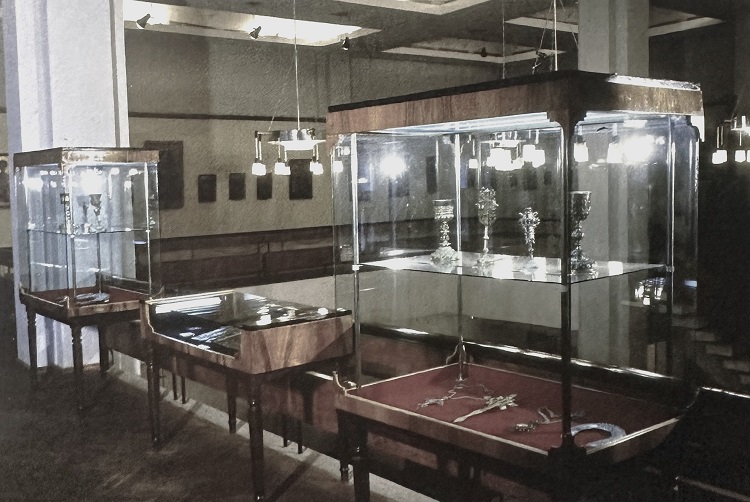
Theofan Popa passed away on December 30, 1985, in Tirana. The assets he helped preserve became part of museum funds in Korça, Berat, and Tirana. On May 3, 2024, the Academy of Sciences honored him posthumously with the distinction “Honor of the Academy,” recognizing his work in the rescue, cataloging, and study of church heritage.
As UGO had reported, over 45 icons of the Medieval Museum of Korça were exhibited for the first time in France. In the commemorative speech of 2022, Joani, then Metropolitan of Korça, linked Popa’s work to his spiritual world and steadfast faith. Speaking of the man he had known personally, he said: “He gained God, who is the only wealth.”
When we see a preserved icon, an inscription that has been read, or a church that survived destruction, behind them also stands the work of people who strove to protect them. Theofan Popa was one of them. His scientific knowledge and the faith he refused to deny kept him connected to this service until the end of his life. / Memorie.al
Sources
1] Pirro Thomo and Anisa Ymeri, editors, Theofan Popa — Martyr of Science, Media-print, Tirana, 2023, ISBN 978-9928-086-91-4. The parts consulted from the photographs sent: pp. 7–22, 37–47, 55–67, and 91–99. In particular: the memoirs of Pirro Thomo; the study by Pirro Thomo and Aleksandër Meksi; Theofan Popa’s report of 15.10.1967.
2] Andrea Llukani, Theofan Popa 1914–1985, Albanian Digital Archive. Biography and scholarly activity. Read the source
3] Andrea Llukani, The File of Theologian Theofan Popa, Global Challenge, vol. VI, no. 2, May 2017, pp. 92–100. Read the source
4] Andrea Llukani, Theofan Popa, a Life Dedicated to Cultural Heritage, Dashart, May 2, 2024. Used for the bibliography; the publications of 1998 and 2006 are posthumous. Read the source
5] Academy of Sciences of Albania, Information Bulletin, May 2024, pp. 35–40, on the posthumous honor of May 3, 2024. Read the source
6] Andrea Llukani, Theofan Popa’s Contribution to the Rescue of Church Inscriptions and Liturgical Objects, Trifon Xhagjika, Tirana, 2019. Read the source
7] The then Metropolitan of Korça Joani, commemorative speech for Theofan Popa, October 23, 2022, official page of KOASH. Read the source