By Kujtim Dani
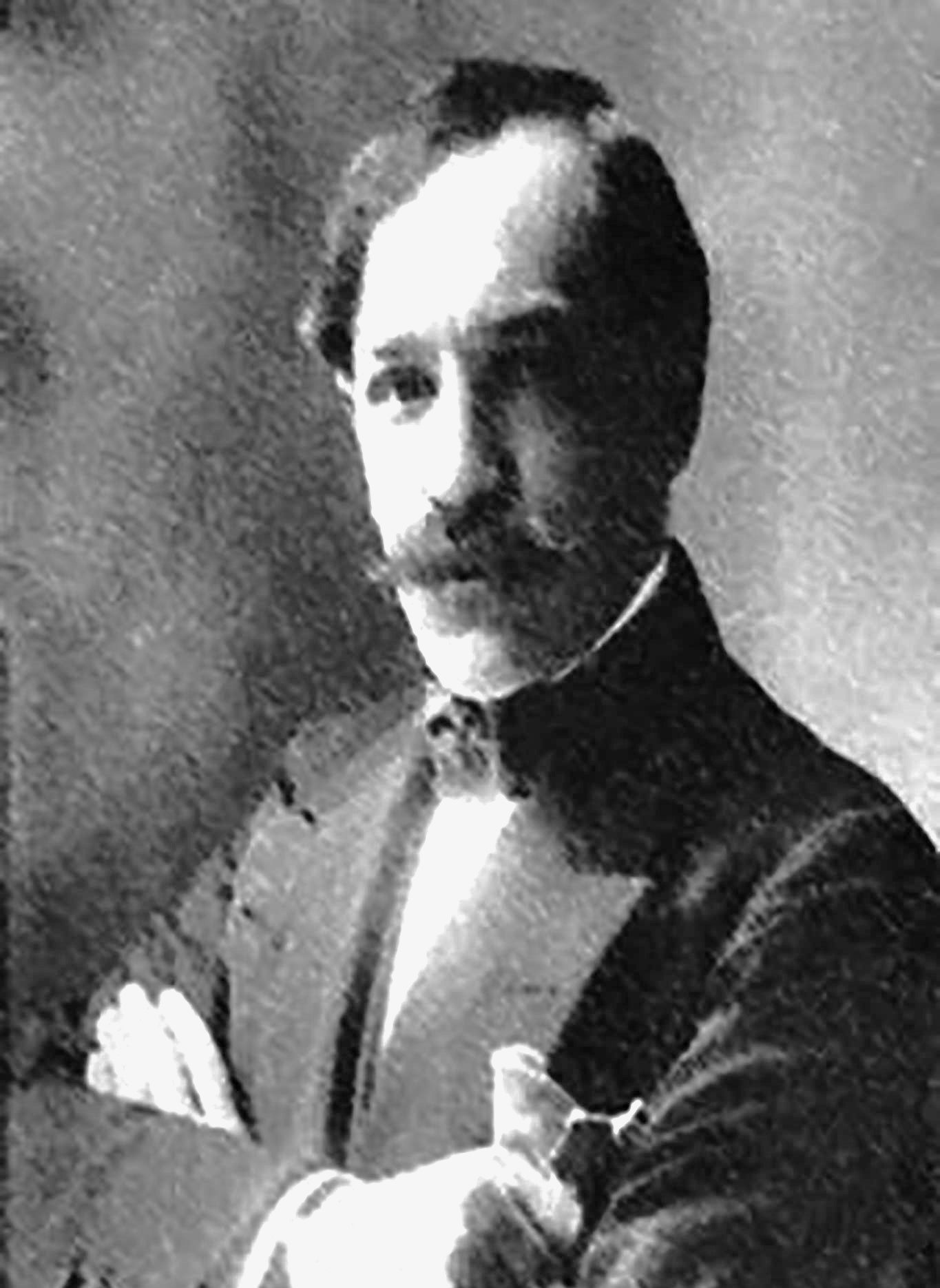
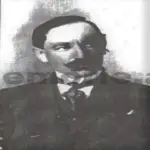
Memorie.al / Riza Dani were born in Shkodër into a patriotic family. After finishing the “Ruzhdie” school in the city, he continued his studies at the University of Istanbul. He quickly came into contact with Albanian patriotic circles and from his youth devoted himself to the national movement alongside his brother Dan Hasani. He knew four languages – German, Turkish, Italian and Slavic – and in the years 1908-1912, he was a member of the “Albanian Language Club” with family friends; Father Gjergj Fishta, Gurakuqi and Dom Ndre Mjeda. He was an initiator of the group for the raising of the flag in Shkodër at the beginning of 1913 and directed the political-social newspaper “Shkodra.”
With nationalists and patriots he created the political-nationalist organization “Krahu Kombëtar” (National Wing), which played a great role for the national movements in the country, for the stabilization of the new Albanian state up to 1924. With the creation of the People’s Party, Riza Dani joined this party with other nationalists, aiming at the creation of an ethnic Albania, which defended the interests of the middle bourgeoisie and had as priority the improvement of the condition of the peasantry. Riza Dani was elected deputy of Shkodra in the legislatures 1921-1924, together with Luigj Gurakuqi, At Gjergj Fishta, Dom Ndre Mjeda, Maliq Bushati and others.
In 1924 he was appointed prefect of the district of Durrës. As an opponent of Zog’s government he was sentenced to death and as a consequence immigrated for a short time to Fiume in Yugoslavia and then settled in Graz, Austria. One cold winter day two of his brothers-in-law came to him, Sejfi Vllamasi and Xhevat Korça from Vienna. They proposed to him the assassination they would carry out against King Zog, in February 1931. Rizai answered that: “That is what guerilla çetniks and Bolsheviks do, killing from behind and especially on foreign soil. We must gather and make a better program than Zog and present it in parliament, and if we win with votes, we bring down Zog and not with shameful killing.”
The Year 1939
Riza Dani in 1939 returned to Shkodër permanently and organized with patriots and nationalists for the liberation of the country from foreign occupation. He did not accept the creation of the anti-national and pro-Italian government of Shefqet Verlaci. Rizai joined the National Liberation Democratic Front for the liberation of the country from the occupier and its reconstruction. He took part in the meeting of Tapiza (July 1943) where the “Committee of National Salvation” was formed, which had in its program the liberation of Albania within the borders of 1913 and the universal right to self-determination. He was appointed chairman of the Democratic Front for the district of Shkodra and later chairman of the Executive Committee of Shkodra.
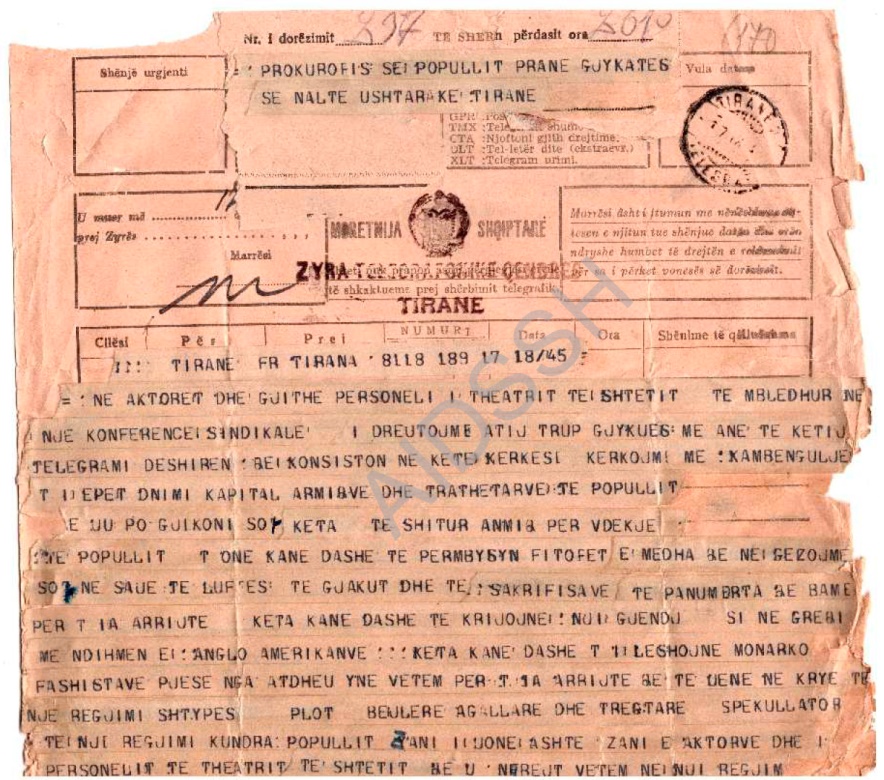
In the elections of 2 December 1946, he was elected by the people of Shkodra as deputy. Many orders and actions did not serve the raising of a normal state. Intellectuals, patriots, clerics, students, merchants, owners, military, etc., were imprisoned and executed without trials or with an order on a piece of paper, while every effort for democracy, political pluralism and opposition was not supported.
THE NEW ENSLAVEMENT
Riza Dani in the new situations that the country was going through understood that from the blood spilled, Albania had been liberated from the foreign occupier, but unfortunately would be enslaved by a utopian Slavic-communist system that was being applied. He understood that the voice had to be raised by all in protests and opposition actions. The group of democratic Deputies Gjergj Kokoshi, Riza Dani, Kol Prela, Sheh Karbunara and others, came into contact with the intellectual groups and opposition organizations created from the middle of 1945 in Shkodër and other cities.
These would be organized to seek in the coming elections a Western democratic system that had at its foundation political pluralism, individual freedom, freedom of speech and the press. The opposition movements expanded and were formatted into groupings with political actions. Uran Butka in the book “The First Uprisings against Communism,” writes that at a meeting on 6 July 1946 in Shkodër, Riza Dani spoke about the need to organize a general uprising. At the meeting of the 9th of the assembly, Riza Dani had opposed the draft-statute presented as non-national and charged with communist ideological spirit.
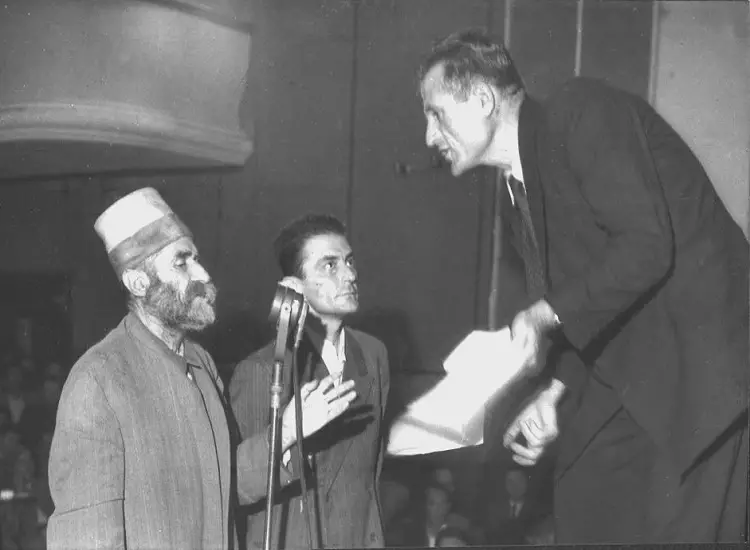
On 7 March 1946, after the remark made by Riza Dani, Nako Spiro after having received instructions and orders from his superiors, discusses at length and concentrates only on the speech of the deputy of Shkodra, which he calls the vanguard of reaction. But, Dani answered him that; “I have been against the Turk, against Toptani, against the rebels, against Zog, against the Italians before and after 7 April. I have stayed away from every reaction and private interest. Not for the sake of Nako Spiro, but because the interest of the fatherland has demanded it thus.”
THE PREMONITION
Dr. Pjetër Pepa in the book “The File of the Dictatorship,” writes that Dani knew the consequences of the harsh speech, therefore he tells his grandson that; “I want a person who knows that I have written this speech with cold blood and mainly consciously. In a word, I want to have a witness who will testify in the future that the expressions I have used in Parliament were not by chance or that I was nervous, but because I am conscious of what I say and of what will happen.” He had it clear that the medieval Slavic-Bolshevik revenge awaited him; nevertheless he decided to do what he had conviction for.
Later, the dictator Enver Hoxha, in the book “When the Foundations Are Laid” notes about Riza Dani that; “he was a man with influence in Shkodër, he was a democrat, liberal, anti-Zogist and anti-fascist” and that “Dani sought to make even our assembly a parliament of laws, where each one would speak as much as he pleased, without any limitation and all that Riza Dani and comrades said would be published in the press.” When I was born on 27 July 1946 in the evening, Rizai was returning from the Tarawih prayer at the Mosque. They come out before him in the yard and say to him: “Riza efendi, Xhevat’s bride gave birth to a boy. He answers:
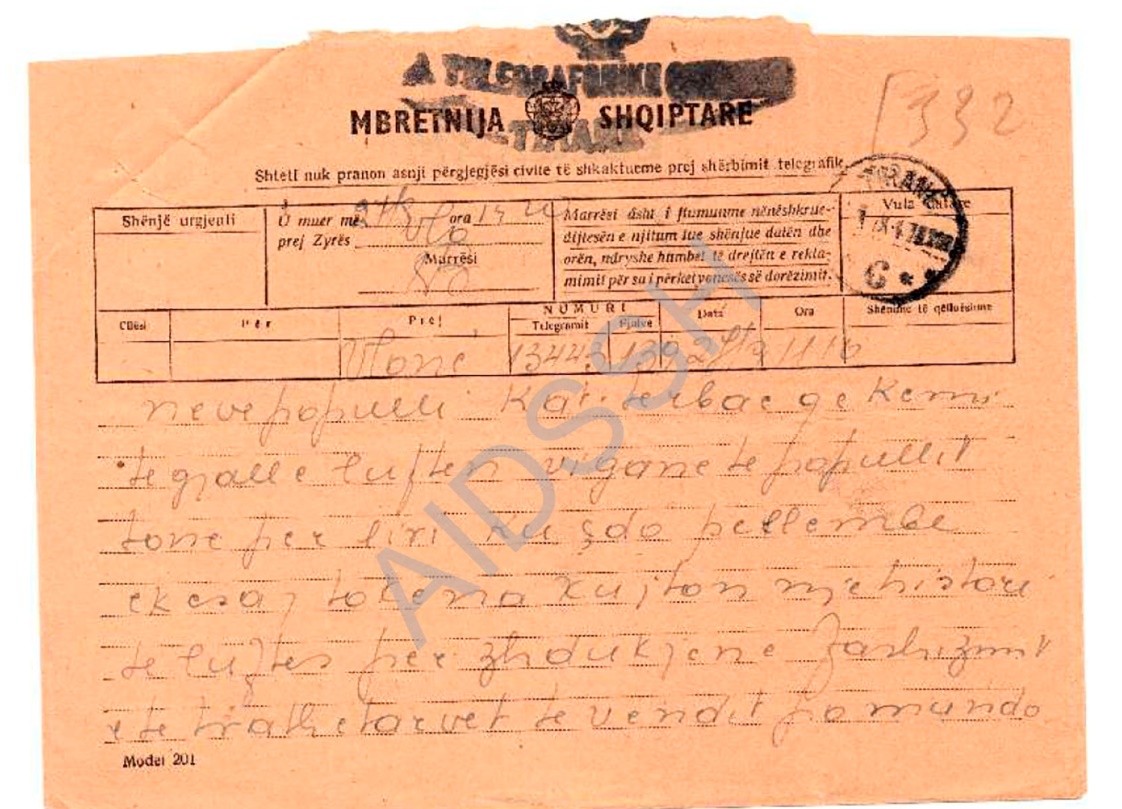
May the bride have good health, may the boy have a long life, and I am sorry because they will do him harm.” Prophetic words for the Dani family. Riza Dani with the intellectuals of Shkodra would organize a general uprising, in which forces from Kallmet, Lezha, Mirdita and Puka, Zadrima and Nënshati, Postriba and Ura Shtrejtë, Dukagjini and Shoshi, Kopliku, Malësia e Madhe and Kelmendi would take part. At dawn of 9 September the barracks of Shkodra are attacked. In the middle of September 1946, all the males of the Dani family were arrested. From the trials of the dictatorship 3 people are sentenced to 26 years in prison (together) and Rizai is executed by firing squad and the houses and factories are confiscated.
THE TORTURES
Deputy Riza Dani is arrested and from 11 October 1946 is tortured by the anti-human communist ‘hyenas’ until 23 December 1946, the day when his “immunity” is removed. Here is how a part of the sufferings of the deputies of Shkodra, Kol Prela and Riza Dani, is told by the fellow-sufferer of the cells and prisons, Sami Rrepishti: “Kol Prela told me that in the ‘cell’ toilet nearby was Riza Dani, the deputy of Shkodra, who from time to time burst out with loud calls and insults, which were immediately extinguished by the red guards and their stick on the back of the seventy-year-old democrat.”
On 11 October 1946 Riza Dani is taken for questioning by the investigator of the Army Security, Stavri Xhara, before majors Vaskë Koleci and Zoi Themeli. This happens after he had gone through anti-human tortures, which only he has known how to endure. His mandate is removed on 23 December 1946, that is, a deputy with a mandate is subjected to investigations with Slavic-medieval methods and stands with dignity and high moral strength, courageously opposing the untruths. The investigation sends him with the note: “His stance before the investigation has been hostile, he has not accepted to sign anything.”
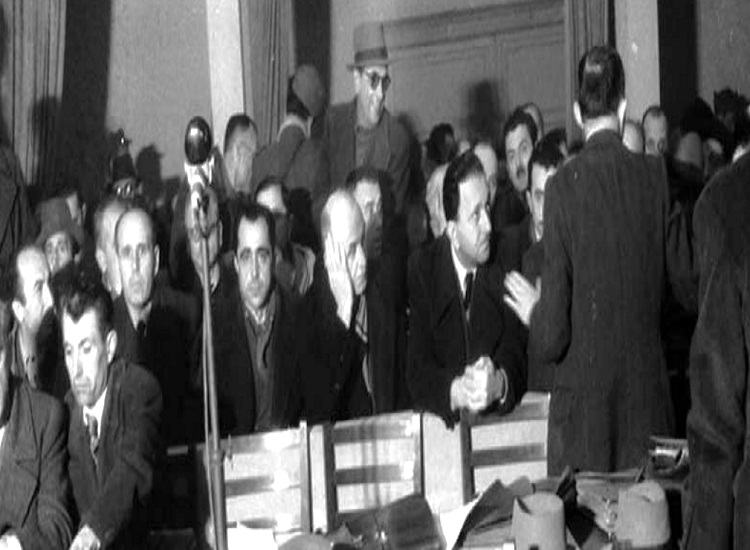
With a proud and stoic stance and with a high sense of responsibility, Deputy Riza Dani declares: “I am conscious of what I have said and what I have done and acted. May you have your shadow?” The trial was held behind closed doors, without a lawyer. He has not signed and has not asked for forgiveness. Slander is the argument of the one who has no reason.
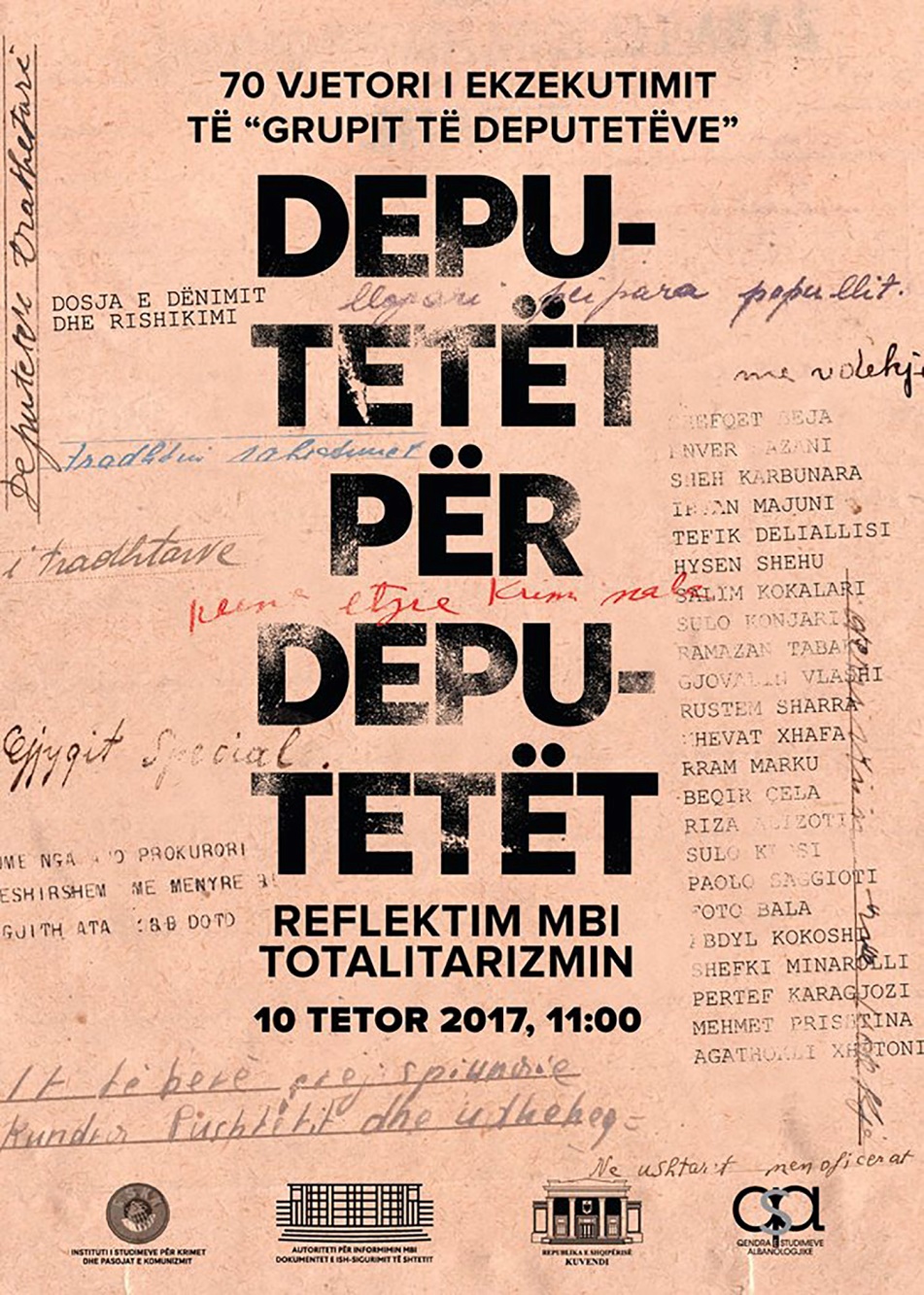
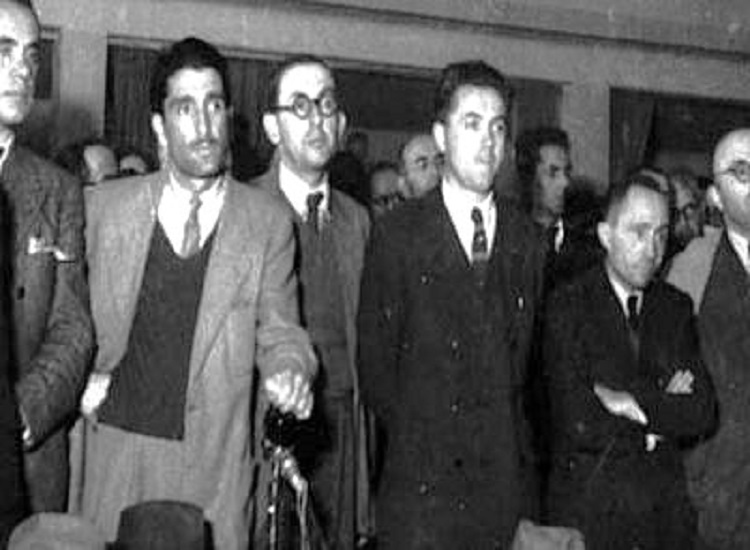
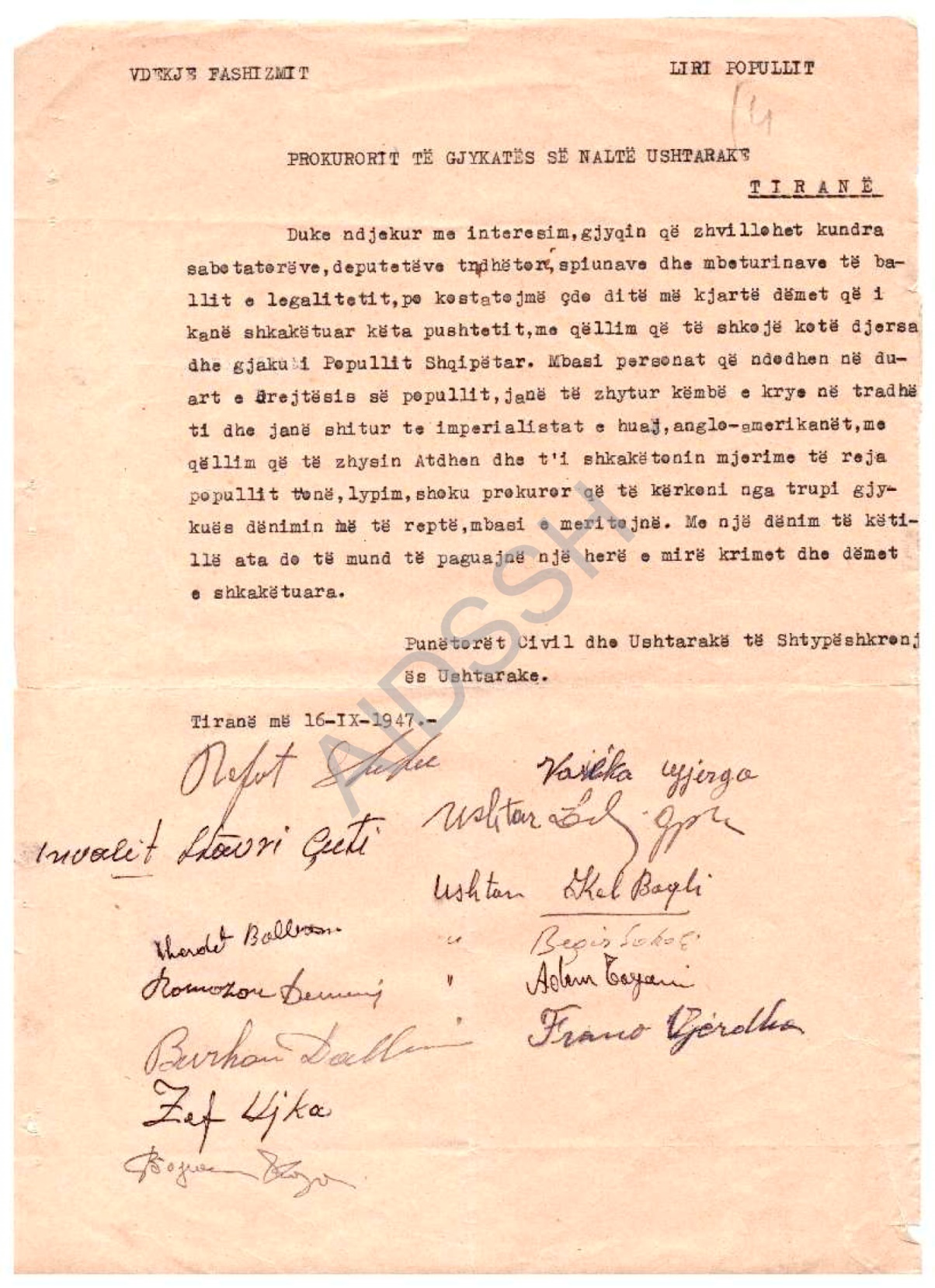
31 December 1947 like a black cloud warns that the Council of the High Military Court has gathered, gathered to try the 19 defendants. In those late hours of that dark night, only the ominous verdict is communicated: 7 by firing squad, 6 life imprisonments, the others 20 and 15 years imprisonment. All this is done on the basis of a “Forwarding Promemoria” that came from the investigation filled with slander.
THE BEQUEST AND THE GRAVE
I want to show the last testimony of the painful and tireless life in the service of true freedom, an aim that Deputy Riza Dani had set for himself with conscience and realized with honesty and dignity. These concrete testimonies written by his hand on cigarette paper strips he had given to his granddaughter, lady Fetie. “The matter is too serious, the trial behind closed doors, without a lawyer and public. The prosecutor accuses me as organizer of the organization of deputies, I have taken part in its meetings, I have held meetings with escapees.
They are shameful lies formulated with the magic of a medieval system of tortures, a system that has been applied also to me. Nevertheless, morally I am strong and I have denied all of them at the trial. What decision this gives, I do not know. Rizai,” – it is noted in another letter. Then he has written: “With hope in God I will die as a man. I thank Feti for the care and for the dishes she has brought me. Bulen (the wife) I bequeath to the grandchildren. These Feti gives to doctor Omer. She keeps the copy for history.”
Another day he has written: “Now that I am writing to you I have suffered a lot, three days without bread and water, 20 days cement, bedding and covering. Feti tell doctor Omer these that I am writing to you: I have refused all the accusations as shameful slander. In case of farewell, I want to be buried next to Agime (the daughter).” The deputy of Shkodra, Riza Dani, is executed on 7 February 1948 and falls with the others into a common grave. The Dani family has not yet found his bones and we only want to know where he rests./Memorie.al
Grandson of Riza Dani