• Rreth Nesh
  • Kontakt
  • Albanian
  • English
Saturday, April 25, 2026
Memorie.al
No Result
View All Result
  • Home
  • Dossier
  • Interview
  • Personage
  • Documentary
  • Photo Gallery
  • Art & Culture
  • Sport
  • Historical calendar
  • Others
  • Home
  • Dossier
  • Interview
  • Personage
  • Documentary
  • Photo Gallery
  • Art & Culture
  • Sport
  • Historical calendar
  • Others
No Result
View All Result
Memorie.al
No Result
View All Result
Home Personage

“Finding no other way to eliminate him, under the pretext that they were sending him to Germany, one night the police took him from the Tirana prison and…” / The unknown story of the German priest, Dom Josef Marxen

“Duke mos gjetur një mënyrë tjetër për ta eliminuar, me justifikimin se po e dërgonin në Gjermani, një natë policët e morën nga burgu i Tiranës dhe…”/ Historia e panjohur e priftit gjerman, Dom Jozef Marksen
“Nëse do ta kundrosh Shqipërinë së epërmi, është Macukulli, fshati ku na magjepsin lulet e kumbullave, por njeriu ia ka kthyer shpinën kësaj perle…”/ Reportazh nga fshatrat e braktisur të Matit dhe Mirditës
“Duke mos gjetur një mënyrë tjetër për ta eliminuar, me justifikimin se po e dërgonin në Gjermani, një natë policët e morën nga burgu i Tiranës dhe…”/ Historia e panjohur e priftit gjerman, Dom Jozef Marksen
“Padër Gjon Shllaku, thoshte se; Turku i Azisë, ka ikur me kohë nga territoret tona dhe s’kemi më të drejtën, ta përdorim si pretekst…”/ Historia e fratit të famshëm, që u pushkatua nga Enver Hoxha
“Duke mos gjetur një mënyrë tjetër për ta eliminuar, me justifikimin se po e dërgonin në Gjermani, një natë policët e morën nga burgu i Tiranës dhe…”/ Historia e panjohur e priftit gjerman, Dom Jozef Marksen

By Ndue Dedaj

Memorie.al / The elders remember: “Father Zefi came to Perlat at a young age, where he served from 1937 to 1943. He learned the Albanian language from the priest of Malaj, Father Mati Fishta. He had a good name among the people. He encouraged the people of our area to get an education; he himself sent a young man from Perlat to study in Germany. He was a knowledgeable man, had a rich library of artistic books, liked to convey the culture of his country, but never failed to appreciate the virtues of Albanians.”

We collected the first data about the missionary activity in Albania of Father Josef Marxen in the mid-90s and published it in the form of a short portrait in the book “Toka e Katedraleve” (The Land of Cathedrals), just as we did with other clerics of the Mirdita Abbey.

About 15 years ago, his great-niece, Cäcilia Giebermann, came looking for him. Together with two of our friends from Rrëshen, we went to Malaj and Perlat, to the church of St. Vlash and that of St. Mary, respectively, where Father Zefi had served, as well as to some families there, where we spoke with elderly people who had known him and who still had some photographs with the German priest. Meanwhile, Cäcilia would reveal his origin.

Gjithashtu mund të lexoni

“In the newspaper ‘The New Turk’, it was said that the director of the Ottoman National Bank, Sir Ernest Cassel, had to offer Ismail Qemali 100,000 pounds as a bribe, so that he would receive…”/ The unknown side of the old man of Vlora

“Like your lordship – I am of the opinion that Tito’s policy, whatever his hidden intentions, has brought great benefit to the Kosovo issue…”/ Unknown letters of Tahir Zajmi, to Mustafa Merlikë

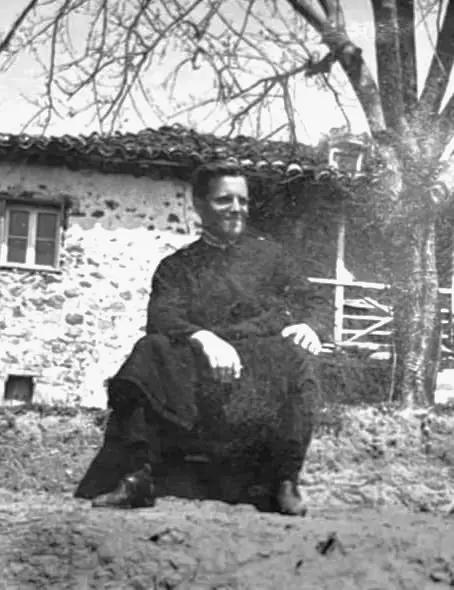
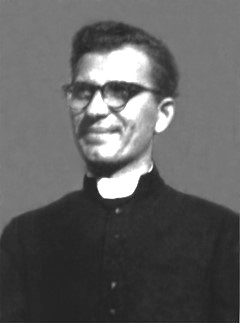
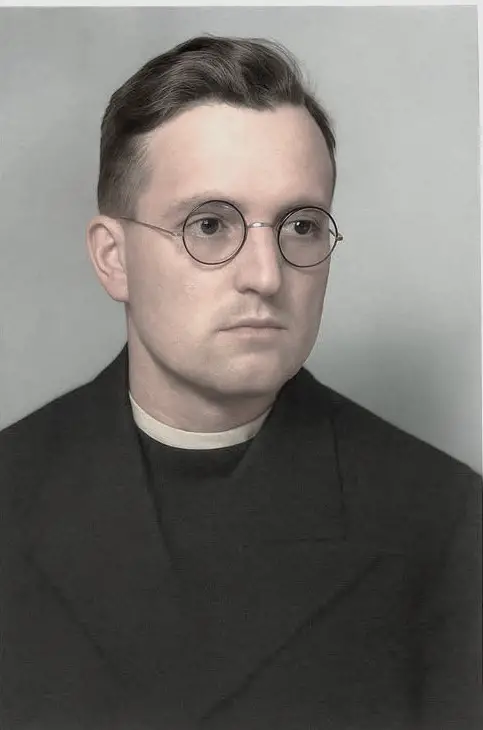
Antonius Joseph Marxen (Father Josef Marxen) was born in Germany, in Worringen, today part of the Cologne city district, on August 2, 1906, into a large Christian family. On June 21, 1936, he was ordained a priest for the Archdiocese of Durrës by the Cardinal Archbishop of Munich, Michael von Faulhaber, who in 1951 would also ordain the young Joseph Ratzinger, later Pope Benedict XVI, as a priest.

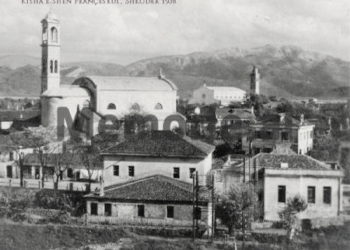
That same year, the young Josef arrived in Mirdita, where on November 1, 1937, he was appointed parish priest in Perlat. He was a colleague of another German missionary, Father Alfons Tracki, who had served in Velipoja. He served as a parish priest in the two parishes of Kthella for six years. His name appears in several damaged church registers. The elders remember: “Father Zefi came to Perlat at a young age, where he served from 1937 until 1943. He learned the Albanian language from the priest of Malaj, Father Mati Fishta. He had a good name among the people. He encouraged the people of our area to get an education; he himself sent a young man from Perlat to study in Germany. He was a knowledgeable man, had a rich library of artistic books, liked to convey the culture of his country, but never failed to appreciate the virtues of Albanians.”

In 1943 he was transferred to Jubë, Sukth (Durrës district), where he stayed until his arrest, about which Father Zef Pllumi has written, just as Father Ndoc Nogaj mentions him among the martyred priests.

The Diocese of Rrëshen, in a recent announcement, made it known that they had hosted a group of friends from Germany, who had come together with the great-niece of the Blessed Father Josef Marxen, Dr. Cäcilia Giebermann: “After the meeting in our Episcopal Curia, we all together commemorated Father Zefi (Josef), visiting some of the places where he served as a priest in Mirdita.

Father Zefi’s great-niece had reserved an emotional surprise for us. She had brought a “banner” from Germany that Father Zefi used during Mass celebrations and took with him everywhere. When he was arrested, a man from Durrës had kept the “banner,” which he had gifted to her in recent years, as she was interested in the places where Father Zefi had served in Albania. That “banner” depicts the image of St. Anne and her daughter, the Blessed Virgin Mary.

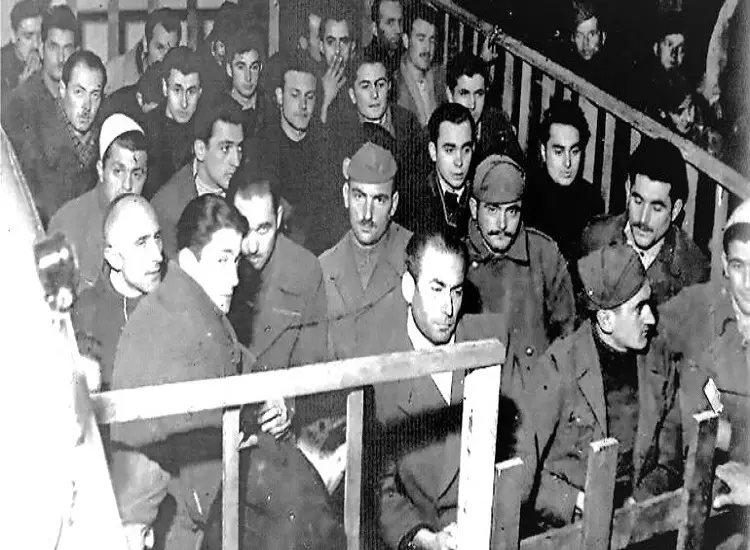
Father Zefi was arrested twice. The first time he was released after the intervention of the elders of the village of Jubë, with the Muslim Lam Asllani at the head. Two or three weeks later, in February 1945, he was arrested for the second time in Shijak and from there was sent to Tirana to the special prison, where Father Lazër Shantoja and Father Frano Kiri were also held.

He was sentenced to two years in prison without any testimony against him, but this was not considered enough by the communist regime, and finding no other way to eliminate him, under the pretext that they were sending him to Germany, one night the police took him from the Tirana prison and shot him in a forest on the way to Kukës. Father Zefi was 40 years old. A few days before they disappeared him, he had said: “I am happy that I will always be remembered by Albanians, as a priest of the faith of Christ.” / Memorie.al
ShareTweetPinSendShareSend
Previous Post

"On February 27, 1950, Minister of Internal Affairs Mehmet Shehu urgently left a meeting, and when he returned an hour later, he said that the Minister of Transport had killed himself..." / Declassified CIA documents

Next Post

"In the Reps camp, I met Avzi Nela, and when I asked him why he had returned after escaping to Yugoslavia with his wife, he told me..." / The rare testimony of a former political prisoner

Artikuj të ngjashëm

“In the newspaper ‘The New Turk’, it was said that the director of the Ottoman National Bank, Sir Ernest Cassel, had to offer Ismail Qemali 100,000 pounds as a bribe, so that he would receive…”/ The unknown side of the old man of Vlora
Personage

“In the newspaper ‘The New Turk’, it was said that the director of the Ottoman National Bank, Sir Ernest Cassel, had to offer Ismail Qemali 100,000 pounds as a bribe, so that he would receive…”/ The unknown side of the old man of Vlora

April 24, 2026
“Emin Biçaku from Qarrishta, in 1944, directed Mehmet Shehu with the First Brigade to follow the route towards the Lespriska Pass, but after the end of the War, they…” / The sad story of the nationalist family
Personage

“Like your lordship – I am of the opinion that Tito’s policy, whatever his hidden intentions, has brought great benefit to the Kosovo issue…”/ Unknown letters of Tahir Zajmi, to Mustafa Merlikë

April 23, 2026
“They approached and the blood froze: on the sheet were lined up 50 human ears, torn personal trophies of a southern formation…”/ Julian Amery’s book, about the massacres of partisans during the war
Personage

“They approached and the blood froze: on the sheet were lined up 50 human ears, torn personal trophies of a southern formation…”/ Julian Amery’s book, about the massacres of partisans during the war

April 22, 2026
“Instead of remaining wise, like thieves who have taken too much, and when they need to fill their pants, lest they eat it, the Greeks and others love…”/ The unknown side of Konica’s creativity
Personage

“Instead of remaining wise, like thieves who have taken too much, and when they need to fill their pants, lest they eat it, the Greeks and others love…”/ The unknown side of Konica’s creativity

April 22, 2026
“The publication of the map in 1902, as well as the major importance of finally discovering it, in order to thus pinpoint the origins and starting point of Albanian cartography…”/ The unknown side of Faik Konica’s creativity
Personage

“The publication of the map in 1902, as well as the major importance of finally discovering it, in order to thus pinpoint the origins and starting point of Albanian cartography…”/ The unknown side of Faik Konica’s creativity

April 22, 2026
“The ensemble, led by saxophonist M. Murthi, violinist M. Tare, [with] S. Reka on accordion and piano, [and] saxophonist S. Selmani, were…”/ The unknown history of the “Dajti” orchestra during the communist regime.
Personage

“The Internal Affairs Branch allowed him to meet at the ‘Dajti’ Hotel with the man from the ‘Zanichelli’ publishing house from Italy, but after a few days, the State Security…”/ How Prof. Jonuz Blakçori was interned at the age of 80

April 19, 2026
Next Post
“As soon as they found out we had people in prison, the residents of Burrel would close their doors and wouldn’t even give you a drop of water for the children, while in the only hotel that was there…” / The memories of Sofika Prifti Cara

"In the Reps camp, I met Avzi Nela, and when I asked him why he had returned after escaping to Yugoslavia with his wife, he told me..." / The rare testimony of a former political prisoner

“Historia është versioni i ngjarjeve të kaluara për të cilat njerëzit kanë vendosur të bien dakord”
Napoleon Bonaparti

Publikimi ose shpërndarja e përmbajtjes së artikujve nga burime të tjera është e ndaluar reptësisht pa pëlqimin paraprak me shkrim nga Portali MEMORIE. Për të marrë dhe publikuar materialet e Portalit MEMORIE, dërgoni kërkesën tuaj tek [email protected]
NIPT: L92013011M

Na ndiqni

  • Rreth Nesh
  • Privacy

© Memorie.al 2024 • Ndalohet riprodhimi i paautorizuar i përmbajtjes së kësaj faqeje.

No Result
View All Result
  • Albanian
  • English
  • Home
  • Dossier
  • Interview
  • Personage
  • Documentary
  • Photo Gallery
  • Art & Culture
  • Sport
  • Historical calendar
  • Others