
Part Two
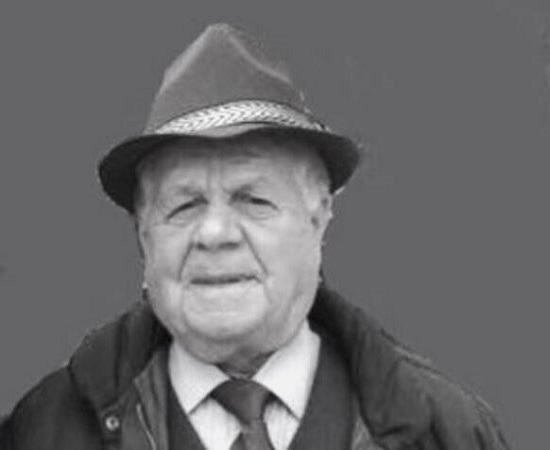
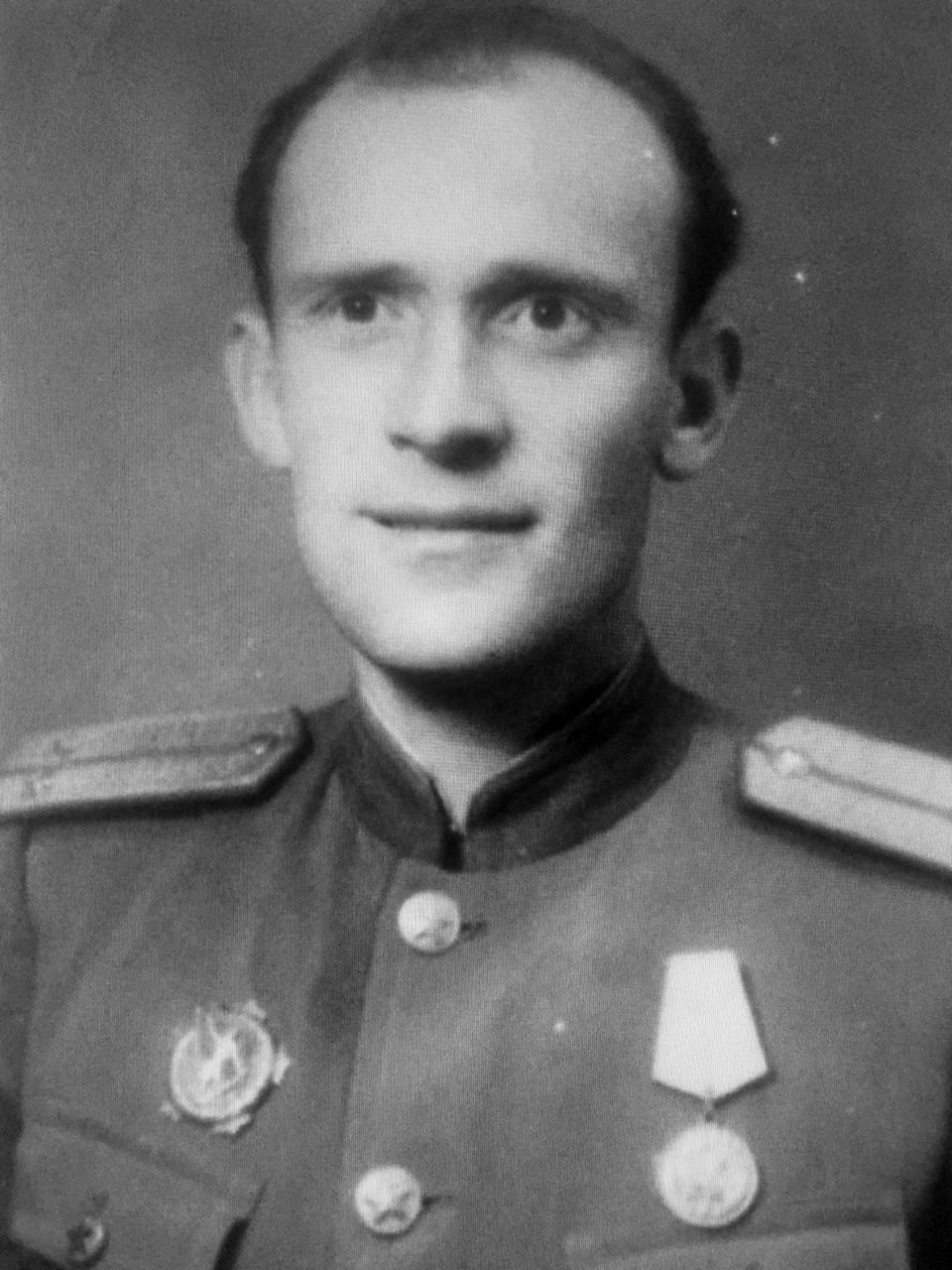
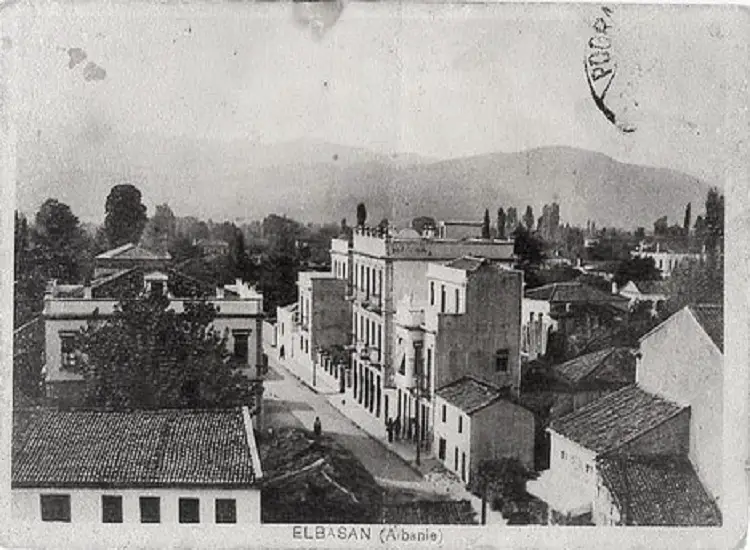
Memorie.al / As the son of an Elbasan family that had been engaged with the forces of the National Front (Balli Kombëtar) during the war period, but who also possessed wealth and property, he bore the label of “enemy and kulak.” So the time came when they would fabricate an accusation against him and sentence him to 10 years in prison. Kristo Mema recounts the torture by the interrogators in the cells of the Elbasan Internal Affairs Branch, where they put him immediately after his arrest, the torture inflicted on him by the chief interrogator Thanas Caku, etc., as well as the torture later when he ended up in camps and prisons, such as the Elbasan camp or the galleries of Spaç, where a man would freeze and thaw again, and still live, defying even the science of medicine. For all this and more, Kristo Mema shares with us in this exclusive interview, which we publish below in this article.
Continued from the previous issue
Mr. Mema, how did the interrogation continue with you?
He lunged at me, threatening me. And he ordered that too, he tied me up and hit me on the shins with the tips of his boots. He tortured me. He took two metal pellets, put them into an electrical socket and said: “Confess!” “What should I confess?” – I said to him. “What did you discuss with so-and-so?” – he insisted. He would list the witnesses. “But I haven’t discussed anything with them,” I told him. “Well, they say otherwise…!” “You’ve taught them,” – I said, “for heaven’s sake…!” Shim Kolli interrogated me for fifteen days straight; I did not accept the witnesses’ statements.
In the end, I said: “Sir, I know I will be convicted. Take the documents, close the investigation, and sentence me as much as you want.” Finally, he came and said: “We’ve finished the work together.” After three months. “You,” – he said, – “are stubborn; you follow the path of your parents. You will end up like them.” “Yes,” – I told him, – “I might end up like them, but I have a feeling that I have done nothing wrong. If my parents or my relatives are like me, then they too have been convicted for nothing.” He started hitting me again… In the end, he closed the indictment. At the trial, they sentenced me to 10 years. They also accused me of possessing a weapon, but it wasn’t proven. At the trial, it was not taken into account. After I was sentenced, they took me to Tirana prison.
In which year were you sentenced?
In ’63. I was arrested on August 20th and sentenced three months later, on November 20th. On December 10th, I went to Tirana prison, there… surprisingly, there was a prison rule: washing was done. I hadn’t washed in three months.
Where did they send you to serve your sentence?
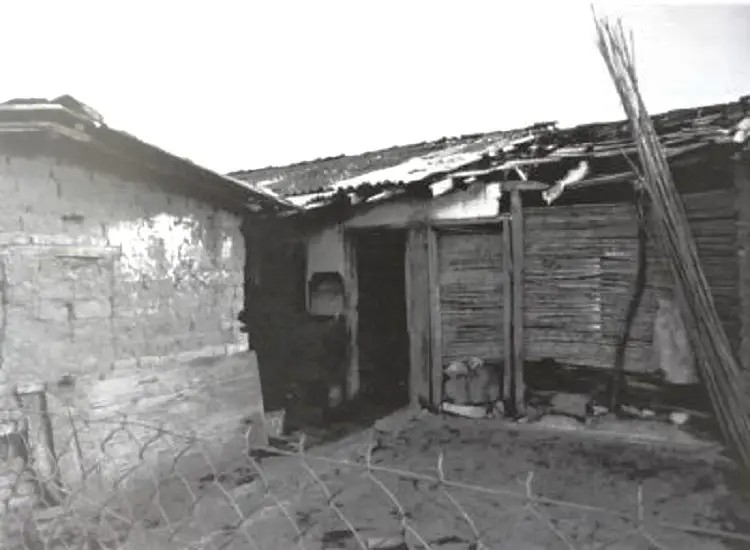
They sent me to the Elbasan camp, where one day we attempted to escape, but the tunnel collapsed, because since it rained that night, the tunnel caved in, and that’s how our exit supposedly failed. This tunnel was worked on by two persons: the one who heated the autoclave and the bath cleaner. They always took the excavated earth and took it outside. These were traps set up by Nevzat Haznedari. They arrested us, chained us with iron bars, and stripped us naked, for four days only in our underwear. They placed two “bodies” [torture devices].
Where were they keeping you?
In the camp, in Elbasan. They put down two rails, made us lie on our stomachs. They placed the rubber baton, filled with sand, so that the baton would have a hollow, not become clogged, but would come and crush the body. They put us in one by one; there were three rooms where three of us would go in at once. Rubber truncheons filled with sand… they made the “body,” exactly as if we were geese. Cells get damaged; even muscles tear open down to the bone. Until they got tired of it. They released us. They took the cauldrons of hot water from the kitchen and put us in them. They cut part of the iron bars because our hands couldn’t fit through.
I had Doctor Miço Konomi nearby, a prisoner like us, but I could barely speak… my saliva had dried up. “Is there anything [wrong]?” – I asked him? “No, these regenerate quickly, they close quickly,” he said. But with the body torn open, a strange thing, all flesh. They took us right there and sent us to Burrel. That is to say, this was in January of ’66. They left us there for two months. They sent us back to Elbasan. We stayed there without work, because the Spaç camp was being prepared. We had nowhere to go.
How long did you stay at the Elbasan camp?
We stayed until April 20th, ’68, and then they took us to Spaç in Mirdita, on April 20th, ’68.
What work did you do in Spaç?
There we started working in the galleries, but people didn’t know the underworld. It was terrible for anyone. We had never worked before. There the dictatorship cracked down, so to speak, with police forces, with iron bars, with tying to poles, with cables – meaning with the purpose of forcing them to go inside the galleries…! It got to the point where an alarm was raised at the Ministry of Internal Affairs that the prisoners were not going into the galleries.
They built all sorts of traps. When families came for a visit, they would rob them… the peasants, but the Sigurimi [Secret Police] did these things. I remember my brother came, met me, and told me: “Listen, don’t wait for me anymore, because I’m not coming,” – because they had robbed him. Food, nothing; they had taken it; clothing, whatever he had; the aid he was going to bring me.
Nevertheless, the Ministry of Internal Affairs was notified, because it was discovered that they were exploiting them badly, taking their food, discrediting them. Then, regular work began; people were forced by the baton. We continued the work, but the bunks were made of plywood. Full of bedbugs, like everywhere, because I haven’t mentioned it before – in every kind of camp, bedbugs would eat you. And what did we do? We would sew bed sheets together, make them like sacks, and get inside them, but the bedbugs still got in, because you had to open a hole… to breathe. And because of these things, all sorts of troubles…!
What was the work in the gallery like?
Very hard. So, in the gallery, the temperature was 30 degrees Celsius. You would undress down to your underwear…! Before even grabbing the shovel, sweat would pour out of you!
Was a quota required of you?
The quota was very heavy, indeed. There were Polish wagons, which carried 7 quintals, 700 kilos, and the three of us would fill 20 wagons like that.
What happened to those who didn’t meet the quota?
Everyone, all night long, would have to go in and work on the telpher. All night long. It was impossible. Or else you would stay tied to a pole all the time, if you didn’t make the quota within the 8-hour shift. After the 8-hour shift, they would take you, and if you continued like that, it would be the same story – they would tie you to poles outside.
Then, when it was cold, a man would freeze. The policeman would take him, light a fire, and warm him up so that he would thaw. A strange thing this – even the doctors at the time discussed it, saying this is an odd power. Meaning a man freezes and lives, thaws and still lives. Science doesn’t accept it, yet God…!
Were you in Spaç during the time of the revolt?
In ’73, the Spaç revolt broke out. I had three months left to be released. Then, they started, they arrested those who had taken part… they shouted, they beat them. They arrested many of them. They set up a special trial. Within 24 hours, Kasëm Kaçi came out. He was the General Director of the Albanian Police, with a loudspeaker. They were tried, sentenced; 4 were executed by firing squad and 15 were sentenced to 25 years.
They all were taken and sent to Burrel, while we, after they took these people and were trying them – at first they took them to Tirana, then they brought them to Rrëshen – they put up some signs: “Don’t stop,” “Don’t talk,” “Don’t gather,” and they introduced a rule: within 30 minutes you had to do all your tasks – line up, eat, wash your bowl, take it to the warehouse, and get out. So, if they caught you not obeying the sign, the policeman would immediately hit you.
When were you released?
I completed my sentence in ’73. ’63–’73, ten years. There was a file-keeper named Diamanti…! They called the officer who had the file. He came out, “so-and-so,” “yes, he has completed his time,” – says also the head of the Technical Office, who was our representative there, but a prisoner himself. The officer says: “You are also sentenced to an additional two years.” “Why?” – I say to him. “I haven’t been sentenced. I know I received one sentence!” He said: “You were accused of a weapon.” I said: “I was accused of a weapon, but nothing was found, and in court I didn’t hear about it.” He said: “According to the court decision… you must go back.” So, after the file was completed, I returned to serve the additional two-year sentence.
They didn’t communicate these two years of sentence to you at the trial?
Absolutely not. So I was forced to go back and do another two years. One and a half years – the rest I earned through work.
What happened with your family while you were imprisoned?
As bad as can be. So, according to correspondence we had, those people were interned; they were moved from the city to the village. Even there, they worked with the other cooperativists.
Where did you go after you were released?
After I was released, directly to the village. Then I started and worked. I wanted to build a house. But there were some rules. I had to get permission from the chairman of the Council. I prepared all those documents. It was approved. I was allocated 150 square meters of land. I started, but the cooperative didn’t help me – with a machine, no way, nor even with a cart.
So I got a distribution truck, just for sand and gravel, while all the other materials I carried by hand: the roof tiles by hand, the lime by hand, the bricks by hand, the lumber – all by hand…! They didn’t give me any kind of vehicle to build a house. Finally, I finished it, but I would go to work, and then work at night, until I built one room for myself.
Didn’t you start a family?
I was married, but we separated when I went to prison. No one approached me at that time, because there was a lot of hatred. Moreover, people wouldn’t even talk to me, let alone be my friend. “Enemies of the system” were not supposed to start families, so that he would have no relatives – only we would remain, time would eliminate us. / Memorie.al