• Rreth Nesh
  • Kontakt
  • Albanian
  • English
Wednesday, March 4, 2026
Memorie.al
No Result
View All Result
  • Home
  • Dossier
  • Interview
  • Personage
  • Documentary
  • Photo Gallery
  • Art & Culture
  • Sport
  • Historical calendar
  • Others
  • Home
  • Dossier
  • Interview
  • Personage
  • Documentary
  • Photo Gallery
  • Art & Culture
  • Sport
  • Historical calendar
  • Others
No Result
View All Result
Memorie.al
No Result
View All Result
Home Personage

Eduard Llesh Marashi, the two-legged man who challenged the communist regime in Enver Hoxha’s prisons

Eduard Llesh Marashi, the two-legged man who challenged the communist regime in Enver Hoxha’s prisons

By Caf Jonuz Çulaj

Memorie.al/The last ten years of his life he spent on the ground floor of a building near the train station in Shkodra. The conditions of that room were like a prison. The light came in enough to separate the day from the night, the air was full of moisture. He had seen and worse. The character of this article is Eduard Llesh Marashi. In recent years he was in extremely poor health. Two legs cut below the knees and a collection of diseases, known only to him and the doctors.

How did he live in that condition?! We often visited his fellow prisoners, giving him the courage to survive. He was the horses completely in the cells of prisons and camps. He constantly challenged the disease and although younger than me, he encouraged me. He once said to me: “The Albanian people are enduring the cancerous disease of communism, and they are not giving up, how can I give up this disease”?!

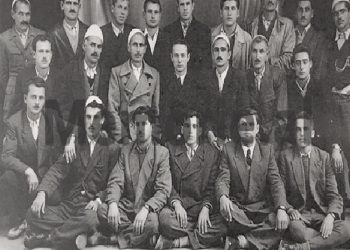
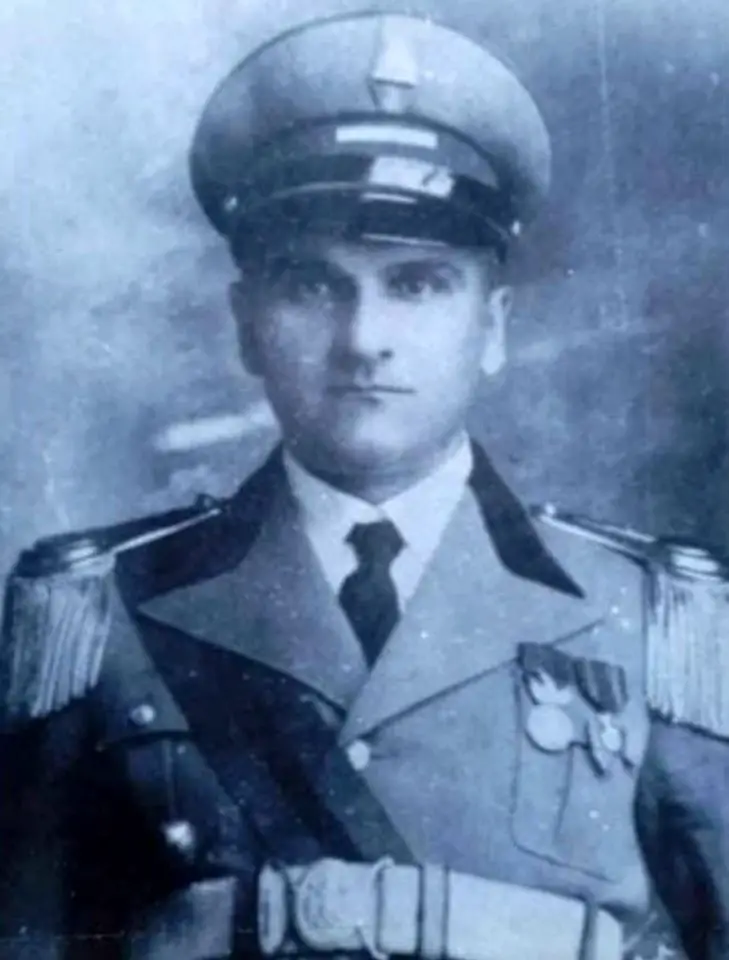
He was born in 1934, in Shkrel of Shkodra, in a family with many traditions. Marash Vata’s three sons became officers. Kanto Marashi, Gjokë Marashi and Llesh Marashi, who was Eduard’s father. His family also produced clergy. In such an environment he received the first lessons of religion. He was only 5 years old when Italy invaded Albania. As an anti-fascist, his family took refuge in the mountains. His father, Lleshi, briefly participated in the first partisan gang in 1942, but quickly left it, as his ideas were nationalist.

Gjithashtu mund të lexoni

“In the autumn of 1941, while serving as the head of schools in Himara, he was arrested by the Greeks and sent to the Division command in Kudhës, accused of…” / The unknown history of the patriot Janko Ll. Pali.

“Professor Ramadan Sokoli told me that the song for Çelo Mezani by the Chams of Rrogozhina was planned to be included as early as the ’73 Folk Festival, but…” / The rare testimony of the renowned journalist

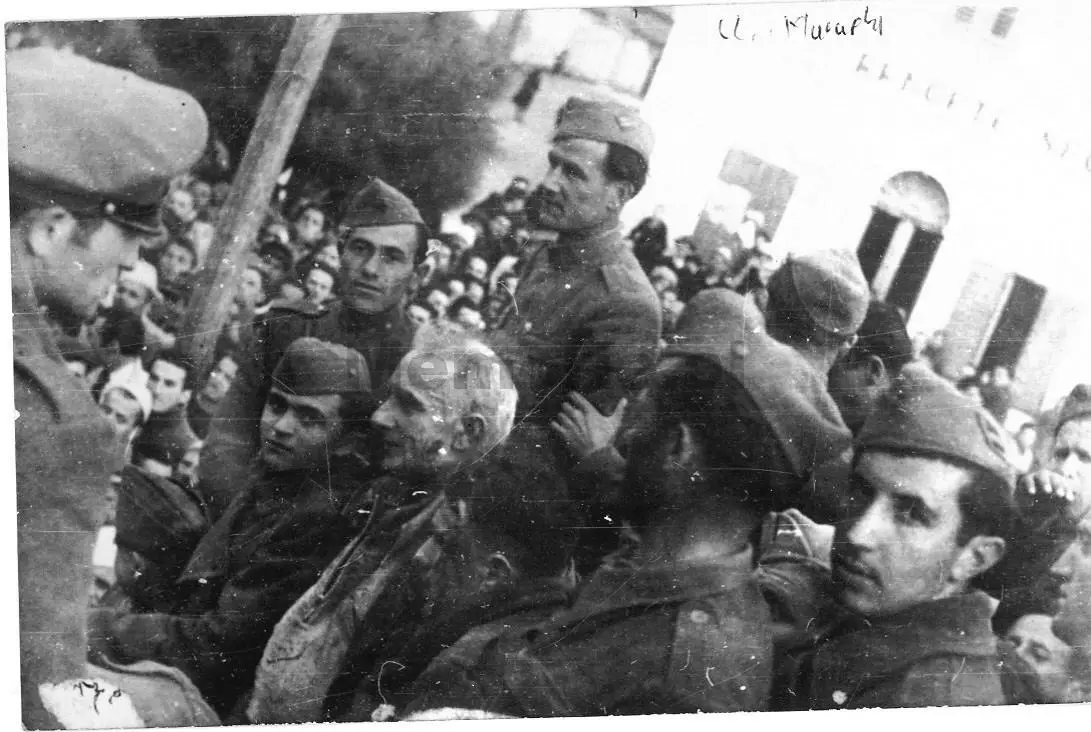
As the years passed, Edward grew and formed without seeing what was happening. November of 1944 came and Lleshi escapes to the mountains again. While in December of the same year, his family and tribe were interned in the castle of Berat. Koplik’s movement led by him fails and he is caught treacherously, in a cave in Razëm of Shkreli. It depends on the center of Shkodra. Before the execution, the officer asks him what his last words were. “Long live the first bird, long live free Albania” and this testimony is authentic and was shown in confidence by that officer who does not live today.

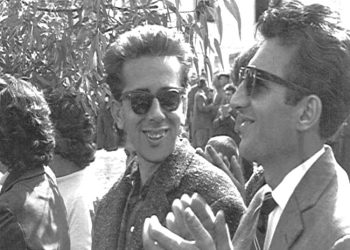
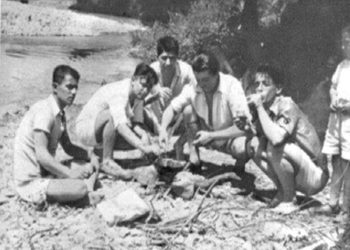
As a child, Eduardi returns to Shkodra and continues school, but it is in the eyes of the students who had received orders to monitor him. Until 1951, he continued high school and in complete secrecy, organized a resistance with his friends, whose parents had been beaten in various forms by the communist regime. State Security had sharp ears and long ears. Arreston Eduardin, Q. Elezin, R. Uruçin, Xh. Xhaferrin, and F. Kombin. They torture them but they do not show it.

They are being tried but they still stand. And they are punished by passing year after year, in prisons and internments. Prisons and camps were the schools where his character was most tempered. Teacher, there were elderly prisoners. His mind worked well and he absorbed a lot of knowledge. He is finally released from prison, but is not housed in his house because he was seized, but in a dilapidated apartment. His health condition was deplorable and he works in the most arduous and low-wage jobs.

His sister, Gina, teaches him tailoring, and he works secretly to earn a living. It does not last long, because in the neighborhood where he lived, he is unmasked and arrested, because he made propaganda against the government. Article 55 of the Criminal Code of Albania was applied rhythmically. This article, to give 7 years of imprisonment. The trial took place in the Shkodra Branch of Internal Affairs, where its chairman told him: “Now the old fox has come to an end. You will remain a permanent resident of our prisons.” Eduard answers: “I do not regret at all, that Albania is a giant prison and all Albanians are prisoners, except for some hounds.”

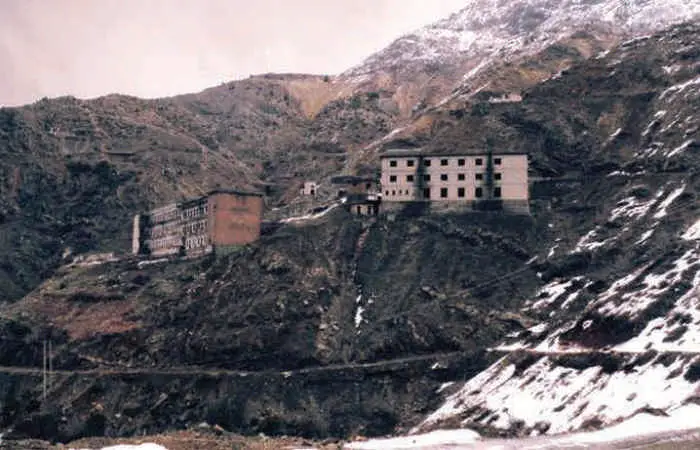
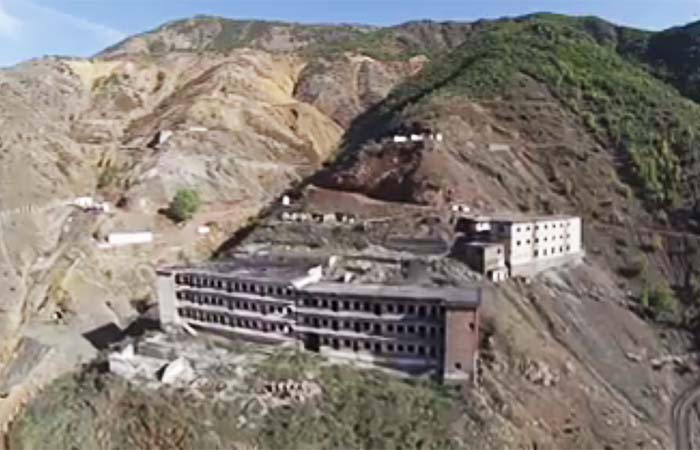
He is sent to Burrell Prison, where he suffers from dampness and hunger. Then they take him to Spaç. The disease progresses and he uses crutches. In 1979, Eduardi, Fadil Kokomani, Vangjel Lezho and Xhelal Koprencka wrote a letter to Enver Hoxha, telling him to change course and start, because the system he had built would collapse.

“Zeus” of Tirana, was furious. He immediately sent his delegates to Spaç. The question they asked the 4 brave ones was deceptive. Did you write the letter in a depressed state and now you regret it?! The four replied that they had written it with a clear mind and were glad that she had arrived at her destination. There was nothing left but the trial.

Edward, due to illness, is sentenced to another 25 years. What does death in prison mean? The disease progressed and both legs were amputated. Crutches are obsolete. After that it is the friends who carry it on their backs.

It is the time when Ramiz Alia was the chairman of the Presidium of the People’s Assembly. Edward writes a letter to him, telling him that you deliberately spared my life to die in prison. I will know you for the honor of killing me, as I cannot live at the expense of my friends.

Ramiz Alia deliberately sends a photojournalist to see how things stand. They photograph him in the middle of the prison yard. For the regime, now he posed no danger. Transferred from Spaçi to Shkodër. Now the police are forced to carry him on their backs.

He is finally released. Tue being very sensitive does not accept alms, but wants to work. A friend of his provides him with a sewing machine. Think now what efforts this man is making, in that state of work. He died in 1990, and was buried without religious ceremonies or speeches. He was quietly buried by family and friends in deep pain. /Memorie.al
ShareTweetPinSendShareSend
Previous Post

Historical Calendar May 22

Next Post

"The messages given to me by the Albanian embassy in Rome in '74 and the meetings with Nesti Nasen in New York, where the staff of the UN mission, I…" / Rare testimony of the Albanian-American

Artikuj të ngjashëm

“In the autumn of 1941, while serving as the head of schools in Himara, he was arrested by the Greeks and sent to the Division command in Kudhës, accused of…” / The unknown history of the patriot Janko Ll. Pali.
Personage

“In the autumn of 1941, while serving as the head of schools in Himara, he was arrested by the Greeks and sent to the Division command in Kudhës, accused of…” / The unknown history of the patriot Janko Ll. Pali.

March 3, 2026
“When I told Professor Ramadan Sokol, that; why don’t you quote the main leader of the Party in the introduction of the book, as requested by the editor, he no longer…”/ The rare testimony of the well-known journalist and researcher
Personage

“Professor Ramadan Sokoli told me that the song for Çelo Mezani by the Chams of Rrogozhina was planned to be included as early as the ’73 Folk Festival, but…” / The rare testimony of the renowned journalist

March 2, 2026
“In September 1944, Abaz Ermenji met with three British officers, Maclean, Smiley, and Amery, and it was agreed that a joint group would be formed to fight…” / The unknown side of the former head of Balli Kombëtar.
Personage

“In September 1944, Abaz Ermenji met with three British officers, Maclean, Smiley, and Amery, and it was agreed that a joint group would be formed to fight…” / The unknown side of the former head of Balli Kombëtar.

March 1, 2026
“In the meeting held at the Korça municipality, the Committee of ‘Public Salvation’ was formed, with Fazlli Frashëri as chairman, and Selman Riza and Masar Shehu as secretaries…” / The unknown history of the professor from Kosovo.
Personage

“In the meeting held at the Korça municipality, the Committee of ‘Public Salvation’ was formed, with Fazlli Frashëri as chairman, and Selman Riza and Masar Shehu as secretaries…” / The unknown history of the professor from Kosovo.

March 1, 2026
“Aziz Biçaku was forced to kill Rexhep H. after the latter joined the Pursuit Forces and the Sigurimi to track anti-communist groups; therefore, they declared him a ‘Martyr of the Fatherland’ and…” / Reflections of researcher Ali Buzra.
Personage

“Our friend Esat Dine was killed during the escape attempt, whereas our group leader, Selim Haxhija, surrendered because he was an infiltrator for the State Security…” / The rare testimony of Jonuz Ndreu, from the USA.

March 1, 2026
“Around ‘Balli Kombëtar’, under its command, the flower of youth rushed forth; part of them were reaped while defending the Albanian tradition, others were…” /From the speech of Prof. Abaz Ermenji at the funeral of Mid’hat Frashëri, New York 1949.
Personage

“Around ‘Balli Kombëtar’, under its command, the flower of youth rushed forth; part of them were reaped while defending the Albanian tradition, others were…” /From the speech of Prof. Abaz Ermenji at the funeral of Mid’hat Frashëri, New York 1949.

February 27, 2026
Next Post
“The messages given to me by the Albanian embassy in Rome in ’74 and the meetings with Nesti Nasen in New York, where the staff of the UN mission, I…” / Rare testimony of the Albanian-American

"The messages given to me by the Albanian embassy in Rome in '74 and the meetings with Nesti Nasen in New York, where the staff of the UN mission, I…" / Rare testimony of the Albanian-American

“Historia është versioni i ngjarjeve të kaluara për të cilat njerëzit kanë vendosur të bien dakord”
Napoleon Bonaparti

Publikimi ose shpërndarja e përmbajtjes së artikujve nga burime të tjera është e ndaluar reptësisht pa pëlqimin paraprak me shkrim nga Portali MEMORIE. Për të marrë dhe publikuar materialet e Portalit MEMORIE, dërgoni kërkesën tuaj tek [email protected]
NIPT: L92013011M

Na ndiqni

  • Rreth Nesh
  • Privacy

© Memorie.al 2024 • Ndalohet riprodhimi i paautorizuar i përmbajtjes së kësaj faqeje.

No Result
View All Result
  • Albanian
  • English
  • Home
  • Dossier
  • Interview
  • Personage
  • Documentary
  • Photo Gallery
  • Art & Culture
  • Sport
  • Historical calendar
  • Others