
By Dashnor Kaloçi
Memorie.al – The armed military conflict that began two years ago between Israel, the USA, and Iran, and mainly that of recent months in the Persian Gulf over control of the Strait of Hormuz, is not an unheard-of “music,” as it was also “played” a full forty-five years ago, with the same script, but with different actors playing the roles. Regarding those events that led to bloody conflicts so severe that the world held its breath over the risk of a new world war, among others, the leader of Communist Albania, Enver Hoxha, also kept notes in his political diary. Moreover, analyzing in detail, on the political and economic plane, everything that happened in that conflict and the role of the USA, the Soviet Union, Israel, France, Great Britain, Japan, and the Arab countries, etc.
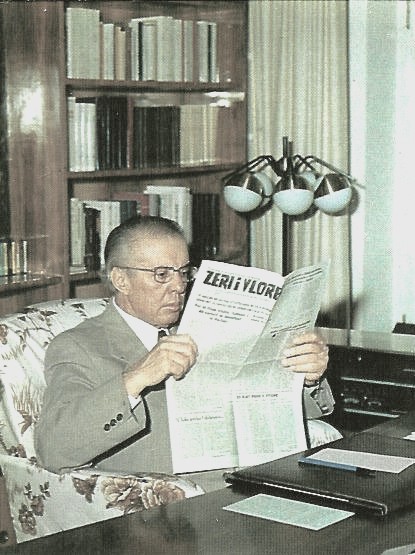
For more, we present the document in question from Enver Hoxha’s political diary, dated June 13, 1984, which is published for the first time and in its entirety by Memorie.al.
ENVER HOXHA’S POLITICAL DIARY
WEDNESDAY
13 JUNE 1984
A SERIOUS SITUATION OF TENSION IN THE PERSIAN GULF
For some time now, a rather serious situation of political tension has been created in the Persian Gulf, accompanied by the risk of a large-scale conflict breaking out.
This tense crisis situation affects not only the Arab countries of the Gulf and Iran, but also a large number of industrialized capitalist countries of Western Europe, Japan, etc. The greatest and most open threats are being made against Iran and the Iranian people.
In fact, under some pretext, and especially that of a broken balance, the United States of America or the Soviet Union could intervene directly with military means in that country, or incite some neighbouring reactionary regime to do so.
Now the whole world knows that it is the United States of America and the Soviet social-imperialists who are fanning the flames of war in the Persian Gulf, just as they are doing in the Near East, the Middle East, Africa, and elsewhere.
Let us take the Iraq-Iran war, which has continued for several years with colossal losses and damages on both sides – a conflict which, as it appears, will continue for a long time yet.
Both superpowers are exploiting this conflict to sell arms worth billions of dollars and to test their concrete destructive effects; to secure the plunder of oil at the cheapest possible prices; to sabotage and undermine the progressive movement of the peoples of Iran and the Arab countries, and to suppress their liberation struggle – that is, to thrust their blood-stained hands into the internal affairs of the peoples of this region.
I have written on other occasions as well that the great oil-bearing region of the Middle East is the target of the plots and strategic plans of both superpowers and other imperialist powers. They will never withdraw from this region, because they do not want to lose or damage the privileged economic or strategic-military positions they have secured in these areas.
Therefore, they will fan the flames of war in these hotbeds, keep local wars burning, help reactionary regimes with arms and politically, incite one people against another, and, before one conflict ends, ignite another.
This is what happened last year with the events in Lebanon, where, after the plan for a new heavy blow against the Palestinian fighters was carried out, the flames of war were extinguished there and the intensity of the Iraq-Iran war and the crisis in the Persian Gulf increased.
Today, in these brief notes in my Diary, I do not wish to speak about the entire Middle East, but only about the serious crisis that has arisen in the Persian Gulf, what this crisis is connected to, and who is truly responsible for it.
As I see it, this war is waged primarily for oil, which for the moment constitutes the main source of energy for the world economy. The Arab countries, and especially the countries on the shores of the Persian Gulf, or the Arabian Gulf as some call it, are the largest producers and suppliers of oil for the overwhelming majority of the industrialized capitalist countries of Western Europe, Japan, and several others.
Some of these states obtain 40–85 percent of their oil needs from the Persian Gulf countries, while Japan obtains over 90 percent of its needs.
Known oil reserves in the Arab countries and Iran are estimated at 367 billion barrels – a figure that some consider much lower than the real one – while annual oil exports do not exceed 15 billion barrels, 4 billion of which are absorbed by American monopolies.
This is why the interests related to the intensification of the crisis and the outbreak of a large-scale conflict over oil are diverse and, in most cases, incompatible.
This colossal quantity of oil, which is transported mainly by sea in very large tanker ships, must pass through the Strait of Hormuz, which connects the Persian Gulf with the Gulf of Oman and further on with the Indian, Pacific, or Atlantic Oceans. How have they raised the tension and are they keeping it artificially high in the Persian Gulf?
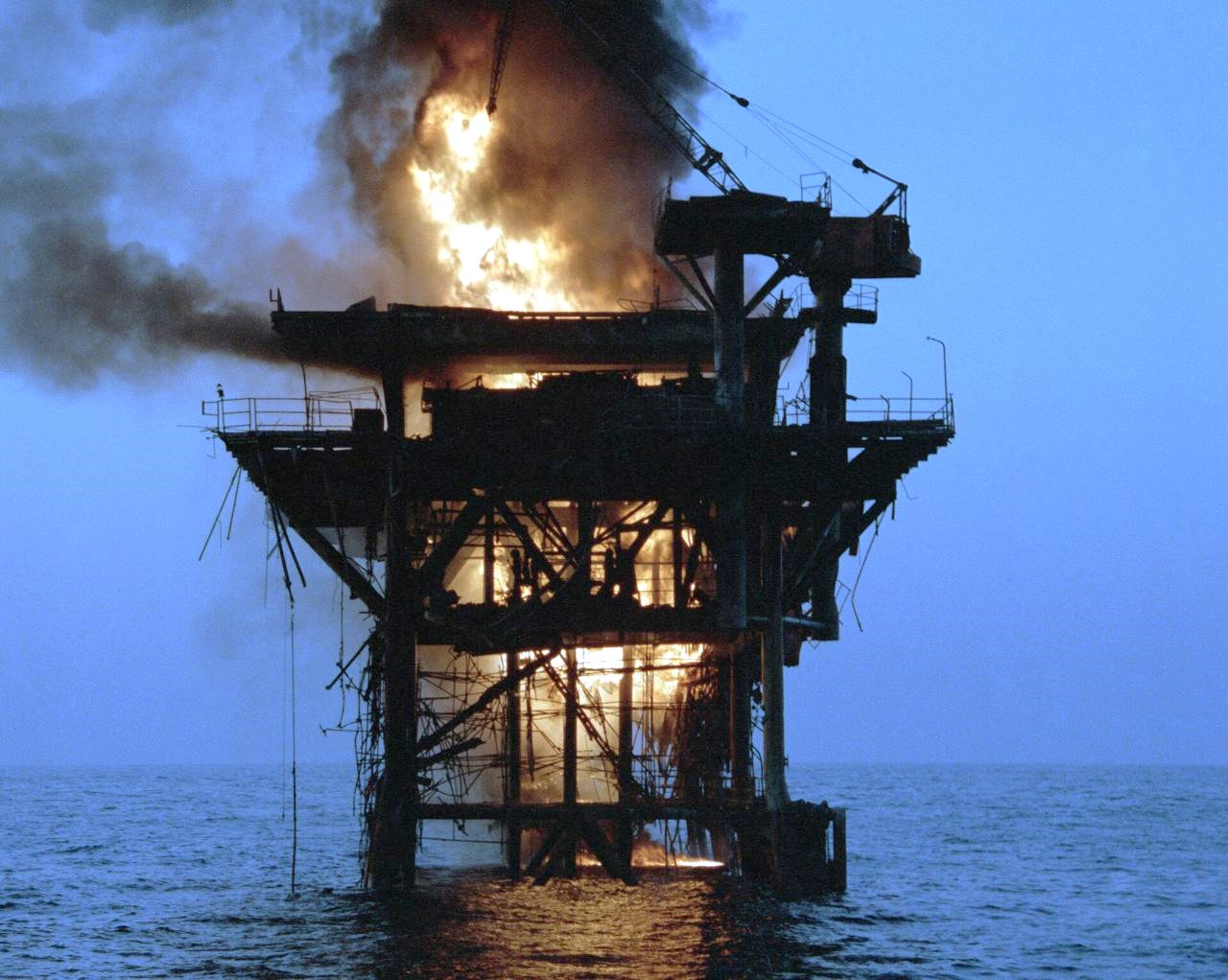
In the last two years, Iraq – which is supplied with modern armaments (aircraft, missiles, artillery) by the Soviet Union as well as by several other imperialist powers such as France (which supplies it with Mirage aircraft and Exocet missiles), Great Britain, and the United States of America – wishing to force Iran to surrender or to accept an end to the war on unacceptable terms, has bombed several cities where part of Iran’s oil refining industry is located, such as Abadan, Bandar Khomeini, and Kharg Island, and has also struck with missiles a considerable number of ships carrying Iranian oil through the Strait of Hormuz.
In defence of its own rights, Iran, for its part, declared that if Iraq did not stop bombing industrial cities and desist from its efforts to impede the transport of Iranian oil, it would close the Strait of Hormuz and stop the passage of ships.
The implementation of this measure would lead to the suspension of oil supplies to all industrialized capitalist countries of Europe, Japan, etc., where the consequences of the energy crisis would be incalculable.
There is no need for me to explain these consequences at length, because it has been proven in the past – it was proven in 1973 and afterwards – that without oil, industrial life in many capitalist countries is suspended, the phenomenon of the economic crisis reaches its peak, and is accompanied by great and very severe political, economic, and social upheavals.
Governments and parties are toppled or come to power over a drop of oil. Scandals involving high-level personalities of the capitalist bourgeoisie break out over a drop of oil. Therefore, Iran’s threat to close the Strait of Hormuz created great concern, disorientation, and unprecedented alarm in the capitalist world.
The United States of America, as the leader of world imperialism, immediately took countermeasures by announcing that it would protect “its own national interests and the interests of its allies” in the Persian Gulf by all means.
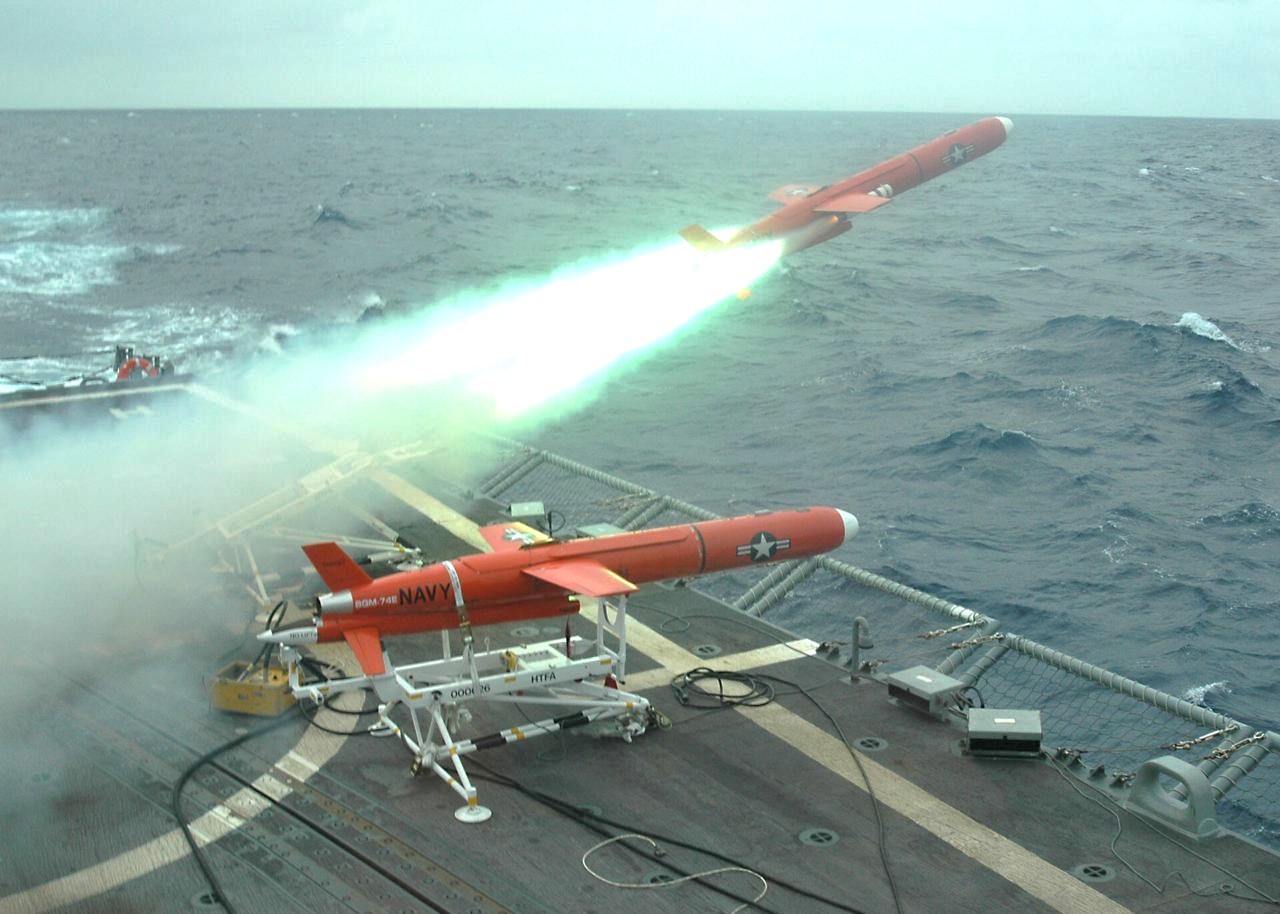
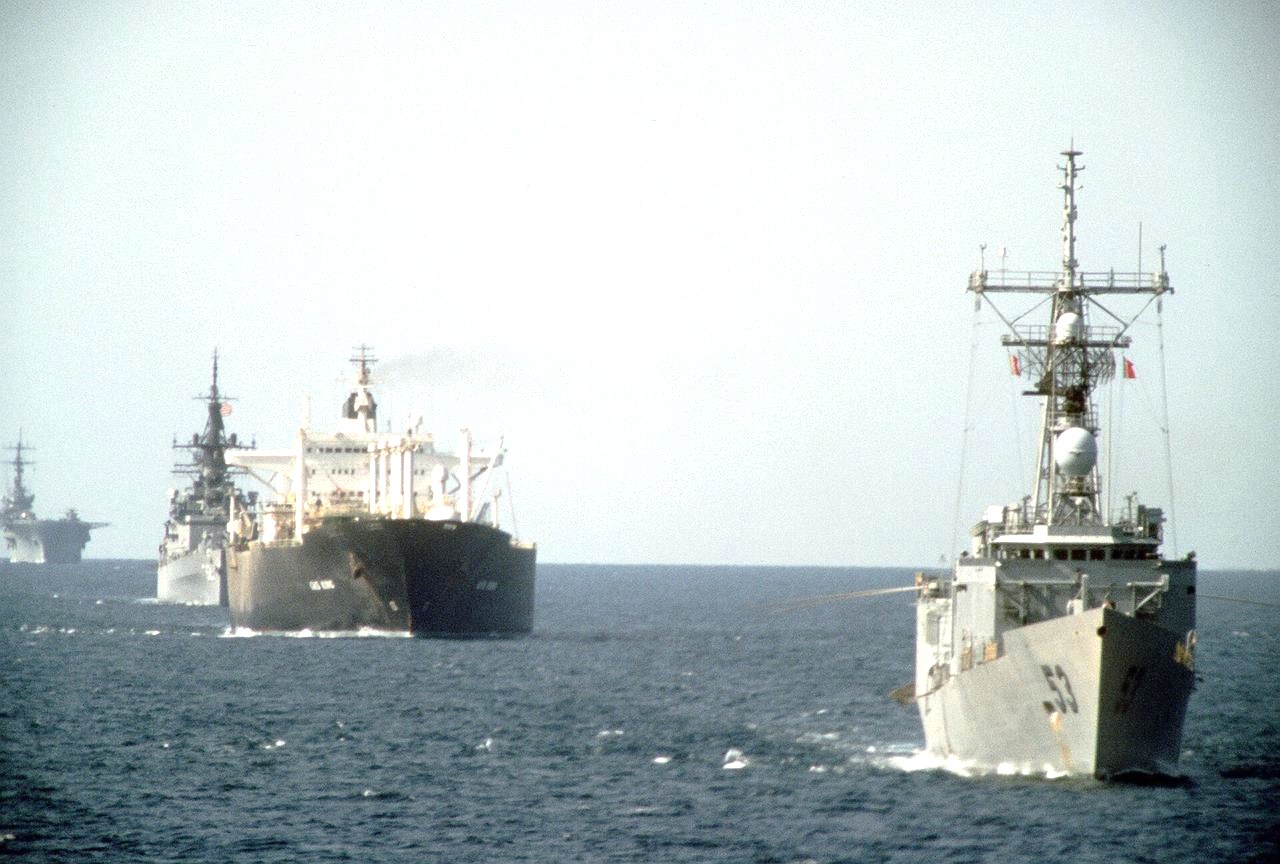
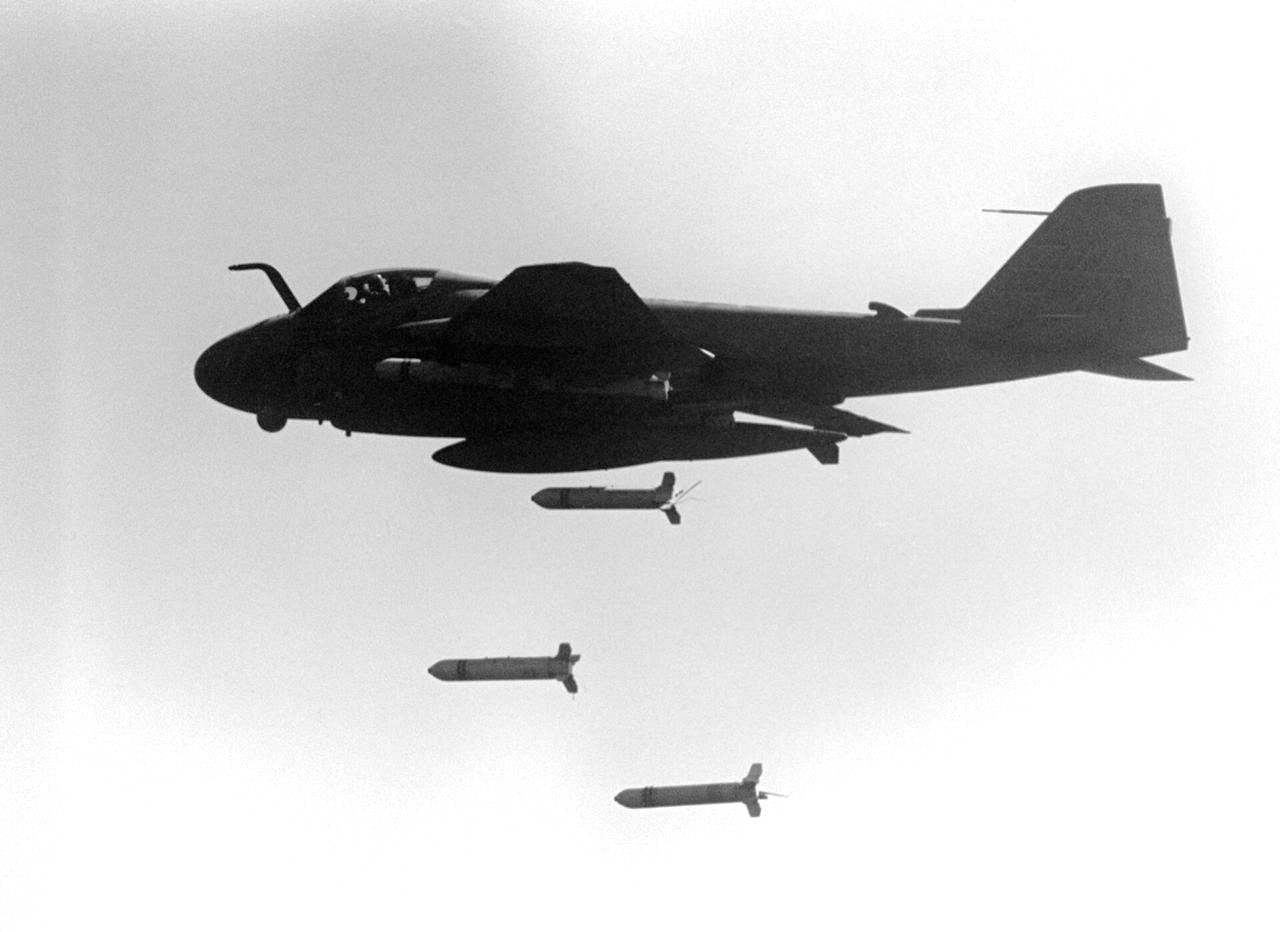
They immediately sent a portion of their naval fleet, air forces, and Special Forces trained for guerrilla and urban warfare and large-scale landings, to the Gulf of Oman. The leaders of the American empire publicly declared that these forces would intervene immediately in Iran if that country closed the Strait of Hormuz.
In fact, these assault forces have plans and are on standby to execute the Pentagon’s orders for such an intervention, regardless of how the Iranian people might view and confront it.
The Americans should not forget their failed action at Tabas in 1981, where they suffered a humiliating defeat. The people of Iran are awake; they bear great hatred for the American empire, and are determined not to allow anyone to interfere in their internal affairs.
Meanwhile, Iraq, instigated by the imperialist powers and the Soviet Union – whose relations with Iran have continuously deteriorated due to Soviet interference in that country’s internal affairs – has continued its bombing attacks and has struck dozens of tankers going to load oil at Kharg Island or sailing loaded from there towards the open sea beyond Hormuz. Ninety percent of Iranian oil is loaded onto tankers at the large terminal on Kharg Island. This is why Iraq has made that island the primary target of its attacks. It is precisely these actions that have raised the tension even further.
Several times recently, the tension has risen so high that the conflict has been on the verge of turning into a major war, in which, besides the superpowers, most of the Arab countries of the Persian Gulf would inevitably become involved. Faced with this danger, urgent meetings of the Security Council have been called on several occasions, frequent appeals have been made for “cooling tempers,” etc., etc.
But are all the governments of the capitalist countries, whose economies depend on Arab oil, ready and inclined for a conflict to break out in the Persian Gulf? I think not. Not all capitalist governments – and by governments I mean the monopolies and multinational companies connected to and dependent on the oil of the Gulf countries – agree that Iran should be placed in such conditions as to be forced to close the Strait of Hormuz, because, as I have said, such a thing would create a very serious situation not only for their economies, but also for their military forces.
Japan, for example, under no circumstances wants the situation to develop into war, and the world press and news agencies have transmitted reports and commentaries on this. As it appears, in this case the Japanese are against committing harakiri in the Persian Gulf, regardless of what the Americans say and want. The same applies to some other countries of Western Europe. Clearly, in this regard, there are powerful conflicts of short-term and long-term interests. This is the first point.
Second. The great Arabian Peninsula and Iran, stretching along the eastern shores of the Persian Gulf, constitute an important military-strategic zone through which the communication routes between Europe, Asia, Africa, and the great oceans of the world pass. Here we are dealing with a fragile balance between the two superpowers. If this balance is broken, they will be forced to attack each other.
That is, if the Americans intervene in Iran or elsewhere, the social-imperialists will inevitably act. Both superpowers are watching each other like cat and mouse in the great oil-bearing region of the Middle East. Thus, at a certain moment, humanity may face a chain reaction with very great and severe consequences not only for the Middle East, but for the entire world. However, there is something else we must keep in mind: they have divided their spheres of influence, but each fears the other’s treachery.
When their interests require it, they come to an agreement and turn a blind eye. This is why they have perfected direct links between the White House and the Kremlin through red and yellow teletypes, radio, Morse code, image transmission, etc. Such a thing can be seen now in these moments of serious crisis in the Persian Gulf.
It is true, officially nothing has been said, but reports are circulating that the United States of America and the Soviet Union have reached an agreement to abstain from intervention, to maintain “impartiality,” if the Iraq-Iran conflict expands and the crisis in the Persian Gulf worsens – to stay out of it, at least from the standpoint of direct intervention.
This means that they have agreed to maintain the state of crisis, to prolong the Iraq-Iran war, and, if possible, to ignite some other local conflict. Let the Arab peoples be killed and torn apart, let them become cannon fodder for the superpowers and their predatory interests.
It falls to the Arab people, to progressive and revolutionary Arabs who understand the traps that the American imperialists, the Soviet social-imperialists, various reactionaries, and their false friends are setting for them, to avoid falling into these traps, which have very severe consequences for the freedom, independence, wealth, and future of the Arab peoples. / Memorie.al