• Rreth Nesh
  • Kontakt
  • Albanian
  • English
Friday, January 9, 2026
Memorie.al
No Result
View All Result
  • Home
  • Dossier
  • Interview
  • Personage
  • Documentary
  • Photo Gallery
  • Art & Culture
  • Sport
  • Historical calendar
  • Others
  • Home
  • Dossier
  • Interview
  • Personage
  • Documentary
  • Photo Gallery
  • Art & Culture
  • Sport
  • Historical calendar
  • Others
No Result
View All Result
Memorie.al
No Result
View All Result
Home Personage

“When they saw that Qazim Bey had not left his house for four days, and that there were no footprints in the snow-covered yard, his neighbors, the Laçka family, entered…” / The mystery of the death of Ismail Qemali’s second son, in December 1953.

“Qazim bej Vlora në moshën 66 vjeçare, u martua me Behije Sherif Masllafin (Ohrin), grua e ve 29 vjeçare, që kishte katër fëmijë…”/ Historia e panjohur e djalit të dytë të Ismail Qemalit që trashëgoi arkivin e tij
“Vlora, s’është si qytetet e tjera shqiptare, as në ndërtim dhe mënyrën e të jetuarit, ajo të jep përshtypje italiane, pasi…”!/ Çfarë shkruante udhëtari suedez, në ’35-ën
“Organet e Autoritetit mbyllën tërsisht Kuvendet e Tiranës, mashkullore dhe femërore, prandaj lutemi të nepni instrukcione…”/ Letra e Dom Shtjefën Kurtit, dërguar Enver Hoxhës në ’46-ën
“UDB-ja e arrestoi atë, pasi në një debat me poetët maqedonas, Janevski e Gapo, ai u tha; do vij dita që ju, do fshini rrugët e Tiranës…”/ Historia e panjohur e gazetarit, publicistit e shkrimtarit nga Struga
“Qazim bej Vlora në moshën 66 vjeçare, u martua me Behije Sherif Masllafin (Ohrin), grua e ve 29 vjeçare, që kishte katër fëmijë…”/ Historia e panjohur e djalit të dytë të Ismail Qemalit që trashëgoi arkivin e tij

By Mehmet Latif

Part Two

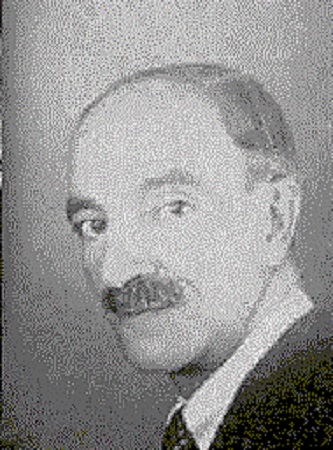
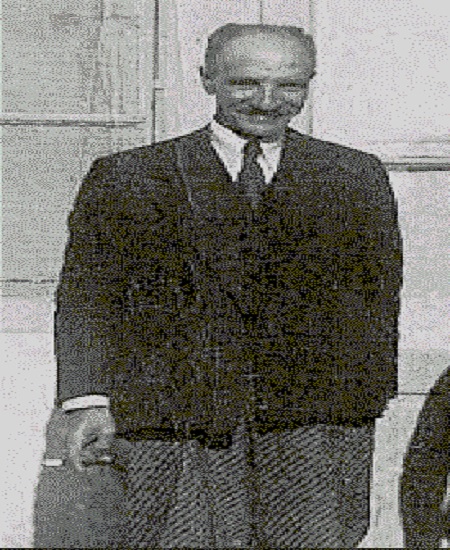
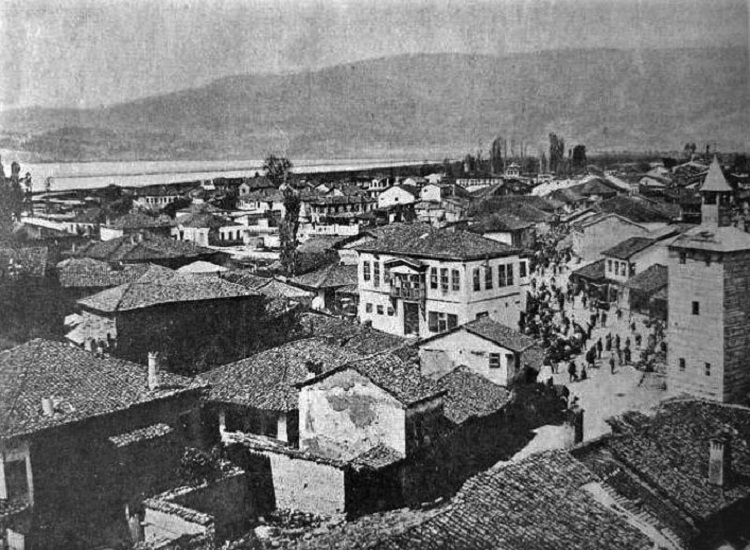
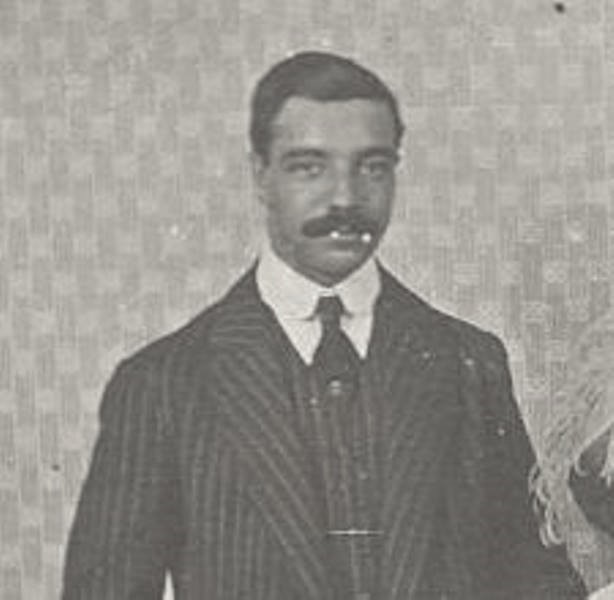
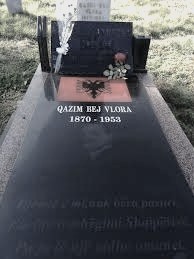
Memorie.al / The second son of Ismail Qemali – the Elder of Vlora and of Albania – who served simultaneously as his personal secretary and chief of staff, lived in Struga from 1936 until his death in late December 1953. Living witnesses speak with great respect about this “forgotten” figure in Struga. His adopted children also show special reverence. The house where Qazim Bey Qemal Vlora lived and passed away remains functional today, in the same condition as it was during his lifetime, though without any proper plaque or marker. His grave remained unmarked until November 27, 1997 – having been forgotten by the locals – when, thanks to the Association of Albanian Historians (Struga Branch), it was symbolically marked.

                                                    Continued from the previous issue…

Gjithashtu mund të lexoni

“Arshi Pipa’s latest study on the literature of socialist realism constitutes a first contribution toward a new order that must be established…” / Reflections of the scholar Italo Costante Fortino.

“His house and land near the Black Drin were ‘bought’ by Mitre Radozhda, one of the ‘authoritative’ officials in the municipality of Struga…” / The unknown history of Dr. Ali Murtezai, a signatory of Independence in Vlora in 1912.

In Struga, Qazim Bey met, among others, Belul Efendi Kadiu, a cousin of his wife, Behije. Belul Efendi was a friend of Qazim Bey since their school days in Istanbul. He was a high-ranking Turkish military figure – specifically the former commander of the Guard of the Sublime Porte in Istanbul, a graduate of the military academy, and a general in the Turkish army.

Through his association with Belul Efendi Kadiu, Qazim Bey began to know other personalities in Struga, as well as ordinary but honest and hardworking people. One such person was Shaban Tateshi – the “initiator and catalyst for shedding light on the figure, life, and death of Qazim Bey.” Though not a prominent public figure, Tateshi was honest, sincere, loyal, and above all, a patriot. Their acquaintance was facilitated by Shaban Tateshi’s son-in-law, Riza Pollozhani, with whom Qazim Bey had a strong friendship and whom he advised on many matters.

Due to his closeness with Riza Pollozhani and his brother-in-law Shaban Tateshi, Qazim Bey “showed mercy” by helping the latter buy a house in Struga, moving him from the village to increase the number of Albanians in the city. In fact, Qazim Bey “sold” him his own house (Behije’s house) in the city center. This transaction allowed Shaban Tateshi to be closer to Qazim Bey and know him more intimately as modest citizens of Struga.

Qazim Bey Qemali’s Years in Struga

His arrival in Struga was no accident. He brought with him his rich library and all the documentation regarding the political and diplomatic activity of his father, Ismail Bey Qemal Vlora, concerning the creation of the Albanian state. He did this to save these records from annihilation, destruction, or fire, as he had bitter past experiences with the latter.

From 1936 to 1939, Qazim Bey traveled back and forth between Tirana and Struga. In 1939, sensing the worsening situation in Albania and predicting unforeseen events which he could not prevent, he decided to settle permanently in Struga. He knew the immense value of his father’s documentation and guarded it with fanaticism. He was never without a book, often reading and lending his rich collection to others to expand their scientific knowledge.

In Struga, he was respected by a small circle of friends, though he did not converse with everyone. He felt he could not discuss his preoccupations with those who did not share his level of interest or understanding.

In 1948, as diplomatic relations between Albania and Yugoslavia froze, Behije wrote him a firm letter urging him to abandon the house and orchard and return to Tirana to join his wife and children. Behije had information from their sons, who were by then officers in the Albanian Army. Qazim Bey, having set himself a lifelong objective, replied with lightning speed:

“You stay in Tirana and look after the children, while I will stay here and look after the ‘wealth’ I have. Borders are political moments – closed today, open tomorrow. These are matters of daily politics, not eternal matters.”

When he mentioned “wealth” (pasurinë), he underlined the word so Behije would understand he was referring to the documentation of the founding of the Albanian state, not real estate. This documentation was a history unto itself – the evidence of Ismail Qemali’s political and diplomatic activity, in which Qazim Bey himself had been a direct participant. He stubbornly refused to leave Struga and remained there alone and isolated until the end of his life.

What did Qazim Bey say to Enver Hoxha?

After World War II and the formation of the new government in Albania, the pension Qazim Bey had received from King Zog was terminated. Toward the end of 1946 and during 1947, he requested several meetings with Enver Hoxha without initially revealing his full identity.

Finally, realizing there was no other way, he declared his identity, and Enver Hoxha accepted a meeting in his office. On the wall behind Hoxha’s head hung a portrait of Ismail Qemali. The purpose of the meeting was to clarify the stoppage of his pension. However, when he realized his efforts were in vain, he turned to Enver Hoxha and said:

“You do not deserve to have my father’s photograph hanging in your office!”

This was his first and last meeting with Enver Hoxha, whom he never admired. He also noticed that their home in Tirana, along with the few documents and photographs left there, was facing unprecedented destruction. He gathered what little remained to save them from total ruin. In truth, he found the house nearly ruined and burned, with family albums and traces of their past lost.

What became of the founding documents of the Albanian State?

From the day he gathered those few items from the ruins of his home, Qazim Bey never returned to that house again. He became a “prisoner” of himself and the documentation he carried. He felt he could not entrust this wealth to anyone; those he might have trusted were either far away or deceased.

Behije, realizing he would never return after the borders closed, wrote to her relatives in Struga – primarily the families of Belul Efendi Kadiu, Osman Hajrullahu, and the Laçka family – asking them to look after Qazim Bey as best they could.

Worn down by age, traumatized by loneliness, and suffering from a chronic illness resulting from his poisoning in Perugia in 1919, Qazim Bey Vlora closed his eyes forever in Struga at the age of 83, in late December 1953.

With his death, a chapter of history closed. Ironically, like many great figures of Albanian history, he was found dead four days after passing away. His neighbors, the Laçka family, noticed that for four days there were no footprints in the snow-covered yard. They entered the house and found Qazim Bey lying there, frozen. He was buried modestly in the city cemetery of Struga, in the family plot of Belul Efendi Kadiu, where his remains rest today./ Memorie.al
                                                       To be continued in the next issue

ShareTweetPinSendShareSend
Previous Post

“Shatku was a starting five player for ‘Vllaznia’ and the Albanian national team; in 1960, he represented Albania in the Balkan Games held in Bulgaria...” / Filip Guraziu’s memories of his teammate.

Next Post

"The Gheg Dialect and the Freedom of Association: A Specifically Albanian Paradox!"

Artikuj të ngjashëm

“Arshiu told the investigator that the statements of S. Kokalari, S. Konjar and R. Tabak are untrue and that he had not been part of any…”/ The unknown story of the professor who escaped with his sister. in 1956
Personage

“Arshi Pipa’s latest study on the literature of socialist realism constitutes a first contribution toward a new order that must be established…” / Reflections of the scholar Italo Costante Fortino.

January 9, 2026
“The UDB arrested him, because in a debate with the Macedonian poets, Janevski and Gapo, he said; the day will come when you will sweep the streets of Tirana…”/ The unknown story of the journalist, publicist and writer from Struga
Personage

“His house and land near the Black Drin were ‘bought’ by Mitre Radozhda, one of the ‘authoritative’ officials in the municipality of Struga…” / The unknown history of Dr. Ali Murtezai, a signatory of Independence in Vlora in 1912.

January 7, 2026
“When I got out of prison after ten years of suffering and isolation, I met Minister Ramiz Alia, my former student at the Tirana high school, and he…”/ Arshi Pipa’s rare testimony to the French scholar
Personage

“Arshi Pipa: a courageous voice of values, an indomitable gladiator of the Gheg arenas, and the personification of the perfect dissident in both life and work…” / Reflections of the renowned scholar.

January 9, 2026
“For the first time in an Albanian government, the ‘Public Security Office’, or the ‘Albanian Police Directorate’, began to function, where it was appointed…”/ The unknown history of the Gendarmerie school in Gjirokastër
Personage

“When Essad Pasha used the gendarmerie for his own ambitious interests against the national government, Hafiz Ali Podgorica, along with other patriots…” / The unknown history of the Mayor of Durrës in 1913.

January 7, 2026
“Unfortunately, Qazim Bey’s grave remained unmarked, and until November 27, 1997, most citizens of Struga were unaware of…” / The sad story of Ismail Qemali’s second son.
Personage

“Unfortunately, Qazim Bey’s grave remained unmarked, and until November 27, 1997, most citizens of Struga were unaware of…” / The sad story of Ismail Qemali’s second son.

January 7, 2026
“Gjirokastra must appreciate and honor Mërkur Babameto, giving him his rightful place in the history of that city for his contribution and that of the Babameto family.”
Personage

“Gjirokastra must appreciate and honor Mërkur Babameto, giving him his rightful place in the history of that city for his contribution and that of the Babameto family.”

January 6, 2026
Next Post
“The Gheg Dialect and the Freedom of Association: A Specifically Albanian Paradox!”

"The Gheg Dialect and the Freedom of Association: A Specifically Albanian Paradox!"

“Historia është versioni i ngjarjeve të kaluara për të cilat njerëzit kanë vendosur të bien dakord”
Napoleon Bonaparti

Publikimi ose shpërndarja e përmbajtjes së artikujve nga burime të tjera është e ndaluar reptësisht pa pëlqimin paraprak me shkrim nga Portali MEMORIE. Për të marrë dhe publikuar materialet e Portalit MEMORIE, dërgoni kërkesën tuaj tek [email protected]
NIPT: L92013011M

Na ndiqni

  • Rreth Nesh
  • Privacy

© Memorie.al 2024 • Ndalohet riprodhimi i paautorizuar i përmbajtjes së kësaj faqeje.

No Result
View All Result
  • Albanian
  • English
  • Home
  • Dossier
  • Interview
  • Personage
  • Documentary
  • Photo Gallery
  • Art & Culture
  • Sport
  • Historical calendar
  • Others