• Rreth Nesh
  • Kontakt
  • Albanian
  • English
Sunday, May 17, 2026
Memorie.al
No Result
View All Result
  • Home
  • Dossier
  • Interview
  • Personage
  • Documentary
  • Photo Gallery
  • Art & Culture
  • Sport
  • Historical calendar
  • Others
  • Home
  • Dossier
  • Interview
  • Personage
  • Documentary
  • Photo Gallery
  • Art & Culture
  • Sport
  • Historical calendar
  • Others
No Result
View All Result
Memorie.al
No Result
View All Result
Home Interview

“In 1952, while we were in our village of Arzë, my brother Nuredin – who had escaped to Greece in ’48 – came to our house at night. But my mother told me: ‘Get him out’…” / The sad story of the Nurçe family.

“Në vitin 1952, kur ishim në fshatin tonë Arzë, na erdhi natën në shtëpi, vëllai Nuredini, që ishte arratisur në ’48-ën në Greqi, por nëna më tha; nxirre jashtë…”/ Historia e trishtë e familjes Nurçe
“Në kufi me Greqinë gjendja paraqitet e nderë, fryjnë erërat e provokacioneve, ndaj forcat tona të armatosura, janë vënë në gatishmëri numër një dhe…”! / Dëshmia e shkrimtarit Sokrat Shyti
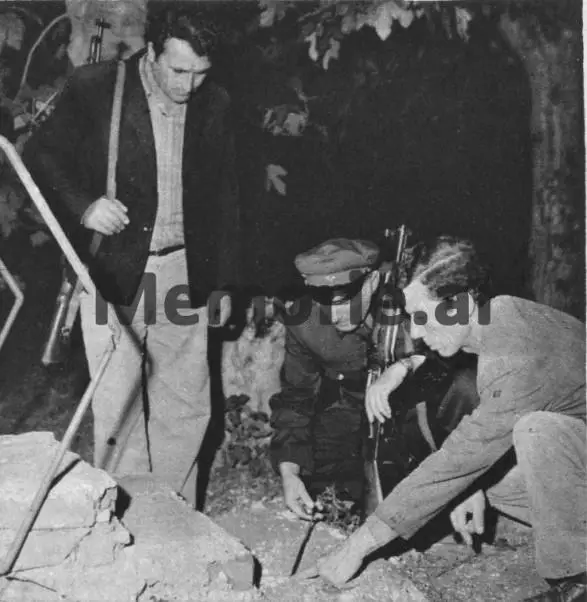
Grupi operativo-hetimor i Sigurimit te Shtetit dhe Policise duke analizuar gjurmet e nje krimi. Foto e viteve 70..bmp
“Letra e gjendur në fshatin Markat, ku thuhet: ‘Poshtë Partia me në krye Enver Hoxhën, nuk durohet or vëllezër, por duhet të ngrihemi’, etj., duhet të jetë shkruar nga…”/ Relacioni i Sigurimit, maj 1972
Memorie.al

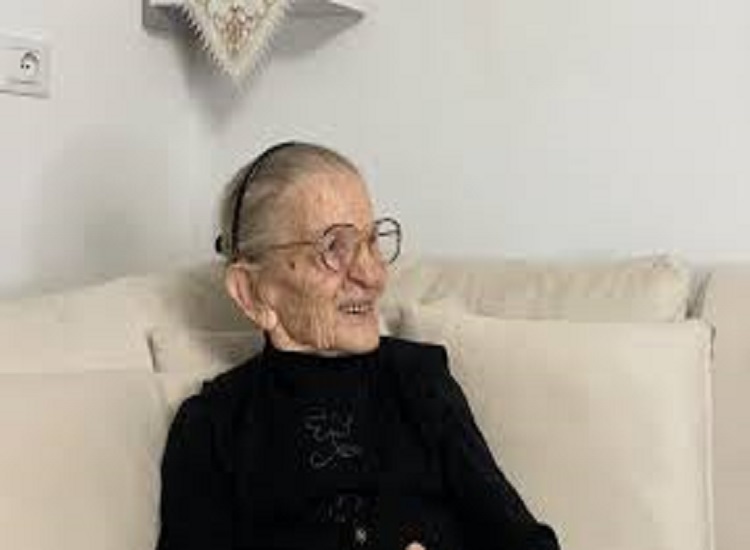
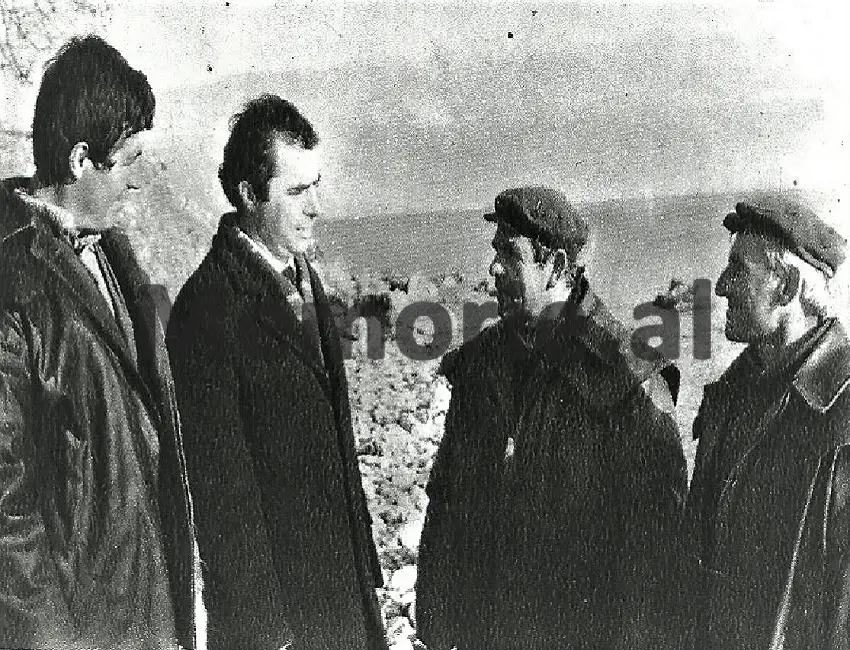
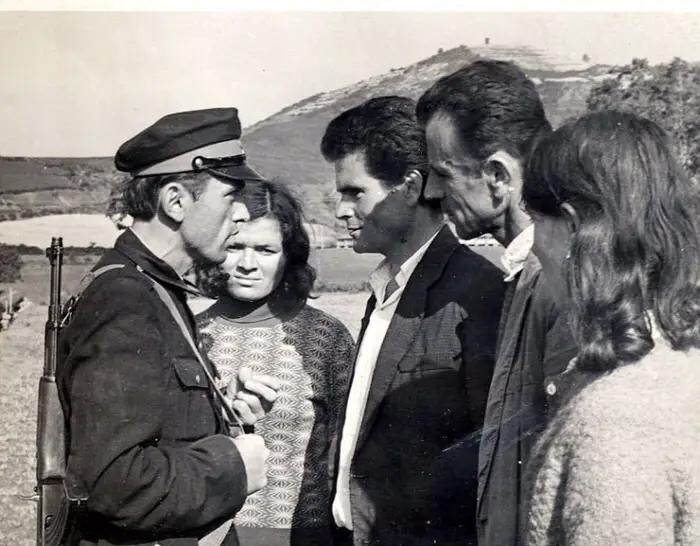
Memorie.al / Fatime Hysen Nurçe was 13 years old when her ordeal of internment began during the communist dictatorship. She was the third child of Hysen and Fetie in the village of Arrëz, Devoll district. Her siblings were Nuredin, Zini, Refik, Nefaret, and Mesaret. In the autumn of 1948, her eldest brother, Nuredin, decided to escape to Greece. Following his escape, the Nurçe family was persecuted by the communist system.

Their long journey of suffering would take them through the dictatorship’s most infamous camps, starting from Valias, then Kodër-Kamëz, followed by Tepelena, and finally Lushnje. Many painful traces of that time remain in Fatime’s memory. The separation from her parents is one of the dramas that marked her life.

Mrs. Fatime, what was the reason for your persecution?

“I was 13 years old in 1948 when my family faced communist persecution. I recall with pain the misfortune that life brought us. We lost a family member, my eldest brother, Nuredin. One day, a cousin who was an officer on leave visited us. All the young men of the clan gathered, including Nuredin. They went for a picnic to see a local scenic spot.

Gjithashtu mund të lexoni

“After the inhuman torture of the chief investigator of Elbasan, Th. C., who beat my ankles with the tops of his shoes for 15 consecutive days, the head of the Shim Kolli Branch,…”/ Testimony of former prisoner, Kristo Mema

“Chief investigator Thanas Caku hit me on the neck with a stick, so that I would admit that I was going to escape and that I had gone to the Mjeksi military factory, for…”/ The rare testimony of Kristo Mema from Elbasan

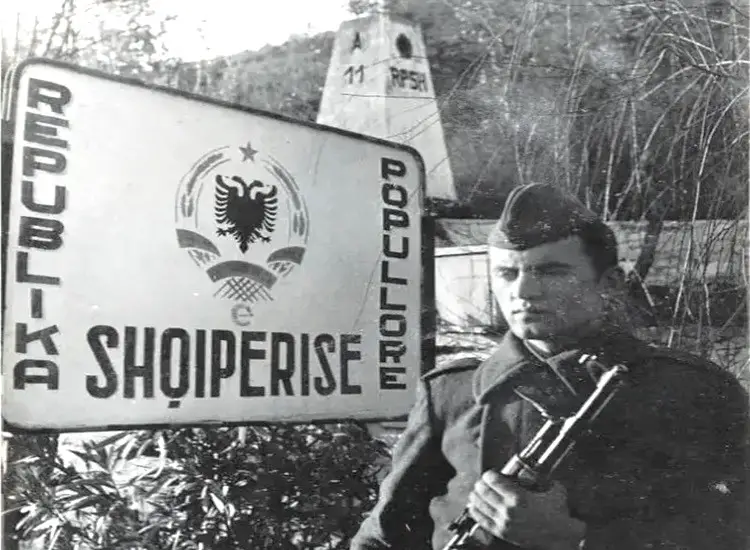
We were preparing lunch, waiting for them to return. But afternoon turned to night, and the boys did not come back. We began to worry, especially the elders. Three families searched desperately, frozen with fear. No one had seen or heard anything. After 24 hours, they notified the People’s Council. State Security moved into action. Finally, near the Greek border, where we had some walnut trees, they found signs where the boys had rested. A note was left hanging on a cigarette pack: ‘We thank you, parents, and goodbye.’ From that moment, our families entered a long road of suffering.”

How was life in internment?

“Immediately after their escape was discovered, they put us all into two trucks and took us to Valias, near Kruja. It was a farm sector. They had prepared a place for us by removing Greek prisoners and sending them to Lezhë. It was truly a prison for us – surrounded by iron fences and terrifying guards. A policeman would even accompany you for personal needs.

They fed us from a massive cauldron. I swear to God, flies would float on top of the broth. Our mothers and grandmothers would pick them out one by one before giving the food to us children, crying and screaming because there was nothing else. We slept on 40-centimeter-wide planks, packed so tightly we shared pillows. We stayed there for over a year.”

Do you remember any severe events from that camp?

“There were many. The moments when people died were the most frightening. The dead would stay for days among the living until the authorities decided to take the bodies away. They never told the families where they took them.”

Where were you taken next?

“After six months, we were moved to Kodër-Kamëz. As the winter of 1950 approached, the cold was bitter. We lived in a large hall with two long rows of wooden planks. We lit fires in the middle to stay warm and cook. The smoke was so thick that our eyes turned red. Our clothes would tear on the rough wood. Again, the food was a disaster; the pots were full of flies and filth. My father used to stand by the road to buy vegetables from passing villagers so our mothers could mix them into the camp rations.”

Did you ever return to the village?

“On November 28, 1950, a list was read for those being released. My mother, my twin sisters, I, and my 9-year-old brother were included. We gained our ‘freedom,’ but we had nowhere to go. Our home had been nationalized, and an officer lived there with his family.

They dropped us in Korçë in the pouring rain. No one came for us. Our uncles couldn’t help because their wives had communist brothers – they denied us as relatives. A friend from Mborja took us in for one night, but then we were back on the street. Finally, a cousin took us to our village on a horse. The family living in our house gave us one small room. The windows had no glass, only iron bars. We had no clothes, no bedding, and no food. I remember my little brother screaming from hunger pains, saying his ‘intestines were tearing apart.’ A local elderly woman saw our state and went door-to-door in the village to collect food for us.”

Did you know what happened to your brother Nuredin?

“From 1948 until 1952, we heard nothing. He had tried many times to cross back to find us but couldn’t. In the summer of 1952, while we were in Arzë, he finally managed to enter from the Greek border through the mountains.”

How was that meeting?

“He loved me immensely. He left me when I was a child and found me two years later. He came at night and knocked on the window where I was sleeping. A wire mesh separated us. ‘Fatime,’ he said, ‘open the door.’ An officer lived upstairs; the risk was extreme. I was terrified. ‘Who is it?’ I asked. ‘I am Nuredin.’ I replied, ‘We have no Nuredin,’ out of fear he would be caught. He insisted: ‘Your brother! Open the door or I will cut the wire. I heard you are suffering.’ I didn’t tell my mother. I opened the door and met him secretly. He had changed so much. We embraced. He gave me some supplies and clothes from his friends. I finally woke my mother. When she saw him, she said: ‘Get him out!’ Nuredin told her: ‘Mother, look at me, I am your son. It is my fault you are suffering like this. I came for you.’ That was our meeting. Only God knew if we would see him again.”

When were you interned again?

“After two years, we were moved to join my father and brother in the labor camp in Gjazë, Lushnje. We lived on 10% of the wages they earned. In 1959, my father introduced me to my future husband, Syrja Sabri Haxhillari, an aviation engineer. He was also interned because his younger brother had escaped. We married within six months. Our daughters, Elsa and Natasha, were born and raised in internment, living there until they were 20 years old.”

What happened to your brother in the end?

“After that meeting in 1952, Nuredin disappeared again in 1958. All communication was cut. Much later, we received a letter from an unknown person: ‘Dear Mr. Hysen Nurçe, I am sending you the sad news that your son Nuredin has passed away. May God give you courage?’ This is a regret that even God cannot take away from us. / Memorie.al”
ShareTweetPinSendShareSend
Previous Post

“The last act of spying conducted from the premises of Hotel ‘Vollga’ was the filming of the toppling of Enver Hoxha’s bust on February 20, 1991, which also led to the arrest of...” / The unknown history of the famous hotel.

Next Post

“I had become a ‘smuggler’ of poetry; I managed to sneak them out of prison secretly during meetings with my mother and brothers...” / The testimony of Visar Zhiti at the University of Illinois, USA, as a guest at the “Poetry Clinic.”

Artikuj të ngjashëm

“The trial of Bashkim Shehu and his wife, Marjeten, took place in one of the prison offices and when her request for divorce was read, Bashkimi said…”/ The rare testimony of the Burrel prison operative
Interview

“After the inhuman torture of the chief investigator of Elbasan, Th. C., who beat my ankles with the tops of his shoes for 15 consecutive days, the head of the Shim Kolli Branch,…”/ Testimony of former prisoner, Kristo Mema

May 13, 2026
“The Progonat Protest: When the ‘Children of the Party’ turned love into ‘Revolution’ and demanded that engagements…” / Reflections of the renowned professor on the manipulation of pioneers during the communist regime.
Interview

“Chief investigator Thanas Caku hit me on the neck with a stick, so that I would admit that I was going to escape and that I had gone to the Mjeksi military factory, for…”/ The rare testimony of Kristo Mema from Elbasan

May 13, 2026
“I found the painting ‘Mother Labe’ by painter Fatmir Haxhiu when the Ministry of Education was being reconstructed, after two workers were mixing mortar with it…”/ The rare testimony of the former principal of the ‘Qemal Stafa’ high school
Interview

“I found the painting ‘Mother Labe’ by painter Fatmir Haxhiu when the Ministry of Education was being reconstructed, after two workers were mixing mortar with it…”/ The rare testimony of the former principal of the ‘Qemal Stafa’ high school

May 10, 2026
“I would consider the beautiful saleswoman with sky-blue eyes at the flower shop one of the first ‘broadway girls’, but other girls also came to that street, like…”/ The story of the famous street that Kadare immortalized in his works
Interview

“I would consider the beautiful saleswoman with sky-blue eyes at the flower shop one of the first ‘broadway girls’, but other girls also came to that street, like…”/ The story of the famous street that Kadare immortalized in his works

May 7, 2026
“At the meeting of the Secretariat of the Central Committee on May 4, 1984, on negotiations with the Germans, which was led by Enver Hoxha himself, he ordered that we…”/ Confessions of the former ambassador; Why wasn’t Minister Reis Malile called…?!
Interview

“At the meeting of the Secretariat of the Central Committee on May 4, 1984, on negotiations with the Germans, which was led by Enver Hoxha himself, he ordered that we…”/ Confessions of the former ambassador; Why wasn’t Minister Reis Malile called…?!

April 27, 2026
The accusations against the former minister: “Kadri Hazbiu, although he was asked to help the Party and to shed light on this agency mess, he…” / 5th Plenum of the Central Committee, October ‘82
Interview

“Under the orders of Kiço Mustaqi, over 10 thousand military forces, remained on standby for three months, awaiting the arrival of Xhevdet Mustafa and…”/ The rare testimony of the former artillery commander in Durrës

April 23, 2026
Next Post
“I had become a ‘smuggler’ of poetry; I managed to sneak them out of prison secretly during meetings with my mother and brothers…” / The testimony of Visar Zhiti at the University of Illinois, USA, as a guest at the “Poetry Clinic.”

“I had become a ‘smuggler’ of poetry; I managed to sneak them out of prison secretly during meetings with my mother and brothers...” / The testimony of Visar Zhiti at the University of Illinois, USA, as a guest at the “Poetry Clinic.”

“Historia është versioni i ngjarjeve të kaluara për të cilat njerëzit kanë vendosur të bien dakord”
Napoleon Bonaparti

Publikimi ose shpërndarja e përmbajtjes së artikujve nga burime të tjera është e ndaluar reptësisht pa pëlqimin paraprak me shkrim nga Portali MEMORIE. Për të marrë dhe publikuar materialet e Portalit MEMORIE, dërgoni kërkesën tuaj tek [email protected]
NIPT: L92013011M

Na ndiqni

  • Rreth Nesh
  • Privacy

© Memorie.al 2024 • Ndalohet riprodhimi i paautorizuar i përmbajtjes së kësaj faqeje.

No Result
View All Result
  • Albanian
  • English
  • Home
  • Dossier
  • Interview
  • Personage
  • Documentary
  • Photo Gallery
  • Art & Culture
  • Sport
  • Historical calendar
  • Others