Memorie.al /publishes an article by American journalist Robert Kroon, who served for 60 years as a reporter for the NBC network, traveling to various hotspots of war and conflict around the world, such as the Congo, and to the communist countries of Eastern Europe. His career included covering the 1956 events in Hungary and the 1968 military aggression in Czechoslovakia, where he reported on the entry of Soviet tanks into Prague. Kroon’s “Albanian adventure” took place in the summer of 1971; after obtaining a Dutch passport, he managed to visit Enver Hoxha’s communist Albania by “infiltrating” a group of foreign Marxist-Leninist tourists. How did he depict this small Balkan communist country – or the “Land of the Eagles,” as he called it – in his report? His article was published just a few days later, on September 6, 1971, in TIME magazine, under the title: “Fear is What Guards the Vineyard.”
Fear is What Guards the Vineyard
September 6, 1971
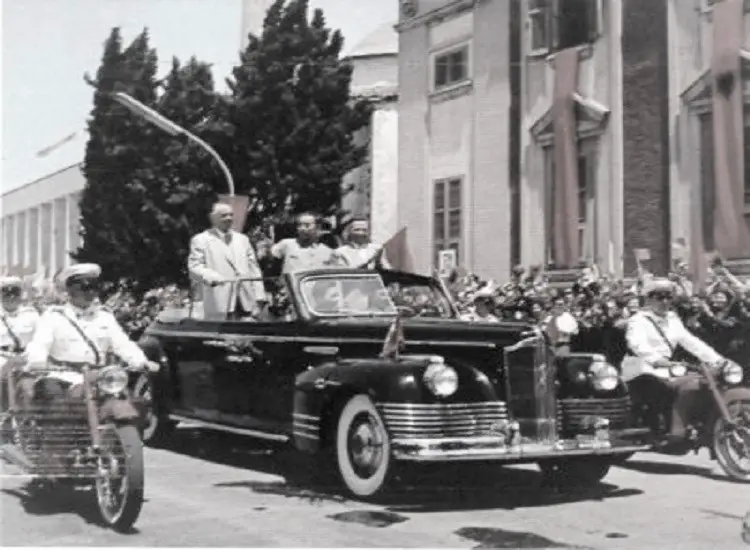
“I think we have lost Albania,” Nikita Khrushchev declared to a Chinese delegation in 1961, “and you have gained an important ally.” Khrushchev was, of course, being deeply sarcastic, since the head of the Albanian Party of Labour, Enver Hoxha, had sided with the Chinese against the Soviet revisionists. Since that time, Albania has been China’s only friend in Europe. And for the past decade, it has been just as angry and isolated as Beijing itself.
Now, following China’s lead, Albania is gradually looking to open up to the outside. It has established trade and diplomatic relations with its neighbors, Greece and Yugoslavia, and with an expanding list of other Western European nations. It is even building several tourist hotels for those who want to see “socialism on stage.” Most Americans are still barred, but Robert Kroon, reporting for TIME, was able to travel on a Dutch passport and recently visited the “Land of the Eagles,” as the Albanians call it, and filed this report:
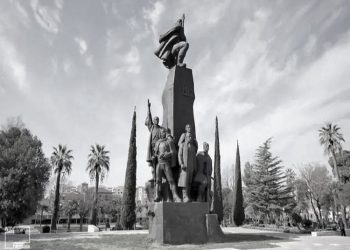
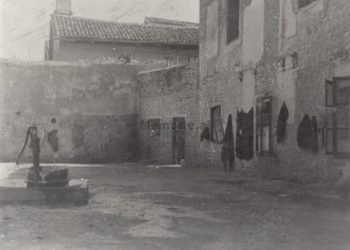
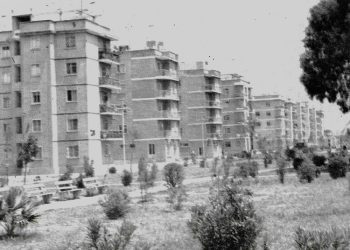
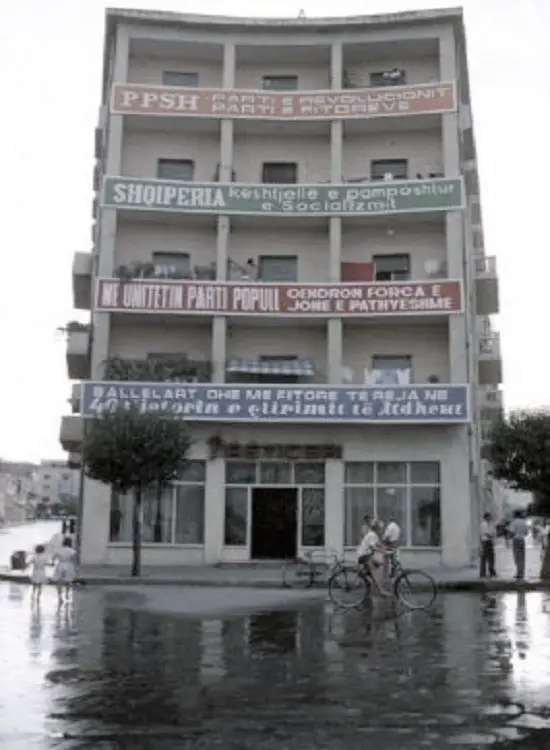
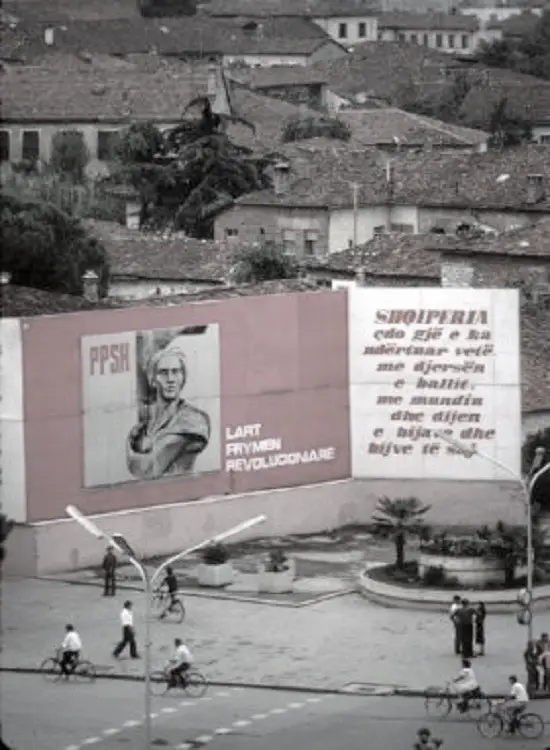
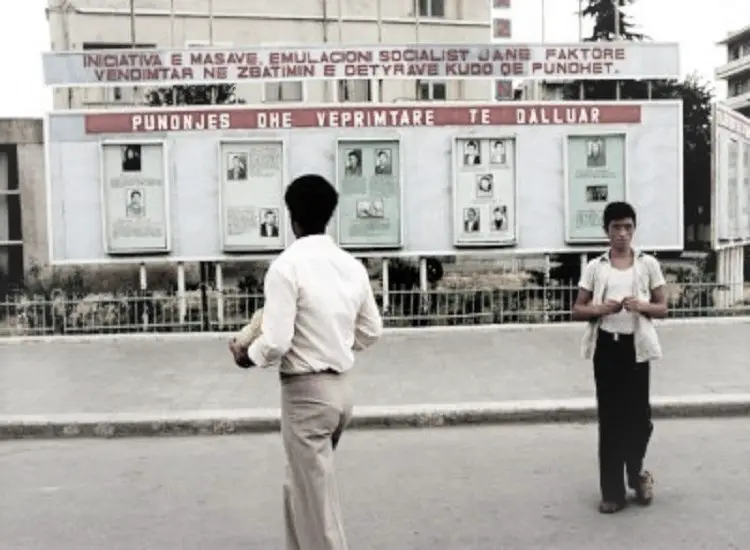
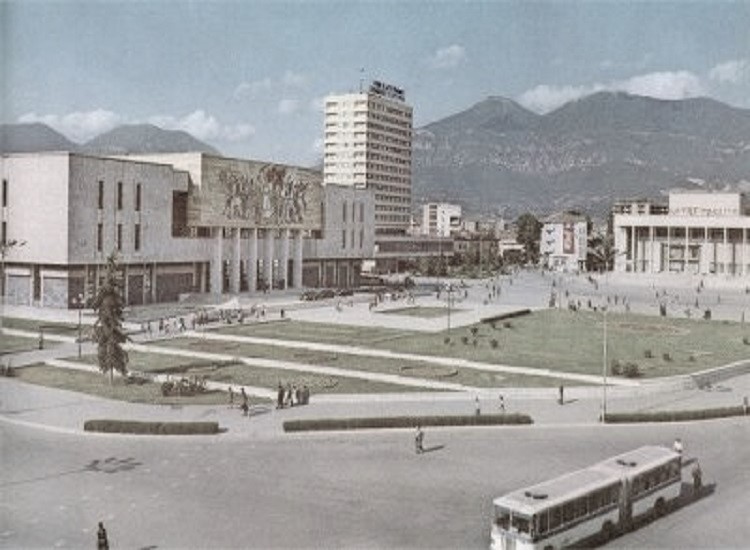
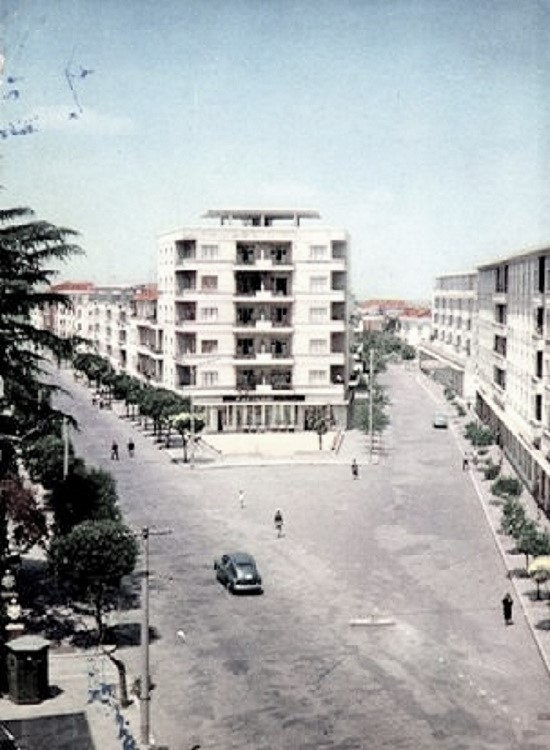
TIRANA (population 190,000) is perhaps the bleakest capital in the world. It is a city of dilapidated houses of pale red brick, occasionally embellished into apartment buildings of faded yellow or blue with rough facades; wooden stalls on street corners sell fruit, soft drinks, and sweets; in some shops, one sees more slogans displayed than goods…!
The cafes are filled with workers in rolled-up shirtsleeves, sipping coffee and spending time in endless conversation, in apparent defiance of the Communist Party’s work credo. This country is a pedestrian’s paradise. Albania is perhaps the most unknown country in the world. The people are suspicious, curious, and unsmiling – testimony to the effectiveness of Enver Hoxha’s Party motto: “Fear is what guards the vineyard.”
Western fashion is not tolerated. After green-uniformed customs officials have noisily completed their checks, visitors arriving at the single-runway airport are immediately advised that socialist Albania does not tolerate long hair, shorts, or plunging necklines. “We don’t need drugs, long hair, or jazz music,” an Albanian student guide told a fashionable but quite disappointed Italian Maoist in our group, who was wearing his Via Veneto-style shirt, tight jeans, and a wide belt.
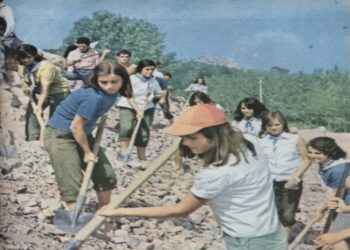
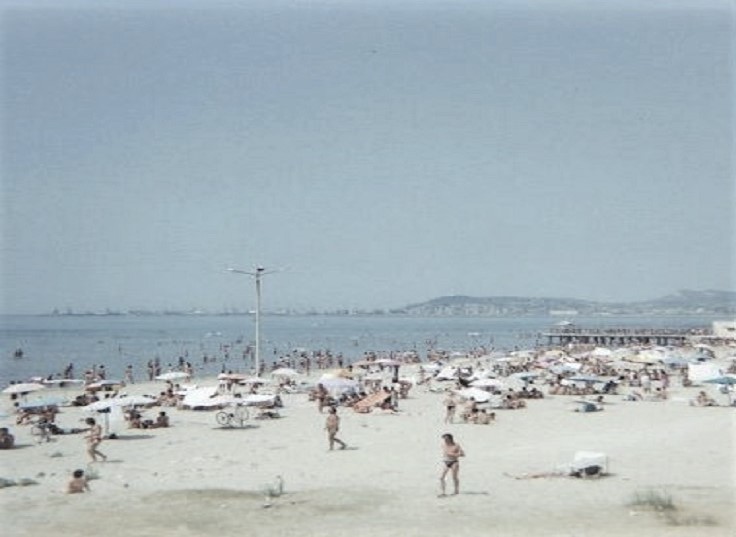
“A socialist does not dress like an American cowboy.” A Swedish girl, who stepped out of her beachfront hotel in shorts on a scorching day, received this message even more bluntly when a group of devoted puritans from a nearby Party youth camp stopped and severely reprimanded her.
Tirana was our point of arrival; we were traveling in a Chinese minibus cruising at 100 km/h, a product of the Tientsin Motor Works. The driver was quite an expert, managing to maintain average speed while dodging potholes, people, carts, donkeys, and trucks. The only passenger cars belong to Party officials or diplomats.
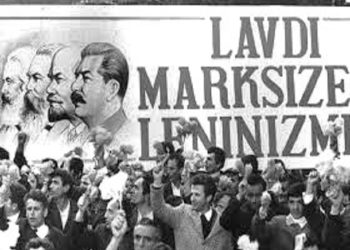
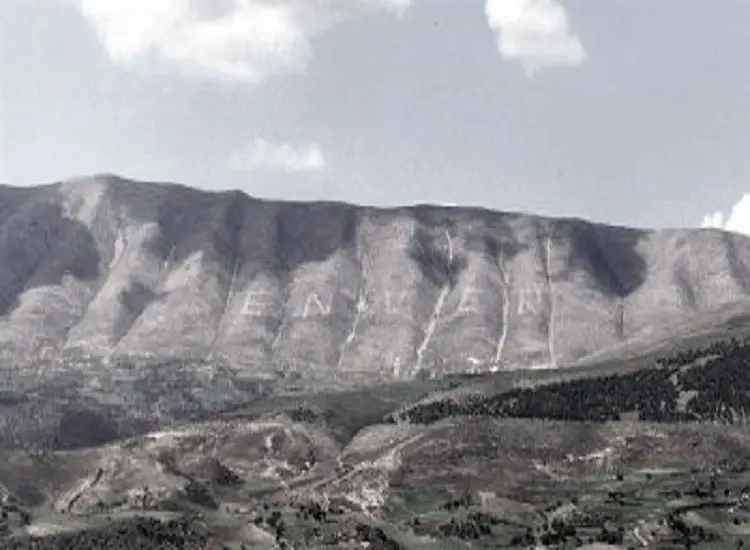
The Chinese ambassador drives a Mercedes; the North Vietnamese ambassador, a sporty Alfa-Romeo. A common feature of the landscape is the green coastal fields and hills rising into shrub-covered mountains. In the interior, there is a multitude of Party slogans placed on farmhouse walls and factory chimneys. One was composed of white, lime-washed stones, 100 meters high, stretching across a mountain. The message is always the same: “Glory to the Party of Labour of Albania,” or “Long Live Comrade Enver,” a reference to Albania’s ubiquitous leader.
“Giant Steps Forward.” Hoxha, a hero of Albania’s World War II resistance against Italian and German occupation, is a strong candidate for the title of the world’s most autocratic ruler. However, after 25 years under his tutelage, Albania has progressed from feudal backwardness and poverty to a parsimonious society with sufficient food, clothing, housing, and free medical care for its two million people.
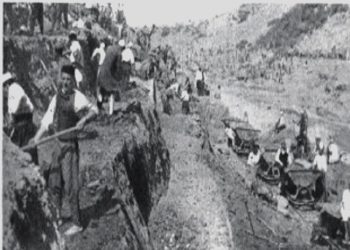
His achievements are giant steps forward for the Albanians, but they are painfully modest by Western standards. Before Hoxha, there were no railways at all; now a modest rail network connects the country’s main cities. Once 90 percent illiterate, Albania can now claim schools for children and adults and a university in Tirana. Swamps have been drained, irrigation canals installed, and agricultural cooperatives keep the Albanians fed by cultivating every square meter of arable land. Moreover, the current five-year plan has brought electricity to every rural district, largely thanks to the giant new “Mao Tse-tung” hydroelectric plant.
China has paid a high price for its ally, whom it has had to help ever since Russia withdrew its technicians following the 1961 split between Tirana and Moscow. Chinese aid since then has been valued at $100 million or more. Even items as simple as matches and light bulbs are sent by sea from Shanghai via the Cape of Good Hope. Albania is rich in minerals such as chrome, nickel, and copper, but predictably poor in industry. The most spectacular Chinese project is a vast textile factory in Berat, where workers put in a full 48-hour, six-day work week for a minimum wage of 600 leks ($70) a month – 100 leks more than factory workers elsewhere.
A director usually earns double this amount, although the highest-paid state employee, Hoxha himself, takes home a salary of only 2,000 leks ($240) a month. Retired workers (men aged 60, women 55) receive 70 percent of their previous salary. If a worker manages to obtain a state-built apartment, he pays what is surely Europe’s lowest rent, from $2.50 to $6 per month.
Other items, however, are not nearly as cheap, and the most desirable luxury of all, a Chinese bicycle, costs a month’s salary. Watches, refrigerators, washing machines, and television sets are beyond the reach of the average worker. But Enver Hoxha can boast that: “Albania is the only country in the world without taxes” (government revenues are provided by profits from state factories, cooperatives, and farms, exports, and Chinese aid).
Despite the harsh Albanian way of life, it was made possible for at least some Albanian-Americans to visit relatives (this was an Albanian-American community of 100,000 members in the US, about half of whom live in the Boston area; they were the only American visitors allowed to come and visit relatives). “My family in Korça has a roof over their heads, they have enough to eat, and they still like Hoxha,” said one of them. “It may not be paradise, but it is a well-disciplined, proud society, without deceit, without criminals, without drug addicts and sex maniacs.”
Much of Albania’s rejection of outside influence stems from a fierce nationalism. As Hoxha once put it: “Albanians have carved their way through history, sword in hand.” They routinely fell prey to numerous invaders and, in this century alone, have been under the rule of the Turks, Austro-Hungarians, Italians, Greeks, and Germans. In fact, except for a brief period between the World Wars when it was ruled by the feudal King Zog, Albania had not been independent since the 15th century.
Perhaps its history provides a sense of kinship with the historically xenophobic Chinese. But even beyond that, Albanians seem to like the presence of the approximately 1,000 to 1,500 Chinese residents – civilians, mostly diplomats and technicians. “They don’t impose themselves like the Russians,” said a Party member in Tirana. “The Soviets who lived here lived a life of luxury. They earned 10 times more than their Albanian colleagues. The Chinese receive the same salary as us and do not seek to live in the best places!”
Apparently, the Chinese will receive a friendly welcome when Chinese Premier Chou En-lai comes for an official visit this autumn. But they have shown themselves to be less than flattering in only one respect. Beijing’s presence has not yet brought about the opening of a single Chinese restaurant in Albania. /Memorie.al