By Ruben Avxhiu
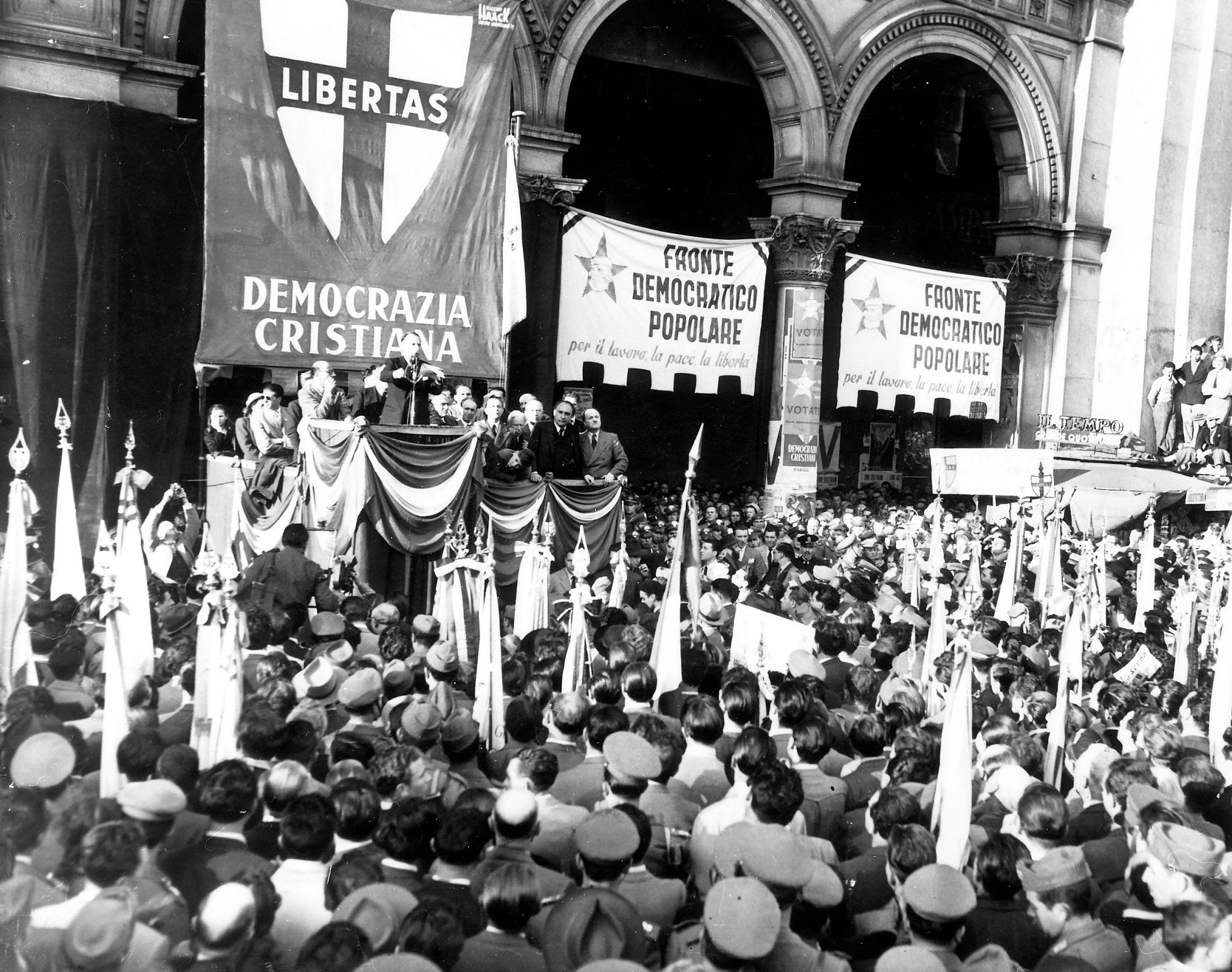
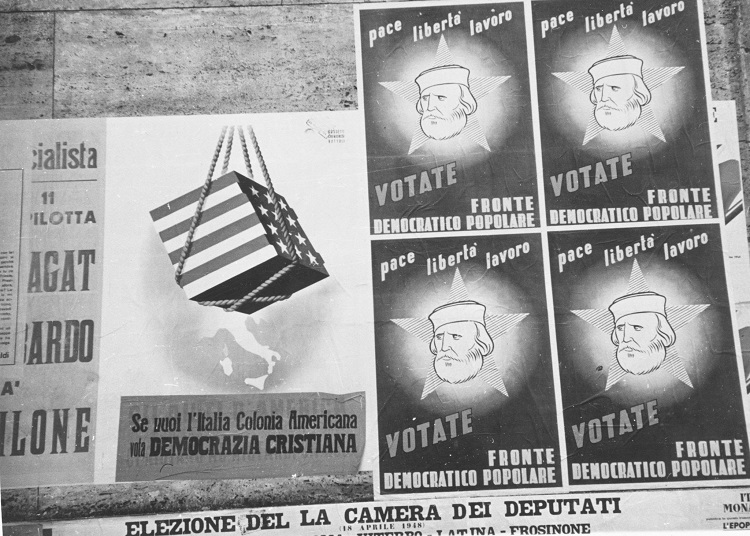
Memorie.al / The political elections of 1948 were one of the most crucial in the political history of Italy. Just like today, Moscow was financing and supporting one political side. Unlike today, back then the USA had understood the game and was actively financing the other political side. After the Second World War, Eastern Europe had been placed under the Soviet sphere with powerful garrisons of the Red Army in most countries. Pro-Soviet governments had been installed in power through semi-democratic or directly dishonest elections.
The division was implied in one of the meetings of the great Allies in Yalta, but Moscow had very quickly made it a reality and now hoped that Greece, at the end of its civil war, would also be brought into its sphere, as well as countries like Italy and why not even France, if the communist parties won in these countries.
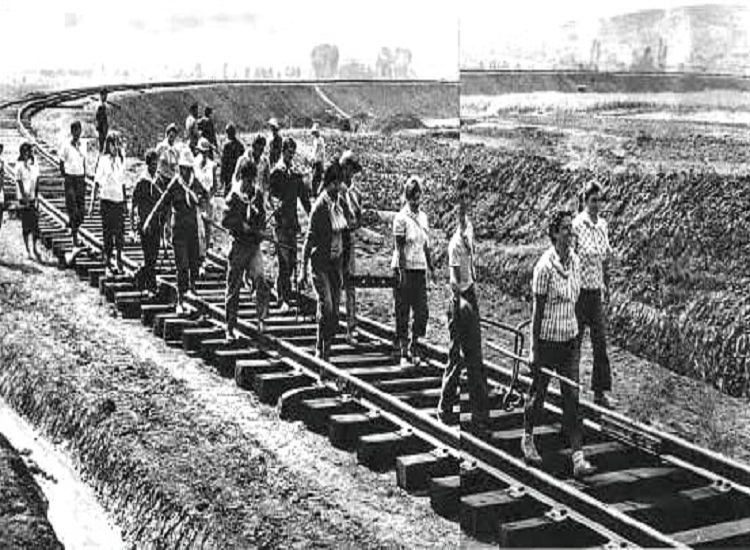
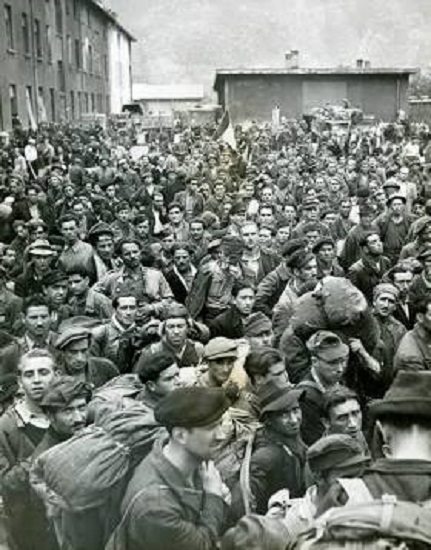
For Italy, the great challenge was the year 1948. The Communist Party was claiming victory. It was in this climate that Albania suddenly became a topic of electoral debates. More specifically, the topic was the fate of the Italians left in Albania. The majority of them had returned, but those who were specialists, especially in the field of construction and transport, the Albanian government refused to return.
Five years after the capitulation of fascist Italy, these people who had been brought as soldiers or as workers dreamed of returning to their homeland. It is known that the Albanians treated the Italians humanely, even though they had come as occupiers or along with the occupation.
Humanely, in the sense that they did not kill them for revenge; they gave them shelter and kept them with bread. On the other hand, they were used by the Albanians as unpaid workers in household chores, farms, firms, etc. The Italians were nevertheless grateful for this opportunity.
At the end of the war, just like with many private properties, the Italians were also “nationalized”. The communist government discovered that it had a great need for the specialists brought during the war. The new state was filled with gun-bearers, ready to superimpose the “will of the people”, but there were no people who could draft the great plans for the country’s reconstruction, from infrastructure to the buildings of the new power.
In various fields of production and services, the Italian experts brought by Fascism were a great asset for the communists. They exploited them with zeal, in the same way they embraced the fascist architecture that Italy had left behind and for which they had complained for years.
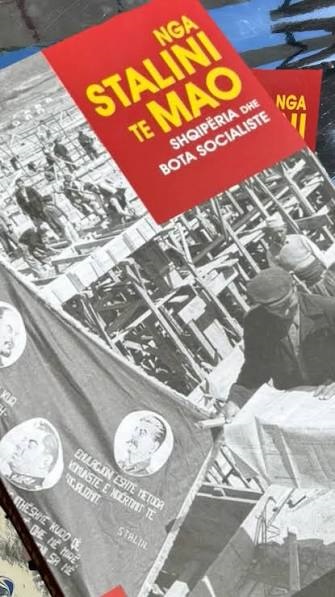
The first chapter of the book “From Stalin to Mao” by Elidor Mëhilli has a good summary of this phenomenon, previously described in a series of Italian books and studies about that time.
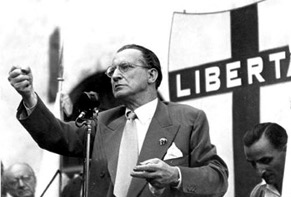
The mourning of families in Italy that had been separated alive had already become a public issue. On one hand, the Italian government and the Prime Minister of Christian Democracy, Alcide de Gasperi, could be blamed for having failed to convince Albania to return these innocent civilians.
On the other hand, de Gasperi knew how to turn the debate around, because in the end, it was the friends of the Italian communists, the communists of Albania, who were holding the Italians as hostages against their will.
In the end, the Italian Communist Party, which, just like that of Albania, was acting under the guise of the Democratic (Popular) Front, assessed that the debate on this problem was damaging its image among the people. So it intervened with the Albanian communists with the plea to release the Italians to return to their homeland.
Under these conditions, Enver Hoxha decided to release a group of them, as a symbolic gesture, so that without solving the problem, he would nevertheless help the neighboring Communist Party in the Italian elections. (Enver Hoxha at that time, in cooperation with Tito’s Yugoslavs and for the pleasure but then for the annoyance of Stalin, was also helping the Greek communists in their civil war across the border.)
These were times of great upheavals and it was not the first time that small Albania would be involved in them. I don’t know how many Italians were finally released. In the notes at the end of Mëhilli’s book, a meeting is mentioned between Eugenio Reales, of the Italian Communist Party, and the Albanian Ambassador in Paris, to discuss this topic. But the issue of the Italians stuck in Albania was not chosen that year.
What was chosen that year was the future of Italy, which escaped the sphere of Moscow and chose the path of Christian democracy and capitalism? This path would later bring an economic boom that would catapult it into the group of the seven most powerful economies in the world.
At that time, the discussions were harsh and full of serious accusations between the two sides. Today’s “fake news” is nothing compared to the terrible local rumors of the time that tested the characters of politicians. My favorite punchline of that electoral campaign is: “In the ballot box, Stalin doesn’t see what you’re doing, but God does.”
The fear of God intertwined with the fear of Stalin made Christian Democracy win the elections and then remain in power in one way or another for almost half a century in a row, along with the evils that come from such a long stay in power.
Today, when the world is approaching another great historical crossroads again, it seems surprising that liberalism is back in fashion. The world revolves around the sun, while the history of humanity, it seems, revolves around itself. / Memorie.al