From Bujar Qesja
Memorie.al / In his book, “Njerëz të Durrësit” (People of Durrës), author Fatmir Minguli presents a rare work in terms of nature, structure, and content, which coincides with his long-term dedication to his hometown and the people who have made its history visible, tangible, and unforgettable. With 398 pages and divided into thematic chapters, this work is a mosaic of memory, an in-depth portraiture of Durrës’s citizenry, and a successful effort to present the human dimensions of a community that has lived, created, produced, and influenced Albanian social and cultural life.
The book is divided into chapters that carry a wise and functional division:
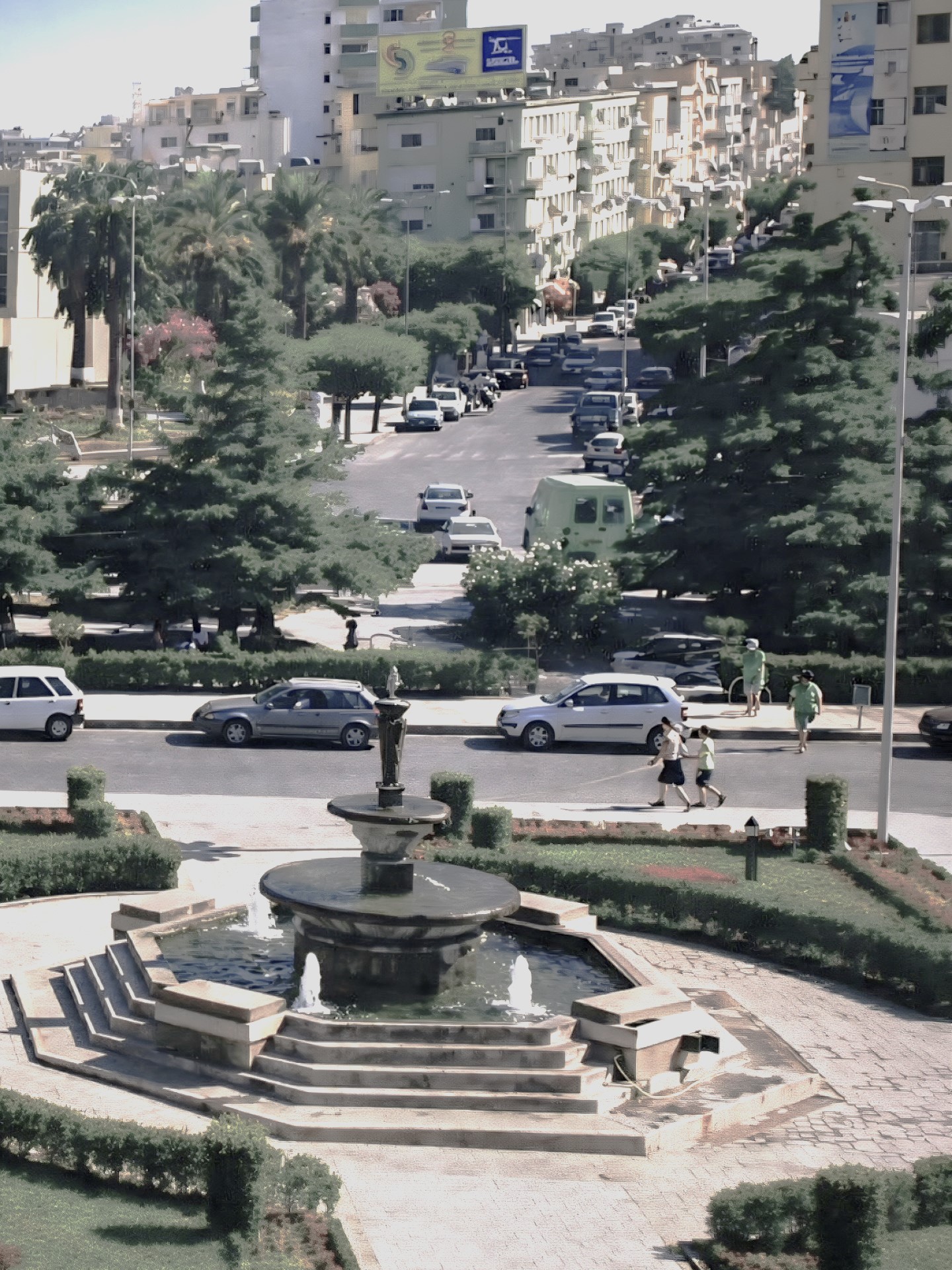
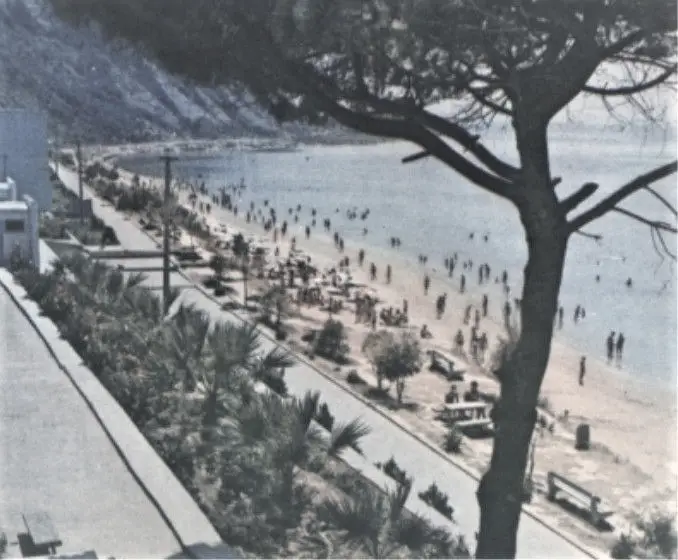
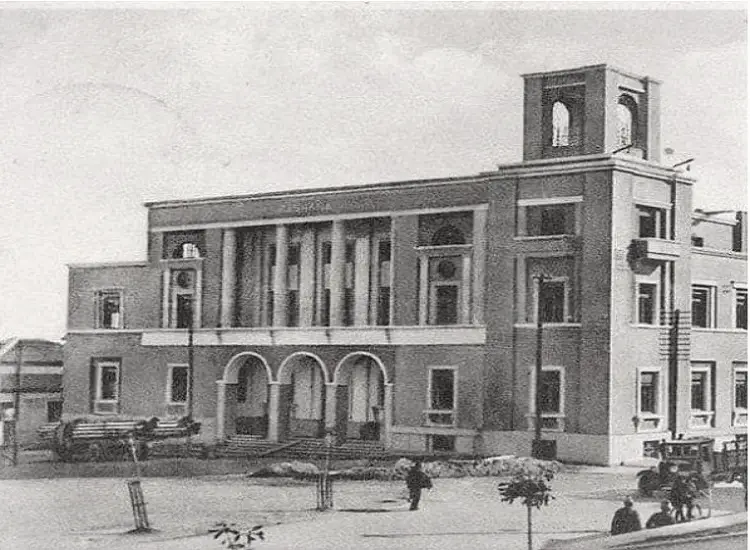
– Life in Durrës – descriptions of the urban environment, the spirit of life in the coastal city, and its transformations over time.
– People of Tradition – figures that embody Durrës’s civic and moral heritage.
– People of the Pen – creators, writers, publicists who have left their mark on Albanian written culture.
– People of Specialization – distinguished professionals in medicine, education, science, and engineering.
– Painters and Sculptors – visual artists who have shaped the aesthetic profile of the city and beyond.
This division is a clever way to build an “encyclopedic dictionary of Durrës’s citizenry,” giving the reader orientation, variety, and the opportunity to choose reading paths according to interest.
The Author and His Perspective
Fatmir Minguli is not simply an author writing about his city. He is an active actor in its life, involved for decades in administration, education, politics, art, and literature. He has closely witnessed urban and social developments. But it is precisely his experience as a writer, art critic, and editor that gives the book a measured, appreciative, yet realistic tone. He does not idealize, but illuminates the human figure with a sense of citizenship and love for Durrës.
The observations that Minguli includes in his portraits are clear, but formulated with tact, always respecting the figure he describes and without falling into harsh judgments. He strives to maintain a balance between objectivity and sensitivity, which makes the book readable for a wide audience, but also reliable for researchers and local historians.
Style and Language
The language used in the book is clear, with a rich but not burdensome vocabulary. Minguli’s style is essayistic and portrait-like, giving the reader not only biographical data about the described figures, but also the spirit of the time in which they operated. He often uses details that, although small, give a special color to the portrait – a spoken word, a particular habit, a life episode.
This is a book that, more than informing, inspires. The reader becomes acquainted with personalities who may not have been included in official histories, but who have made valuable contributions to the city and society. In this way, Minguli aligns himself with those authors who raise memory above oblivion, who build identity through narrative.
The language of the book is not merely informative. It captures the atmosphere of the person and the time, is laden with emotions and memories, but always channeled into a refined form. The most accomplished parts are those where the author, through a word, a habit, or a feeling, manages to bring a living character before the reader’s eyes.
Since many of these people have not left written works, or have not been included in the known cultural “canon,” Minguli performs an act of saving civic memory, not allowing their lives and work to remain in oblivion. In this sense, this book is a form of literary citizenship, helping to reconstruct a missing identity.
Documentary and Civic Value
In the absence of an official monograph on the personalities of Durrës in the 20th and 21st centuries, this book constitutes a valuable documentary contribution. It can be read as an emotional and civic archive, where the lives and work of honored teachers, dedicated doctors, visionary engineers, passionate painters, silent poets, and ordinary citizens with extraordinary lives are documented.
Durrës, as a city both ancient and modern, deserves such a work – and Minguli gives it with the hand of a master who knows history, knows the people, and has followed them with attention for decades. What makes the book more valuable is that it does not build myths, but remembers people who have left real and concrete traces in various fields of life.
The City and Man: Two Pillars of a Great Memory
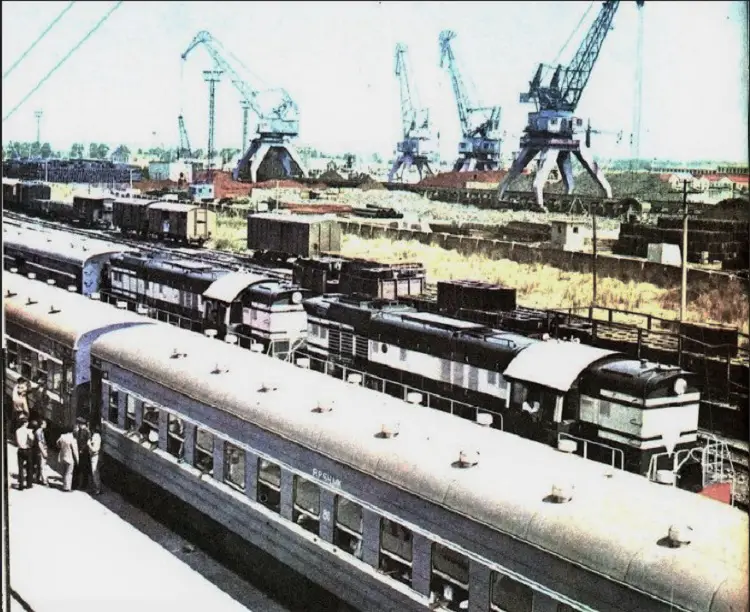
Durrës, the thousand-year-old city on the Adriatic, has undergone profound transformations in every historical stage: from the ancient port of Dyrrhachium to medieval fortresses, from the industrial city of the 20th century to today’s urban center with modern rhythms, but often unclear in identity. In a society where oblivion threatens memory and rootless replacement endangers heritage, the book “Njerëz të Durrësit” by author Fatmir Minguli comes as a civic act, as a manifesto of living memory, that re-erects on a pedestal the figure of man – not famous in the media sense, but important in his essence as a contributor to the city.
This is not merely a book of portraits. It is a history of Durrës through its people, woven with the delicacy of a man who knows well the civic psychology, social structures, and professional stratifications. He appears simultaneously as a chronicler, witness, analyst, but also sometimes as a poet hidden in simple language, writing with longing for the people of his city.
The Architecture of the Book: Conscience in Structure
The work is built with a functional and elegant division, which is not accidental, but expresses a clear concept of the human world that Minguli has included. The chapters “Life in Durrës,” “People of Tradition,” “People of the Pen,” “People of Specialization,” “Painters and Sculptors” build a human topography of the city, which includes not only publicly known figures, but also the silent ones, who constitute the internal structure of citizenship.
In this way, the author creates a multidisciplinary mosaic, where each portrait serves as a precious stone in the construction of a “temple of memory.” This structure gives the reader the opportunity not only to read chronologically, but also to choose reading paths according to thematic interest, making the book a long-term reference source usable by researchers, journalists, educators, or students.
The Author as Part of the Subject and as Literary Mediator
Fatmir Minguli is not an author who comes from the distance of a writing desk. He is inside the subject he describes. With a long career as an engineer, head of enterprises, Chairman of the Executive Committee of the Durrës District, deputy of the Albanian Parliament, university lecturer, writer, art critic, and active editor at the publishing house “2M Printing,” Minguli does not write from hearsay, but from direct experience, placing himself in the position of an involved observer, who does not speak about others, but together with them.
He uses a calm style, with wise tones, far from glorification, but rich in details that deeply signify personality. His observations are present, but always with the elegance of an experienced critic: sharp in findings, but careful in tone, always in service of the truth and not of contemptuous judgment. In an era where critical thought is often either aggressive or flat, Minguli is a rare example of balance between criticism and human understanding.
The language of the book is not merely informative. It captures the atmosphere of the person and the time, is laden with emotions and memories, but always channeled into a refined form. The most accomplished parts are those where the author, through a word, a habit, or a feeling, manages to bring a living character before the reader’s eyes. Since many of these people have not left written works, or have not been included in the known cultural “canon,” Minguli performs an act of saving civic memory, not allowing their lives and work to remain in oblivion. In this sense, this book is a form of literary citizenship, helping to reconstruct a missing identity.
“Njerëz të Durrësit” is a work with multiple values:
-Historical, because it describes the development of the city through individuals and various professions.
– Documentary, as it contains biographical data, life moments, and accurately specified temporal contexts.
– Ethical, because it promotes examples of citizens with values, dedication, professionalism, and dignity.
– Cultural, because it includes creators in the fields of letters, visual arts, and social thought.
– Pedagogical, as it offers positive models for the younger generations and supports education through example.
Furthermore, the book offers a clear thought on citizenship as culture and as duty, a theme often absent in contemporary Albanian literature, which is more inclined towards the inner world or major identity crises.
Literature That Carries the City and Its Spirit
“Njerëz të Durrësit” is a work of cultural and civic weight, preserving the spirit of a city through the memory of its people. It is not a book to raise glorifications, but to build deep historical awareness, viewing the past not as a myth, but as concrete human wealth.
At a time when many Albanian cities are facing the risk of uniformization and loss of identity, Fatmir Minguli’s book is an act of love and intellectual duty towards Durrës. It reminds us that a city is not simply geography, but above all people who have left their mark – with mind, with heart, with hands, with works.
A book that deserves to be read, to be referenced, and to remain as testimony of a generation that knew how to see deeply and honor with dignity. This publication remains a work of active memory.
“Njerëz të Durrësit” is a book that represents a successful interweaving of memory, civic dedication, and literary talent. It is a book that should be found in the libraries of every Durrës family, in school and cultural institution libraries, and in the hands of young people seeking to understand the roots and heritage of their city. This is a book that one reads with emotion, but also with respect. Because it teaches, remembers, and honors. / Memorie.al