By Dashnor Kokonozi
– The two Ilirs, one of whom is my hero! –
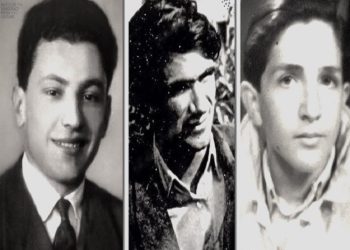
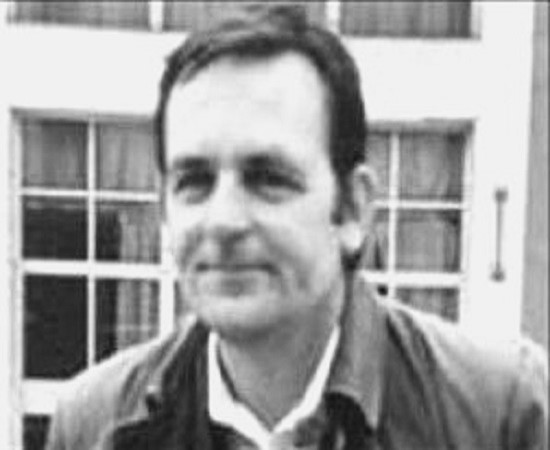
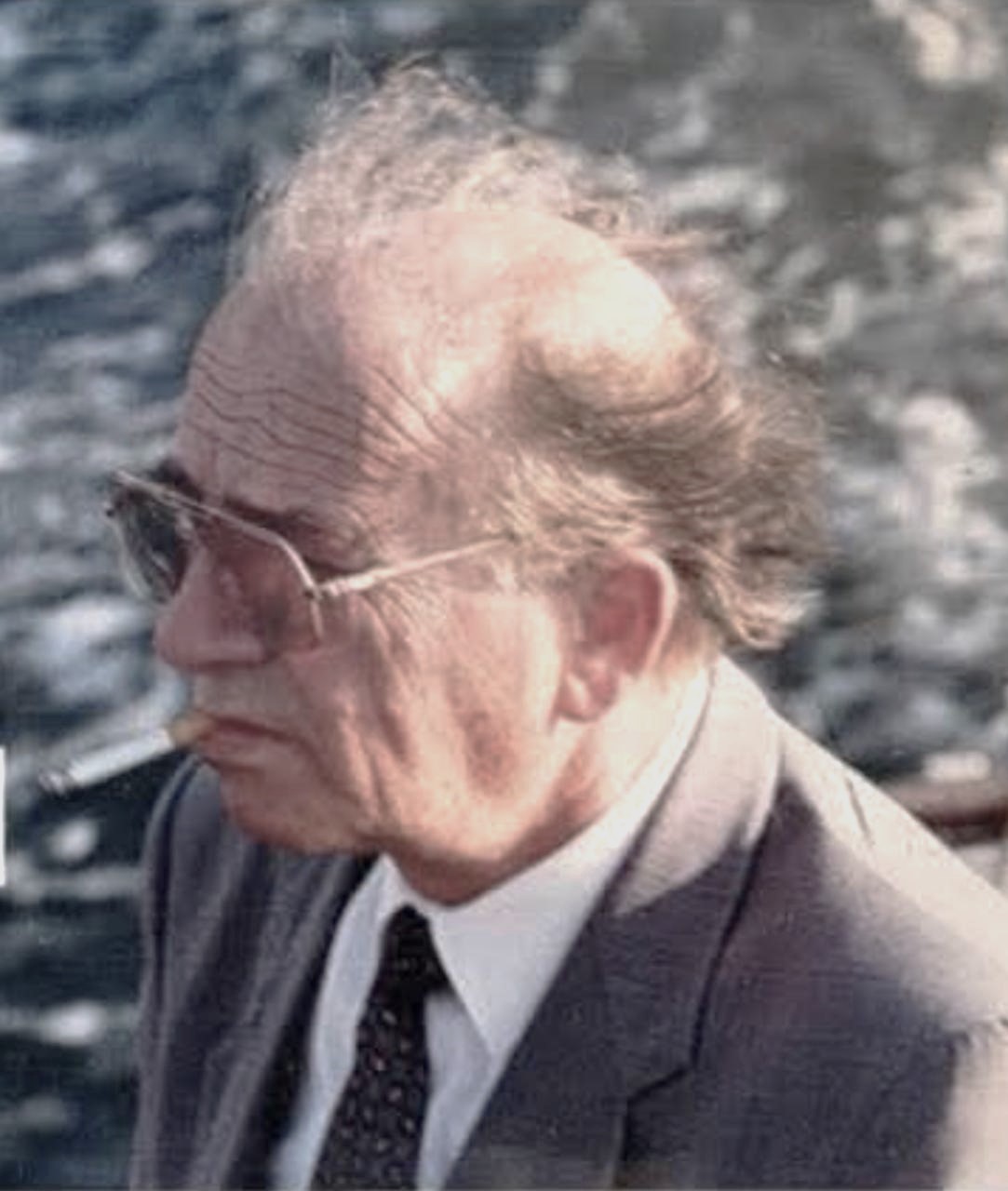
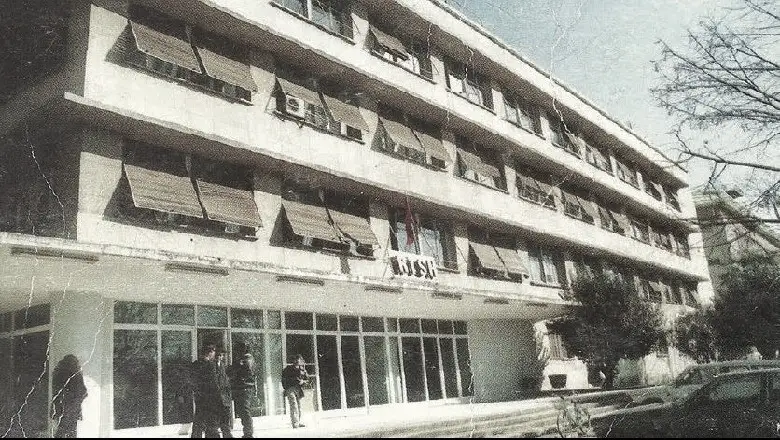
Memorie.al / It are not that I spent much time together with Ilir Bulka and Ilir Gurakuqi. Three minutes in total. My friend was Ilir Gurakuqi; I had known Bulka almost since childhood, but we were not very close. We would greet each other and that was it. As far as I know, he had very little friendship with Gurakuqi either. But it happened that one day, when Gurakuqi had finished his work and came to call me at RTSH [Albanian Radio-Television], I saw that down at the stairs he had met Ilir Bulka, who had happened to be there by chance. It was the only moment when, for the first and last time, we sat together. Three minutes later, I took Gurakuqi and we went out onto the boulevard. We left Bulka there. Head bowed, surrounded by a feeling of loneliness and deeply inhaling a cigarette.
A week later, Ilir Bulka abandoned the group of athletes he was accompanying, somewhere at the Athens airport, and sought political asylum.
He immediately began an extraordinary activity against the regime. From that moment and for months and years thereafter, he would remain at the center of our conversations and comments. We followed everything day by day through the interviews that Bulka initially gave to the Greek press and that were then taken up and reproduced in many Western countries.
I would find one part of the newspapers where they appeared, Ilir Gurakuqi another. We would meet and comment on them at length. In his beginnings Bulka focused on the figure of Enver Hoxha, but further on there was no lack of analyses of the harsh nature of the Albanian dictatorship, of human rights, internments, imprisonments, the economy of hunger, censorship, etc. We were truly admiring of his courage.
Above all for the fact that, unlike many others who did not speak out in order to protect their family in Albania, Ilir Bulka was conscious of the danger that threatened it, as came out in an interview.
In my eyes he truly took on the dimensions of an extraordinary man, and I felt sorry that I had not made an effort to know him more closely. Perhaps because that feeling of loneliness he gave off even if he were surrounded by a thousand people. He was someone who ruminated endlessly within himself.
Later, when he went to America and drew close to VOA [Voice of America], I have the impression that he was not well understood by those who surrounded him, creating inaccurate opinions about him. One day Gurakuqi called me on the phone and asked me to meet as soon as possible.
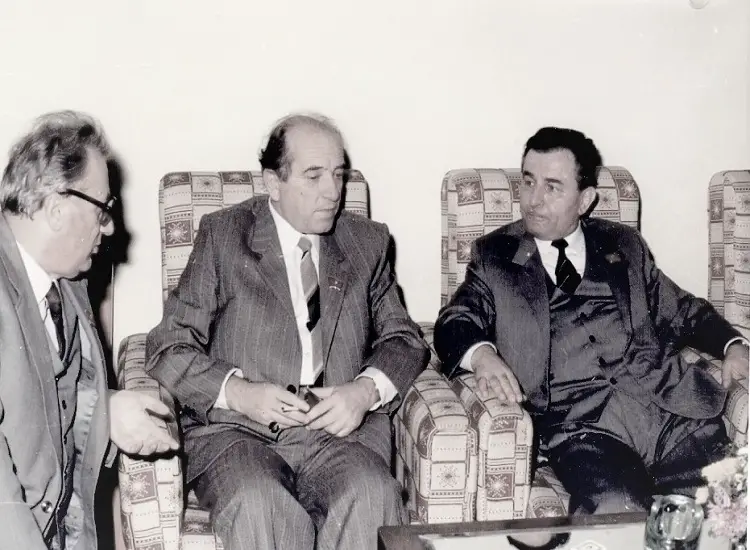
He had just come out of an important meeting with his director, Sofokli Lazri, a close assistant, perhaps the closest to Ramiz Alia for foreign affairs. The meeting had been dedicated to Ilir Bulka.
His interviews and analyses seemed to have created an extraordinary concern at the dome of the dictatorship, so much so that at one moment Lazri had said: this man has damaged the image of socialist Albania more than the entire political emigration of these 45 years! Exactly like that! I was left completely speechless!
At last I had managed to understand something of his closed nature, of that silent rumination and the absorbed gaze whenever he deeply inhaled the cigarette. We are used to having heroes pointed out to us by others, I said to Gurakuqi, and we are not capable of recognizing them when we have them before us!
I know, I feel that not everyone can swallow the word “hero.” Some will say that Qemal Stafa was a hero, others will say that Skanderbeg was a hero. And it may be so, but no one has mentioned that it was much easier to be Qemal than Ilir.
About the first they will say that he shouted in the middle of the trial that he was a communist and as such would die, but they do not mention that whatever he did, the laws of the monarchy did not allow the family of anyone other than the guilty one to be touched. About Skanderbeg, then, the matter was even simpler.
Many documents specify that whenever the Turkish armies approached, he sent his family to Naples or Venice! (Forgive me if I have touched anyone.) No one acted by leaving his family in the teeth of the hyenas. The proof is that Ilir Bulka told more truths about the communist dictatorship than the entire political emigration of 45 years, precisely for this reason.
I am certain that if it were not for the rule of punishing the families of opponents, the communist regime would have had a life at least 20 years shorter. The only one who rose above this terrible pain was Ilir Bulka! / Memorie.al