
Prof. Dr. Fejzulla Berisha*
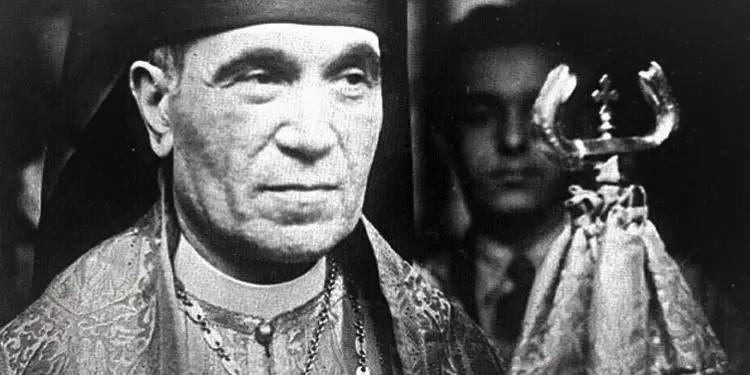
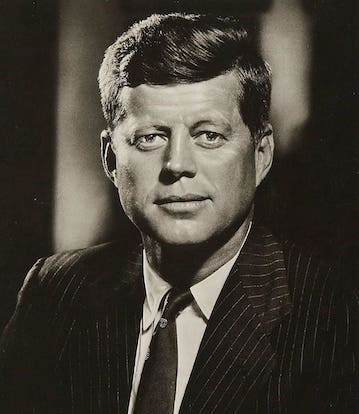
Memorie.al / In the history of Albanian-American relations, few moments have held as much significance as the period of the 1950s and 1960s, when the ideals of President John F. Kennedy for freedom, equality, and human dignity aligned with the vision of Monsignor Fan S. Noli, spiritual leader, thinker, diplomat, and reformer of the Albanian nation. Both men – one at the heights of American power, the other in his devotion to a small nation – shared the same ideal of universal justice and human progress. Noli believed that “a small nation can survive only if it keeps its spirit free,” while Kennedy proclaimed that “freedom is the shared responsibility of humanity.”
Both of these principles, born in Massachusetts, merged into a philosophy that linked Albania and America beyond geography – through values.
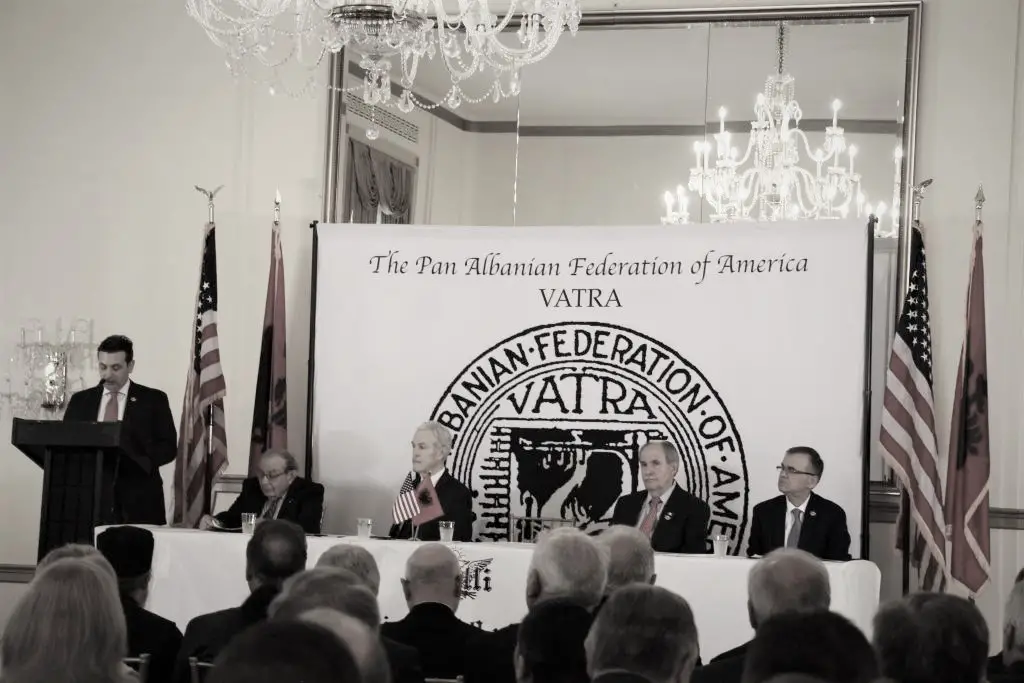
II. The Shared Environment: Harvard, Boston, and “Vatra”
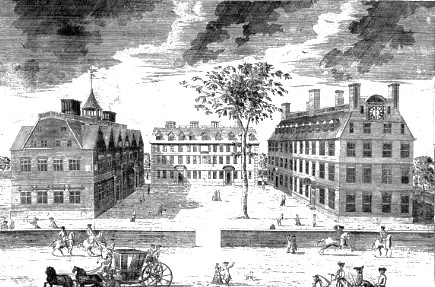
- Harvard – the center of liberal thought
Fan S. Noli graduated from Harvard University in 1912, becoming one of the first Albanian intellectuals with a higher American education. At the same university, several decades later, John F. Kennedy was also shaped, with the same inspiration for leadership and democratic reform.
At Harvard, Noli was influenced by Unitarian and humanist philosophy, while Kennedy was nourished by the principles of liberal ethics and public responsibility. This intellectual proximity created an ideological line that would be reflected in how these two personalities understood the relationship between politics and morality.
2. Boston – the center of Albanian-American consciousness
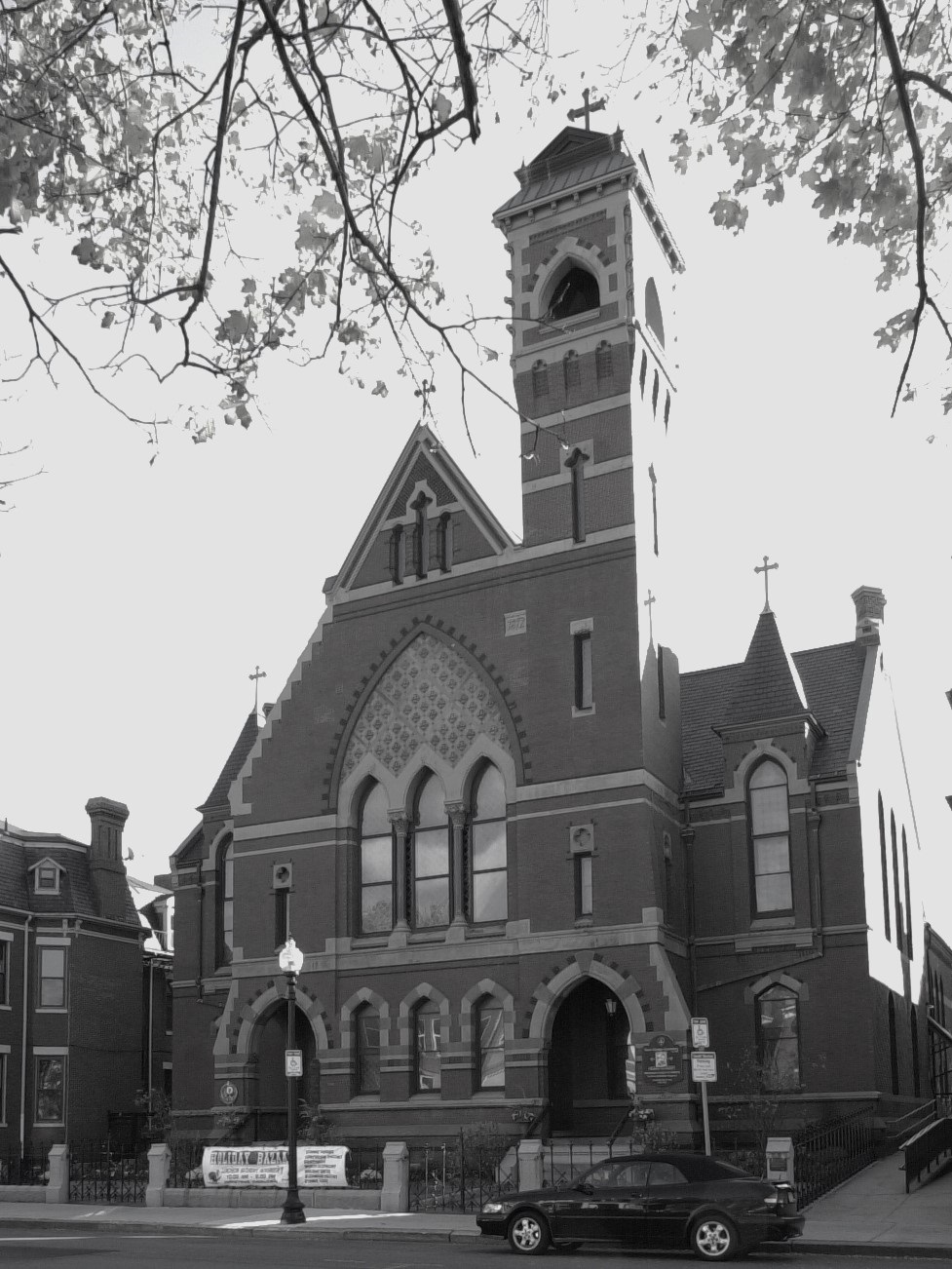
Boston remained a common symbol for both: for Noli as a spiritual home and center of “Vatra,” for Kennedy as the political and moral base of his career. In Boston, Noli founded the Albanian Orthodox Church and the newspaper “Dielli” (The Sun), which for decades became the voice of Albanian freedom and democracy in America. On the other hand, Kennedy, as Senator of Massachusetts (1953-1960), often visited the immigrant communities of the city, including the Albanian ones, expressing respect for their community and patriotic work. At one of the meetings organized by “Vatra” in the late 1950s, Albanian representatives handed Kennedy a copy of “The History of Skanderbeg,” with the dedication: “For a friend of the Albanian people and of liberty.”
III. Correspondence and Mutual Respect
In the archive of the “Vatra” Federation, a letter from Fan S. Noli addressed to Senator Kennedy (1958) is preserved, in which he expressed his congratulations and support for his presidential candidacy, describing him as a “voice of the new hope of America and of small peoples.”
In April 1961, a few months after his inauguration as President, Kennedy sent an official message to the “Vatra” Federation on the occasion of its 50th anniversary, appreciating the contribution of Albanian-Americans to the preservation of democratic ideals.
This was the first time an American president directly mentioned the “Albanian people” in an official White House document.
IV. Kennedy’s Policy towards Eastern Europe and Albania
Unlike previous administrations, Kennedy developed a more nuanced policy towards the countries of the Eastern Bloc, distinguishing totalitarian regimes from oppressed peoples. In a State Department memorandum (1962), he instructed embassies and diplomatic radios to distinguish between the “policy of communist governments” and the “human feelings of enslaved peoples.”
V. Concrete Examples of American Support for Albanians in the Diaspora
This spirit was also reflected in the stance towards Albania. Kennedy did not recognize Enver Hoxha’s regime, but he never closed humanitarian and cultural channels, allowing programs for refugees and communication through “Voice of America” in the Albanian language, which received special support during 1961-1963. In one of his sermons at the Albanian Church in Boston (1962), Noli gave concrete examples of American support for Albanians in the diaspora:
– USAID humanitarian programs (1961–1963): dozens of Albanians who escaped the communist regime were admitted to the USA through the Refugee Relief Act.
– “Voice of America” – broadcasts in Albanian: under the Kennedy administration, new financial support was secured so that the programs in Albanian would not be discontinued.
– The involvement of the Albanian diaspora in international freedom campaigns: at the Convention of Minorities of America (1962), Kennedy mentioned the Albanian community with appreciation as a model of integration and preservation of identity.
VI. Noli and Kennedy – Two Symbols of the Same Light
At their core, Noli and Kennedy represented two wings of a shared ideal:
– Noli – the spirit of a small nation seeking light in the darkness of tyranny;
– Kennedy – the power of a great state illuminating through justice and liberty.
After Kennedy’s assassination (November 1963), Noli expressed himself in a eulogy at the Boston Church:
VII. The Shared Legacy in Albanian-American Relations
Fan Noli remains the spiritual precursor of Albanian-American diplomacy. He built the first bridge of trust, culture, and mutual respect between the two nations. Kennedy institutionalized this relationship through his liberal policy, affirming that “America cannot be free if other nations are oppressed.”
At their core, Noli’s vision for a democratic Albania and Kennedy’s vision for a just world remain the foundation of today’s Albanian-American alliance and the historic support that the United States has given for the independence of Kosovo.
Fan S. Noli and John F. Kennedy were not just two personalities who lived in different times, but two minds who believed in the same light. One brought it from the ideal of the small nation, the other from the responsibility of the great nation.
This symbolic union between Boston and Tirana, between Harvard and “Vatra,” is the spiritual foundation of Albanian-American friendship – a friendship which, as Noli would say, “has no borders, because freedom knows no borders.” / Memorie.al
*Boston, Massachusetts – USA