
From Dashnor Kaloçi
Part One
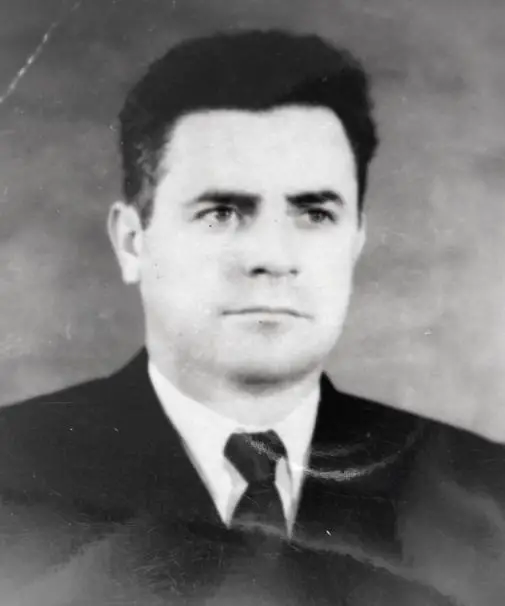
Memorie.al / The Special Operative Group that was created immediately after the arrest of the former Minister of Internal Affairs, Kadri Hazbiu, and his deputy, Feçor Shehu, in mid-October 1982, headed by the Deputy Minister of Internal Affairs, Zylyftar Ramizi (who also held the function of Director of State Security) and with Enver Zeneli and Hasan Ulqinaku as his subordinates, among other measures, such as the study and analysis of a large number of archival files belonging to a long period (1945-1982), also called upon and requested some of the former high officials of the leadership of the PPSH (Albanian Party of Labour) and former senior leading cadres of the Ministry of Internal Affairs, State Security officers, etc., to submit in writing what they knew or suspected regarding the “hostile activity” of Kadri Hazbiu, Feçor Shehu, or other persons with whom they had been connected by work or not, during the period they had served in that ministry, or in the Internal Affairs Branches in districts, in the Political Detection sector, near our diplomatic representations accredited in various countries of the world, etc.
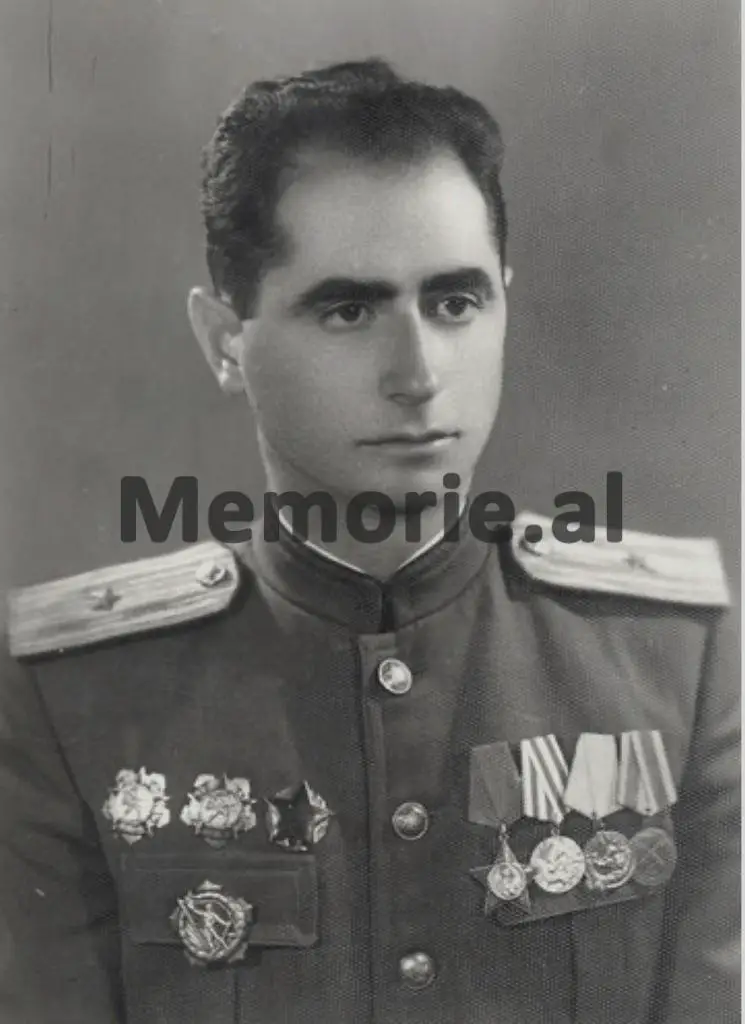
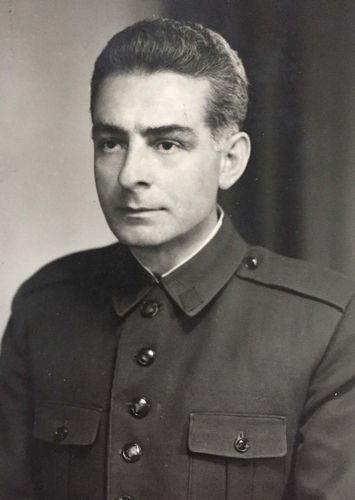
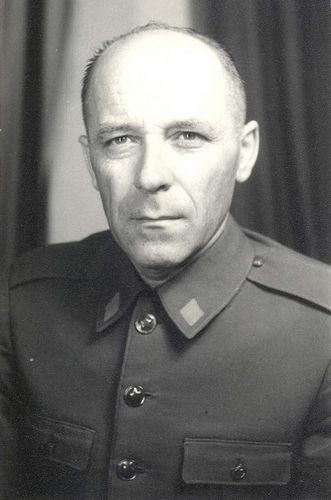
Among the former high officials of the PPSH and leading cadres and State Security officers, etc., who responded to this call, providing their written testimonies to the Special Operative Group, were: Liri Belishova (former member of the Political Bureau and secretary of the Central Committee of the PPSH for propaganda, art, and culture), Nesti Kerenxhi (former Major-General, Director of State Security and Minister of Internal Affairs), Xhule Çiraku (former Lieutenant-General, Director of the Second Directorate of State Security and Deputy Minister of Internal Affairs), Rexhep Kolli (former Lieutenant-General, Director of State Security and Deputy Minister of Internal Affairs), Zija Kambo (former Major-General and Commander of the Republic Guard), Zoi Themeli (former Lieutenant-General, Director of State Security and Deputy Minister of Internal Affairs), Myftar Tare (former Colonel and Deputy Minister for Political Detection, arrested in 1949 and released), Nevzat Haznedari (former Major-General and Head of the Investigation Department at the Ministry of Internal Affairs), Hekuran Pobrati (former Colonel and senior State Security officer), Feti Smokthina (former Colonel and Commander of the Republic Guard), Zylfi Saliu (former Colonel, senior State Security officer, head of Internal Affairs Branches in several districts, and deputy of the People’s Assembly), Lelo Sinaj (former senior officer and Director of State Security), Halil Zeneli (former Colonel of State Security and head of Internal Affairs Branches in several districts), Ilo Manushi (senior officer and Director of the Cadre Directorate of the Ministry of Internal Affairs), Mark Dodani (former Lieutenant-Colonel, senior State Security officer and deputy head of the Sarandë Internal Affairs Branch), Xhemal Bejto Fasllia (former judge and senior State Security officer in the Ministry of Internal Affairs), Ibrahim Kubati (former agronomist graduated in Bulgaria, director of hunting reserves in several districts of the country where the high leadership of the PPSH went hunting, political prisoner), Ali Kubati (former officer of Political Detection in several countries of the world and deputy chairman of the Executive Committee of Tirana, political prisoner), Nexhip Pajo, former senior officer of the Ministry of Internal Affairs, etc.
From the aforementioned letters or reports sent to the address of the Special Operative Group at the Ministry of Internal Affairs, or personally to Minister Hekuran Isai, in the years 1982-1983, in previous issues we have published the letters of Liri Belishova, Hekuran Pobrati, Xhule Çiraku, Mark Dodani, Ibrahim Kubati and Nexhip Pajo, whereas in this article, we are publishing the letter of the former senior State Security officer, head of the investigation department at the Ministry of Internal Affairs, Major-General Nevzat Haznedari and his subordinate, the investigator Raqi Zavalani.
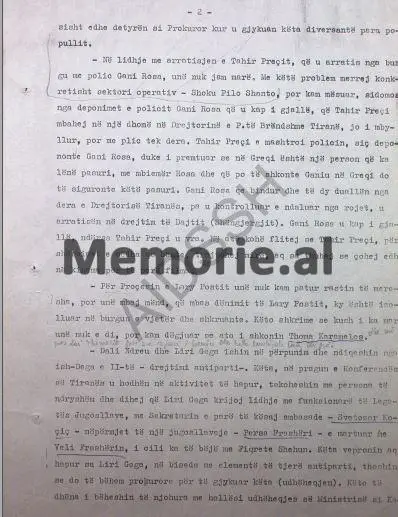
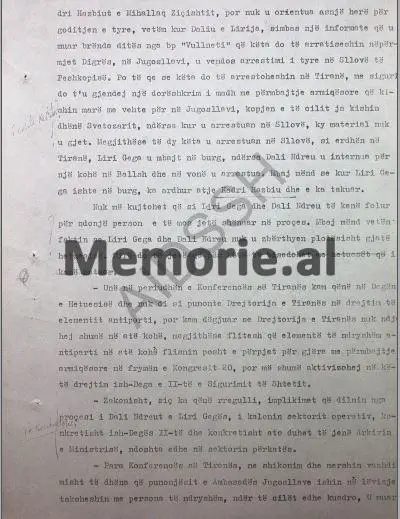
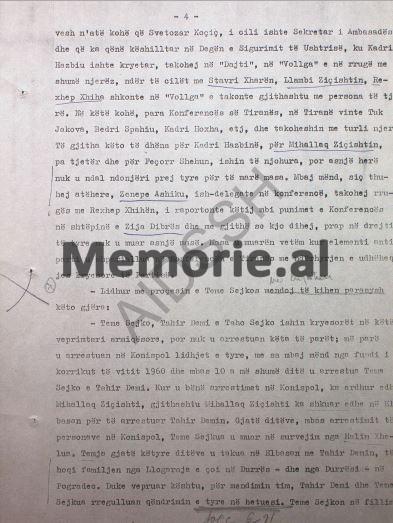
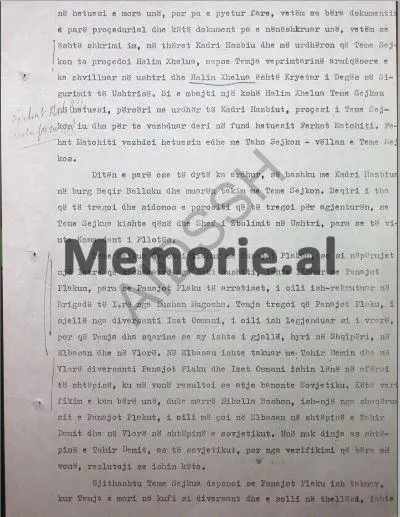
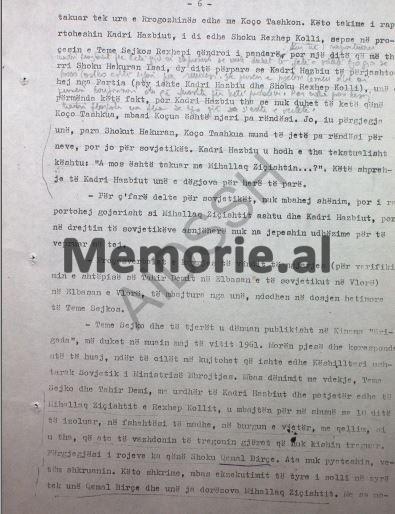
In their letter, they provide a detailed overview of the main events they had faced from 1950 to 1982, starting with the groups of saboteurs who had landed in Albania at that time, such as: Zenel Shehu, Hamit Matjani, Halil Branica, Tahir Premçi, etc., as well as highlighting the “hostile activity” of Mehmet Shehu, Kadri Hazbiu, Feçor Shehu, Mihallaq Ziçishti, etc., or of a series of high officials who had been condemned by the Party, such as Tuk Jakova, Bedri Spahiu, Dali Ndreu, Liri Gega, Teme Sejko, Panajot Plaku, Taho Sejko, Tahir Demi, Halim Xhelo, Kadri Hoxha, Zenepe Ashiku, etc. For more on this, etc., the document in question, which is part of a voluminous file (found in the archival fund of the Authority for Information on the Documents of the former State Security), is published for the first time (together with the respective facsimiles) by Memorie.al.
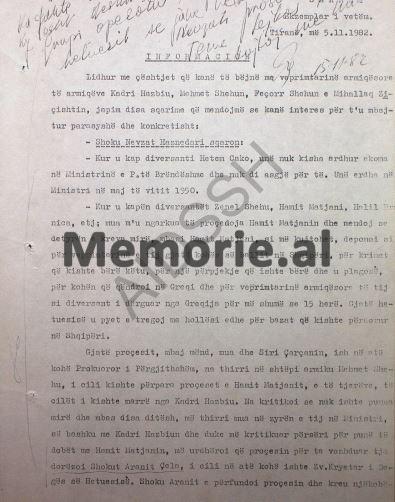
THE SECRET DOCUMENT WITH THE REPORT-INFORMATION OF TWO HIGH OFFICIALS OF THE MINISTRY OF INTERNAL AFFAIRS, NEVZAT HAZNEDARI AND RAQI ZAVALANI, ON THE “HOSTILE ACTIVITY” OF KADRI HAZBIU, FEÇOR SHEHU, MIHALLAQ ZIÇISHTI, ETC.
SECRET
Single copy
Tirana, November 5, 1982
Regarding the issues related to the hostile activity of the enemies Kadri Hazbiu, Mehmet Shehu, Feçor Shehu and Mihallaq Ziçishti, we provide some clarifications that we think are of interest to be kept in mind, specifically:
Comrade Nevzat Haznedari clarifies:
When the saboteur Hetem Çako was caught, I had not yet come to the Ministry of Internal Affairs and I know nothing about it. I came to the Ministry in May 1950. When the saboteurs Zenel Shehu, Hamit Matjani, Halil Branica, etc., were caught, I was charged with processing Hamit Matjani and I think I performed the task well, because Hamit Matjani, as I recall, testified about his activity during the time of the ‘Balli’ in Albania, about the crimes he had committed here, about an attempt he made and was wounded, about the time he stayed in Greece and about his hostile activity as a saboteur, sent from Greece, more than 15 times.
During the investigation, he was questioned and showed in detail also about the bases he had used in Albania. During the process, I remember that the enemy Mehmet Shehu called me and Siri (Çarçani), who was at that time the General Prosecutor, to his home. He had in front of him the case files of Hamit Matjani and others, which he had taken from Kadri Hazbiu.
He criticized us that the work had not been done well and after a few days, he called me to his office at the Ministry, together with Kadri Hazbiu and, criticizing me again for poor work with Hamit Matjani, he ordered me to hand over the case to comrade Aranit Çela, who at that time was Deputy Head of the Investigation Branch, to continue it. Comrade Aranit finished the case and also performed the duty as Prosecutor when these saboteurs were tried before the people.
Regarding the escape of Tahir Preçi, who escaped from prison with the policeman Gani Rosa, I was not involved. This problem was specifically handled by the operative sector, comrade Pilo Shanto, but I have learned, especially from the testimony of the policeman Gani Rosa, who was caught alive, that Tahir Preçi was kept in a room at the Tirana Internal Affairs Directorate, not locked up, but with a policeman at the door.
Tahir Preçi deceived the policeman, as Gani Rosa testified, by promising him that in Greece there is a person with the surname Rosa who has left property, and if Ganiu went to Greece, he would secure that property. Gani Rosa was convinced and the two left through the door of the Tirana Directorate, without being checked or stopped by the guards, and escaped towards Dajti (Shëngjergj). Gani Rosa was caught alive, while Tahir Preçi was killed. At that time it was said that Tahir Preçi, because of the great services he rendered, was treated well, so much so that it was said he was even taken to the cinema to watch movies.
Regarding the case of “Larry Post”, I did not have the opportunity to deal with it, but I remember that after the sentencing of “Larry Post”, he was isolated in the old prison and wrote. Who took these writings, I do not know, but I have heard that they went to Thoma Karamelo. Dali Ndreu and Liri Gega were being processed and followed by Security, the Second Directorate, and the anti-party direction.
On the eve of the Tirana Conference, they were thrown into open activity, met with various persons and it was known that Liri Gega established connections with officials of the Yugoslav legation, with the First Secretary of that embassy, Svetozar Koçiç, through a Yugoslav woman, Perga Frashëri, married to Veli Frashëri, who has to do with Fiqrete Shehu.
They acted so openly that Liri Gega, in conversations with other anti-party elements, said that she would become a prosecutor to judge these (the leadership). These data were made known in detail to the leadership of the Ministry, such as Kadri Hazbiu and Mihallaq Ziçishti, but no direction was ever given for their strike, only when Dali and Liri, following information received within the day from the B.p. “Vullneti” that they would escape through Dibra to Yugoslavia, their arrest was ordered in Sllovë, Peshkopi. If they had been arrested in Tirana, surely a large manuscript with hostile content that they had taken with them to Yugoslavia would have been found, a copy of which they had given to Svetozar, but when they were arrested in Sllovë, this material was not found.
Although both were arrested in Sllovë, when they came to Tirana, Liri Gega was kept in prison, while Dali Ndreu was interned for a time in Ballsh and later arrested. I remember that when Liri Gega was in prison, Kadri Hazbiu came there and met her. I do not recall that Liri Gega and Dali Ndreu spoke about any person that was not recorded in the case file. I only remember the fact that Liri Gega and Dali Ndreu were not fully broken down during the investigation.
It would be good to talk about this with the investigators who investigated them. I was in the Investigation Branch during the period of the Tirana Conference and I do not know how the Tirana Directorate worked regarding anti-party elements, but I have heard that the Tirana Directorate did not feel very active at that time, although it was said that various hostile elements spoke up and down about things with hostile content in the spirit of the 20th Congress, but the former Second Directorate of State Security was more active in this direction.
Usually, as has been the rule, the implications that emerged from the case of Dali Ndreu and Liri Gega were passed to the operative sector, and specifically, they should be in the Ministry’s Archive, perhaps also in the relevant sector. Before the Tirana Conference, we constantly saw and received data that employees of the Yugoslav Embassy were on the move and met with various persons, including cadres.
It was learned at that time that Svetozar Koçiç, who was the Secretary of the Embassy and had been an advisor in the Army Security Branch, where Kadri Hazbiu was chairman, met in “Dajti”, in “Vollga” and on the street, with many people, among them with Stavri Xhara, Llambi Ziçishti, Rexhep Xhiha went to “Vollga”, also met with other persons. At this time, before the Tirana Conference, Tuk Jakova, Bedri Spahiu, Kadri Hoxha, etc., came to Tirana and met with various people.
All these data about Kadri Hazbiu, about Mihallaq Ziçishti, and certainly about Feçor Shehu, were known, but none of them were ever stopped to take measures. I remember, as it was said then, Zenepe Ashiku, former delegate at the conference, met Rexhep Xhiha on the street, reported to him about the proceedings of the Conference at Zija Dibra’s house, and even though this was known, still no measures were taken against them.
Measures were taken only when the anti-party element was crushed at the Tirana Conference, with the intervention of the main Party leadership. Regarding the case of Teme Sejko, I think these things should be kept in mind: Teme Sejko, Tahir Demi, and Taho Sejko were the main ones in this hostile activity, but these were not arrested first; their connections were arrested first in Konispol, as far as I remember, at the end of July 1960 and after 10 or more days, Teme Sejko and Tahir Demi were arrested.
When the arrests were made in Konispol, Mihallaq Ziçishti also came, and he also went to Elbasan to arrest Tahir Demi. During the days after the arrest of the persons in Konispol, Teme Sejko was placed under surveillance by Halim Xhelo. Temja during these days met with Tahir Demi in Elbasan, moved his family from Llogaraja, took them to Durrës, and from Durrës to Pogradec. By acting thus, in my opinion, Tahir Demi and Teme Sejko arranged their stance in the investigation.
I initially took Teme Sejko in the investigation, but without questioning him at all, only making the first procedural document, and before I signed this document, it being my writing, Kadri Hazbiu calls me and orders me that Teme Sejko should be processed by Halim Xhelo, because Temja had developed his hostile activity in the army and Halim Xhelo is the Head of the Army Security Branch.
After Halim Xhelo kept Teme Sejko for a while, again by order of Kadri Hazbiu, the case of Teme Sejko was given to the investigator Ferhat Matohiti to continue to the end. Ferhat Matohiti continued the investigation also with Taho Sejko, Teme Sejko’s brother. On the first or second day, Beqir Balluku came to the prison together with Kadri Hazbiu and they met with Teme Sejko. Beqiri told him to speak, and especially instructed him to speak about the agency, since Teme Sejko had also been the Head of Intelligence in the Army before becoming Commander of the Fleet.
Teme Sejko testified about Panajot Plaku, how through a letter he had received from Haki Rushiti, he had connected with Panajot Plaku before Panajot Plaku escaped, who had been recruited into the First Brigade by Dushan Mugosha. Temja showed that Panajot Plaku, brought by the saboteur Izet Osmani (who had been legendary as killed, but Temja gave clarifications that he was alive), entered Albania, in Elbasan and in Vlorë.
In Elbasan he had met with Tahir Demi and in Vlorë the saboteur Panajot Plaku and Izet Osmani had been left near the house where it later turned out that the Soviet lived. I made this verification, taking Nikolla Basha, one of Panajot Plaku’s former companions, who took me to Elbasan, to Tahir Demi’s house, and to Vlorë, to the Soviet’s house. I did not know either Tahir Demi’s house or the Soviet’s, but from the verification I did later, it turned out that these were them.
Also, Teme Sejko testified that Panajot Plaku had met, when Temja picked him up at the border as a saboteur and brought him inland, he had met at the Rrogozhina Bridge also with Koço Tashko. These meetings were reported to Kadri Hazbiu; Comrade Rexhep Kolli also knows, because in the case of Teme Sejko, Rexhepi remained inseparable. But one day when Comrade Hekuran Isai called me, two days before Kadri Hazbiu was expelled from the Party (Kadri Hazbiu and Comrade Rexhep Kolli were there), I mentioned this fact, but Kadri Hazbiu said that it could not have been Koço Tashko, because Koço is an insignificant man.
No, I answered, before Comrade Hekuran, Koço Tashko may be insignificant for us, but not for the Soviets. Kadri Hazbiu jumped and said textually: “Could he have met with Mihallaq Ziçishti…?!” This expression of Kadri Hazbiu, I heard for the first time. What came out about the Soviets was not recorded, but was reported orally, both to Mihallaq Ziçishti and to Kadri Hazbiu, but regarding the Soviets, no instructions were ever given to act further. The scene examination records (for verifying the houses of Tahir Demi in Elbasan and the Soviet in Vlorë), kept by me in Elbasan and Vlorë, is in the investigative file of Teme Sejko.
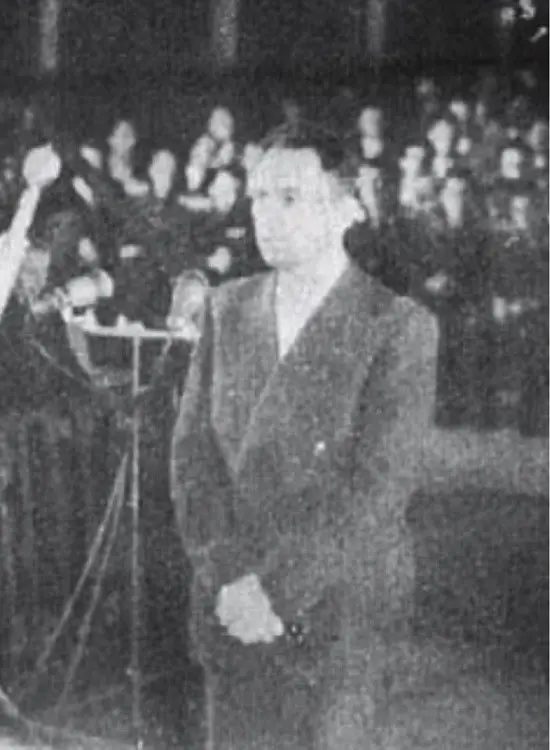
Teme Sejko and the others were publicly sentenced at the “Brigada” Cinema; it seems to me in May 1961. Foreign correspondents also participated, among whom I remember the Soviet military advisor of the Ministry of Defence. After the death sentence, Teme Sejko and Tahir Demi, by order of Kadri Hazbiu and certainly also of Mihallaq Ziçishti and Rexhep Kolli, were kept for more than 10 days isolated in great secrecy in the old prison, with the aim that they would continue to tell things they had not told.
The responsible for the guards was comrade Qemal Birçe. They were not questioned, but only wrote. These writings, after their execution, were brought to my office by Qemal Birçe and I handed them to Mihallaq Ziçishti. As I learned, they had not written anything more than what they had testified in the investigation and in court. These writings should be in their investigative files. After 10 days or more, I don’t remember well, Teme Sejko, by order of Kadri Hazbiu, was taken out of prison and taken near the village of Marikaj, to a house on top of a hill, surrounded by trees.
There came Mihallaq Ziçishti, Rexhep Kolli, me and Qemal Birça and the driver Jorgo Bimo, who has died. Teme Sejko was tortured and asked to speak. He said nothing. I don’t remember, but as Qemal Birçe told me these days, there, a little later, Kadri Hazbiu had also come, who met with Mihallaq and Rexhep, and after Kadriu left, Teme Sejko was taken into the car, almost dead, tied with rope, and taken towards the Dajti road, where he was executed.
At the execution site, I remember that Qemal Birçe, the driver, Mihallaqi, Rexhepi and I were there, while when Comrade Hekuran called us, Comrade Rexhep said that he had turned back on the road, not coming to the execution site. Comrade Qemal Birçe also said that comrade Rexhep was only at the place where he was tortured, but was not at the execution site of Temja, but Qemali says: I was not there either, while I remember that I was, and that the execution site of Teme Sejko, Qemali says, I showed him.
Vehbi Hoxha was implicated in the case of Beqir Balluku. He also was acquainted with the antitheses prepared by Beqir Balluku. Vehbi Hoxha was charged with studying them and giving the final touch to Beqir Balluku’s black material as a specialist. By order of Feçor Shehu, as well as others, Abdi Mati, etc., were called and questioned. Thus he was questioned by me in an office here at the Ministry. The record should be in the file of implications. The purpose was, as far as I remember, for these to appear as witnesses in the trial of Beqir Balluku, but Vehbiu seems not to have appeared.
I also remember that when I asked Vehbija to tell what he knew about the hostile activity of Beqir Balluku, he initially hesitated to speak, but when I specifically asked him about the antitheses, he spoke what is recorded in the record. Regarding the recruitment of some persons for collaboration, as far as I remember, it was done like this: S.M., whom I did not know at all, was recruited by Kristofor Mërtiro, it seems to me together with Çome Asimaqi, in Lushnjë by order of Feçor Shehu.
Kristofori kept the connection. Also V.K. was recruited in prison after sentencing and kept in connection by Kristofori. By order of Feçor Shehu, Asllan Haka was recruited by me and Kristofori, and by order of Feçor, Kristofori kept the connection. Also by order of Feçor Shehu, Afron Çeli was recruited by me and Çome Asimaqi, and was kept in connection by Kristofori. I remember that Skënder Konica, when he was sent to Memaliaj, sent a letter to Kadri Hazbiu. Memorie.al