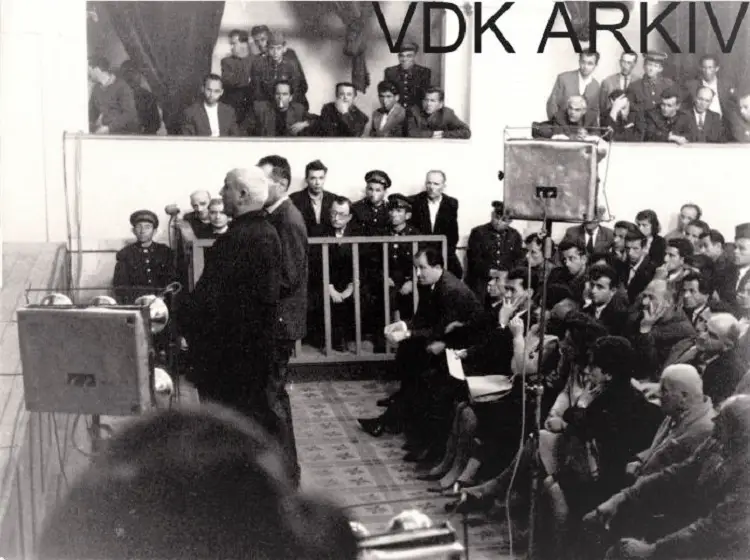

Memorie.al / In the USA, the CIA has declassified what happened in communist Albania in 1953. Through a declassified document, the war waged against religion in the country, and especially against Catholics, is revealed. A cablegram shows how the arrest and killing of priests, monks, and bishops began. Out of 93 priests in total, 83 of them were killed and imprisoned. Then, an overview of the healthcare system in the country is provided. It also shows what would happen if someone fled abroad. It is stated that if someone escaped to Greece or Italy and did not return within 3 months, their entire family would be arrested. According to the CIA, thanks to political arrests, the communist system carried out many constructions in the country.
Persecution of the Catholic Church
September 1953
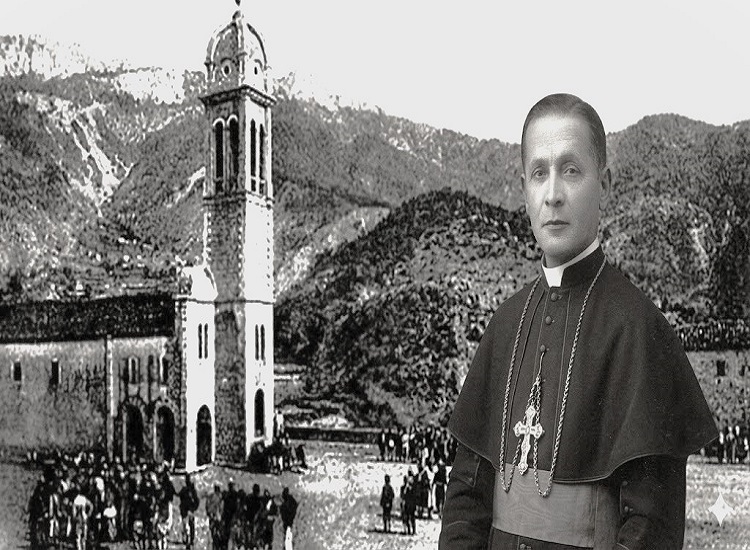
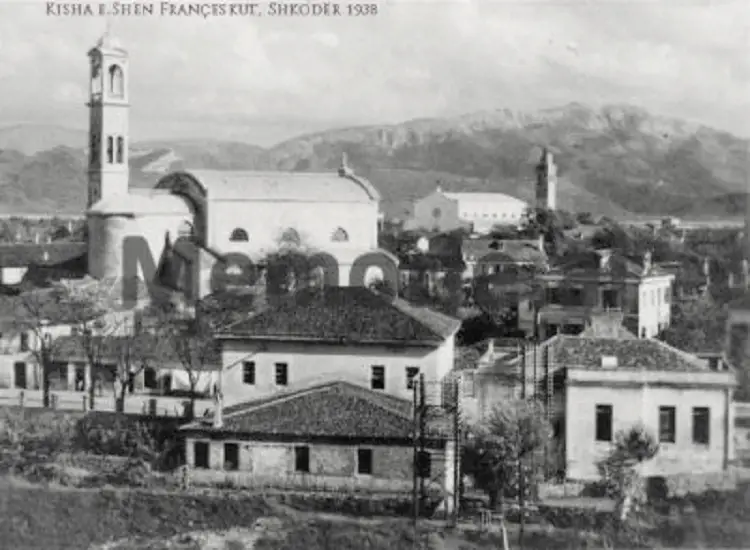
Confirmed reports from Albania indicate a tragic situation for Catholic priests and other officials under Enver Hoxha’s communist regime. Out of the 253 Catholic churches that existed in Albania in 1945, at least 65 percent have been destroyed. Monasteries and religious seminaries have been closed, and the same fate has befallen 15 church-run orphanages and other charitable institutions. According to the organ of the Albanian refugee group in Italy, “Bolletino Albanese di Informacioni”, Catholic Church officials have suffered the harshest treatment.
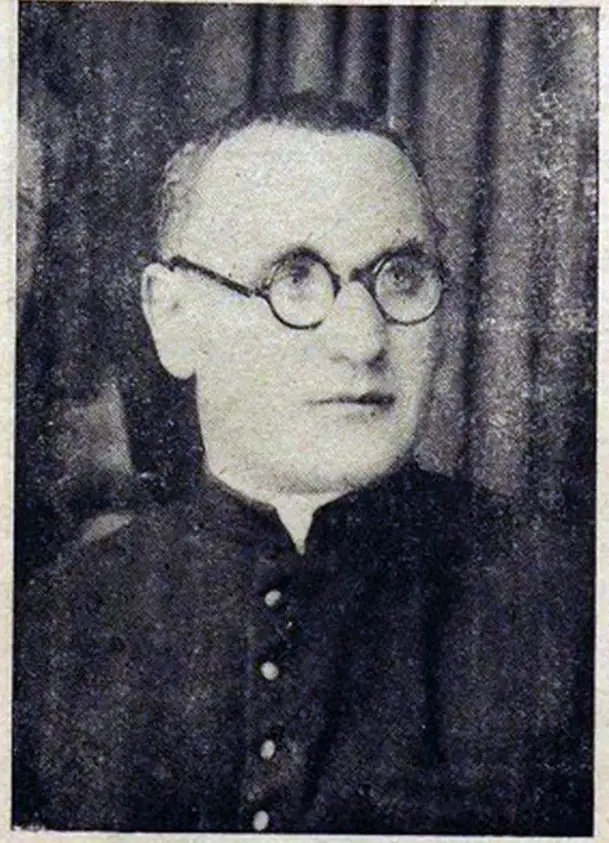
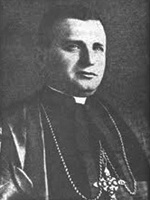
Five bishops have been killed or have died in prisons: Gaspër Thaçi from Shkodra, Vinçenc Prenushi from Durrës, Gjergj Volaj from Sapa, Frano Gjin Lleshi, and Bernard Sadiku. Of the 93 priests that Albania had in 1945, only ten now remain. Of the other 83, 24 have been killed, 35 are imprisoned, and 10 are missing or dead. Most of those killed were held in prison, where they were tortured for several months.
Of the 92 monks belonging to various monastic orders in Albania, 18 have been killed, 34 are imprisoned or in forced labor in concentration camps. 17 have been expelled from Albania, 15 are still in Albania (presumably at liberty), and nothing has been known of 10 of them for many years. Other reports speak of a harsh campaign of suppression by the communist regime against Muslim clergy and those of other faiths, as well as their followers. Information is being gathered by the National Committee “Free Albania” in Italy.
Medical Services in Albania
July 1962
This report includes information on common diseases in Albania, hospitals, and Soviet medical advisers. The report also gives general impressions of Albania during the late 1950s. Living standards in Albania are very low. The average monthly salary is 3,000–4,000 leks for an ordinary worker and about 5,000 for a doctor, while a pair of sandals costs 3,000 leks. Families in rural mountain areas live in wooden houses, without windows, and together with their livestock.
Most homes lack sanitary installations such as sewage systems, or even washbasins, so public health standards are very low. Medical services are primitive. Hospitals and clinics are few and lack equipment and doctors. Albania has about 120 doctors, of whom 60 are experienced or graduated in Italy, with a small number having studied in France. Ten of them are supposed to be tuberculosis specialists, but in fact only five are proficient in their profession. The other 60 graduated from schools in the USSR, Hungary, Romania, Czechoslovakia, and Yugoslavia. In 1952, the first medical school was opened in Tirana, under the direction of second-rate Soviet doctors.
Epidemics
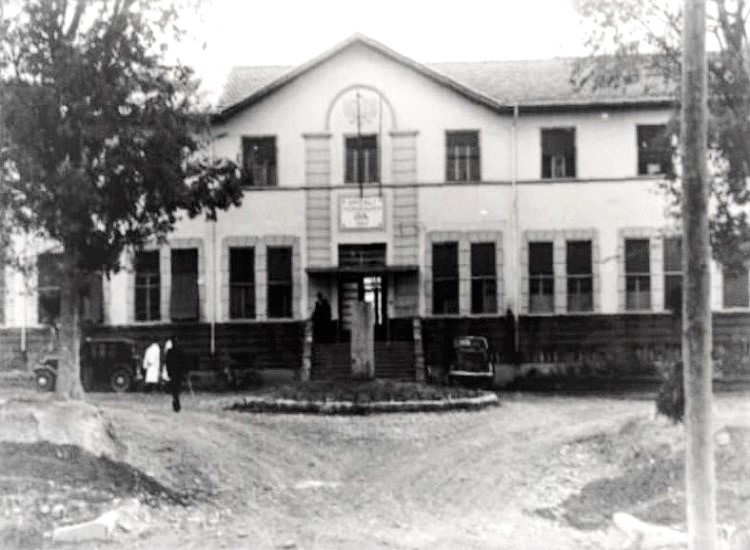
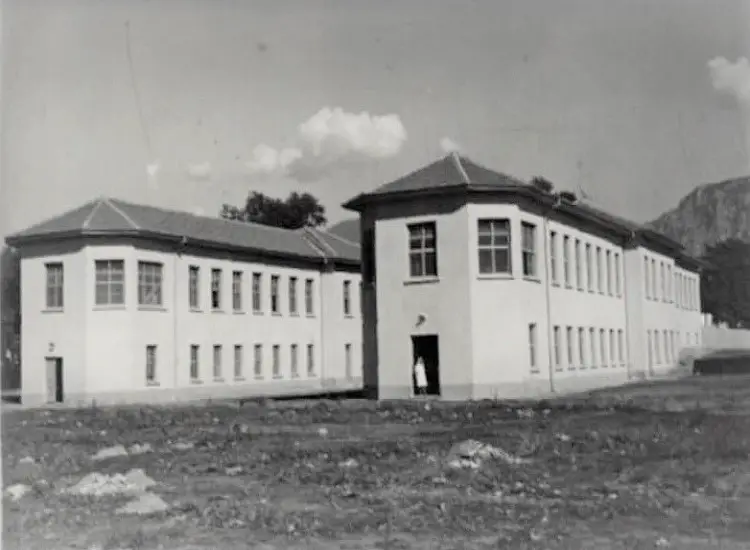
Typhus and tuberculosis epidemics are common in Albania. The country has about 1 million inhabitants, of whom 150,000 live in Tirana. However, census figures may be considered inaccurate, as the population in mountainous areas has not been registered or examined. Throughout the state there are three tuberculosis hospitals (Tirana, Korça, Shkodra), which have a maximum of 1,200 beds. The tuberculosis hospital in Tirana has about 300–400 beds. It is housed in a formerly private building and in a hall that the Italians had previously used to keep pigeons.
Some hospital rooms have 3–4 beds, but most have about 30. The hospital is located near a dirt road and has no sanitary facilities such as bathrooms, running water, or sewage. Only the most severe cases with positive Koch results are admitted there. Cases considered hopeless are placed in the side wings of the hospital, where they are left without treatment in miserable conditions. Russian supplies of streptomycin, P.A.S., and nicotine are insufficient.
Patients are hospitalized for a much shorter period than needed, so they remain a source of infection, especially for their families. The Tirana hospital is reported to have performed one lung operation, but its methods are primitive and painful, and the mortality rate from operations is high. Normally, mortality from tuberculosis is high, but there are no official statistics. Only one military hospital was different from the others – clean.
Its director, Sinan Imami, had served in the same post even during the Italian occupation. Until 1956, there was no tomography apparatus in Albania. Factory and administrative employees are required to undergo periodic check-ups. There have been rumors that micrographic testing has begun in some parts of the country, but due to lack of equipment, doctors, and medical personnel, results are not visible.
Assistance from the USSR
To solve their medical problems, Albania has invited advisers from the USSR, Romania, Hungary, and Czechoslovakia. As a rule, Albanians accept Soviet advice out of fear, but they pay no heed to advice from others. Czech and Hungarian doctors left angry before completing their contracts; only the Romanians stayed without insisting on having their demands and working conditions met. During 1955–1956, there were five Romanian doctors serving in Albania: one tuberculosis specialist, one internist, one bacteriologist, and two pediatricians.
One of them, who agreed to stay for a year, brought his family with him. During their stay in Albania, the Romanian doctors were paid their full Romanian salary, plus 20,000 leks and 350 lei, which were paid in Russian rubles. They were allowed to shop in special stores where the quality of goods was higher and prices lower than the market. Even Albanians who received foreign currency could buy in these stores with a 30 percent discount. Initially, the Romanian doctors were accommodated at the “Dajti” Hotel, the largest and best hotel in Tirana. Later, they were given apartments, and the hotel was reserved exclusively for the Soviets.
Food products were not subject to sanitary inspections in Albania. Mehmet Shehu, head of the Council of Ministers and second in the hierarchy after Enver Hoxha, is responsible for health problems. He has called several consultation meetings with foreign doctors regarding testing, vaccination, and equipment issues, but none of them went beyond the discussion phase. On the other hand, the authorities had set up a special hospital for party members, which was well equipped and run by a Soviet professor.
General Impressions
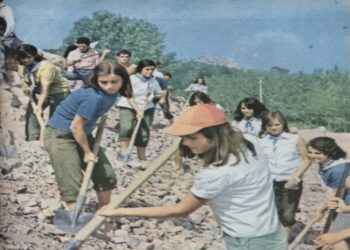
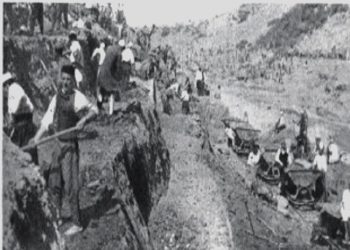
In the years 1955–1956, Albania had excellent relations with Moscow, based on its complete subservience to it. The country was filled with Soviet experts and personnel, and the regime maintained its authority through increased terror. If an Albanian left for Italy or Greece and did not return within three months, their entire family was arrested. Political prisoners were numerous. Public works were carried out by them and by convicted criminals. Often, prisoners were forced to sleep outside. The Soviets were despised, and despite fear of the secret services, even prominent Albanians had expressed their hatred. This contempt stemmed from the fact that they were taking control of the country.
Albanians also had high expectations of a possible union with Italy, as had been promised during the Italian occupation. At that time, the Italians had built a number of maternity wards, several administrative buildings, paved roads, alleviating the economic hardships of the Albanians. Albania has almost no industry. Until 1956, the only industrial plant was the Tirana textile combine, built by the Soviets. Albanians had no confidence in the production of this combine and preferred to buy clothes from packages coming from abroad./ Memorie.al