

Dashnor Kaloçi
Part two
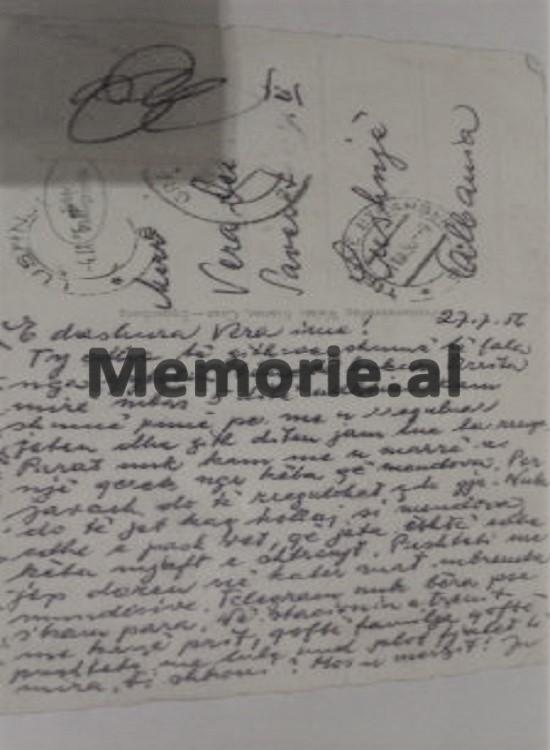
Memorie.al publishes the testimonies of former convicts who were interned in forced labor camps in the fields of Myzeqe, such as Plug, Bedat, Savër, etc., where the three German girls Elsa Koch and Irmgrand Tennius were serving their sentences. and Erna Schubert, who were taken prisoner in September 1944 as they were leaving Albania in a German convoy on the Kukës-Prizren road, to be held hostage in exchange for several exchanges of Albanian and Yugoslav communists and partisans. held in solitary confinement in the Prishtina Camp. How did those three girls suffer in internment camps until 1956 when they were repatriated to their countries under the “Khrushchev-Adenauer Agreement” which led to the release and exchange of all World War II prisoners held in their respective camps? and what Elsa Koch, the former secretary general of the German general, Fiztum, (commander-in-chief of German forces in Albania) wrote on the postcard she sent from Vienna on September 4, 1956, after the repatriation of her still-suffering friend Vera Dema family in Savra camp…
Continued from the previous issue...
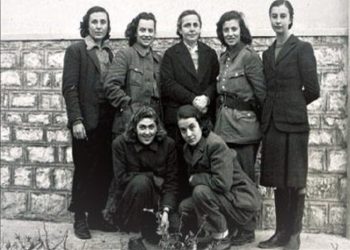
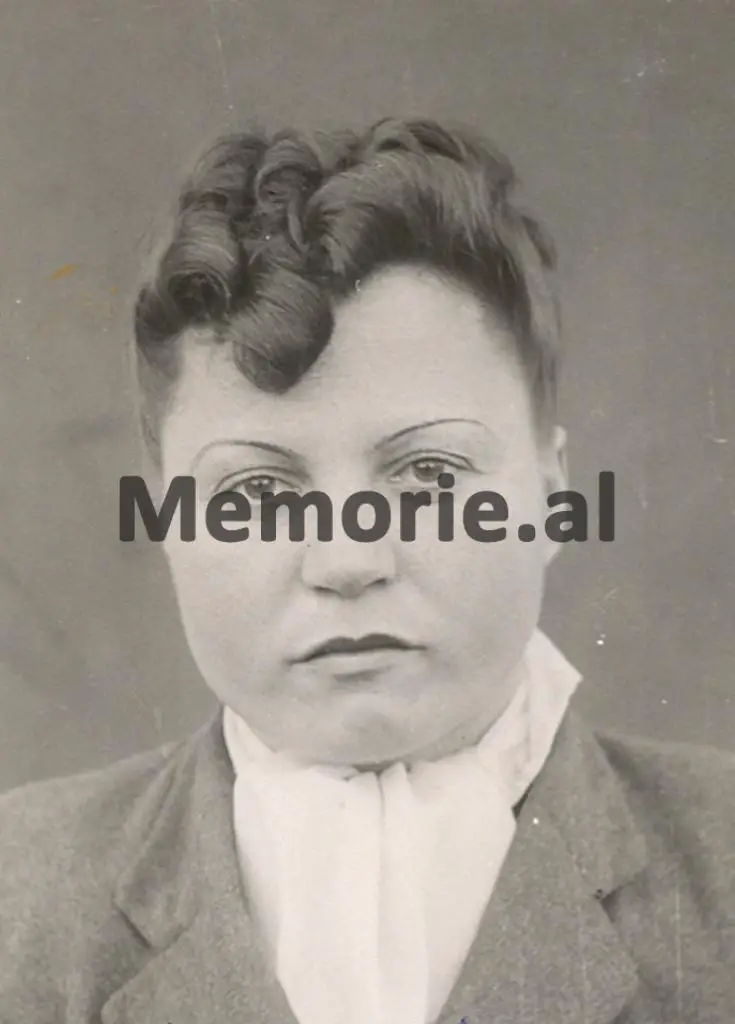
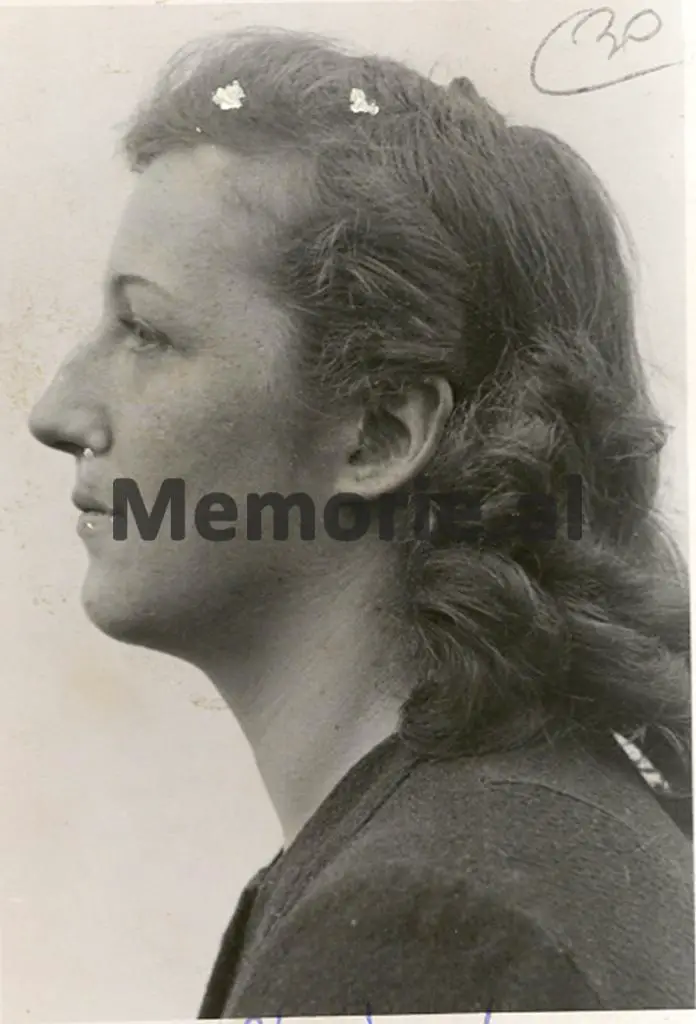
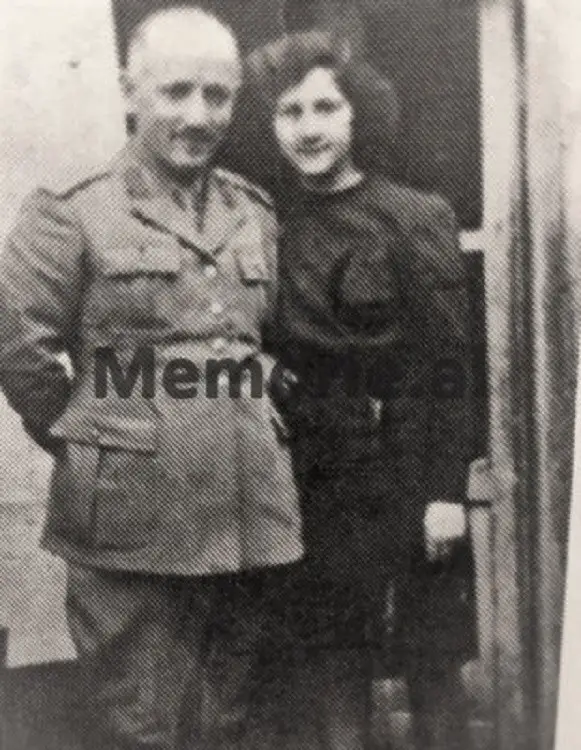
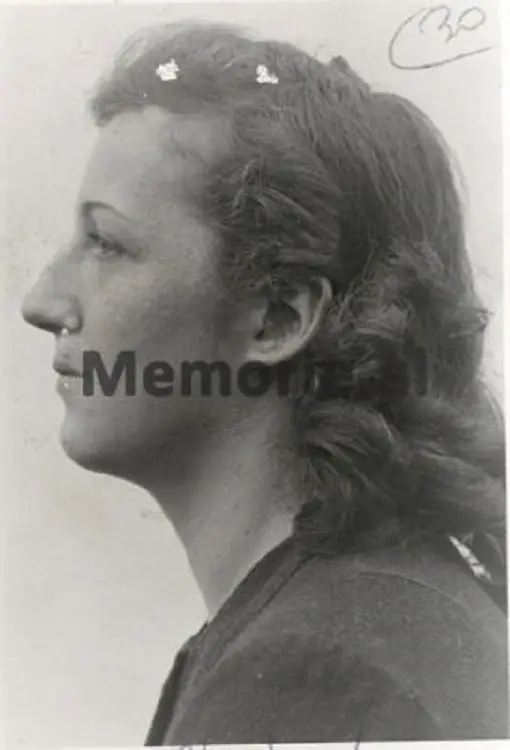
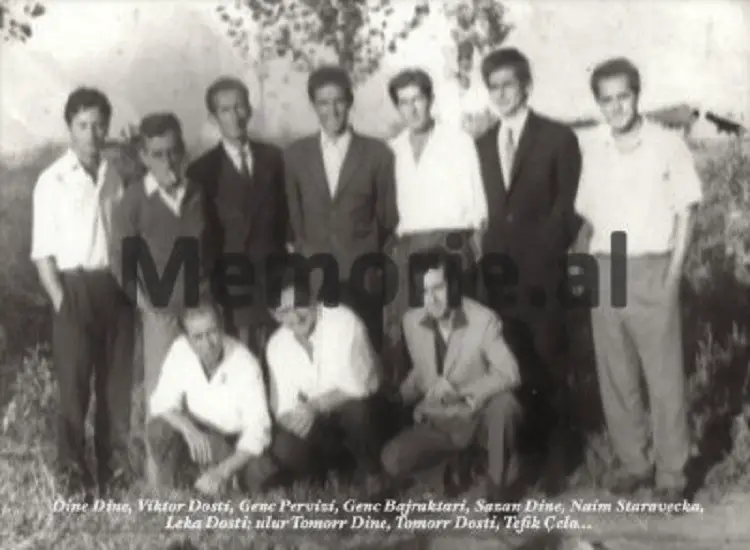
The sad story of three German girls, Elsa Koch, Irmgrand Tennius and Erna Schubert, who were captured by a partisan ambush on the Kukës-Prizren road on September 5, 1944 as they left Albania for Yugoslavia and were later held hostage for exchanged with several dozen Albanian and Yugoslav communists and partisans held interned in the Pristina Cape under an agreement Enver Hoxha made with the German command, which led to the execution of 104 Albanian convicts in that camp after not Envert’s observance of the agreement has been known to many of the “reactionary” families, such as: Gjonmarkaj, Dema, Mulleti, Kola, Merlika, Pervizi, Dine, Melyshi, Dosti, Kupi, Mirakaj, Radi, Çela, etc. , etc., who were interned in the camps of the fields of Myzeqe, such as: Savër, Bedat, Plug, Gradishtë, etc., etc., where there were also three “German girls”.
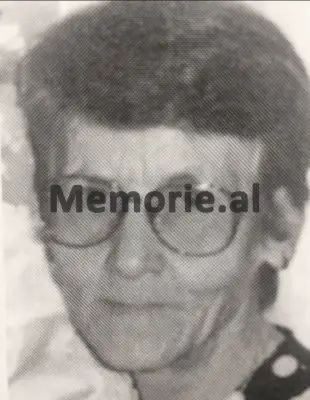
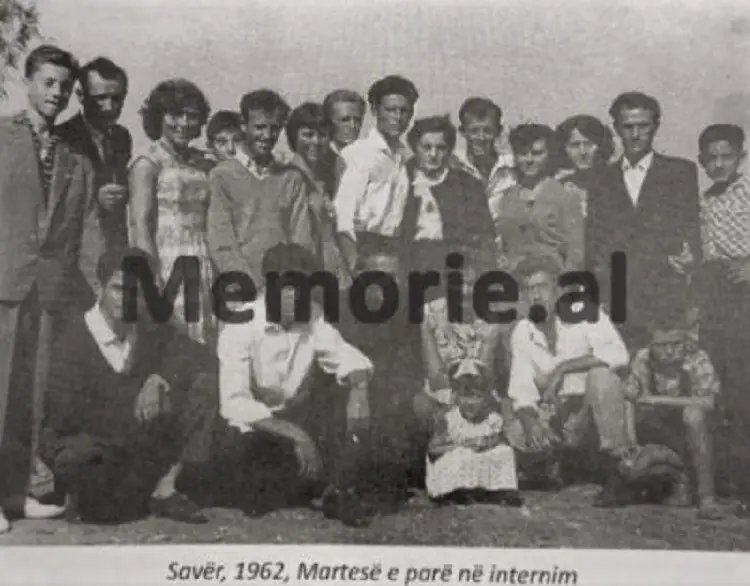
Many members of these families who were interned there until 1991, when the communist regime collapsed, had the opportunity to work with the three girls or got to know them closely while suffering internment with them in labor camps. forced in the fields of Myzeqe, remember with great respect them, as girls with culture and very educated, very polite, correct at work and the social environment that created those years that were there and all without exception speak the best words for to. In those internment camps in the fields of Myzeqe, there were many other foreign nationals serving sentences, such as the Italian priest, Jak Gardini, etc., but the three German girls were much different from them, probably because of the closeness and friendship they had formed with their Albanian accomplices who were there.
Reshit Mulleti, the son of the famous Prefect of Tirana, Qazim Mulleti, was one of the internees who spent a long time with the three German girls in the Savra e Lushnja internment camp, both on the residential and labor fronts. (better known from the comedy “Prefect” by Besim Levonja), who remained in exile with his mother, Hajrie Kusi Mulleti, until 1991. In his testimony, which Shiti gave us in in the early 1990s and until he passed away, he recalled that he had more friendship and companionship with Elsa Koch, who was even more sociable than his two friends, Irmgrand and Erna, who stayed more together. . Shit Mulleti recalled an event that took place somewhere between 1953-1954, which caused Elsa Koch to be re-arrested by the State Security and held for three months in the cells of the Internal Branch of Lushnja and Tirana. And the reason for this, was a pair of boots, or rather an open conversation between a group of internees who in a moment of rest also discussed the boots they wore all the time, which in the winter period clung to the mud and made their work even more difficult.
Based on this, Shit Mulleti told us that in a letter he made to his uncle who fled to Italy at that time, (Hysni Mulleti), he wrote to send them a couple of pairs of boots, one for himself and one for his mother, Hajrien, which his uncle immediately fulfilled. The arrival of those two pairs of boots in the Savra camp was an unusual event and for a few days they became the subject of conversations and discussions among the internees, including the German girl, Elsa Koch (actually she was Austrian from Graz, but was known as the “German girl”), who, among other things, during a conversation told her co-sufferer that she had a pair of very good leather boots that she had bought when she was in Ukraine, before coming to Albania. She wore those boots to her shack where she lived and never wore them, neither at work nor on holidays, as she found it difficult to go out with them, at a time when all the other accomplices wore rubber boots. torn that mud and water were introduced inside.
Elsa told you that those boots were very expensive, as they were made of tiger skin and were handcrafted in Ukraine where they were worn by ladies belonging to the upper strata of society, wearing them on special occasions. That was more or less Elsa Koch talking about boots, and that would unfortunately cost her a lot. Shit Mulleti told us that someone…. Had sent her words there “where it should be”, and after a few days there in the camp, some State Security officers did it, who took Elsa with her and held her for almost three months in the cells of the Internal Affairs Branch of Lushnja and Tirana, where it was said that two high-ranking military officers (a general and a KGB colonel) had come from the Soviet Union to interrogate him. The whole investigation against her was done for the sole fact that she had shown that she had once been to Ukraine, and senior KGB officers wanted to know more about that fact.
It is not known what the two KGB officers asked Elsa and what answers she gave, but the fact is that after three months she was released and returned to the Savra camp, continuing the ritual of daily “work-barracks-work” was like all her accomplices, but this time, less words. Shit Mulleti showed that she never expressed anger at anyone about what had happened to her, she never even talked about it and the reason why they called her, which was learned too late in the camp. According to the testimony of Shit Mullet, Elsa Koch was always very passionate about books and read in the short time she had after work and one of those who gave and received books was a cousin of Shit, a young boy from the Stërmasi tribe, who had completed his studies abroad. Shiti even hinted that a secret love had been born between them, as they were together all the time and when that boy from the Stërmasi family was released, Elsa constantly went to Shiti’s mother, Hajria and asked her a lot about him.
Shit Mulleti also recalled the release from exile of Elsa and her two friends, Irmgrand Tennius and Erna Schuber, which took place at the end of June 1956, after the Khrushchev-Adenauer Agreement was signed in Moscow a few months ago.”, For the release and exchange of all World War II prisoners still held in isolation in the respective “two camps”. At that time, together with the three German girls, the Italian priest Giacomo Gardini was released, who like Elsa, after repatriation to Italy, wrote a book entitled “Ten years in Albania”, where he described in detail his story of painful ordeal in the prisons of the communist regime of Enver Hoxha, where he spent 10 years.
One of the other internees who had many friendships with the German girl, Elsa Koch, was Vera Dema (daughter of the colonel, Hysni Dema, former commander of the Albanian Gendarmerie during the German occupation of the country), even Vera has been Elsa’s closest friend. Like Shit Mulleti, Vera Dema has publicly testified to us in the press (Gazeta Shqiptare, 2002), about her and her family’s suffering in internment camps, as well as the close friendship she had with Elsa Koch. Vera even gave us a postcard, which was sent to her by Elsa Koch from Vienna (September 4, 1956) shortly after she was repatriated to her hometown of Graz. This postcard that Elsa Koch wrote with her hand in Albanian, we are publishing exclusively in this article for Memorie.al, while the original postcard, with the permission of the Dema family, we donated to the Austrian Consulate in the city of Shkodra (where the Consul of honor, Mr. Gjergj Liqejza has placed it in a mini museum that he has made for years and continues to enrich it with various objects belonging to the Albanian-Austrian relations), as there is more value and interest for the general public.
Both Vera Dema and Shit Mulelti, as well as some of the other accomplices, have witnessed the moments of release of three German girls from the Savra Camp (end of June 1956) which have been very touching. Elsa Koch took with her many books, including some Albanian language texts, telling some of her fellow sufferers in good faith that in her homeland she would dedicate herself to perfecting the Albanian language and translations. In addition to the postcard that Elsa sent to her close friend, Vera Dema, it is said that she also sent a letter to the Albanian authorities, asking them to make it possible for her to send to Albania about 70 air mattresses, which she had provided to the Red Cross in her hometown of Graz, so that they could be sent to Burrell Prison. But this “gift” of Elsa, not only was never approved, but she also marked the last letter that Elsa Koch sent to Albania, after the “competent authorities” returned the letters, noting that the recipient’s address is not correct”. /Memorie.al