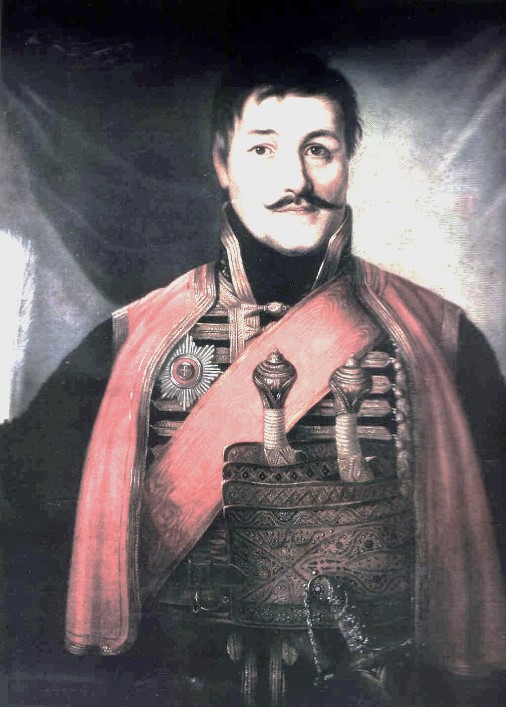

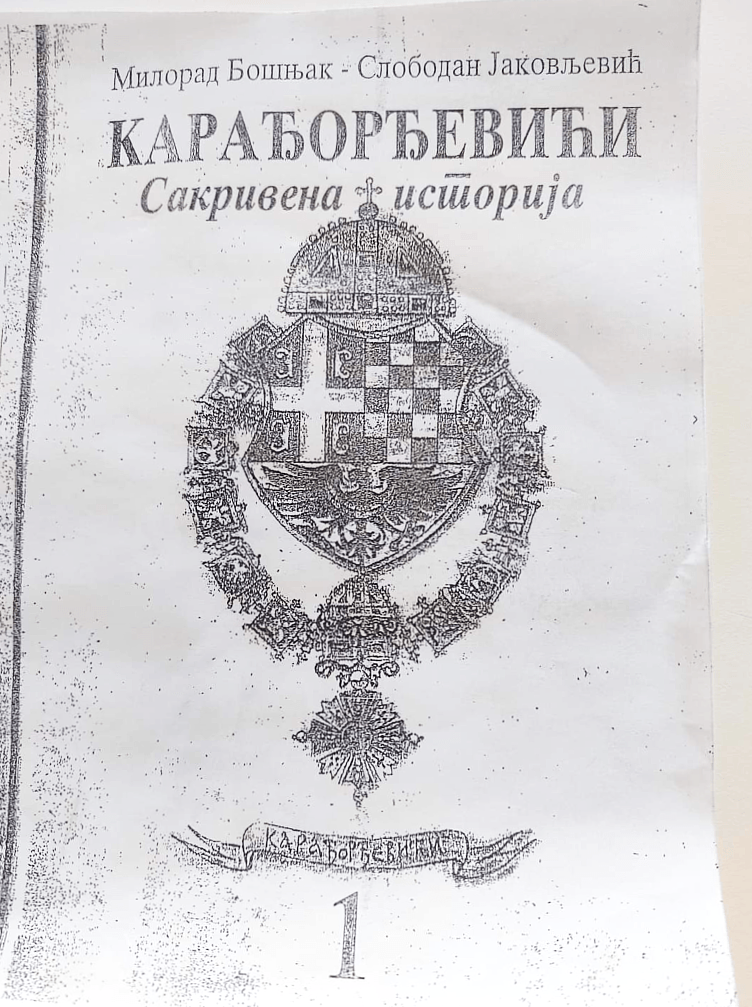
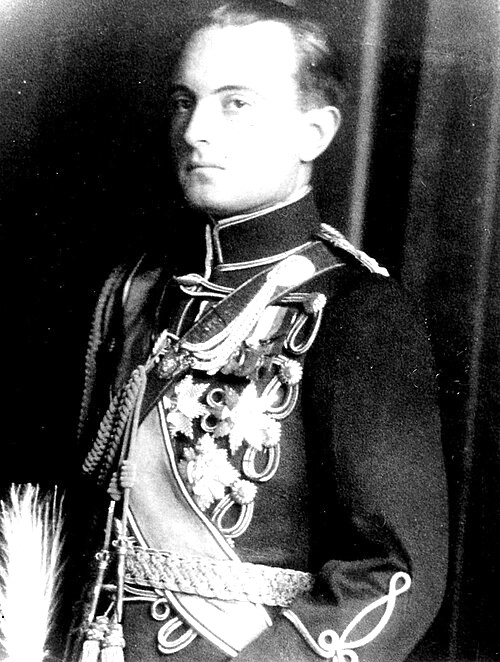
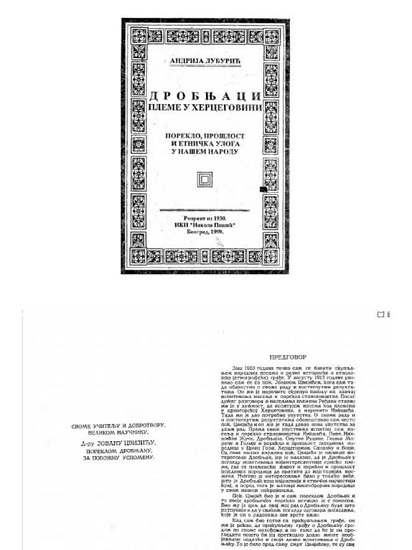
Memorie.al / An archival document from 1935, preserved in the State Archive of Yugoslavia, have resurfaced and contain one of the strongest evidences for the Albanian origin of the Karađorđević dynasty. It is an official letter from Andrija Luburić, a close associate of the Royal Court, addressed to Knez Pavle (Prince Paul) – the Regent of the Kingdom. The document is official in nature, not an opinion, and was compiled at the request of the Royal Family itself. What does the document say, and why is it shocking to the Serbian narrative?
In the letter dated October 14, 1935, Luburić writes:
- Karađorđe originates from the Albanian village of Žabran (Sjenica, Sandžak). Luburić states that Karađorđe’s father, Petar, lived in this village for a while – and that the founder of the modern Serbian state himself was conceived there.
- The village population was 100% Albanian.
Quote from the document:
“U selu su sve sami muhamedanci, poturčeni Kuči i Klimenti.”
“In the village, they are all Muslims, Islamized members of the Kuči and Klimenti tribes.”
Therefore:
- Not Serbs
- Not Montenegrins
- Not Vlachs
But they belong to the Kuči and Klimenti tribes – two Albanian tribes from the Highlands (Malësia). This was officially affirmed in writing to Knez Pavle – not propaganda, not rumors.
Albanian Villagers as Protectors of Karađorđe’s Family
Luburić writes that the Albanian inhabitants of Žabran provided protection, shelter, and assistance to Karađorđe’s father during his escape to Serbia.
This clearly shows:
-The Karađorđević family had no Serbian roots in this early period.
-The Albanians of Sandžak were a base of support and family memory.
The Attempt to “Serbianize” Petar’s Birthplace
Luburić proposes to Knez Pavle to build a Serbian school precisely on Petar’s house: “…da se podigne škola na mestu Petrove kuće…”! Thus, the Royal Court wanted to create a Serbian political cult on an Albanian site, transforming the Albanian origin into a Serbian royal symbol.
This is a clear example of cultural colonization through institutions.
The Second Clue – The Cult of Saint Clement (Shën Klimenti)
Another archival document (ZALI/107) shows that:
King Petar dared not change the “patron saint” – to Saint Clement – because it was “the feast of the ancestors.” But Saint Clement is historically linked to:
The Albanian tribe Klimenti (Kelmendi).
So, besides the geographical evidence, there is also symbolic and religious evidence linking the Karađorđevićs to the Albanian Kelmendi tribe.
Why was this document suppressed?
The reason is quite clear:
- it overturns the Serbian narrative about Karađorđe’s “pure” origin;
- it shows that the father of the founder of the modern Serbian state came from an Albanian, not a Serbian, environment;
- it proves that the Albanians of Sandžak are autochthonous, not late arrivals;
- it strikes at the foundations of Serbian nationalist myths.
For this reason, the document was never published in Serbia, even though it had been in the archive since 1935.
Conclusion: Time to Speak Openly About History
This document:
- confirms the Kelmendi tribal origin of Karađorđe.
- documents the Albanian presence in Sandžak in the 18th century.
- testifies to the manipulation of Serbian historiography for political motives.
- lays a heavy stone in the debate about ethnogenesis in the Balkans.
Now that the documents are coming to light, it is time for researchers not to be afraid of the truth – however unpleasant it may be for nationalist mythologies./ Memorie.al
![“They have given her [the permission], but if possible, they should revoke it, as I believe it shouldn’t have been granted. I don’t know what she’s up to now…” / Enver Hoxha’s letter uncovered regarding a martyr’s mother seeking to visit Turkey.](https://memorie.al/wp-content/uploads/2026/01/Dok-1-350x250.jpg)