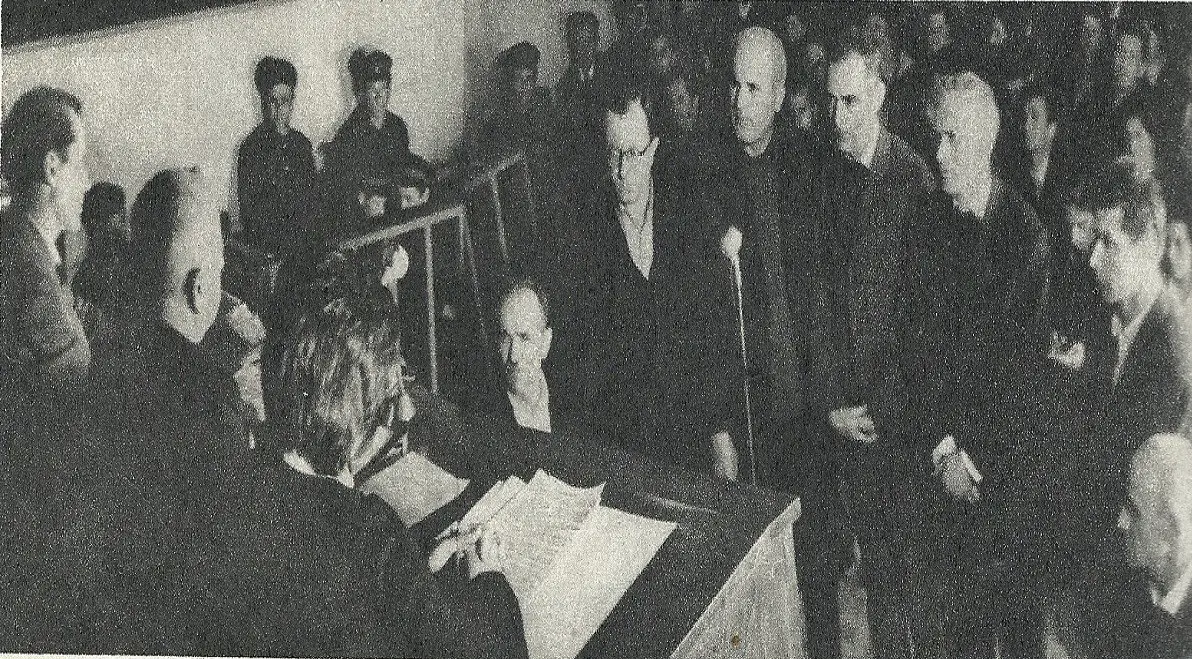
By Pjetër Logoreci
Memorie.al / As far as I recall, it was the year 1980… perhaps ’81, days of terror when “anything could happen”: when you could leave for work in the morning but not return in the evening, and your family would hear a knock on the door from the State Security (Sigurimi) Operative and the neighborhood policeman, announcing that their son had been arrested as an enemy… when a spy neighbor would monitor your “comings and goings” and the conversations enabled by the wooden floors and fiber-divided “walls”… when we listened to ‘Voice of America,’ Radio London, and Radio Vatican hidden under quilts or blankets… in short, when the power of the “Reds” was more aggressive than ever.
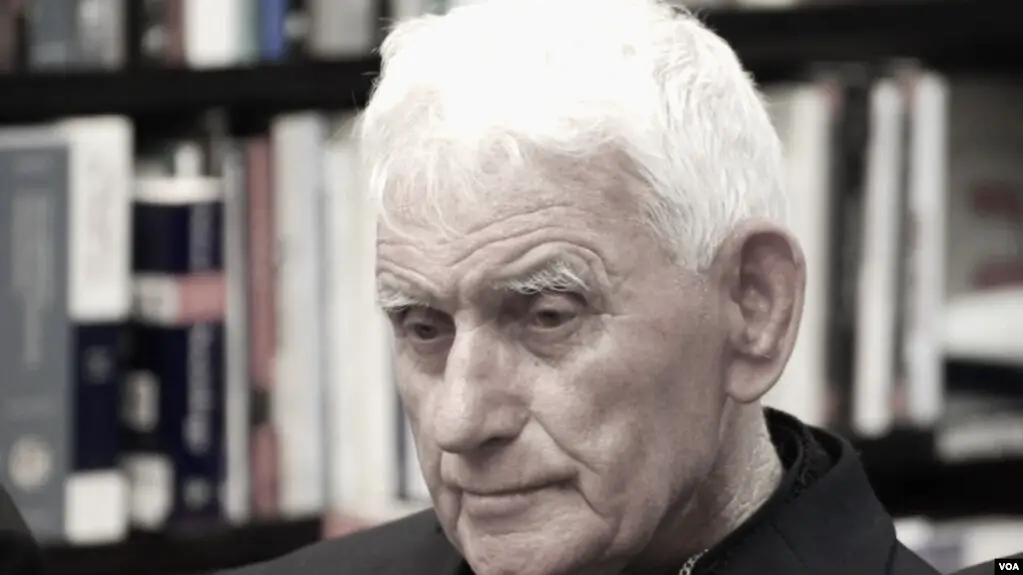
We lived in a building that had once been a livestock stable belonging to Ndoc Xhuxha’s family at “Arra Madhe”… and across from us, in a sort of yard where we washed and hung our clothes, an elderly man with a suffering look had been sitting for two days. He was timid, worn down more by troubles than by years, hunched over, his head covered in thick white hair that gave him a noble appearance.
After hanging his worn-out canvas jacket (which looked like a prison jacket) on a tree, he would take his place in a corner, turning his back to passersby so as not to be noticed. He would take his midday meal wrapped in a handkerchief from his bag, make the sign of the cross, and begin to eat what he had brought from home.
The poor soul had been brought there by the municipal utility company (Komunalja) as a manual laborer to clean the roadside ditches. He worked with a pickaxe and shovel without pause, stopping only to wipe the sweat from his face – parched by the scorching sun – and the dust from the cars that passed him incessantly.
His face kept swirling in my mind; it felt familiar, but I couldn’t place who he was or where I had seen him until I saw him greeting my father, who solved the enigma for me.
-“Who is that man? He looks like a familiar face,” I asked.
-“You know him, you’ve even been to his house,” my father replied, heightening my curiosity.
-“It’s the priest, the brother of Deda who works with me… you are friends with his nephew, the one who plays the guitar! He has been released from prison, and it seems they have sent him to work as a laborer for the Municipality…!”
-“And they continue to ‘punish’ him by putting him out on the street to clean ditches, intending to shame him among the people who know him,” I replied, ignited by youthful anger.
-“Don’t get upset; as long as there is life, there is hope. I believe a brighter day will come for us too, for we have done nothing to anyone and have always lived with honor (faqe të bardhë). After all, you are experiencing it on your own back,” my father reminded me. “They won’t let you attend any school other than high school – not even a vocational school, let alone university.”
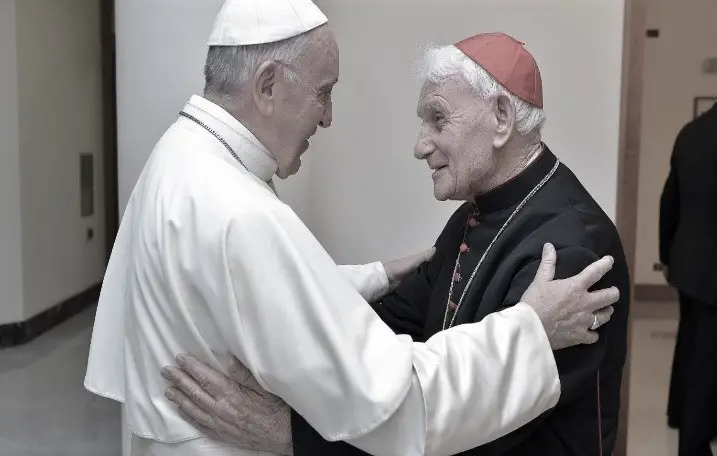
The suffering character of my memory was Dom Ernest Simoni Troshani, who became an example for me of how one must endure and face the difficult situations of life. He who endures wins.
What happened later with Ernest, we are all witnesses to and well aware of: the Vatican elevated him to the highest status for a cleric, making him ‘Cardinal Ernest Troshani.’ This prelate, who suffered the agonies of Christ for 18 years in the prisons of the dictatorship, remained forever an image of goodness, faith in God, endurance, and sacrifice./ Memorie.al