• Rreth Nesh
  • Kontakt
  • Albanian
  • English
Wednesday, January 28, 2026
Memorie.al
No Result
View All Result
  • Home
  • Dossier
  • Interview
  • Personage
  • Documentary
  • Photo Gallery
  • Art & Culture
  • Sport
  • Historical calendar
  • Others
  • Home
  • Dossier
  • Interview
  • Personage
  • Documentary
  • Photo Gallery
  • Art & Culture
  • Sport
  • Historical calendar
  • Others
No Result
View All Result
Memorie.al
No Result
View All Result
Home Dossier

“In the report of the US government, presented to the UN in 1955, about the camps and prisons of Albania, it was mentioned as immoral, Xh. Pogaçe, from the Tepelena camp…”/ The unknown story of two soldiers

“Në Porto-Palermo, ne po verboheshim, por kur u sëmur për vdekje i riu, Musa Sina, rreshter Qaniu, u tha atyne që e ruanin: merreni këtë kërmë e hidheni në… “! / Kujtimet e Lek Pervizit, nga Belgjika
“Në kasafortën e kreut të Sigurimit të Shtetit, u gjetën monedha e dhëmbë floriri, unaza, bizhuteri dhe…”/ Historiani dhe studiuesi i njohur, publikon dokumentin e rrallë
“Në raportin e qeverisë së SHBA-së, paraqitur në OKB më 1955, për kampet e burgjet e Shqipërisë, përmëndej si imoral, Xh. Pogaçe, i kampit të Tepelenës…”/ Historia e panjohur e dy ushtarakëve

By Kastriot Dervishi

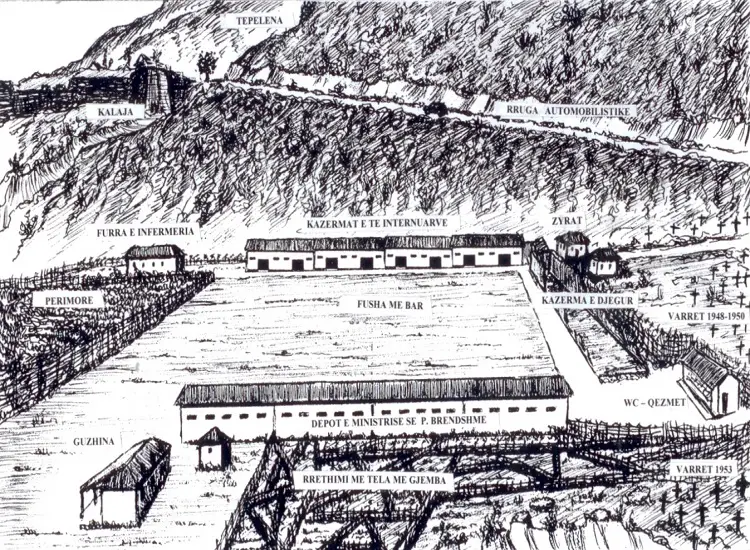
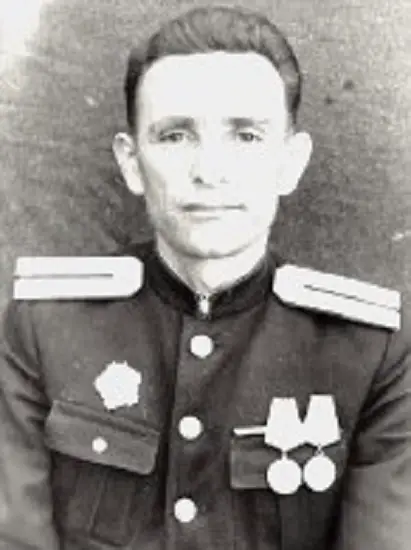
Memorie.al / As I have written before, first of all the communism of Albania was the installation of a majority of ignorant people, who, with mainly criminal means, took power to destroy everything good that existed in the country at that time. They saw with envy, envy, everything that caught their eye. In short, let’s look at the biography of the commander of the Tepelena camp (Tepelena Camp), Xhafer Pogaçe, in the context of the last debate about this camp. 

Born in 1922 in the village of Plasat in Kardhiqi Gjirokastër, farmer by profession. Illiterate until after the war, but at the age of 22, in February-September 1947, when he was working in Skrapar, he finished (all) primary education. The time when he finished this education, is unlikely to prove the fulfillment of this “major” obligation, for the communist cadres of the time.

He became a partisan, as the majority did, in the last year of the war, on 15.2.1944, in the Kurveleshi battalion. He was then placed in the 16th Brigade, where he rose to the rank of company commissar. He ended this “career” on 9.5.1945. In the years 1945-1947, he was an officer in the 1st Battalion of the 1st Brigade, of the People’s Protection Division, in Peshkopi and Shkodër. In 1947, he was the police chief of Skrapar. In the bodies of Internal Affairs, he served in the years 1945-1955.

Gjithashtu mund të lexoni

“On January 11 and 14, 1990, the youth of the city of Shkodra, equipped with hammers and other tools, gathered around Stalin’s statue and…” / The unknown diary of Pjetër Mërnaçaj from the USA, who escaped in 1958.

“In case the offense is committed against a judicial, political, or administrative body, or against a representative thereof, prosecution shall be initiated with the authorization of…” / How did the Monarchy’s Penal Code protect judges?

From here, on 25.9.1947, he was appointed in charge of the Berat internment camp. On 9.5.1949, he was transferred with the same duty to the Tepelena camp, staying there until 15.2.1952. In the characteristic dated 2.12.1951, of the head of the Internal Affairs section of Tepelena, Gani Aloçi, it was said that: “Xhaferi is loyal, he hates the enemy”.

Pogaçe ended his career in the Ministry of Internal Affairs, as deputy commander of the Dog Training and Instruction School, in November 1955.

In May of this year, in Tirana, through the Ministry of Foreign Affairs, came the report of the American government on the camps and prisons of Albania, which was presented to the UN on 29.3.1955.It is not known precisely whether or not there was a connection to the release of the commander of the Tepelena camp, from the mention of his name in this report of the American government, where it was mentioned; “the negative and immoral activity of the Tepelena camp commander”!

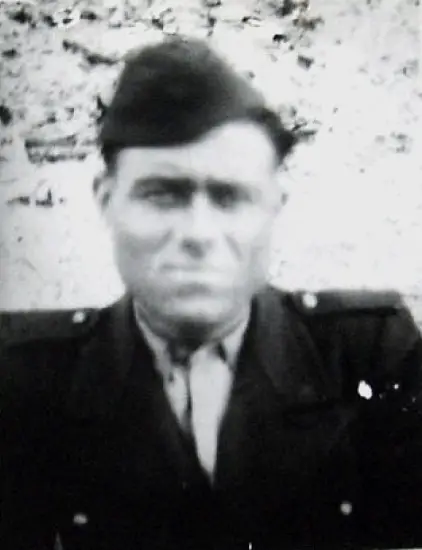
After Xhafer Pogaçe, the second and last commander of the Tepelena camp was Haki Ibrahimaj, born in Dhëmblan of Tepelena, in 1924. He also became a partisan in the last year of the war, precisely on 5.4.1944, in the “Perlat Rexhepi” battalion ” in Shkodër, and then in the Partisan XXII Brigade, which was formed on November 30, 1944, one day after the war ended. His life profession was that of a carpenter. The career up to the exercise of state responsibilities, by years, was this:

1934-1939, shepherd in Martalloz of Tepelena.

1939-1940, servant in Kakos of Gjirokastra.

1940 (January-February), apprentice at Veip Runa’s restaurant in Vlora.

1940-1944, carpenter in Xhemal Kasmi’s carpentry in Shkodër.

Until this time, the data proves that the mentioned person did not have any education.

After May 1945, he went from being a partisan, to the forces of the People’s Protection Division, to the ranks of the People’s Police, as well as an investigator in the Ministry of Internal Affairs. In the years 1951-1952, he was a trainee at the Police School, where he learned to read and write, as well as some elementary principles of police work.

From 15.3.1952 to 15.9.1953, he was commander of the internment camp (surrounded by barbed wire) of Tepelena. In the years 1953-1964, he served in various tasks of the People’s Police, in Shkodër, Elbasan and Skrapar. He was released on 30.5.1964, for “abuse of official position, with the aim of embezzling 5,500 ALL”.

Although with this education, his military career, from sergeant in 1945, took him to major in 1962. When he was serving in the Tepelena camp, he had the rank of lieutenant. Memorie.al
ShareTweetPinSendShareSend
Previous Post

Historical Calendar 10 October

Next Post

Historical Calendar 11 October

Artikuj të ngjashëm

“On January 11 and 14, 1990, the youth of the city of Shkodra, equipped with hammers and other tools, gathered around Stalin’s statue and…” / The unknown diary of Pjetër Mërnaçaj from the USA, who escaped in 1958.
Dossier

“On January 11 and 14, 1990, the youth of the city of Shkodra, equipped with hammers and other tools, gathered around Stalin’s statue and…” / The unknown diary of Pjetër Mërnaçaj from the USA, who escaped in 1958.

January 27, 2026
“In case the offense is committed against a judicial, political, or administrative body, or against a representative thereof, prosecution shall be initiated with the authorization of…” / How did the Monarchy’s Penal Code protect judges?
Dossier

“In case the offense is committed against a judicial, political, or administrative body, or against a representative thereof, prosecution shall be initiated with the authorization of…” / How did the Monarchy’s Penal Code protect judges?

January 28, 2026
“Xhavit told Xhafer Vokshi that the house of Aqifi and Haxhi Lleshi’s father were eaten by every government, therefore they were never patriots, but…” / Eavesdropping of “Vigëlent” for the internees of Zvërnec
Dossier

“After he entered his office at the State Planning Commission, Kerenxhi and Lakrori heard the pistol shots, and immediately…” / The mystery of Nako Spiro’s elimination, from the book by the renowned researcher.

January 27, 2026
“My uncle, Akile Tasi, after staying for 30 years at ‘Vatra’ in the USA as the editor of ‘Dielli,’ returned to the homeland where he suffered 17 years in prison in Burrel and died there, after…” / The sad story of a friend of Fan Noli.
Dossier

“Deda, son of Gjon Markagjoni, born in Orosh and residing in the Gjaza sector of the Lushnje district, is prohibited from traveling to Tirana, Durrës, Vlora and…” / Decision of the Internment-Deportation Commission, February ‘72

January 28, 2026
“When the teacher in Tepelena stopped me and asked me; if I loved my father, and I told him yes, he took the ruler and hit me…”/ The rare testimony of the former internee, Simon Mirakaj
Dossier

“Fathers, who escaped, children who never knew their parents, divided families, fear for the tomorrow, for what might come…” / The unknown stories of the “forbidden people” of Savra, Bedat, Gjaza, etc.

January 26, 2026
Dossier

“On October 22, 1958, Pjetër Mernjaçaj and nine members of his family crossed into Yugoslavia, risking their lives before the border forces and the Sigurimi (State Security)… The unknown story of the anti-communist family from Selca.”

January 27, 2026
Next Post
Historical Calendar 01 October

Historical Calendar 11 October

“Historia është versioni i ngjarjeve të kaluara për të cilat njerëzit kanë vendosur të bien dakord”
Napoleon Bonaparti

Publikimi ose shpërndarja e përmbajtjes së artikujve nga burime të tjera është e ndaluar reptësisht pa pëlqimin paraprak me shkrim nga Portali MEMORIE. Për të marrë dhe publikuar materialet e Portalit MEMORIE, dërgoni kërkesën tuaj tek [email protected]
NIPT: L92013011M

Na ndiqni

  • Rreth Nesh
  • Privacy

© Memorie.al 2024 • Ndalohet riprodhimi i paautorizuar i përmbajtjes së kësaj faqeje.

No Result
View All Result
  • Albanian
  • English
  • Home
  • Dossier
  • Interview
  • Personage
  • Documentary
  • Photo Gallery
  • Art & Culture
  • Sport
  • Historical calendar
  • Others