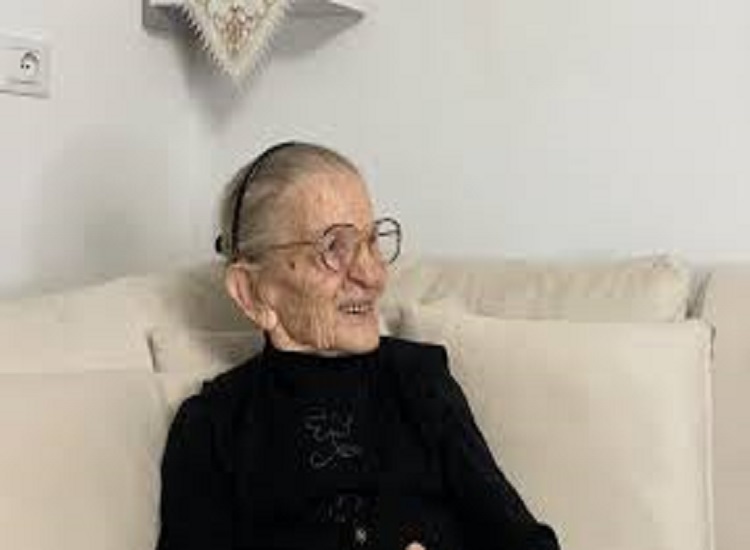
Memorie.al / Fatime Hysen Nurçe was 13 years old when her ordeal of internment began during the communist dictatorship. She was the third child of Hysen and Fetie in the village of Arrëz, Devoll district. Her siblings were Nuredin, Zini, Refik, Nefaret, and Mesaret. In the autumn of 1948, her eldest brother, Nuredin, decided to escape to Greece. Following his escape, the Nurçe family was persecuted by the communist system.
Their long journey of suffering would take them through the dictatorship’s most infamous camps, starting from Valias, then Kodër-Kamëz, followed by Tepelena, and finally Lushnje. Many painful traces of that time remain in Fatime’s memory. The separation from her parents is one of the dramas that marked her life.
Mrs. Fatime, what was the reason for your persecution?
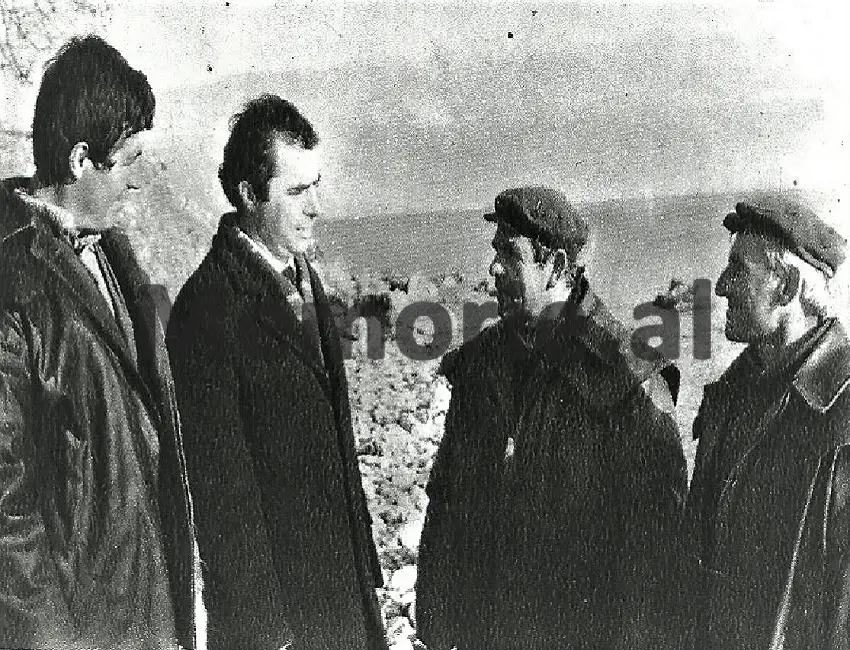
“I was 13 years old in 1948 when my family faced communist persecution. I recall with pain the misfortune that life brought us. We lost a family member, my eldest brother, Nuredin. One day, a cousin who was an officer on leave visited us. All the young men of the clan gathered, including Nuredin. They went for a picnic to see a local scenic spot.
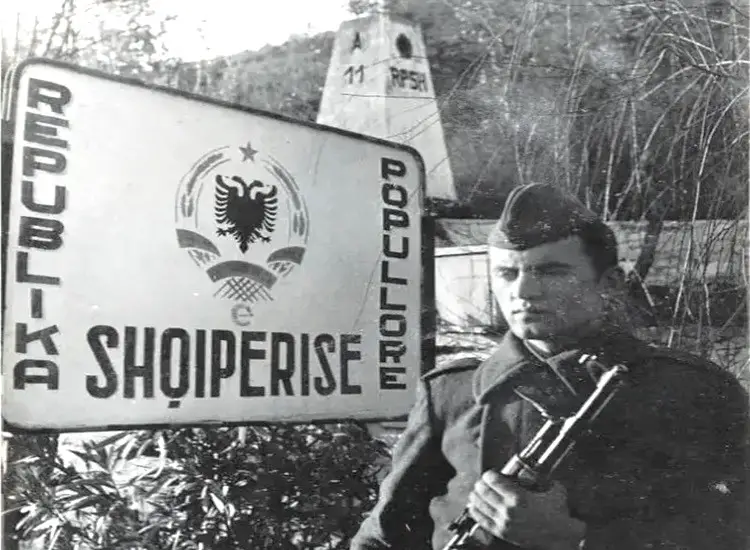
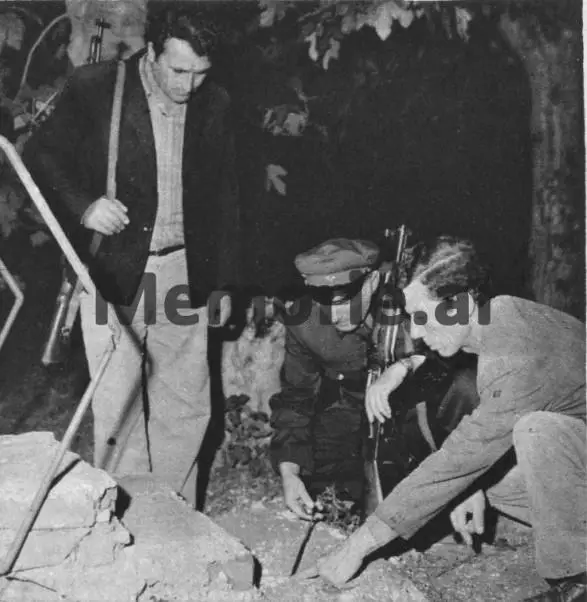
We were preparing lunch, waiting for them to return. But afternoon turned to night, and the boys did not come back. We began to worry, especially the elders. Three families searched desperately, frozen with fear. No one had seen or heard anything. After 24 hours, they notified the People’s Council. State Security moved into action. Finally, near the Greek border, where we had some walnut trees, they found signs where the boys had rested. A note was left hanging on a cigarette pack: ‘We thank you, parents, and goodbye.’ From that moment, our families entered a long road of suffering.”
How was life in internment?
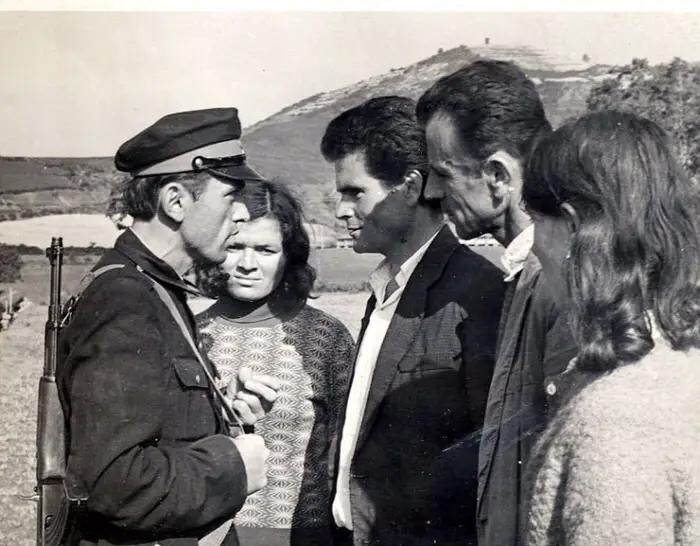
“Immediately after their escape was discovered, they put us all into two trucks and took us to Valias, near Kruja. It was a farm sector. They had prepared a place for us by removing Greek prisoners and sending them to Lezhë. It was truly a prison for us – surrounded by iron fences and terrifying guards. A policeman would even accompany you for personal needs.
They fed us from a massive cauldron. I swear to God, flies would float on top of the broth. Our mothers and grandmothers would pick them out one by one before giving the food to us children, crying and screaming because there was nothing else. We slept on 40-centimeter-wide planks, packed so tightly we shared pillows. We stayed there for over a year.”
Do you remember any severe events from that camp?
“There were many. The moments when people died were the most frightening. The dead would stay for days among the living until the authorities decided to take the bodies away. They never told the families where they took them.”
Where were you taken next?
“After six months, we were moved to Kodër-Kamëz. As the winter of 1950 approached, the cold was bitter. We lived in a large hall with two long rows of wooden planks. We lit fires in the middle to stay warm and cook. The smoke was so thick that our eyes turned red. Our clothes would tear on the rough wood. Again, the food was a disaster; the pots were full of flies and filth. My father used to stand by the road to buy vegetables from passing villagers so our mothers could mix them into the camp rations.”
Did you ever return to the village?
“On November 28, 1950, a list was read for those being released. My mother, my twin sisters, I, and my 9-year-old brother were included. We gained our ‘freedom,’ but we had nowhere to go. Our home had been nationalized, and an officer lived there with his family.
They dropped us in Korçë in the pouring rain. No one came for us. Our uncles couldn’t help because their wives had communist brothers – they denied us as relatives. A friend from Mborja took us in for one night, but then we were back on the street. Finally, a cousin took us to our village on a horse. The family living in our house gave us one small room. The windows had no glass, only iron bars. We had no clothes, no bedding, and no food. I remember my little brother screaming from hunger pains, saying his ‘intestines were tearing apart.’ A local elderly woman saw our state and went door-to-door in the village to collect food for us.”
Did you know what happened to your brother Nuredin?
“From 1948 until 1952, we heard nothing. He had tried many times to cross back to find us but couldn’t. In the summer of 1952, while we were in Arzë, he finally managed to enter from the Greek border through the mountains.”
How was that meeting?
“He loved me immensely. He left me when I was a child and found me two years later. He came at night and knocked on the window where I was sleeping. A wire mesh separated us. ‘Fatime,’ he said, ‘open the door.’ An officer lived upstairs; the risk was extreme. I was terrified. ‘Who is it?’ I asked. ‘I am Nuredin.’ I replied, ‘We have no Nuredin,’ out of fear he would be caught. He insisted: ‘Your brother! Open the door or I will cut the wire. I heard you are suffering.’ I didn’t tell my mother. I opened the door and met him secretly. He had changed so much. We embraced. He gave me some supplies and clothes from his friends. I finally woke my mother. When she saw him, she said: ‘Get him out!’ Nuredin told her: ‘Mother, look at me, I am your son. It is my fault you are suffering like this. I came for you.’ That was our meeting. Only God knew if we would see him again.”
When were you interned again?
“After two years, we were moved to join my father and brother in the labor camp in Gjazë, Lushnje. We lived on 10% of the wages they earned. In 1959, my father introduced me to my future husband, Syrja Sabri Haxhillari, an aviation engineer. He was also interned because his younger brother had escaped. We married within six months. Our daughters, Elsa and Natasha, were born and raised in internment, living there until they were 20 years old.”
What happened to your brother in the end?
“After that meeting in 1952, Nuredin disappeared again in 1958. All communication was cut. Much later, we received a letter from an unknown person: ‘Dear Mr. Hysen Nurçe, I am sending you the sad news that your son Nuredin has passed away. May God give you courage?’ This is a regret that even God cannot take away from us. / Memorie.al”