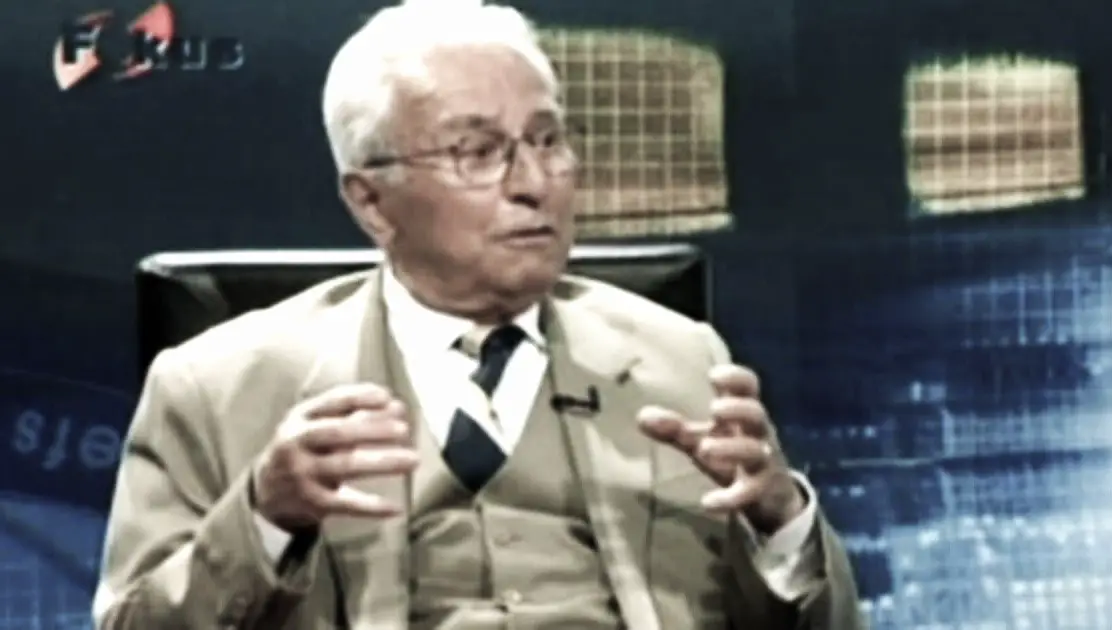
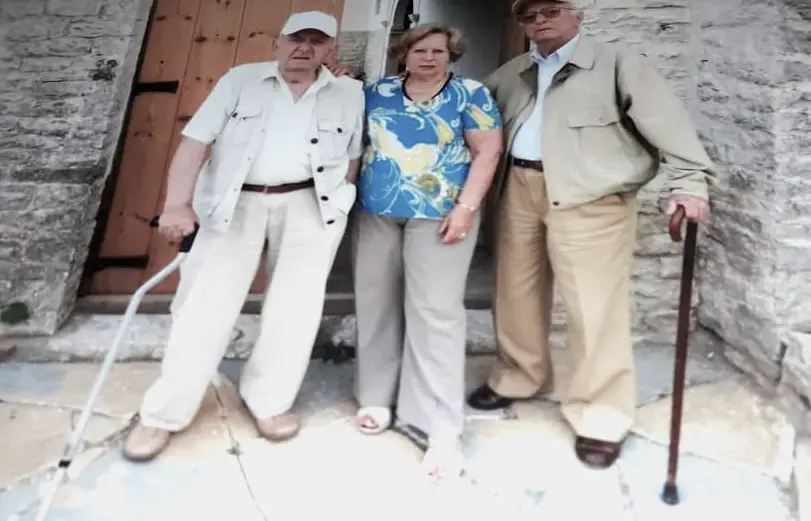
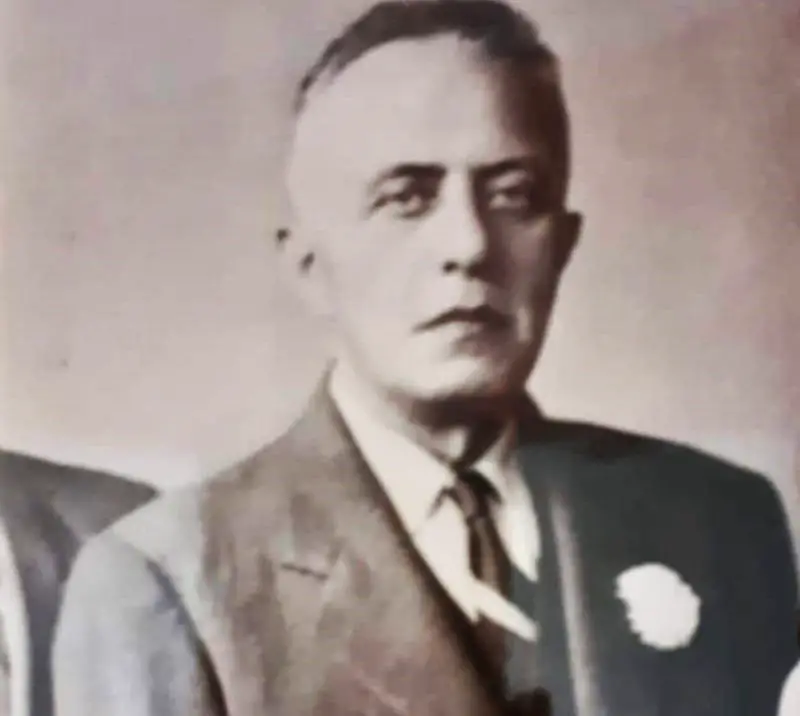
Memorie.al / On the fifth anniversary of the passing of Mërkur Rasim Babameto, his wife, Zyhra Babameto Musta, expresses the desire and the request that his city of birth, Gjirokastra – where his half-century ordeal of communist persecution began – restore to the pedestal of dignity and honor one of the most patriotic and anti-communist families in Albania.
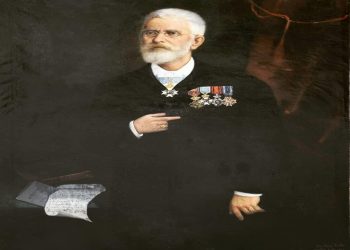
The Babameto family, and particularly Rasim and his son Mërkur Babameto, deserve to be decorated with the medal “Honor of the City of Gjirokastra” for the historical contributions they have rendered. “Rasim Babameto for the founding of state institutions, and alongside him, Mërkur, for defending patriotic values and democracy,” says his wife, Mrs. Zyhra Babameto.
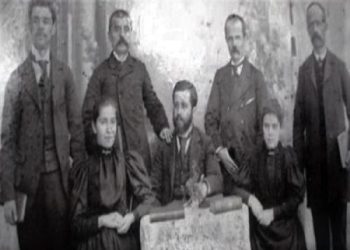
The Roots of the Babameto Family
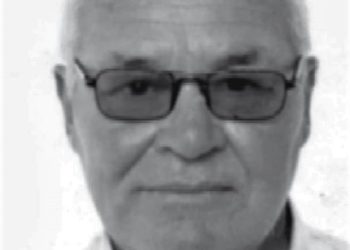
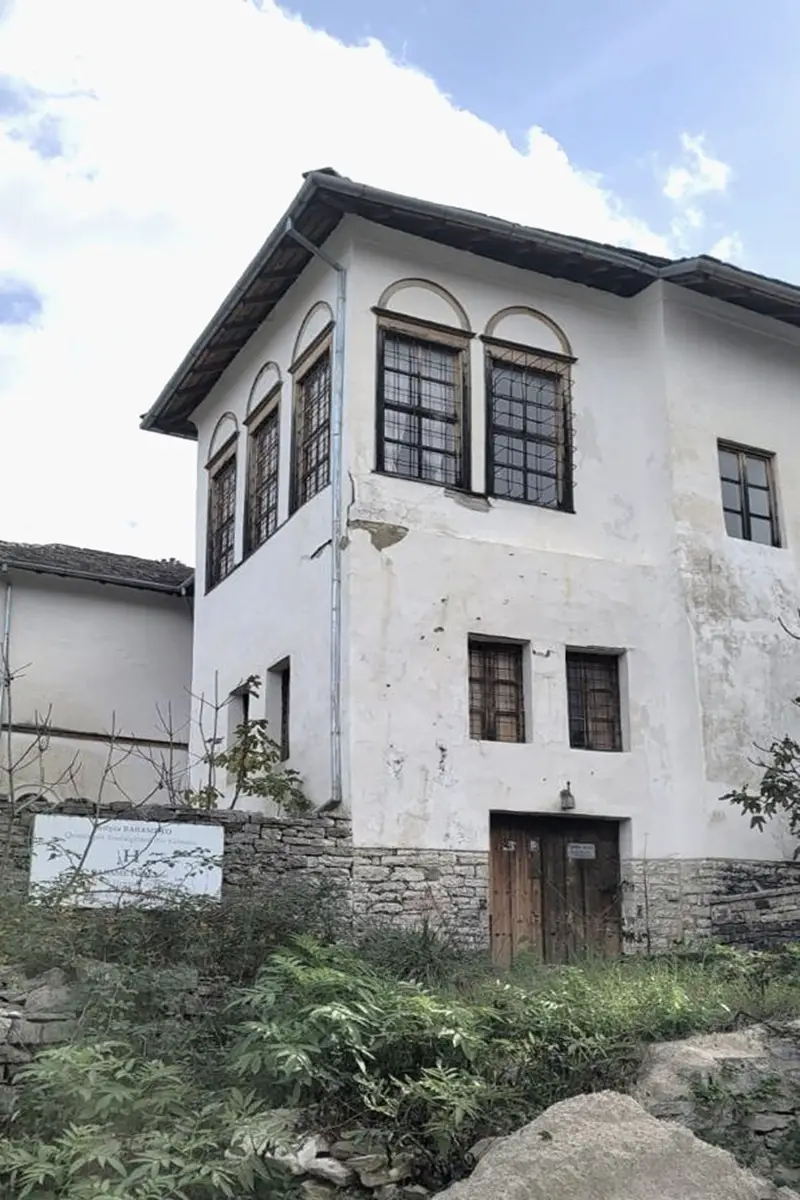
Mërkur Babameto was born on August 21, 1930, in the stone city of Gjirokastra. Later, following the end of the Second World War in 1945, he settled with his family in Tirana. Due to the family’s anti-communist affiliation, as soon as partisan forces entered Gjirokastra, they threatened their lives and severely damaged the family’s historical tower-house (Kulla). The Babameto Kulla, featuring the typical architecture of manor-houses (sarajet), paradoxically remains to this day unoccupied by the family’s heirs!
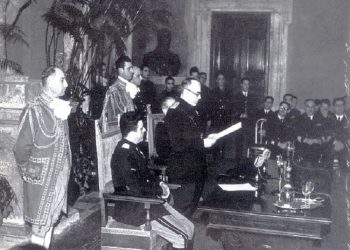
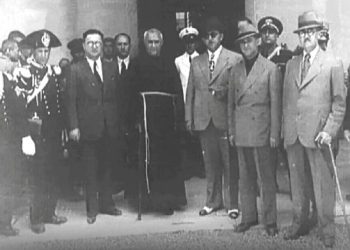
Mërkur’s father, Rasim Babameto, was a member of the Albanian Parliament since its beginnings in the 1920s, a member of the Congress of Lushnja, a signatory of the proclamation of the Republic, and served as Chief Prosecutor and Mayor in Peja, Kosovo, when those Albanian lands were under the jurisdiction and political borders of the motherland – or as it is otherwise known, Ethnic Albania.
With the seizure of power by Enver Hoxha’s communist forces in 1944, Rasim and two of his sons, Isak and Pëllumb Babameto, escaped from Albania and settled in the USA.
The Terror of the Dictatorship
For Mërkur, his two sisters, and his sick mother, a multi-year ordeal of communist terror began through prisons and internment camps, confiscation of property, isolation, and deep economic misery. By an irony of fate, Mërkur’s grandmother was the sister of the communist dictator Enver Hoxha’s grandmother; however, he (Enver) never took these blood ties into consideration – on the contrary, he attacked and struck them without mercy!
Mërkur was arrested in 1967, and on January 23 of that year, the Court of Tirana sentenced him to 8 years of imprisonment and confiscation of property on the charge of “agitation and propaganda.”
The Spaç Revolt and Resistance
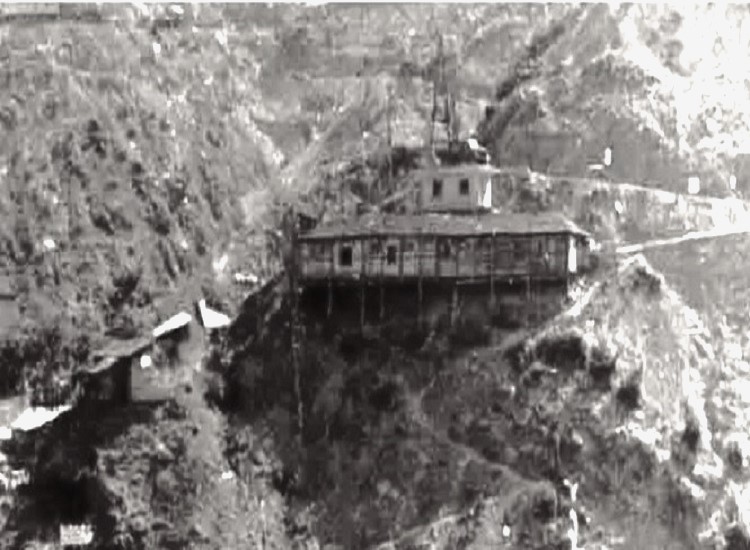
While serving his sentence in the Spaç Camp (Re-education Ward 303), he was re-arrested following the revolt that occurred there on May 21-23, 1973. This revolt, as is now well known, was violently suppressed by force of arms after it shook the high communist leadership in Tirana, headed by Enver Hoxha, to its foundations.
Among the dozens upon dozens of convicts was Mërkur, indeed one of its main protagonists, who as a result suffered long years of imprisonment in Burrel, and served sentences involving hard labor in Vlora. During his imprisonment and the Spaç revolt, Mërkur Babameto testified that he and other participants in that revolt were subjected to numerous inhumane tortures by high-ranking officials of the Ministry of Internal Affairs and the State Security (Sigurimi).
The Years of Exile and Civil Engagement
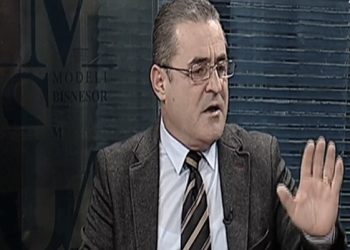
After his release from prison in 1981, Mërkur was interned for an eight-year period, along with his wife, Zyhra Musta, in the remote village of Përcëllesh in Tirana. Mërkur Babameto remained an active voice in the cause of the de-communization of Albanian society and the state through participation in forums, various activities, the media, and in defense of democratic principles and a European Albania.
During his more than 20-year emigration to Italy, immediately after the fall of the communist regime in Albania, he became a protagonist voice in the initiatives of the persecuted in the Diaspora and associations of former political prisoners, working for the development of historical memory and the condemnation of the crimes of communism.
In these few lines of this writing on this jubilee anniversary of his departure from this life, we take the opportunity to call upon the relevant local government bodies of Gjirokastra to give Mërkur Babameto and the Babameto family the place they deserve in the history of that city and beyond./ Memorie.al