From Ali Buzra
Part Forty‑Three
– LIFE UNDER PRESSURE AND SUFFERING –
(ASSESSMENTS, COMMENTS, NARRATIONS)
Memorie.al / At the request and wish of the author, Ali Buzra, as his first editor and reader, I will briefly share with you what I experienced during this encounter with this book, which is his second (after the book “Gizavesh Through the Years”) and which naturally outlines his writing style. The sincerity and candour of the narrative, the simple and unadorned language, the accuracy and precision of the episodes, or the absence of a deliberate, later‑crafted imagination or its non‑exploitation, I believe have served the author positively, who comes to the reader in his original form, inviting us at the very least to become acquainted with unknown human fates and sufferings, whether by chance or not, leaving us to reflect as a beginning of awareness towards a catharsis so necessary for the Albanian conscience.
Bedri Kaza
Continued from the previous issue
Murat Sadik Dosku
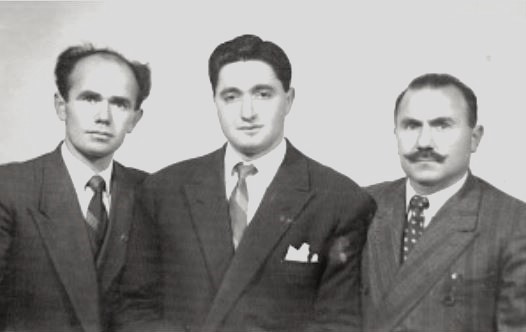
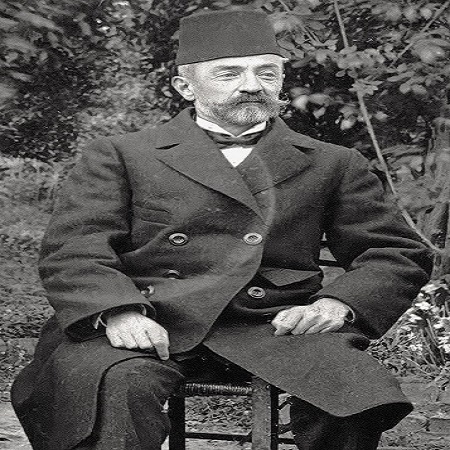
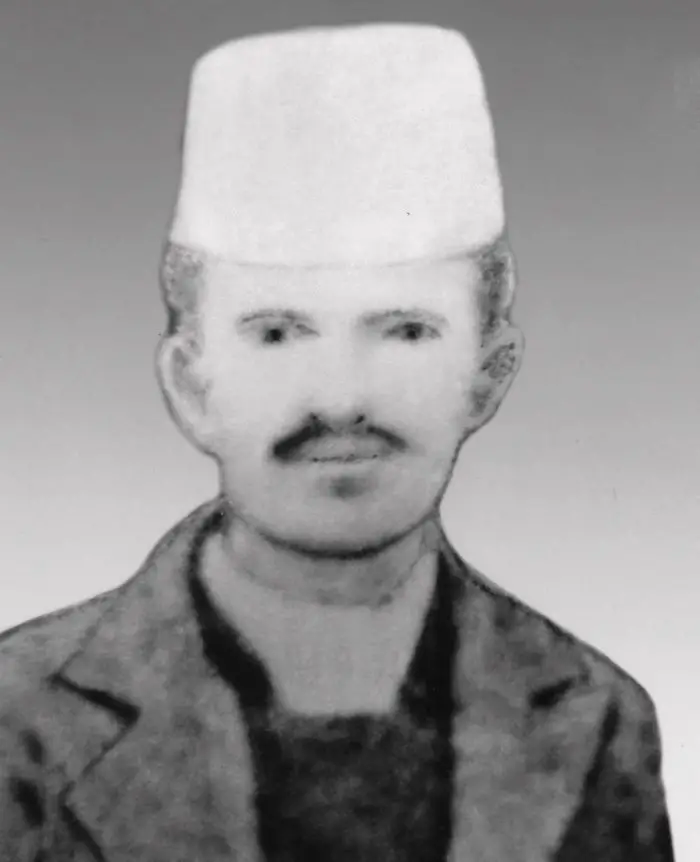
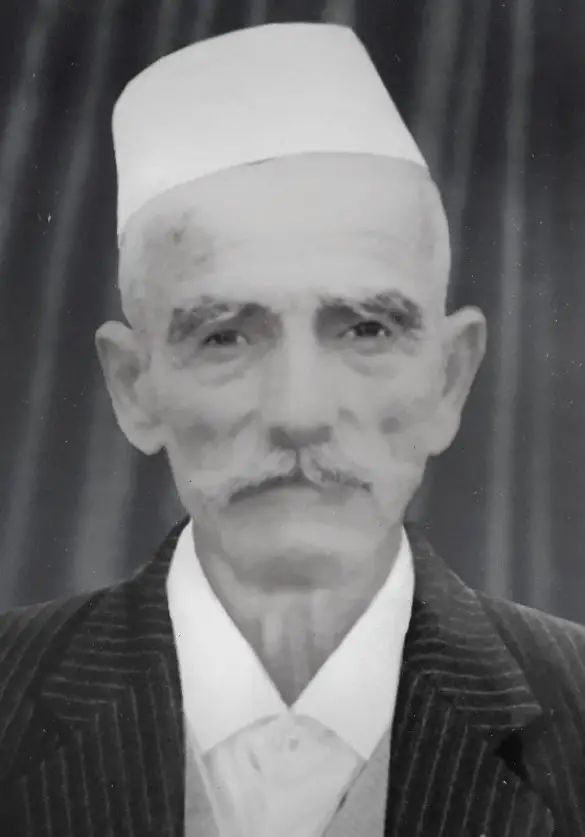
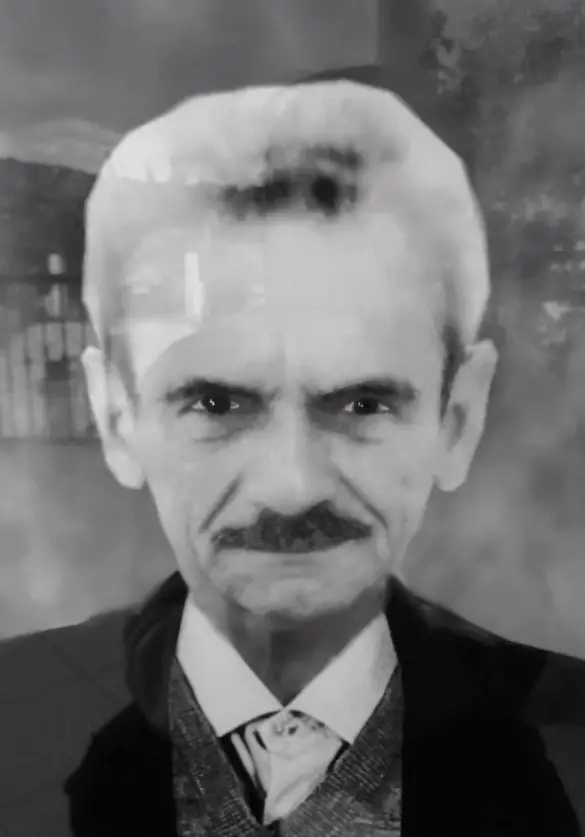
Murat Dosku was born in 1911. He was the son of Sadik, who was killed together with his father, Hysen, on the hill of Ortojon by opposing forces, becoming a victim of internal government conflicts, in which the hand of centuries‑old Slavic enemies was also present. He was an only son and remained an orphan at a young age, together with his five sisters. Murat was raised under the care of his uncle, Selim. He married a girl from the Çotaj tribe of Hotolisht. He was distinguished for his cleverness and prudence.
In Dorëz, he was often sought out to resolve conflicts arising for various reasons. He was just and incorruptible. After the arrest and elimination of Shahin Dosku, Murat remained a person of authority and prestige, not only in the Dosku tribe but also in the village. Ram Kurti, who was the chairman of the People’s Council in the village, had him as secretary. Murat, having completed three years of primary school, stood out for his meticulousness in keeping records. He knew how to write well and drafted the necessary documents required by the district institutions. Many villagers came to Murat to make requests, or “petitions,” as they were called in those years.
The State Security, as the weapon of the dictatorship of the proletariat, surveilled, studied, planned and projected its next victim. In the 1960s, Murat was seen as the most influential person of the massacred Dosku tribe in Dorëz. He was viewed with suspicion as a person who might negatively influence the collectivisation process, even though he and Ram Kurti had joined the cooperative from the very beginning. They could not refuse, because they were the local authorities in the village. His elimination would instil fear among the rest of the peasantry who had not yet entered the cooperative.
Not only Ram Kurti, Murat Dosku and Shefqet Alla, but almost the entire village was against collectivisation. Contemporaries recount that when faced with the surprises imposed on them, they would agree with each other by “eyebrow signals” so as not to attract the attention of the provocateurs. In particular, these three men were truly opposed to the contemptuous, coercive and deceitful methods used to force heads of families to sign up for the cooperative. The elderly recount the treacherous acts, as well as the banal ways followed by some of the delegates who came to the village.
Thus, in the “Balca” neighbourhood, a head of the family was asked to give up a part of his house to be used for offices. In the second‑floor room that served as an office, they removed some floorboards and placed thin branches there, over which a carpet was laid. People were called in one by one. Below, in the same area where the stable was, they had placed corn stalks. The person coming would step on the carpet and immediately fall down.
There they were awaited by some of the delegates and State Security operatives, who would strike them, telling them they must agree to join the cooperative. Sometimes this was done while laughing, as a form of play, but in fact it was a direct means of pressure and disorientation for the people who fell there terrified, and who were then forced to sign for entry into the cooperative. Since Murat Dosku’s house was located near the village centre, the district delegates and Security operatives had several times lodged at his house.
Among them there was also a person who, regardless of his duty, bore traits of a human and humane personality. For this, family members recount that one of them was ordered to go and arrest Murat at home, but he said he could not do it because two days earlier he had eaten and drunk at his house. Two days later, on 4 July 1962, they called him to the centre near the mosque and there they put the handcuffs on him; “in the name of the people.” Murat was held for nearly eight months in investigation. There he was pressured to admit that he had collaborated with Shefqet Alla, Veli Biçaku and Ram Kurti regarding the version of fleeing abroad.
Meanwhile, according to them, in the years 1956–’57, he had met Isak Alla on two occasions, with whom he had collaborated and had agreed to meet any need the latter had. In the indictment it is stated that: “During this time Murat engaged in propaganda and agitation, urging people not to join the cooperative, as well as against the people’s government.” In the final decision dated 20 February 1963, the judicial body: “Declares the defendant Murat Dosku guilty of the crime of treason against the homeland, as well as the crime of agitation and propaganda,” sentencing him to 15 years of deprivation of liberty, confiscation of movable and immovable property, disenfranchisement for three years, and the obligation to pay 930 lekë in court expenses.
Thus, as can be seen, the pre‑prepared scenarios were identical. The aim was, through arrests and heavy sentences against authoritative and influential persons in the village, to create fear and panic among the other residents, forcing them to join the cooperative at all costs. Murat Dosku, the grandson of the patriot Hysen Dosku, who had accompanied Aqif Pasha Elbasani to the Congress of Lushnja, thus faced 15 years in prison with the absurd motivation of the “crime of treason against the homeland.” He was 52 years old and the father of 7 children – 4 sons and 3 daughters.
After sentencing, he was first sent to Rubik, then to Prison 313, a high‑security prison in Tirana. His family members, especially his eldest son, Shaziman, went to the prison in Tirana every month, bringing him food, tobacco, as well as coal. It is said that the inmates in this prison cooked for themselves, using what their families brought. On one occasion, Murat asked Shaziman to bring along his son Ismet. Before the arrest, his grandson was four years old, and he used to play with him in the waiting room. His father Shaziman took the boy with him to meet his grandfather in prison.
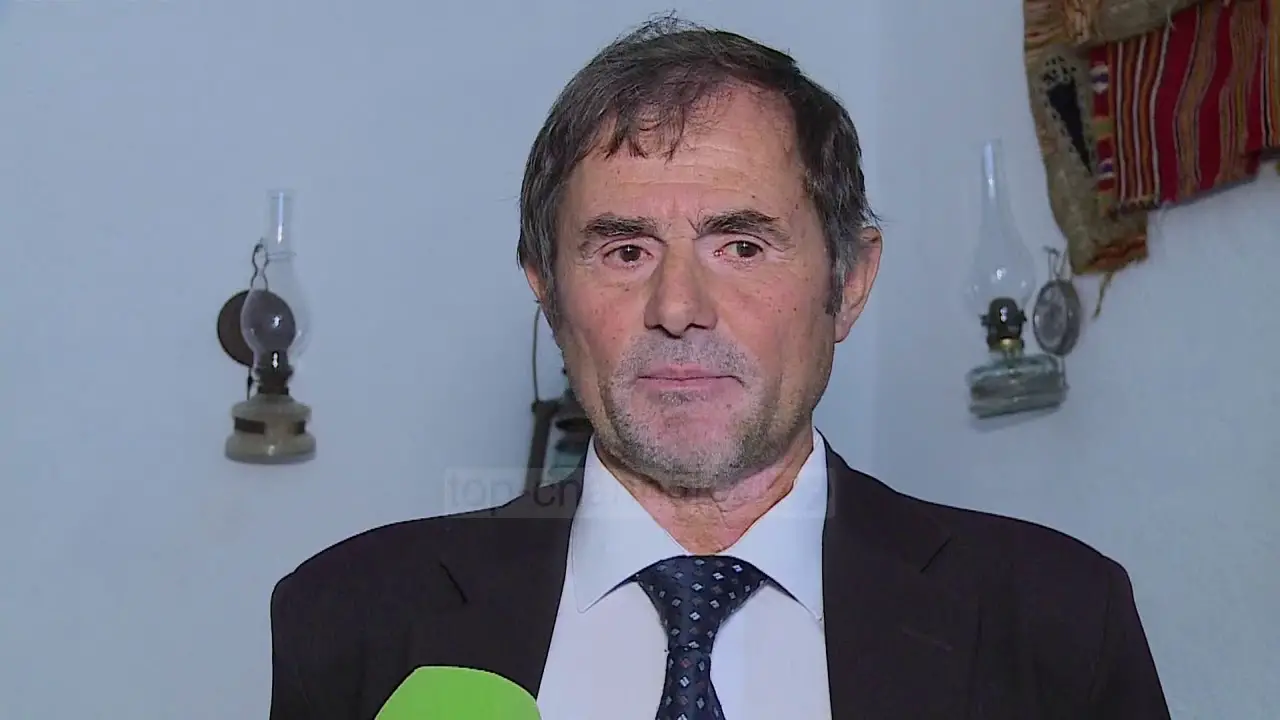
Ismet Dosku, today 61 years old, older than his grandfather was at that time, tells this story: “My father took me and we went to the prison in Tirana. I was only 7 years old. My grandfather’s sister, Zyba Allkja, was with us. As soon as I saw my grandfather with his *qeleshe* [white fez‑like cap] I recognised him. When he was at home, he used to take me next to the fireplace in the veranda. There was the coffee‑cup tray, which I really liked because my grandfather would make me sherbet. Two policemen stood beside us and two others were beyond the bars where my grandfather was. He spoke to me, but I could not say a single word, I only looked at him. The meeting was brief. My father left the food with the accompanying police and we left. This brief and frightening meeting of that day in 1965 has never left my mind.”
In March 1967, Shaziman was called to the Department of Internal Affairs in Librazhd, where they told him to go and pick up the belongings because Murat had died. And what was there? An old mattress and some cooking utensils. “Can I take the body?” he asked them. “No,” they replied. Murat Dosku’s eldest son, 37 years old, returned home with a deeply wounded heart for his father – not only because he was no longer alive, but also because he would not be given a burial. Like so many others, Murat Dosku, this noble, just, prudent and honest man, today has no grave. Even his sudden death remains somewhat enigmatic, as he had not been ill.
Murat Dosku’s family were not classified as *kulaks*, but the social differentiation for them was evident. Refat, the second son, had completed a course in economics and had been placed as an accountant in the cooperative. Immediately after his father’s arrest, he was removed as an accountant and reassigned as a simple worker.
The other son, Sadik, finished technical school as a surveyor before his father’s arrest. He had completed his seven‑year education in Librazhd, since the Seven‑year School in Dorëz had not yet been established. Sadik was among the few of his age in the Librazhd district who completed secondary school.
He worked as a construction technician at the State Construction Enterprise in Librazhd, Prrenjas, and on the design and construction of the Bistrica hydroelectric plant in Sarandë, etc. After his father’s sentencing, at times they would remove him and at other times they would place him as a technician in his profession, for which there was great need at the time.
He worked for a short time as an investment technician at the Sawmill Plant in Qarrishtë, and then they transferred him as a manual labourer to the State Agricultural Enterprise (NSHN) in Librazhd. He passed away at a young age, leaving behind a wife and four minor children. Shaziman’s son, Ismet, finished the Eight‑year School in the village with excellent results.
In 1972, he enrolled in the Librazhd high school as an external student, because staying in the dormitory was out of the question. From the first month he stood out for his intellect and special abilities. He walked back and forth every day. After about a month, while they were lined up in front of the school, an employee of the Education Section arrived.
They pulled him out of the line and did not allow him to enter the classroom with his classmates. From there, they took him to the principal’s office, where they told him not to come to school again until further notice. “Why are you expelling me?” he asked, shocked.
“We will inform you yourself if you are to continue school,” they replied. In the corridor, the supervising teacher saw him; she took him and brought him into the classroom. “She was from Korça,” recounts Ismet. “We’ll talk after class,” she told him. After the classmates left, she stopped him and said: “You will write a letter to the Minister of Education. You will write it yourself, but a relative who can phrase it better may dictate it to you.”
Ismet, a wounded and deeply distressed 14‑year‑old boy, came home and told what had happened to him at school. His uncle, Sadik, dictated the request and Ismet wrote it, addressed to the Minister of Education, Thoma Deliana. In the letter they also noted the biographical circumstances of the family. After three days he went back to school. The supervising teacher, on her own initiative, kept him for nearly a month. Several times they called him to the principal’s office and told her not to accept the student.
“This student cannot be expelled from school,” she replied to the principal, “and besides, the law does not provide for it.” It later became known that the teacher received a reprimand from the education institution. So the fact is that the law did not prohibit secondary school attendance for students from persecuted families, but there were special instructions guiding subordinate education institutions to pressure these children to drop out on their own.
And indeed, that is what happened with Ismet Dosku, the excellent student, the grandson of Murat Dosku, who after a month was forced to leave the Librazhd high school. The supervising teacher accompanied him as far as the main road below. Her words he never forgot: “Don’t be upset, Ismet! Life goes on.”
The boy returned home to start work in the cooperative, but after two days they immediately sent him for two months to the local “voluntary” action in Librazhd, thus removing any chance of returning to school. After several years, having also completed his military service, he enrolled in the Dorëz Agricultural Secondary School as a part‑time student.
After several requests, he was granted permission for a state job and started as an underground worker at the Prrenjas mine, where he worked from 1982 to 1987. – “There I felt at ease,” recounts Ismet, “because they no longer mentioned the fact that I was Murat Dosku’s grandson.” In 1987, he returned to work in the village, since Dorëz had been turned into a farm. He resumed again the Agricultural Secondary School (evening classes) which he had left half‑finished.
I personally remember Ismet well in the evening school. I was a teacher at the Dorëz Eight‑year School and also taught evening students. I taught the History of the Party of Labour of Albania in the lower grades, and for the third and fourth years, Philosophy, or Marxism, as we called it then.
In the evening school, all were adults. There were cooperative or farm cadres, communists who were required to complete secondary school, party candidates; simple workers who wanted to finish it, young men and women who had not been able to attend day school, etc.
The majority were simply interested in obtaining a secondary school diploma, while few actually studied. Ismet was among the few who showed special attention during the lessons. On every topic, he was the first, and in many cases the only one, to respond, because most did not participate.
He completed secondary school, fulfilling his dream, on the eve of the declaration of political pluralism, but by then it was too late to pursue higher education. His daughter, Servetja, completed it – I had the fortune to have her as an English teacher at the Gizavesh Nine‑Year School. At the end of my conversation with Ismet, as I was parting from him, I recalled his former teacher’s words, saying: “Ismet! … Life goes on …!” / Memorie.al
To be continued in the next issue