• Rreth Nesh
  • Kontakt
  • Albanian
  • English
Friday, September 4, 2026
Memorie.al
No Result
View All Result
  • Home
  • Dossier
  • Interview
  • Personage
  • Documentary
  • Photo Gallery
  • Art & Culture
  • Sport
  • Historical calendar
  • Others
  • Home
  • Dossier
  • Interview
  • Personage
  • Documentary
  • Photo Gallery
  • Art & Culture
  • Sport
  • Historical calendar
  • Others
No Result
View All Result
Memorie.al
No Result
View All Result

Isuf Muç Bruçaj, worried about the life of a “kulaku” from Reçi i Malsisë e Madhe under the communist regime of Enver Hoxha

Isuf Muç Bruçaj, jeta e brengosun e nji “kulaku” nga Reçi i Malësisë së Madhe nën regjimin komunist të Enver Hoxhës

By Caf Jonuz Çulaj

Part ten

Memorie.al/The term “divida et impera” which means, divide and rule, came to our country 2000 and a few years ago with the Roman invaders. The idea is that you divide a people, it is easily kept under rule. The better it was implemented the easier it was to hold under control. Especially small peoples are familiar with this practice. This way of ruling was embraced by all the invaders. In their absence, by local dictators. Albania is a clear example. To maintain power after 1944, the communists used all the negative experience of the larger states. Power had to be preserved, privileges had to be preserved, and for this the opponents had to be eliminated in various forms (death sentences, isolation, prisons, internments).

Not everyone could be put in jail, not everyone could be shot, and interned, because that was not practically possible. Methods borrowed from the Soviet Union were then used. Opposition elements who had managed to escape the first expropriation reforms by the communist regime were later condemned. The term “kulak” was coined on the grounds that everything that was left to that individual or that peasant family was taken away. But in Albania, there were a total of 7 such families. Others had enough land and other agricultural and livestock inventory to support themselves. Others less than they needed.

Gjithashtu mund të lexoni

“Iran’s threat to close the Strait of Hormuz created great concern, disorientation and unprecedented alarm in the US…”/ Enver Hoxha’s political diary, June 1984, revealed

“In private settings in Kosovo, Schwandner-Sievers encountered a Tito-nostalgia similar to that of other nations and ethnicities, former Yugoslavia…”/ Reflections of Fadil Hoxha’s niece

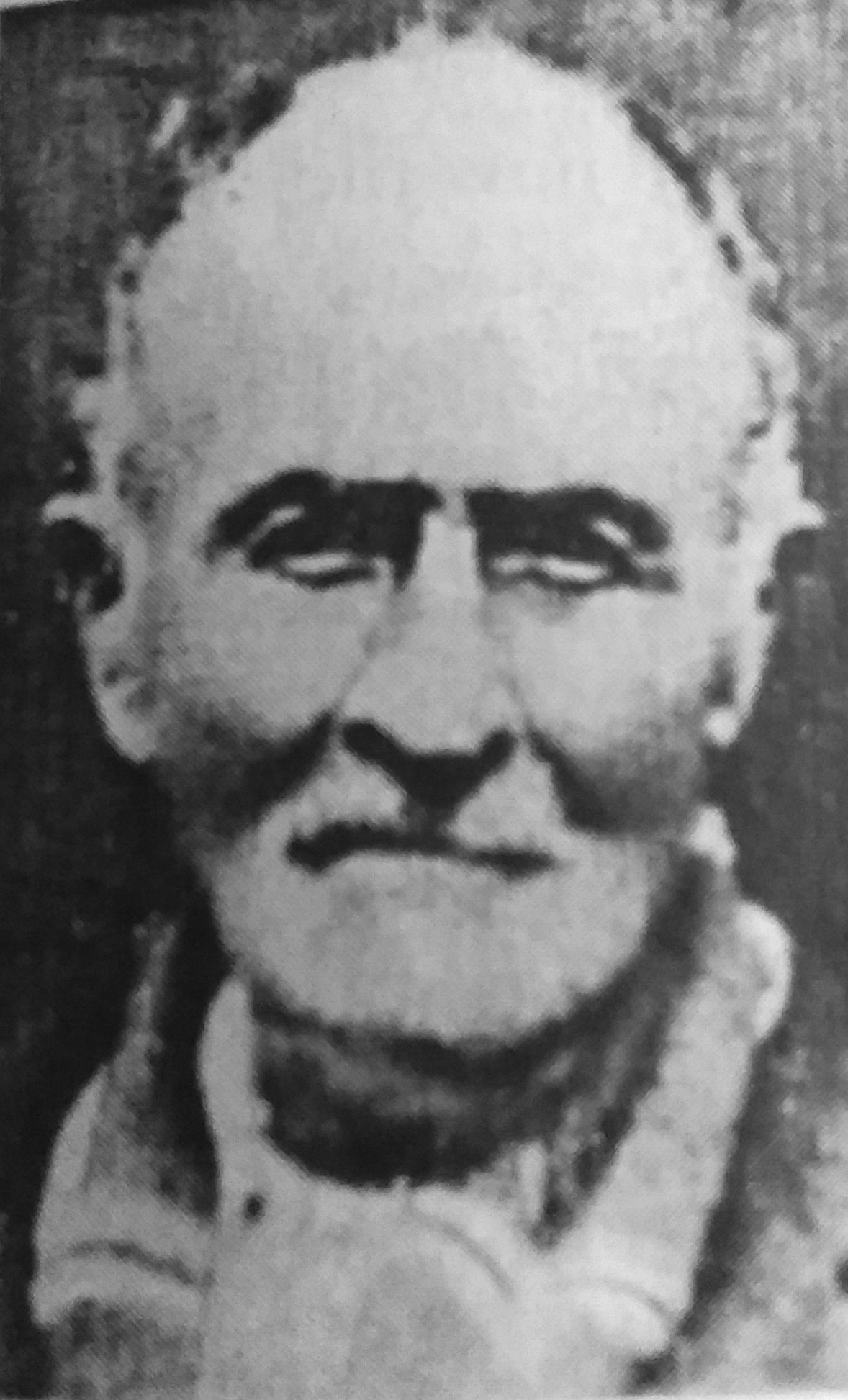
Have a few and many opponents. “Take them and what they have” was the message to all political opponents who did not qualify for heavier sentences. As a result of this state policy of declaring “kulak” many families suffered. One of them was the family of Isuf Muç Brucaj in Rec of Malësia e Madhe. Isufi was known for his wisdom and intelligence, for his nobility and honesty. This was the reason why he was elected a member of the municipal council of Shkreli together with Gjon Deda and others. They grew old wisely and resolved the troubles of many families. Isufi was also known in Shkodra. The doors of the Kazakhs, Bushatllinj, Hoti, Jukaj, were open to him, as if his house was at the disposal of the one who knocked on the door.

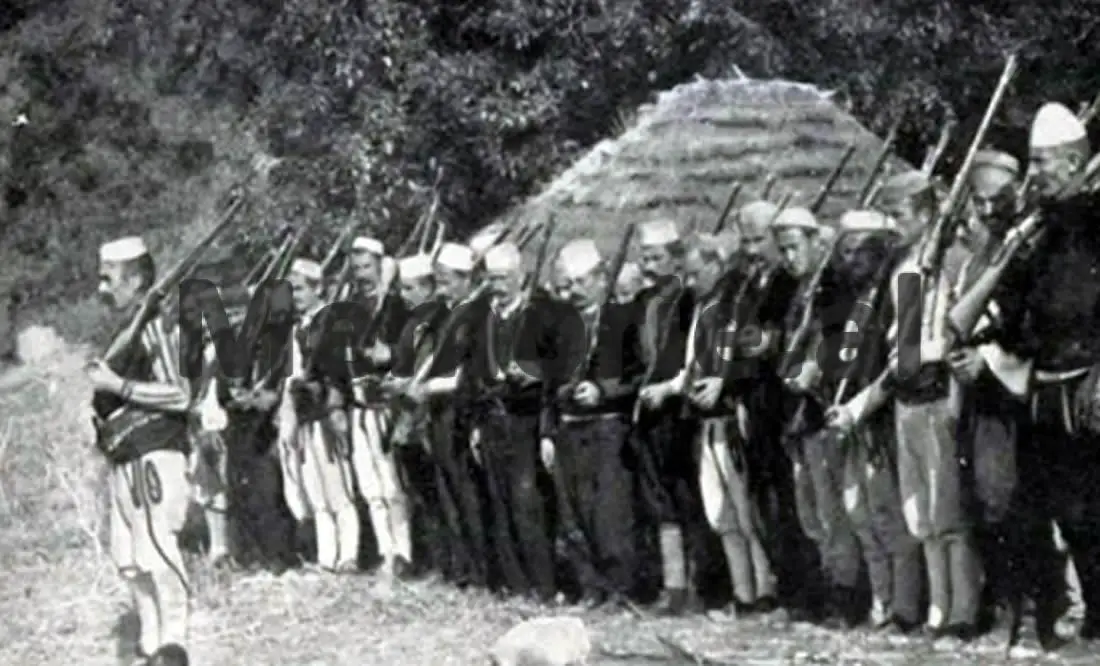
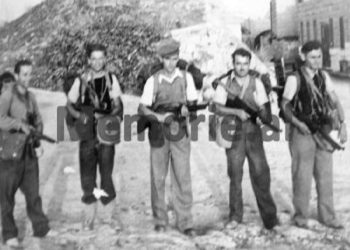
He was an anti-fascist and joined the people in the war in Rec. As is well known this village was the base for both nationalist and communist groups. As a nationalist, Isufi was in complete opposition to the communist line. For this the headquarters of the partisan battalion sentenced him to death in October 1943, but since he belonged to a large family, the sentence was postponed. Liberation came but the war did not end because the highlanders could not reconcile with the communist regime. Isuf Muç Brucaj, took part in the ‘Koplik Revolt’ in January 1945. He, together with Maç Gila, Muho Selimi, Nuz and Brahim Bishon, destroyed Gruemira’s post. The movement failed and he was arrested like many others. But fortunately, he was released after the amnesty and deals with agricultural work.

At risk of life, she shelters and feeds the fugitives Shemsi and Hamdi Ferri (nephews of Jakup Ferri). Declared kulak, the consequence of which was the confiscation of property. To secure his livelihood, he is forced to roam the mountains and deal with medicinal plants. Later he worked with the boys in Kukës and Fier and supplied the remaining family in the village. After a while the family is expelled and settled in Shtoj. There they are forced to live in difficult conditions and sleep in hulls made of plastic. From time to time, they “visited” the employees of the Shkodra Branch of Internal Affairs, to try to recruit him as an agent. The answer was a resounding no.

When you have the stone in your hand, the nut is easy to break. The next revenge begins after the arrest of his son Mehmeti, whose trial takes place in the village and he is sentenced to 7 years in prison. Later, Isuf’s three nephews were accused of being stimulants and not working for the state. It was the time when Albania’s half-crazed Pol Pot declared that “The class war is sometimes intensified, sometimes softened, but never extinguished”. The 1991 changes in the country found this family economically exhausted, and it was very difficult to integrate into the new society. When they take a look at the past, they say “wonder how we survived” ./Memorie.al
                                                      Continued in the next issue…

ShareTweetPinSendShareSend
Previous Post

May 1941 newspaper ‘Tomorri’: “Sovereign August goes to parade the Party youth organizations and visits…” / When King Victor Emmanuel III stayed a week in Albania

Next Post

Historical Calendar May 21

Artikuj të ngjashëm

“In December 1942, in a special declaration on the independence of Albania, the Soviet government emphasized that; the USSR does not recognize Italian claims on…”/ Nikolay Shmelev’s book, “Novaja Albanija” Moscow 1951
Dossier

“Iran’s threat to close the Strait of Hormuz created great concern, disorientation and unprecedented alarm in the US…”/ Enver Hoxha’s political diary, June 1984, revealed

September 3, 2026
“In private settings in Kosovo, Schwandner-Sievers encountered a Tito-nostalgia similar to that of other nations and ethnicities, former Yugoslavia…”/ Reflections of Fadil Hoxha’s niece
Personage

“In private settings in Kosovo, Schwandner-Sievers encountered a Tito-nostalgia similar to that of other nations and ethnicities, former Yugoslavia…”/ Reflections of Fadil Hoxha’s niece

September 3, 2026
“In December 1942, in a special declaration on the independence of Albania, the Soviet government emphasized that; the USSR does not recognize Italian claims on…”/ Nikolay Shmelev’s book, “Novaja Albanija” Moscow 1951
Dossier

“In December 1942, in a special declaration on the independence of Albania, the Soviet government emphasized that; the USSR does not recognize Italian claims on…”/ Nikolay Shmelev’s book, “Novaja Albanija” Moscow 1951

September 3, 2026
“One of the village men, an immigrant who had just returned from the USA, came to the German, whom the Nazi asked; are there any partisans here…”/ The rare testimony of a survivor of the Borova Massacre, July ’43
Dossier

“American philosopher George Santayana says that a past that is not judged is destined to be repeated…”/ Reflections of the philosophy professor at the University of Bologna

September 3, 2026
Calendar 01 September 2026
Historical calendar

Calendar 4 September, 2026

September 3, 2026
“His remains, no one remembered where they were left, since no one showed the crime, but maybe Luan Qafëzezi, may have taken one…”! / Reflections of the well-known publicist, about the Beratas poet
Dossier

“The Albanians were angry when they learned about the hypocrisy of the representatives of London and Washington, who collaborated against the communist liberation army…”/ Book by Nikolay Shmelev, “Novaya Albanija” Moscow 1951

September 4, 2026
Next Post
Maj

Historical Calendar May 21

“Historia është versioni i ngjarjeve të kaluara për të cilat njerëzit kanë vendosur të bien dakord”
Napoleon Bonaparti

Publikimi ose shpërndarja e përmbajtjes së artikujve nga burime të tjera është e ndaluar reptësisht pa pëlqimin paraprak me shkrim nga Portali MEMORIE. Për të marrë dhe publikuar materialet e Portalit MEMORIE, dërgoni kërkesën tuaj tek [email protected]
NIPT: L92013011M

Na ndiqni

  • Rreth Nesh
  • Privacy

© Memorie.al 2024 • Ndalohet riprodhimi i paautorizuar i përmbajtjes së kësaj faqeje.

No Result
View All Result
  • Albanian
  • English
  • Home
  • Dossier
  • Interview
  • Personage
  • Documentary
  • Photo Gallery
  • Art & Culture
  • Sport
  • Historical calendar
  • Others