By Bedri HALIMI
Part Two
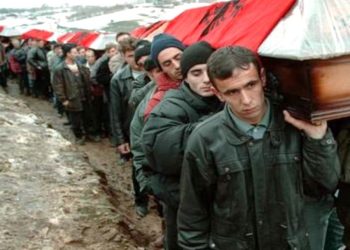
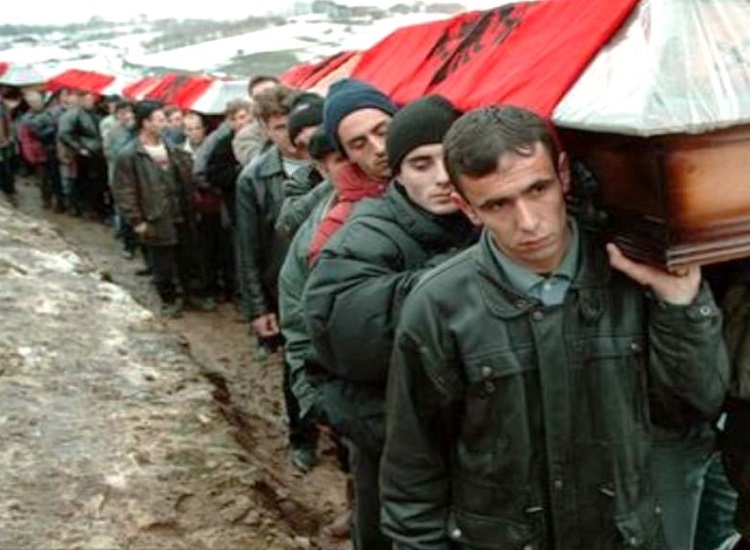
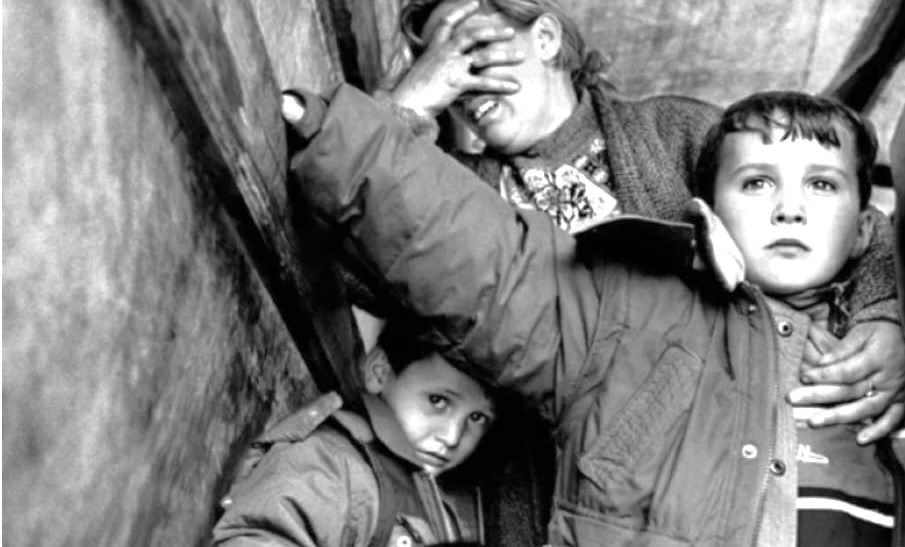
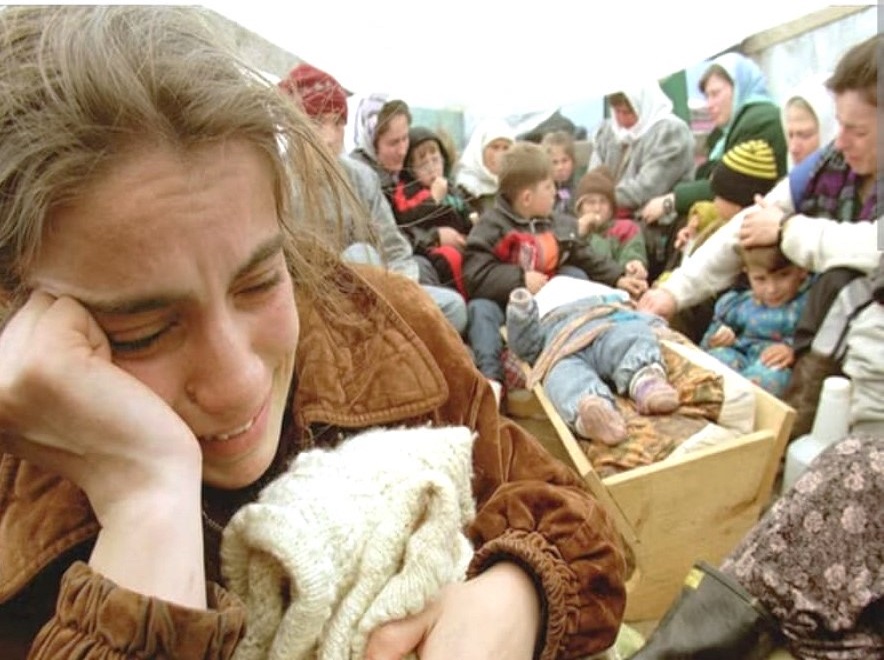
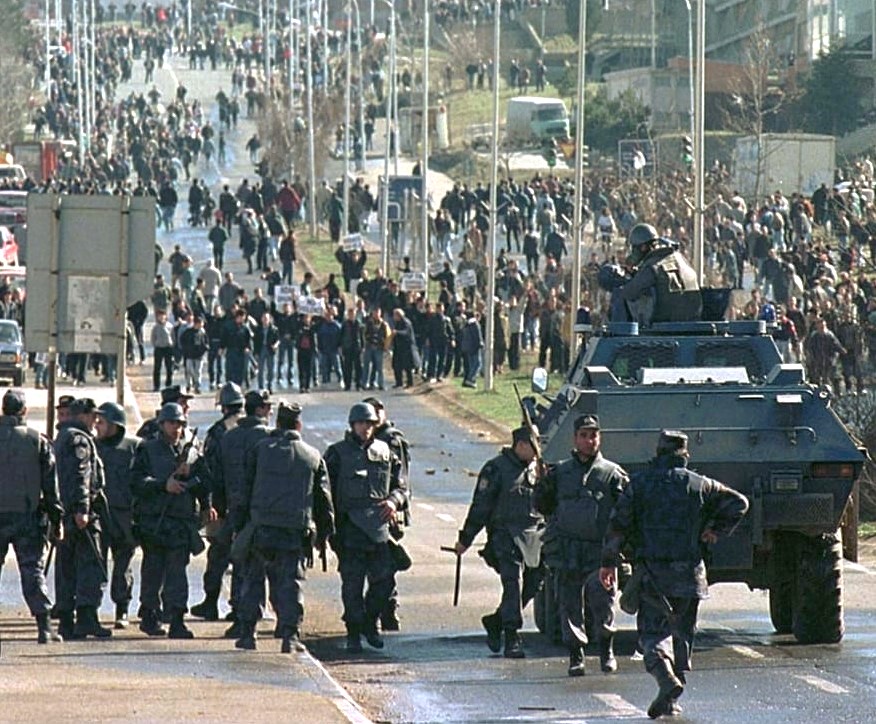
Memorie.al / During this time period, as soon as the fighting began in Kosovo, and until its finalization, the Serbian state through all its military and police forces, besides implementing the policy of “scorched earth,” spared neither old men, old women, women, nor children; in a word, it spared nothing from the unarmed civilian population. The massacres that Serbia has carried out against Albanians in Kosovo are terrible. This would be best shown in the description of each of these massacres, how it happened, where it happened, to whom it happened, so that for each massacre the state of Kosovo should encourage people of goodwill and in some way obligate the various institutions of science, art, and culture to write separate books for each of these massacres, and then also to translate them into foreign languages in order to disseminate the truth.
Continues from the previous issue
In the Old Village of Ferizaj, on: 13 April 1999, 7 members of the Zeka family and 2 members of the Hoxha family were executed.
In Mitrovica, on: 14 April 1999, in the “Qendra” neighborhood, Serbian forces gathered 100 young males, of whom 26 were put into three houses in the “Bair” neighborhood and shot, while the others were sent to various places, where they were also killed. Their bodies were discovered in several mass graves.
In Sllovijë of Lipjan, on: 15 and 16 April 1999, in this village and at the place called “Lugu i Demës,” 41 Albanian civilians were killed and massacred.
In Skenderaj, on: 16 April 1999, 13 Albanian civilians were executed.
In Mitrovica, from the column of 80,000 people that was 10 km long at the place called “Ura e Gjakut,” 9 young men were taken out of the column; after their hands were tied with wire around a well, they were put into the yard of a house, where 8 of them were shot, while one managed to escape, but later he too was caught and shot.
In Old Çikatovë of Drenas, on: 17 April 1999, 128 residents of this village and other villages were killed and massacred.
In Old Paklek of Drenas, on: 17 April 1999, 41 Albanians were killed, of whom 23 were children, 12 girls, 14 women, 2 men, and 2 boys.
In Hade of Obiliq, on: 17 and 18 April 1999, 5 males of one family were killed, then another person who had come out with a white handkerchief raised was also killed, then 4 other persons were taken and killed, 2 of whom were burned alive in a stable.
In Devë of Gjakova, on: 18 April 1999, the 7 Bobi brothers were killed and massacred.
In Ribar i Vogël, on: 18 April 1999, 25 civilians were killed and massacred, of whom 19 were from this village, while 6 were from the nearby village of Vërshec, who had come to take shelter.
In Bërrnicë e Epërme of Prishtina, on: 18 April 1999, 6 members of the Reka family and one member of the Berisha family were killed.
In the area of the village of Koliq, on: 18 and 19 April 1999, 74 persons from various villages were killed, mainly from the Llap region.
In Hallaq i Vogël of the municipality of Lipjan, on: 20 April 1999, 20 civilian residents of this village were killed and massacred, of whom 3 were from other places.
In Makoc of Prishtina, on: 20 April 1999, 42 civilians were killed.
In Grashticë of Prishtina, on: 21 April 1999, from the long column of displaced persons from the villages of Gallap who were going from Marec to Prishtina, 60 civilian males were taken out, who were killed by gunshots to the head and thrown into the river.
In Nakaradë of Fushë Kosova, on: 21 April 1999, 16 members of the Mirena family were killed.
In Dragaqinë of Suhareka, on: 21 April 1999, 11 residents, mainly elderly people of this village, were thrown into a well.
In Sopijë of Suhareka, on: 21 April 1999, 7 members of the Ilazi family and one member of the Sopa family were killed.
In the village of Koliq, in a column of displaced persons, on: 22 April 1999, 21 persons were killed.
In Mejë of Gjakova, on: 27 April 1999, after Serbian forces stopped the column of 500 Albanian civilians who had come from the villages of Reka e Keqe of Gjakova and several villages of the municipality of Deçan, they killed and massacred most of them and then sent their bodies to unknown places.
Some of these bodies have been discovered in mass graves in Serbia. Among them were women, children, and elderly people aged 16–60. The exact number of victims remains unknown, because even those who were not shot at that moment were kidnapped and sent in unknown directions.
In Guskë of Gjakova, on: 27 April 1999, 25 Albanians were killed.
In Dobrosh of Gjakova, on: 27 April 1999, 38 Albanians were killed.
In Korenicë of Gjakova, on: 27 April 1999, 65 Albanians were killed.
In Nabërxhan of Peja, on: 1, 2, 10, and 12 May 1999, about 30 civilians were killed and massacred.
In Studime of Vushtrria, on: 2 May, 116 Albanians were killed and massacred, among whom there were children, women, men, and elderly people.
In the column of the population of the villages: Vraniq, Bukosh, Savrovë, Sopijë, etc., who were making their way toward Albania, on: 3 May 1999, Serbian forces separated 35 persons of younger ages, whom they killed and massacred in the yard of the Bukosh school.
In Damanek of Malisheva, on: 4 May 1999, many Albanian civilians had taken shelter, where from the shooting of Serbian forces at the sheltered population, 6 persons were killed and 17 others were wounded. Both the killed and the wounded were from various villages.
In Shtupel of Klina, in the Zhabotë neighborhood, on: 6 May 1999, 6 civilians were killed and 7 others were wounded.
In Lutogllavë of Prizren, on: 6 May 1999, Serbian forces guaranteed the neighborhood of the Kelmendi families. After the shelling stopped, the 31 sheltered members of the extended Kelmendi family, mainly women, children, and elderly people, set off with 4 tractors in the direction of the village of Tërstenik.
On the way, Serbian forces stopped them, of whom they killed 2 children, one 8 and the other 11 years old, as well as 2 women. During the continuation of the journey, they were hit with a grenade and 8 other persons were killed. Then 4 women and 2 men were also killed, as well as a 102-year-old elderly man.
In Korishë of Prizren, on: 13 May 1999, in a process staged by Serbian forces, NATO struck through airplanes, where 71 persons were killed, of whom 3 were infants, 11 pupils, 13 children, and 61 others were wounded. The persons were mainly from Korisha as well as from the villages Bllacë, Budakovë, Maqitevë, Mushtisht, Reshtan, etc.
In Qyshk of Peja, on: 14 May 1999, 42 civilian males were killed and massacred.
In Pavlan and Zahaq, on 14 May 1999, Serbian forces, after having expelled the children, women, and elderly people, had killed and massacred 35 Albanians.
In Carallukë of Malisheva, on: 17 May 1999, 23 Albanians were killed, all members of two Krasniqi families aged 5–65.
In Stagovë of Kaçanik, on: 21 May 1999, 14 residents were killed, and most of the bodies were burned and carbonized.
In the Dubrava prison, on: 21 and 22 May 1999, Serbian forces in the prison yard killed 97 prisoners and many others were wounded.
In Vushtrria, on: 22 May 1999, Serbian forces kidnapped and killed 68 persons, whose bodies have disappeared, being transported to Serbia.
Near Vushtrria, at the place “te Habarët e Gumnishtës,” on: 24 May 1999, 6 young girls of the Gërguri family from Studimja e Epërme and 2 Krasniqi girls from Zhilivoda were killed.
In Prizren, in the Tusuz neighborhood, on: 26 May 1999, 27 civilians were killed, whose bodies were then loaded onto a truck and sent to unknown places. In this neighborhood, 245 houses were set on fire.
In Studime of Vushtrria, on: 31 May 1999, 12 members of the family of Selatin Gërxhaliu were killed and massacred, most of whom were children from the age of 1 onward.
In Mitrovica, in the “7 Shtatori” neighborhood, on: 8 June 1999, Serbian forces, after arresting 11 young Albanians, 3 of whom managed to escape, while the fate of the other 9 was unknown until 2005, when their lifeless bodies were found.
In Mitrovica, in the Bosniak neighborhood, on: 9 June 1999, Serbian forces arrested several young Albanians, where 6 of them were burned in a house, of which 2 were females.
In Mitrovica, in front of the residential buildings “3 Rrokaqiejt,” on: 12 June 1999, after the signing of the Kumanovo agreement, Serbian forces took 15 residents from this neighborhood, which they ordered to jump into the Iber River at the “Train Bridge” and then began shooting at them.
In Peja, on: 12 June 1999, on the day of the entry of NATO forces into Kosovo, Serbian forces killed 5 minor children of the family of Isa Balaj, as well as Vjollca Balaj, 28 years old, while Isa and his 9-year-old son managed to get out from one of the balconies of the house and escape to their neighbors.
From all these data that were highlighted, it results that the Serbian crimes have been among the most macabre. But nevertheless, it should be emphasized that, in this case, we have not mentioned individual killings, as well as killings from various municipalities, due to lack of information.
Conclusion: What should have happened in Kosovo, so that our institutions would have by now undertaken the concrete steps of what we said at the beginning, the publication of separate books with concrete data, with their translation into many foreign languages in order to disseminate the truth in the world?
Serbia is capable of fabricating and not only collecting the facts of the killings of those old women and old men that happened unnecessarily and publishing them in books, exaggerating and over-exaggerating the figures, publishing in separate books, translating them into many foreign languages and disseminating them before the world to prove their truth, just as it did with the publication of the book with 80-some Serbian children who had suffered during the NATO bombings in Serbia, where they published the book, translated into 7–8 languages of the world with a title: “NATO’s Genocide against Serbian Children.” / Memorie.al