By Bedri HALIMI
Part One
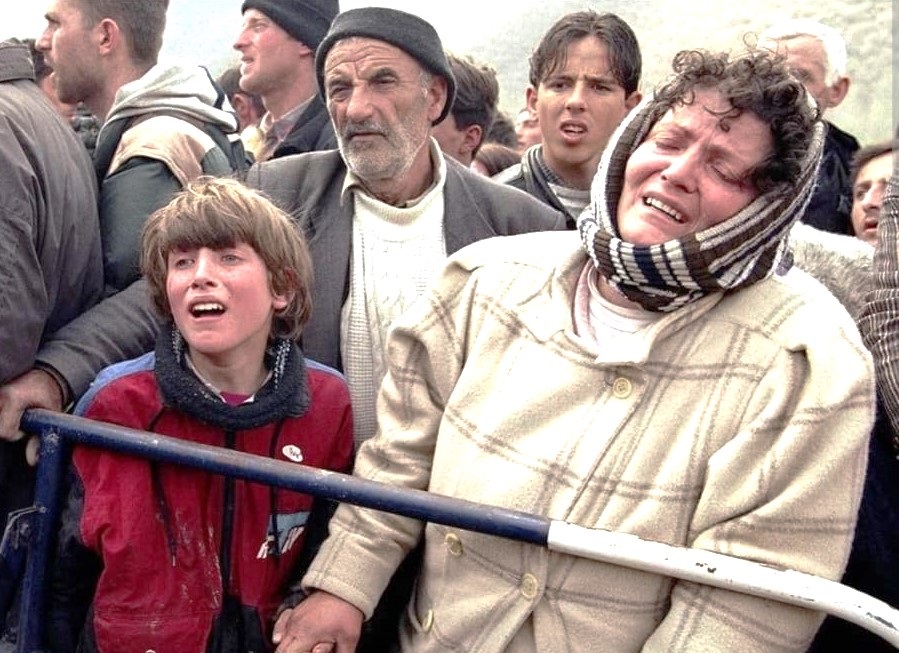
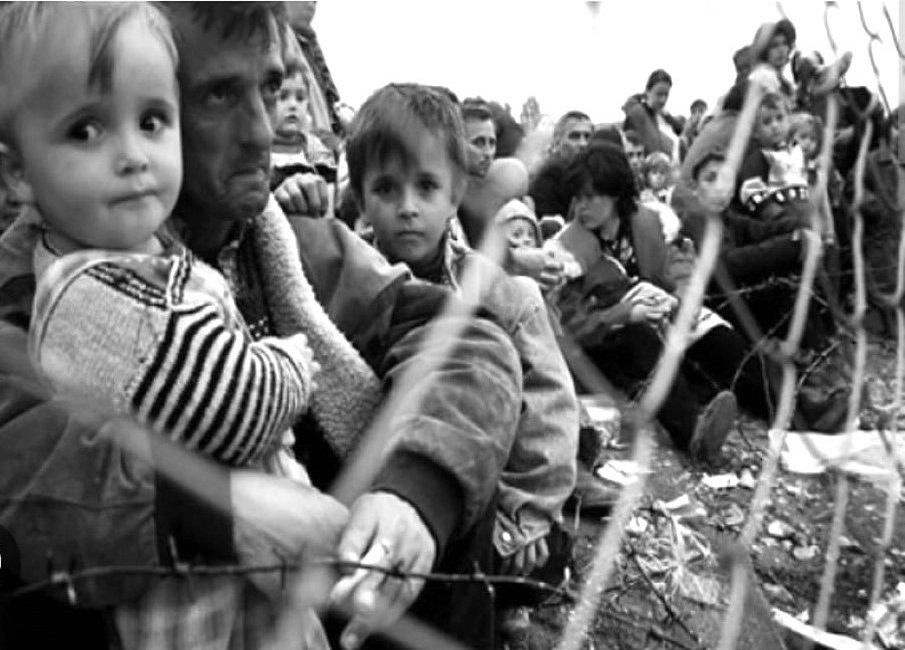
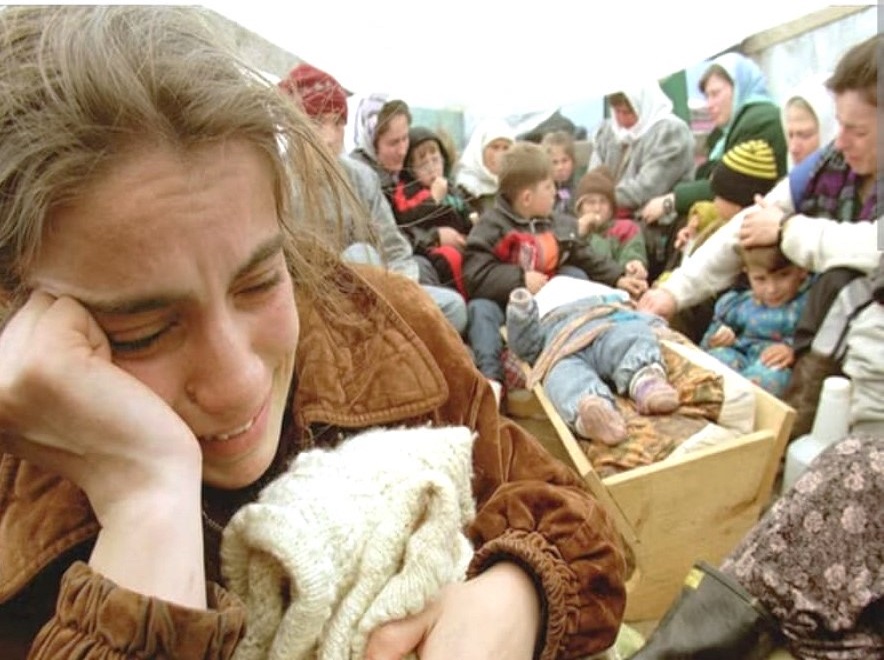
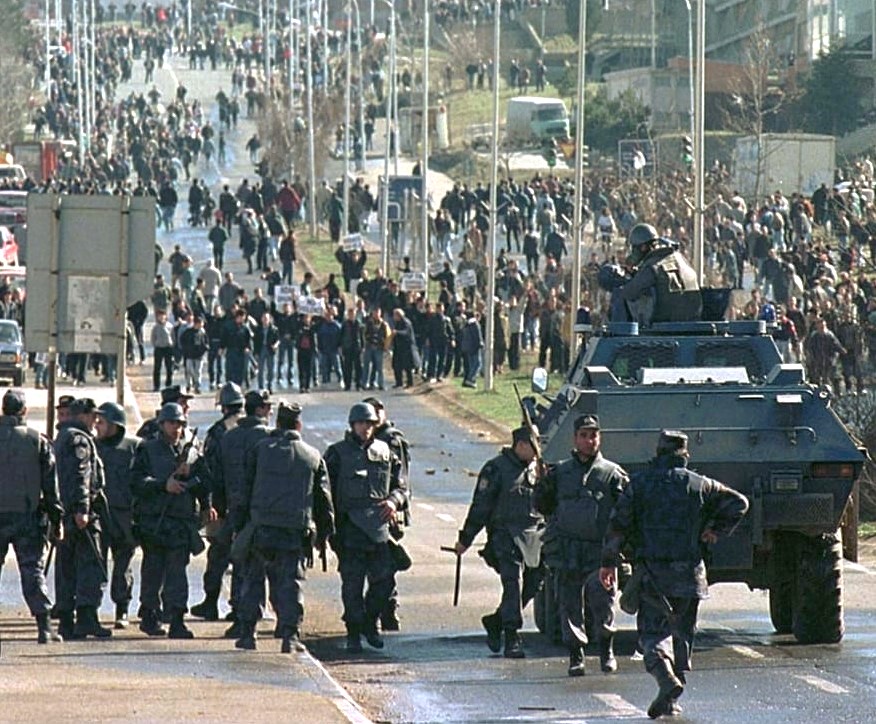
Memorie.al / During this time period, from the very beginning of the fighting in Kosovo until its finalization, the Serbian state – utilizing all its military and police forces – not only applied a “burned earth” policy, but spared neither the elderly, women, nor children; in short, it spared nothing of the unarmed civilian population. The massacres carried out by Serbia against the Albanians in Kosovo are horrific. This would be best demonstrated in the detailed description of each of these massacres – how it happened, where it happened, against whom it happened – to the point where, for every massacre, the state of Kosovo should encourage people of good will and obligate, in a sense, various scientific, artistic, and cultural institutions to write dedicated books for each of these massacres, which should then be translated into foreign languages in order to present the truth.
Here, we are referring first and foremost to the Academy of Sciences and Arts of Kosovo, the Albanological Institute of Kosovo, the Institute of History of Kosovo, etc. The data is abundant from both international authors and human rights institutions, ranging from the Council for the Defence of Human Rights and Freedoms in Kosovo to data provided by international authors and institutions such as Human Rights Watch, Amnesty International, the Helsinki Committee, etc.
We hope that the Government of Kosovo will raise awareness in this direction so that, through the Ministry of Culture and the Ministry of Education, Science and Technology, it will provide encouragement by assisting in the publication of books as well as their translation for each of these massacres.
In this instance, we are providing a telegraphic summary of some data regarding the massacres committed against Albanians by Serbian forces during this period:
In the massacre of Likoshan and Qirez, on February 28 and March 1, 1998, 24 residents of these villages were killed and massacred, 10 of whom were from the Ahmeti family.
In the massacre of Prekaz in Skenderaj, on March 5–7, 1998, 59 Albanians were killed, 55 of whom were from the Jashari neighborhood.
In Kleçkë, on August 27, 1998, after the entire village was burned down in the direction of Qafa e Dulës, Serbian forces killed 8 Albanians and wounded over 30, the majority of whom were children, women, and the elderly.
In the village of Sushicë e Poshtme in Istog, on August 29, 1998, 8 members of the Salihaj family were killed.
In the villages of Shala e Bajgorës, on September 15–17, 1998, over 12 Albanians were killed, all residents of the Shala villages were expelled, and nearly 12 villages were burnt almost entirely after being looted.
In the villages of Qyqavicë, on September 22–24, 1998, 24 Albanians were killed, 6 of whom were beaten to death with hammers.
In Gullboc of Malishevë, on September 26, 1998, 14 residents of this village and neighboring villages were killed following prior abuse. Only one person managed to survive by chance.
In Abri e Epërme of Drenas, on September 26, 1998, 22 members of the Deliu family were killed and massacred, ranging from a 6-month-old infant to an 84-year-old woman.
In the village of Rancë in Shtime, on August 26, 1998, 8 children and 3 women of the Selim Asllani family were massacred, and 3 others were wounded.
In Reçak of Shtime, on January 15, 1999, 43 residents of this village were killed and massacred.
Near the Rakovina bridge, on the Prishtina–Gjakova highway, on January 24, 1999, Serbian forces killed a man along with his two children, aged 11 and 12, as well as two guests from Cermjan who were traveling on a tractor in their village.
In the village of Rogovë in Gjakova, on January 29, 1999, 26 Albanians were massacred, 9 of whom were from Rogovë, while the others were members of the KLA (UÇK).
In Leshan of Suhareka, on March 2, 1999, 29 Albanians were killed and massacred.
In Reznik of Vushtrri, on March 6, 1999, 9 members of the Ujkani family were killed, and their corpses were subsequently burned.
In Mitrovica, on March 13, 1999, on market day, 6 people were killed after three explosive devices were thrown by Serbian forces.
In Skenderaj, on March 20, 1999, 29 Albanians aged between 15 and 70 were killed; 8 of them were executed at the location known as “Te pishat” (At the Pines), while the others were killed in their homes and yards in front of their family members.
In Tërnavë of Podujeva, on March 20, 1999, the village was shelled, after which the Serbian army threw a grenade at a tractor loaded with fleeing civilians; killing two children aged 6 and 7, and severely injuring 4 others. They then killed 2 more people and severely injured 7 others with another grenade.
In Katund i Ri in Peja, on March 11 and 12, as well as June 4–6, 1999, 15 Albanians were killed.
In Kotlinë of Kaçanik, on March 24, 1999, 26 people were executed and massacred, then thrown into two wells before explosives were detonated over them.
In Keçekollë of Prishtina, on March 24, 1999, 5 members of the Jakupi family from Orllan of Podujeva were killed.
In Podujeva, on March 24 and 25, 1999, 36 people were killed.
In Celinë of Rahovec, on March 25, 1999, 82 people of various ages were killed and massacred, 75 of whom were from Celinë, while the rest were from surrounding villages.
In Bellacërkë of Rahovec, on March 25, 1999, 46 Albanians were killed, including women and children aged 3 to 9; 15 of the victims were under 18 years of age. This village had also been attacked earlier on July 18, 1998, when 12 of its residents were killed.
In Goden, on March 25, 1999, 28 Albanians aged 18 to 45 were killed, and their corpses were subsequently burned.
In Randobravë of Prizren, on March 25, 1999, 8 members of the Pajaziti family were killed, including a mother and her 4 children aged 2 to 7.
In Krushë e Vogël of Rahovec, on March 25 and 26, 1999, local Serbs joined the Serbian forces to kill and massacre 113 residents of this village and neighboring villages in the area.
In Krushë e Madhe of Rahovec, on March 25–27, 1999, 241 Albanians were killed and massacred, 206 of whom were residents of the village, while 35 were people from other villages taking shelter there. To date, 132 of the slain from this village have been found and identified, while over 70 residents remain missing. In more than 7 families, all male members were killed and massacred.
In Tërnje of Suhareka, on March 25, 1999, 28 residents from the Gashi, Voci, Muhaxhiri, Llapatnica, and other families were killed and massacred. The bodies of many of them have still not been recovered.
In Suhareka, on March 26, 1999, 48 Albanians from the Berisha family were killed and massacred, and their bodies were subsequently transported to Serbia.
In Padalishtë and Cerkolez of Istog, on March 26, 1999, 19 Albanians aged 2 to 76 were killed and massacred in the Imeraj neighborhood of Padalishtë.
In Landovicë of Prizren, on March 26, 1999, 23 residents of this village and neighboring villages were killed.
In Mamushë, on March 27, 1999, 18 Albanians were killed and massacred, 7 of whom were from Mamushë.
In Dardhishtë (Kryshec) of Obiliq, on March 27, 1999, 11 members of the Rama family were massacred.
In Gjakova, on March 27, 1999, 6 members of the Çerkezi family were killed and massacred, leaving only the mother surviving; their corpses remain missing.
In Izbicë of Skenderaj, on March 28, 1999, on the very day of the Bajram holiday, Serbian forces physically abused the villagers, separated the men from the women, and executed 114 of them.
In Matiqan of Prishtina, on March 28, 1999, on the day of Bajram, Serbian forces killed 21 Albanians, including children.
In Podujeva, on March 28, 1999, 19 members of the Duriqi, Bogujevci, Llugaliu, and Gashi families were killed.
In Beleg of Deçan, on March 28, 1999, 66 residents of this village and neighboring villages (such as Drenoc, Gllogjan, Irzniq, etc.) were killed and disappeared.
In Dumnica e Epërme of Vushtrri, on March 29 and April 11, 1999, 6 residents were killed, including 3 children.
In Mitrovica, in the “Bair” neighborhood, on March 29, 1999, 4 elderly people (two immobile women and two immobile men) were killed.
In Llashticë of Gjilan, on March 30, 1999, 13 Albanians were killed, including a 3-year-old child who was burned in his mother’s lap.
In Burim (Joviq) of Malishevë, on March 31, 1999, 34 Albanians aged 16 to 72 were killed and their bodies massacred.
In Pastasel of Rahovec, on March 31, 1999, 106 Albanians from this village and surrounding villages who had sought shelter were executed and massacred. The bodies of these victims were moved to an unknown location.
In Lybeniq of Peja, on April 1, 1999, 60 civilian residents were killed.
In Cercë of Istog, on April 1, 1999, 6 members of the Rexha family were killed, massacred, and their bodies burned.
In Gjakova, on April 2, 1999, the mother of the Vejsa family was killed along with her 5 children.
In Ragavc of Rahovec, where over 20,000 refugees had taken shelter, on March 28, 1999 (Bajram day), several residents were executed after being looted; on April 2, 1999, following aerial bombardments, 31 civilian residents from Brestoc, Nagac, Krusha e Madhe, etc., were killed.
In Pjetërq i Epërm of Klina, on March 29, 1999, 11 Albanian civilians were executed.
In Sopi of Suhareka, on April 2, 1999, 35 Albanian civilians were killed and massacred.
In Kralan, on April 2–4, 1999, over 87 Albanian civilians were killed and massacred, the majority of whom were from the municipalities of Klina, Malisheva, and Gjakova. Many of these bodies were later burned.
In Gjakova, on April 2, 1999, numerous killings occurred in the “Te stacioni i autobusëve” (At the Bus Station) neighborhood, and in Qabrat, on May 7–11, 1999, over 80 Albanian civilians were killed. Killings in this municipality continued on other days as well, notably on May 15, 16, and 22, 1999.
In the “Dragodan” neighborhood of Prishtina, on April 3, 1999, 7 Albanian civilians were killed.
In Qypevë e Epërme of Klina, on April 4, 1999, 45 Albanian civilians were killed: 6 from Qypeva e Epërme, 2 from Gllareva, 7 from Përqeva, 2 from Qypeva e Poshtme, 17 from Svërrka, and 11 from Gremnik.
In Popovë of Podujeva, on April 4, 1999, Serbian aviation killed and wounded a number of refugees, including many children.
In Rezallë of Skenderaj, on April 5, 1999, 41 civilians aged 13 to 90 were executed (only 3 survived). Thus, 38 individuals were massacred: 29 from Rezalla, 7 from Marina, 1 from Llazica, and 1 from Prekaz.
In Llapqevë of Malishevë, on April 5, 1999, 8 Albanian civilians were killed.
In Kokaj of Gjilan, on April 5, 1999, 6 Albanian civilians were executed.
In the villages of Deçan and Peja, on April 6, 1999, a massacre took place, along with the burning of 7 corpses in the house of Rrustem Tahiri in the village of Bardhaniq in Dushkaja, Gjakova.
In Abri e Poshtme, on April 7, 1999, 10 Albanian civilians from Qabiq were killed.
In Kaçanik, at the locations “Prroi i Rakocit” and “Lagjja e Re”, on April 9, 1999, 58 Albanians were killed and massacred.
In Bresalc of Gjilan, on April 10, 1999, 5 Albanian residents were killed.
Above the village of Lugishtë in Has, at the place called “Del Ujë”, on April 12, 1999, 16 residents from Has were massacred (13 from Lugishta and 3 from Demjan). All of them had previously been separated from the women and children and were killed and massacred at close range. / Memorie.al
To be continued in the next issue