Part One
Memorie.al / To say Dibër you cannot mention it without the epithet “Great” – not in the sense of the city of Great Dibër, of the sheher (town), but for the contribution it has given to the Albanian national movement over the centuries. “To say Dibër = Albania. To say Dibër = the Albanian Nation. To say Dibër = the Albanian. To say Dibër = Macedonia, it is its heart, its nucleus.” Dibër’s contribution is great for the Balkans, the Ottoman Empire and for the entire world. Dibër is among those regions that speak and write little but do much. Their work is great. To say Dibër means History. Dibër made history, wrote history and remained in history. Rightly the patriot Ismail Strazimiri – who is essentially synonymous with Albanianism – writes that “History is equal: Yesterday, Today and tomorrow.”
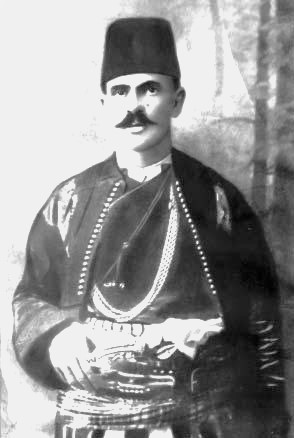
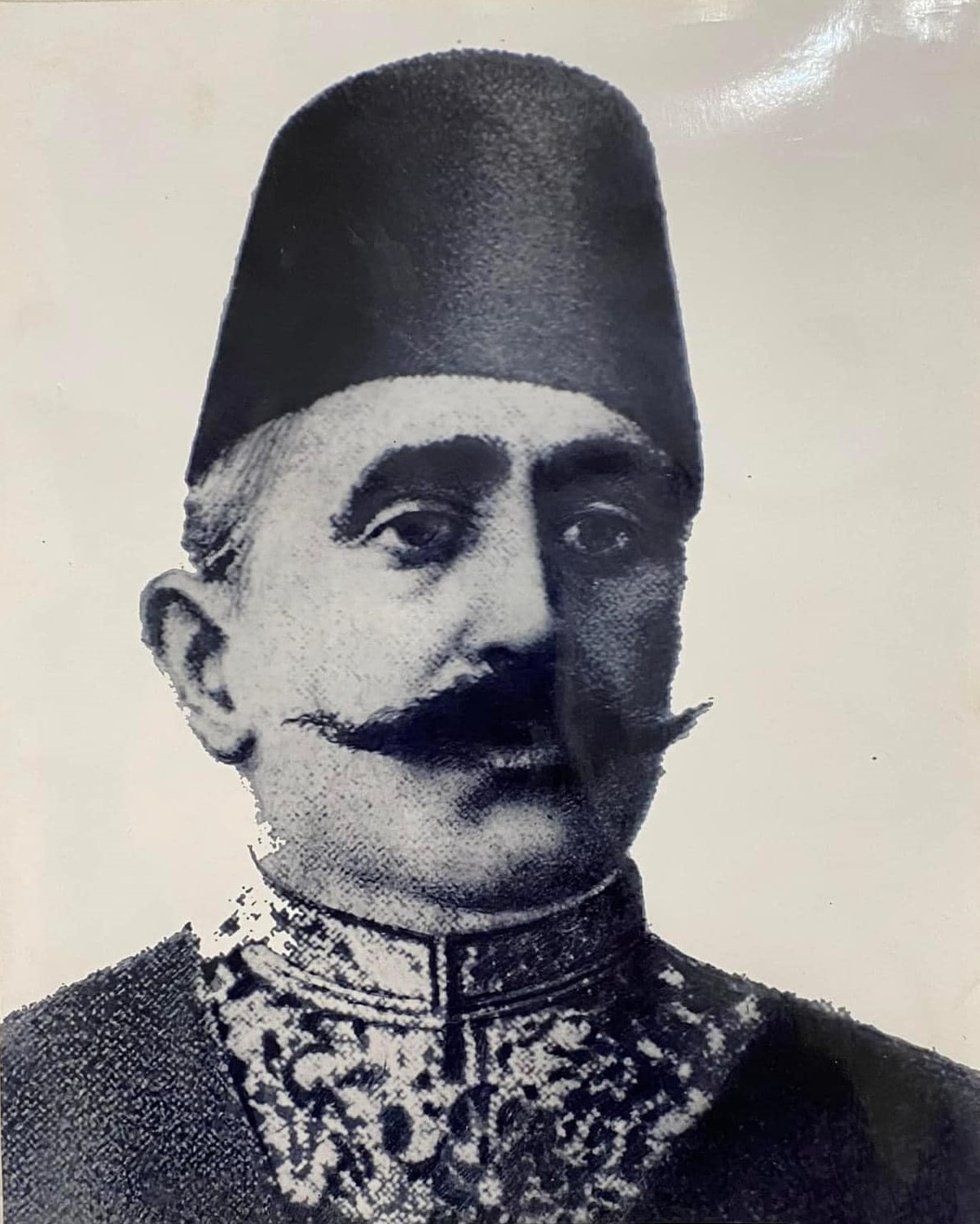
Dibër, for example, has produced a great figure of world stature, like Riza Tefik Bylykbashi, otherwise known as Riza Tefik Dibrani, companion and friend of Ismail Qemali, deputy in the Turkish parliament in the years 1909–1912, also known as the Philosopher Riza Tefik or the “Voltaire” of Turkey. I have found his name in a world history of philosophy in five volumes. Dibër is not only a land of wisdom but also of bravery. “The sons of Dibër, the sons of the mountain, they play with the lid of their forehead!” What a pity that within the borders of state Albania only 1/3 of Albanian lands remained, while 2/3 remained outside it; the finest cities and largest centres such as Skopje, Bitola, Thessaloniki and Ioannina, etc., were left outside the mother state as part of the chauvinist neighbouring states.
The greatest crime was committed in Kosovo with the leaving of Gjakova, in Montenegro with Ulcinj and in Macedonia with the leaving of Great Dibër outside the borders of the Albanian state of 1913. Dibër, from being the former centre of the Sanjak in the Ottoman centuries, remained a peripheral zone of today’s Macedonia and down to our days came shrunken, economically underdeveloped and as a city deliberately neglected, left behind, marginalized. But Dibër remains Dibër, Great Dibër with all the full meaning of that word, a noble Dibër unbowed by the challenges of the times and an eternal spiritual centre of undying patriotism.
1 – When I started writing this piece, I had some fears:
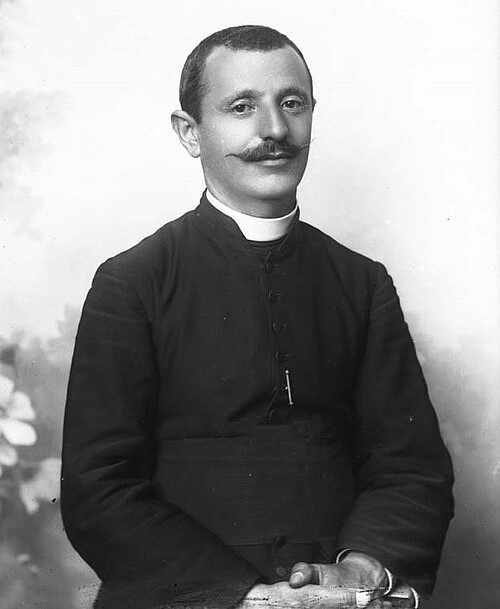
First, the short time I had at my disposal. Second, I knew very little about Ismail Strazimiri as a figure – not to say anything at all. Third, would I live up to those words a friend told me after I had spoken about “Dibran nobility” at a scientific session on Dibër, calling me a “great‑grandson of Dibra”? Fourth, would I manage to present him at the level of other figures, such as Iljaz Pashë Dibra, Vehbi Dibra, Dom Nikoll Kaçorri, Elez Isufi, etc., about whom in the past and even today much has been written extensively. About Ismail Strazimiri I had heard something from old Dibran people, as a distinguished figure of Dibër. In a publication of the Museum of Dibër three or four decades ago, the name of this patriot would appear, and especially his “memoirs” were cited.
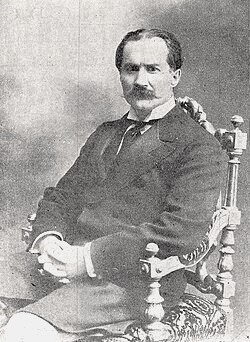
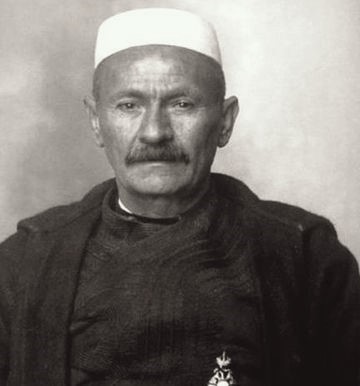
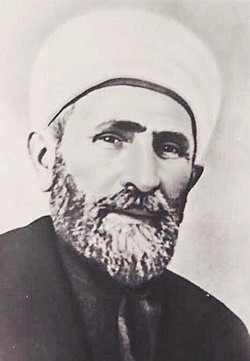
In my research at the Archive of the Institute of History, again in his files this man would appear. Some time ago I came into possession of a History of Dibër by Prof. Dr. Kristo Frashëri. Of the book’s more than 600 pages, about a quarter, especially the chapters on the end of the National Renaissance and the period of Independence constantly refer to the personality of Ismail Strazimiri. Of the 34 chapters the book has, in 12 of them, starting from Chapter XXIII to the end, our greatest historian refers to Ismail Strazimiri. In closing, speaking about a number of illustrious figures of this region, he makes a succinct characterization of this figure. He writes: “Another respected Dibran figure who lived during the years of the Monarchy was Ismail Strazimiri (1868–1943).
He was an activist of the national and democratic movement. He took an active part in the National Renaissance movement in the last years of Ottoman rule. He also took part in the National Movement for the liberation of the country from the Turkish yoke and later against the aims of Serbian chauvinists. A supporter of the June Revolution. In 1931 he published his book ‘Historical Memoirs on the National Movement in the District of Dibër’. The purpose of the publication was to reveal the contribution made by the Dibran people in the struggle for independence, democracy and progress. He is a martyr of the National Liberation War.” He is placed by our historian alongside such great figures as Fuat Dibra, Ramiz Dibra (Çoku), Haki Stërmilli, Ramiz Varvarica, Urfi Agolli, etc. From this long period of contact with literature on Dibër, the name of Ismail Strazimiri appeared everywhere.
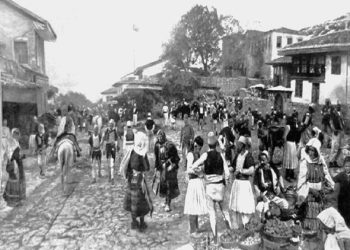
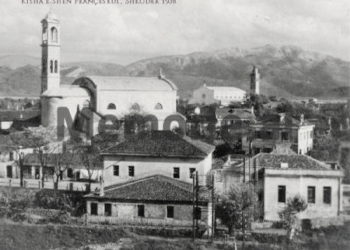
Spontaneously, I had a hazy image of him. This occasion was needed for me to sit down with his book of memoirs, published in 2010, to clarify who the patriot Ismail Strazimiri was – or, better said, the noble patriot Ismail Strazimiri. Before speaking about him, I must say a few words about the region of Dibër that produced this noble man. As an echo from the Ottoman centuries, the saying about Dibër has come down to us, having almost the value of a proverb: “If Istanbul were destroyed, Dibër could rebuild it, but if Dibër were destroyed, Istanbul could not rebuild it.” In the past the town of Dibër was much larger than it is today and with a very high economic, commercial, cultural and political development. It was a great centre not only within the framework of Albanian lands but also in the Balkans and within the Ottoman Empire. Dibër was also famous for the great master builders who worked throughout the empire and beyond.
There were so many of them that they could rebuild from scratch the capital of the Ottoman Empire, if it were destroyed. But the opposite could never happen. So great was the importance of Great Dibër in the Ottoman period. Dibër also has another dimension that no other region has had in the wars for freedom and independence. Dibër has fought and given its contribution and paid a blood tribute for the liberation of all Albanian regions. It fought for Niš, for Thessaloniki, for Thessaly, for Ioannina, for Skopje, Kosovo, for Podgorica and Shkodra, as well as for the Sanjak of Novi Pazar. Ismail Strazimiri himself highlights in his memoirs the extraordinary contribution of the Dibran people for the entire Albanian nation.
It was Iljaz Pashë Dibra who, together with Halit Frashëri and his son Abdyl, fought with Albanian volunteer forces also for Thessaloniki, for Thessaly and for Chameria. Graves of Dibran people are found in all regions of Albania, but graves of others for the liberation of Dibër in its own region, you do not find. The cult of weapons that was kindled and developed in children from an early age was not an expression of an instinct for war, but part of the education and ethnic consciousness to defend the homeland, life and liberty. Noting the heroism of the Dibran people in combat, the French representative in Ioannina wrote on 14 December 1844: “They fought hand to hand and with such determination that even women and children stood alongside the fighters.”
Here is what an old Dibran song says about the events of 1877–1878 entitled “The Battle of Niš”:
“Dervejsh Pasha where has he stayed?
In Monastir, in the vilayet
He mounted the train for Mitrovica,
Half the army stayed in Niš,
Dervejsh Pasha opened the register,
Seven detachments he found of soldiers,
One detachment that were Dibran,
They bit steel with their teeth,
They had rifles from Tetovo,
The brave lads of Gjakova,
They charged, they mounted upon cannons.
On those hills, in those hollows,
On those hills, in those narrows,
They fired a shot, for Dibra had come.”
This was the Dibër that produced men like Ismail Strazimiri. The very patriots in question were concerned about the contribution made by Dibër to our national movement. In fact, he begins his own memoirs with the contribution of Dibër and the Dibran people to the Renaissance.
“As fruit of that service that I desired but was not able to give to the Homeland and the Nation as much as I wished, I leave this work, in which I have proved that the Dibran people have served the Albanian cause for a long time, cooperating with those who laid the foundations of our independence. It is known that nearly sixty‑seven years ago, the Great Powers, according to the decisions of the Treaty of Berlin, had partitioned the Albanian lands among the Balkan states. At that time in Dibër, preliminary discussions were first held and the fundamental decisions of the League of Prizren were taken; of that famous congress that made the Great Powers think and forced them to change the decisions they had earlier made for the dismemberment of Albania of Rumelia.
Abdyl Frashëri himself wrote to Iljaz Pashë Dibra, saying that the decisions taken in Dibër were received with great joy and satisfaction by the leadership of the South; but Mustafa Pashë Vlora, the delegates of Preveza, of Gjirokastër and other regions declared that they could not go to Istanbul unless Iljaz Pasha also went. Therefore he asked that he too should set off and go to Istanbul.”
To speak in a paper about the figure of Ismail Strazimiri, after having become acquainted with his memoirs, makes you feel as if you are wearing a suit that is far too tight. We will try to speak briefly, very briefly, about three moments that bring to light the distinguished figure of this great thinker and activist, for our National Renaissance, for the proclamation, preservation and consolidation of Independence and the strengthening of the new Albanian state, as well as for the National Liberation War. First: His noble origins and his place in the Albanian Renaissance, also looking at his incorporation into the progressive movements on an imperial scale.
Second: The proclamation of independence and his relations with figures such as Ismail Qemali, the delegates of Dibër, Ohrid and of some other region with Dibran origin, like Nikoll Kaçorri or non‑Dibran, like Hajdar Blloshmi from Starova in Pogradec, etc.
Third: His contribution at the head of the Dibran people, be it in the uprisings of 1910, 1912, 1913, during the Balkan Wars, in 1915, when the Serbian army passed through Albanian territory defeated by the Austro‑Hungarians, in the Dibran insurgent movements of 1920 and 1922 that led to the expulsion of the Serbian occupiers from Dibër (territories that were incorporated into the Albanian state, Little Dibër), as well as his extraordinary contribution to preserving the integrity of the lands of Albania, together with his inseparable friend, Elez Isufi. Ismail Strazimiri would not remove his rifle from his shoulder, as a faithful guardian of his homeland, until he fell with arms in hand for freedom in 1943, nearly seventy years ago from the day we are speaking today. He was the man who loved Albania very much, loved her to the point of pain and did not manage “to see her as a lady”, like so many other idealists.
Let us take them in order. From the materials presented in the book Ismail Strazimiri – Historical Memoirs – The Struggle against the Dismemberment of Albania, (Tirana 2010, “Naim” Publishing House), it appears that Ismail and his ancestors, the Strazimir family, had their roots in the medieval Albanian princely dynasty of the Balsha. Their surname is linked to the name of the eldest son of the Albanian prince, Balsha I – Strazimir, or as it is said in one place, it is linked to the name of a Skanderbeg general, Pjetër Strazimiri, who descended from the Balsha. With the son of Balsha I, Strazimir, the Balsha principality, as Fan Noli informs us, reached the peak of its borders and their domains. I emphasize this point of their origin because it is easily overlooked. The Albanian nobles, the great families, were those who made Albania, having the people alongside them who followed them and respected them through the centuries. Iljaz Pashë Dibra (Çoku) is from the Gropa princely dynasty.
At the head of the League of Prizren, its chairman was a scion of this noble dynasty, with one word of who up to 15,000 men would rise. Or let us take who was at the head of Albanian Independence, Ismail Qemali, and a scion of the Arianiti princes who had converted to Islam. So in the League of Prizren, at the head we have a Gropa; in Independence, at the head we have an Arianita. Ismail Strazimiri was a wise man, a descendant of the Balsha, and it is no coincidence, neither in his personality nor in the role he played with his mind and his activity. He was the “brain” of the national movement in the region of Dibër, as he also served as sub‑prefect for Dibër after the proclamation of Independence, as well as during the Austro‑Bulgarian occupation, which in the face of Serbian occupation and barbarism was experienced as a kind of “liberation” in the harsh years of the First World War.
You must have had “nobility” in your blood, “instinct” to defend the interests of the Homeland, to navigate the “imbroglio” created by the First World War, as Ismail Strazimiri oriented himself. The noble had nobles at his side. It is no coincidence that he speaks with respect of Iljaz Pashë Dibra, or that he cooperated with his descendants, such as Shyqyri Dibra (Çoku), Ramiz Dibra (Çoku), Irfan Ohri (Çoku) and also Hamdi Ohri (Çoku), about whom he writes explicitly in his memoirs: “Iljaz Pasha is the grandfather of Hamdi Bej Ohri; this second one, who suffered and was vilified in the prisons of Anatolia because he sought Albania and was accused of political treason by some so‑called loyalists of the government, against whom the fist of justice fell.” With Hamdi Bej Ohri they lived for two decades and more in Tirana and knew each other very well.
And with the other noble family of Elez Isufi, Ismail Strazimiri formed an inseparable pair throughout his life. This family too had deep roots going back to the middle Ages. Its surname Ndreu recalls the name of a saint. Personally, I knew Mentor Çoku, the son of Hamdi Ohri, and had a very close friendship with him; with Remzi Ndreu, the son of Isuf Elezi, who came from faraway Australia, I cooperated when he was publishing the newspaper Patrioti in Tirana in the early 1990s. As for the Strazimir ancestors, I have not had the chance to know them personally. (I hope to get to know them, as I met, for example, one of them, Xhetan Strazimiri.) So from this perspective, it appears that Ismail Strazimiri (Balsha) cooperated, both in the Renaissance and in Independence, with Hamdi Ohri (Gropa) and with the nobles Elez Isufi, Suf Xhelili and their descendants, whom the communist regime tried to erase from the face of the earth.
But a noble, no matter how much mud you throw on him, remains a noble. Gold, even if immersed in mud, remains gold…! Ismail Strazimiri took part in the progressive movements that occurred in the Empire, such as the “Union and Progress” (İttihat ve Terakki) movement. At the head of these movements were also the elder Ismail Qemali and the other Dibran, the philosopher famous in the Empire, Riza Tefiku. This movement aimed at progressive bourgeois reforms. In its branches for Great Dibër, Ismail Strazimiri also became a member, but always seeing them in function of the Albanian movement. In this movement, the founder and actual leader was Ibrahim Temo from Struga, and his inseparable companion Ibrahim Naxhiu (Dervish Hima) from Ohrid.
Another participant after the proclamation of the Ottoman constitution in 1908, the “Hürriyet”, was Strazimiri’s friend Hasan Basri Beg Dukagjini, who, although not a Dibran, worked in Dibër as director of the post office in the *sheher*. When the Young Turks broke their promises made to the peoples of the empire, including the Albanians, in 1911 under the leadership of Ismail Qemali they created the new party “Hürriyet ve İtilaf” (Freedom and Accord), which aimed at decentralising the empire. Here too Ismail Strazimiri took part, alongside Riza Tefik Dibrani, Hasan Basriu, etc. When even this party deviated from the course of the Albanian national movement, Ismail Strazimiri, with his keen political nose, turned his back on it. As another link between him and Ismail Qemali, I will mention Said Islam Najdeni (Hoxhë Voka). / Memorie.al