


Dashnor Kaloçi
Part Three
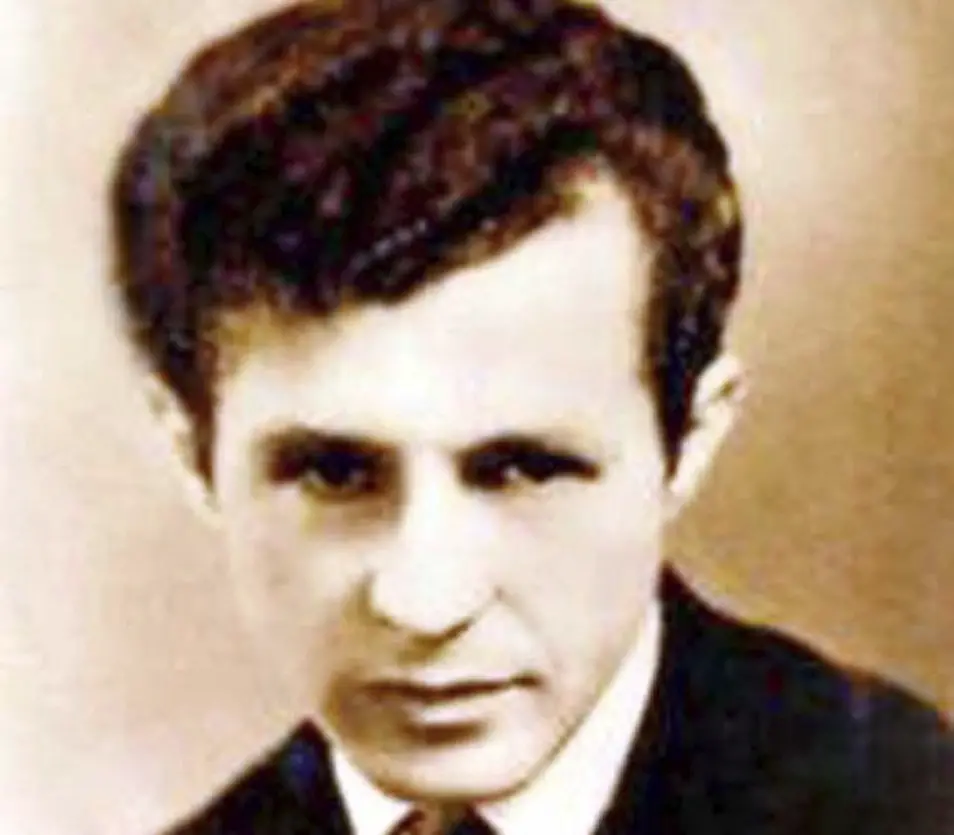
Memorie.al publishes the unknown history of Kaso Hoxha, originally from the village of Markat in Saranda, who after suffering ten full years of political imprisonment in the terrifying Spaç camp – because of several poems with content against Enver Hoxha’s communist regime that the State Security had found in his home in 1974 – managed to escape from Albania upon his release in 1985, first going to Greece where he obtained political asylum to the USA. What is written in Kaso Hoxha’s diary about his arrival in the USA and his meeting with relatives who had worked and lived for years in Chicago, and why his cousin, Selfo Hoxha – who was also the brother-in-law of Bilal Xhaferri – told him: “Kaso, I sacrificed my family, I abandoned them to save Bilal. Bilal is a load of crap. He has gotten all of us into big trouble; we live in great fear. So listen here, brother: 1. Give up publishing any material of an anti-communist, anti-Enver Hoxha character! 2. Do not speak in public places about life in Albania. 3. Stay away from Bilal Xhaferri!”?
Continued from the previous issue
Kaso Hoxha’s diary; the American ambassador in Athens immediately provided me with a visa after I told him that I was endangered by Tirana’s agents, and how I found my fellow villagers from Markat in Chicago divided by an agent from Tirana, “K. A.”?!
The American Embassy in Athens
The office of a Catholic charitable society in Athens that helped refugees with emigration informed me to appear for an interview at the American Embassy on 20 October 1985 at 10:00 in the morning. I waited this day impatiently, as it would decide my fate.
The American Embassy was not far from the monastery where I had taken shelter. I arrived early in the morning at the embassy gate. A crowd of more than 100 people were waiting for the Iron Gate to open at 9:00. The police officer guarding the embassy announced from time to time that one was not allowed to have a bag or prohibited items – this was mostly to avoid any terrorist incident. America was hated in Greece and in Islamic countries. Islamic terrorists had carried out many acts of terror against American interests; the terrorist act in Beirut where more than 200 American marines died was the reason why people here were subjected to a thorough search.
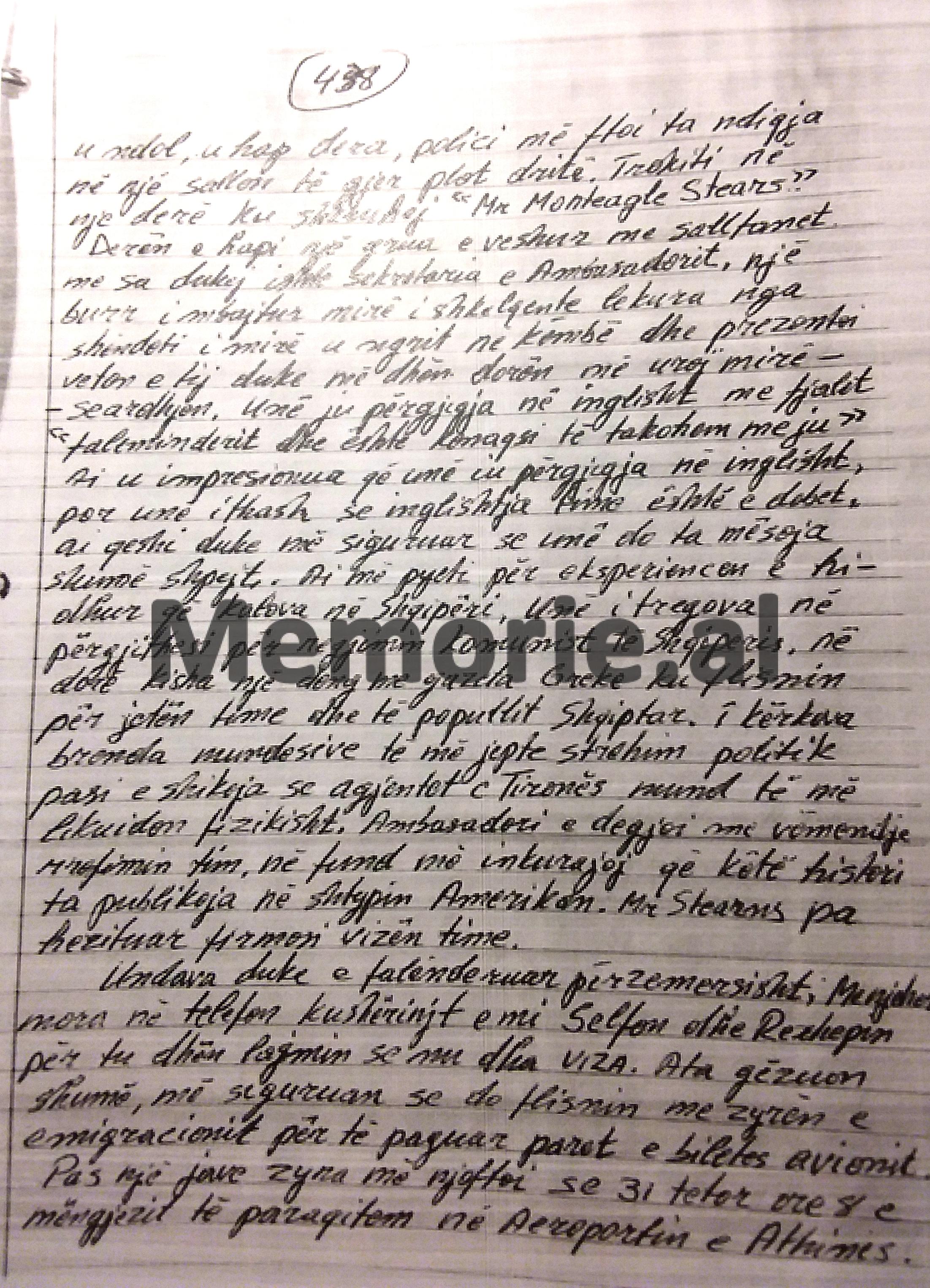
I went in and presented myself with the admission letter at the information office counter. The employee, after reading the letter, told me to wait until my name was called. I sat on a chair in the large waiting hall. Inside, this building that represented America was shining; everything looked so perfect: the style and architecture, the decoration with a luxury that I was seeing for the first time in my life. My name was called. A police officer waited at the door to escort me. He told me in Greek to enter an elevator. Shortly after, the elevator stopped, the door opened, and the police officer invited me to follow him into a spacious, brightly lit hall. He knocked on a door marked “Mr. Monteagle Stears”. The door was opened by a woman dressed in a suit; she appeared to be the Ambassador’s secretary. A well‑kept man, his skin glowing with good health, stood up, introduced himself, shook my hand, and welcomed me.
I responded in English with the words: “Thank you and it is a pleasure to meet you.” He was impressed that I answered in English, but I told him that my English was weak. He laughed, reassuring me that I would learn very quickly. He asked me about the bitter experience I had gone through in Albania. I told him in general about the communist regime of Albania; in my hand I had a bundle of Greek newspapers that spoke about my life and that of the Albanian people. I asked him, if possible, to grant me political asylum, as I saw that Tirana’s agents could liquidate me physically. The Ambassador listened attentively to my account; at the end, he encouraged me to publish this story in the American press. Mr. Stearns, without hesitation, signed my visa.
I parted, thanking him cordially. I immediately called my relatives Selfo and Rexhep to give them the news that I had obtained the visa. They were very happy and assured me that they would speak with the Immigration Office to pay for the plane ticket. After a week, the office informed me to appear at Athens Airport on 31 October at 8:00 in the morning.
I immediately went to Janina and Thesprotia to bid farewell to my friends who had made it possible for me to live to see these good days in my life full of suffering. They were moved and at the same time happy that I was leaving far away. I promised them that I would return, and that I could not easily forget those people dressed in black who had brought me back to life.
I returned to Athens two days before leaving for America. At 7:00 in the morning I presented myself at Athens Airport. Employees of the immigration office gave me the travel ticket. The Olympic Boeing 747 went directly to New York; from there I would take another plane to Chicago.
At 10:00 the door opened; a large bus waited outside. After it filled with people, it took us to the plane. I could not believe myself; was I dreaming? I thought. More than 350 passengers filled this giant plane, while I wondered how a whole mountain could rise into the clouds. The pilot made an introduction and wished us a good journey in Greek and English. The service personnel – two beautiful girls – demonstrated what to do in case of emergency. My seat was by the window. The engines started; the whole plane vibrated with a deafening noise. The pilot announced to fasten seatbelts for takeoff. The plane took off; my ears hurt. I noticed through my window below the big city growing white under my feet; then everything disappeared behind the white curtain of clouds.
Again I thought: I, Kaso, who had been buried 2,000 metres deep in the earth, was now 10,000 metres high in the sky.
Unbelievable – “Glory to God!”
We were served lunch and dinner; the sun did not move from its place, even though many hours had passed. Time went by quickly; on a large screen various feature films were shown. After 10 hours of travel, the pilot announced to prepare for landing. The plane descended slowly; I gazed at the nature of the American continent. I was impressed by the vast greenery, the roads and buildings in perfect symmetry; the weather was clear. The plane landed on the runway, made a few turns and stopped at the terminal gate.
I had to change planes for Chicago, but first we would go through the passport control. I had no idea what time it was in America; the watch on my hand showed 8:00 in the evening in Greece. The plane for Chicago departed at 3:00 in the afternoon; I had to go to another gate. I asked a Polish emigrant, who was also going to Chicago, what time it was in America. He looked at a large screen hanging on the wall and told me it was noon, 12:00. I calmed down; I had time to find the terminal for Chicago.
The immigration officers stamped my passport with the visa and let me through. It took me some time to find the terminal from which I would depart. Upon arrival, boarding soon began. This plane was much smaller. There was only one corridor in the middle; again my seat was by the window – I liked that, I wanted to see.
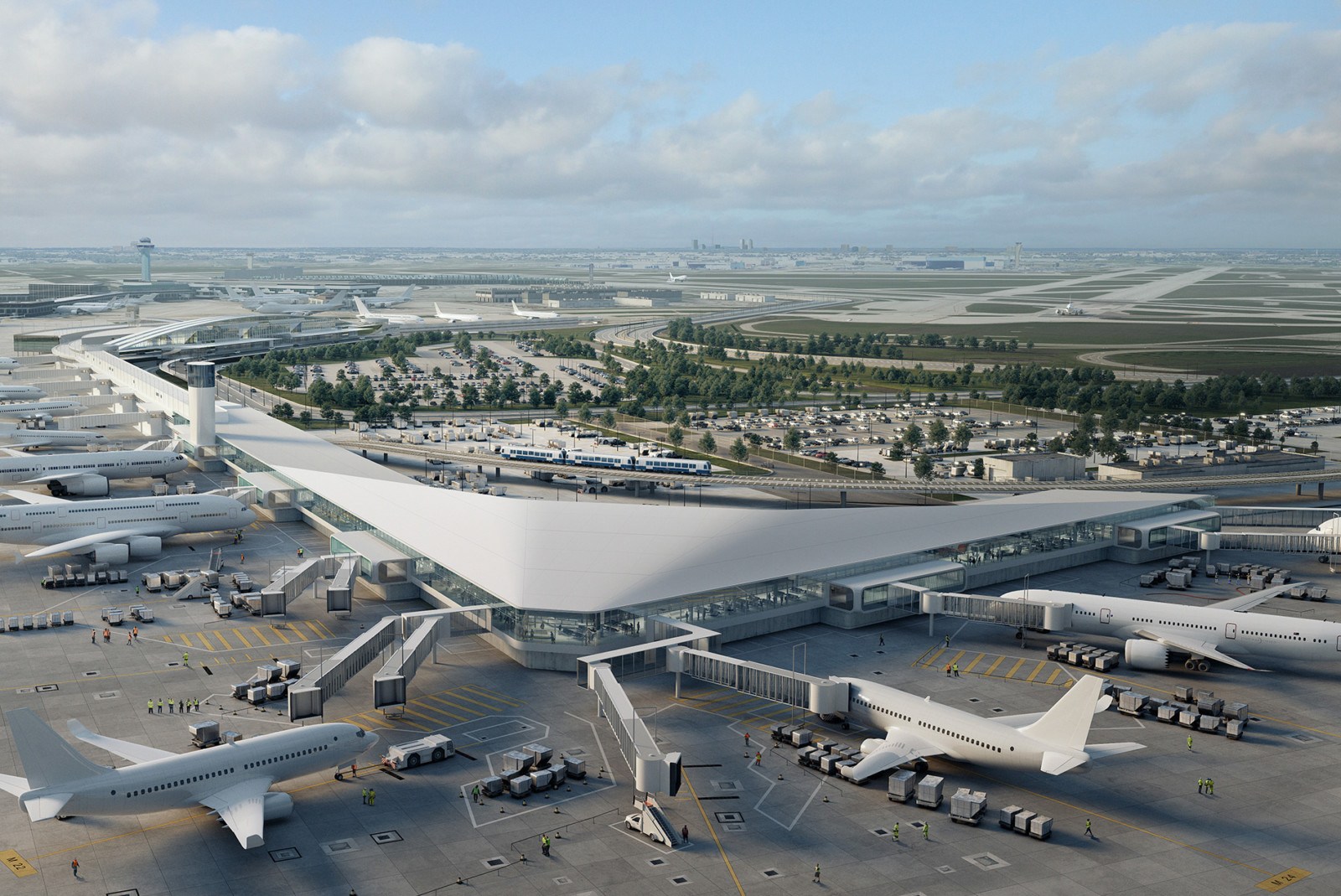
After two hours the plane arrived at O’Hare Airport in Chicago. I did not know that Rexhep and Selfo were waiting for me. I followed the crowd of people hurrying to get out. I was completely lost; I did not know how the public telephones placed in every corner worked.
A boy, I think about 18 years old, stood in the corner of the corridor carefully watching the newly arrived passengers. I do not know how to explain it, but something prompted this boy to ask me in Albanian:
– “Excuse me, are you Kaso?” said the boy, whom I did not recognise, and he blushed, thinking he might be wrong. I stopped:
– “Yes, I am. Who are you?” I extended my hand to greet him; I thought maybe he was an employee of the charitable organisation. The boy threw his arms around my neck; he kissed me with such longing:
– “I am Isuf, the son of Zeqo Kola, your uncle,” he answered, moved.
– “Welcome!”
– “I asked permission from security to come as close as possible. I knew you would have a hard time getting out,” Isuf continued, and took a small bag from my hand to help me. I asked him about my uncle and all the relatives: how were their health? Isuf answered my questions briefly in such a fluent Albanian that I liked it very much.
– “Selfo and Rexhep have come too; they are waiting at the main entrance,” Isuf added.
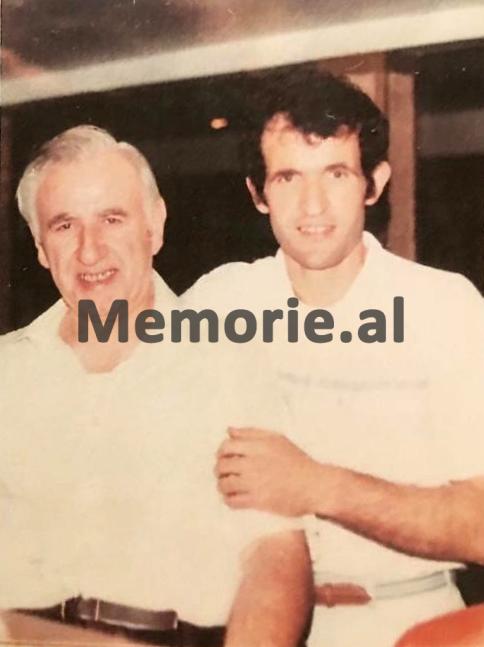
As we were leaving the terminal, in the large hall where many people were waiting for their relatives, I recognised Selfo even though more than 15 years had passed. Beside him stood another man with a moustache, greying hair, half bald.
Extremely emotional moments.
– “Welcome, cousin!” they both greeted me in one voice. We embraced amid joy and tears, tears of longing.
Isuf left, telling me that he would come another day to take me to meet my uncle and the other family members.
I got into Rexhep’s Mercedes, and after 20 minutes we arrived at his house in the north of Chicago.
Many relatives were waiting for my arrival; I did not know them.
Difua, Rexhep’s wife, had prepared dinner; a large table set with all kinds of delicacies. Rexhep invited all the guests to sit down to toast for me, who had come out alive into the free world after all those unimaginable sufferings.
I recounted the whole story of the village of Markat – they wanted to hear how those who died had died and how those who lived were living.
It must have been 2 or 3 in the morning of the next day. I was tired from the long journey; the guests who had come to welcome me could not get enough of hearing what was happening in Albania.
The next day I woke up late; I had fallen into a deep sleep. Sejfullai came and picked me up in his old brown Cadillac, a large and heavy car. He took me to the apartment where he lived – a small apartment with one bedroom. Selfo showed me the bed he had prepared for me, placed in the corner of the living room. He advised me not to stay with Rexhep for a long time because he had a large family: two unmarried sons and two daughters still in school.
– “Yes, brother, that’s reasonable. I’ll stay with you until I find a job,” I told Selfo. Now that we were alone together, I asked him about Bilal: how were things, what was the social situation of the villagers and of the other Albanian emigrants? Because according to “K. A.”, an agent from Tirana who – as we said above – had been in America for a long time on a specific mission to sow division within the Çamëria League organisation, had told me that the people from Markat lived in quarrels and hatred toward one another.
– “First, listen to your brother’s advice,” Selfo began.
– “I have had a very bitter experience here in exile. I sacrificed my family; I abandoned them to save Bilal. Bilal is a load of crap. He has gotten all of us into big trouble; we live in great fear. So listen here, brother:
- Give up publishing any material of an anti-communist, anti-Enver Hoxha character!
- Do not speak in public places about life in Albania!
- Stay away from Bilal Xhaferri! …
- In short, give up politics!
A man came to me from Tirana; he found me here in the park where I sold soft drinks. Please, do not talk about these things we are discussing with anyone else, not even with Rexhep. Rexhep is a scatterbrain who repeats everything to Muço Manara. Listen, brother: I want to tell you that this man said to me:
– ‘Selfo, we have your family in our hands. If you continue this hostile activity against the Albanian government, we will put your three sons in prison. You have only two choices: either Bilal or your family!’ …
Thus, as I understood, Selfo abandoned Bilal for the sake of his family; perhaps indirectly he served Tirana’s agents. Selfo confessed to me all that had happened over the years in exile. I was very disillusioned by Selfo’s stance. Such people I had left behind in Albania. After carefully examining the situation and the environment around me, I concluded that Selfo and his friends might sell me out just as they had sold out Bilal; I knew this from Kipe Avdiu’s accounts.
I had been living in Chicago for almost a week and I had not heard from Bilal – a man I greatly admired, both for his past and even now, when some “patriots” like Selfo sought to throw mud on his name. /Memorie.al