By Beqir SINA
Part Two
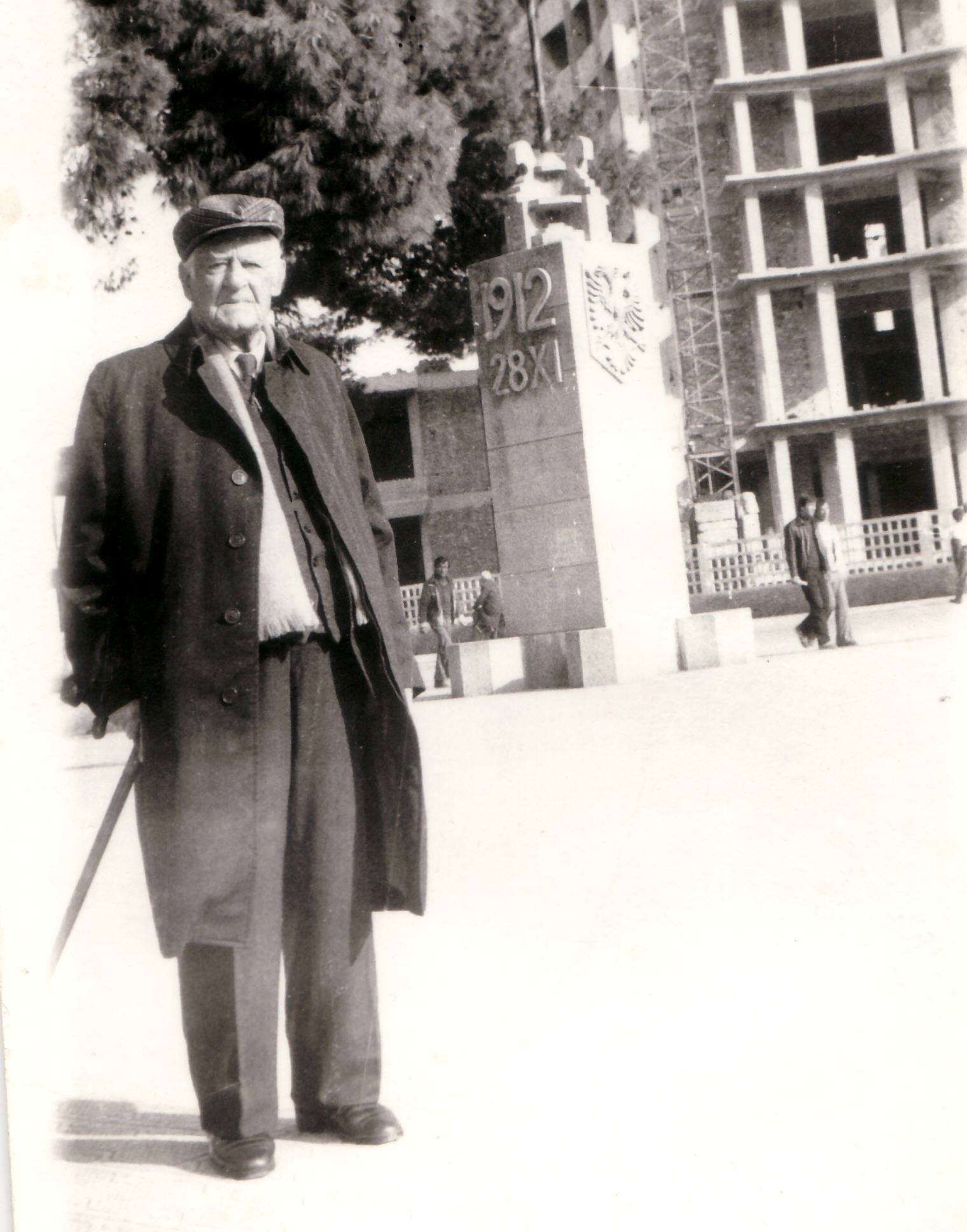
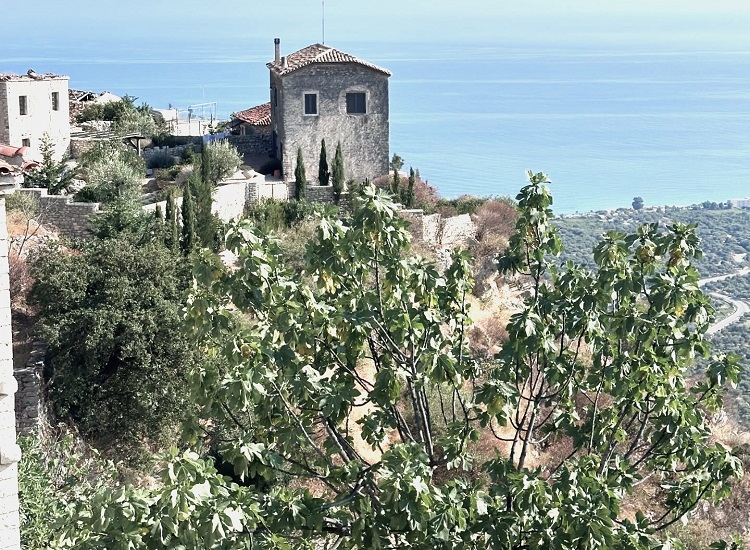
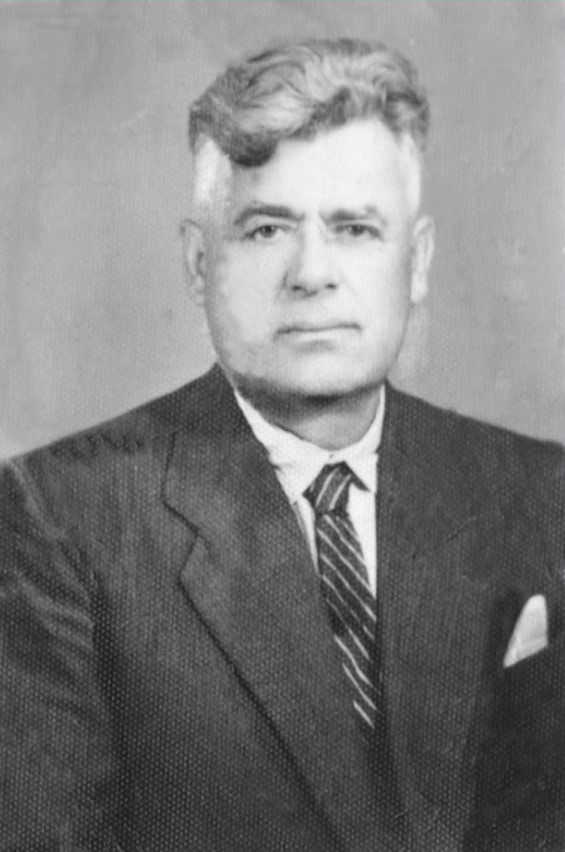
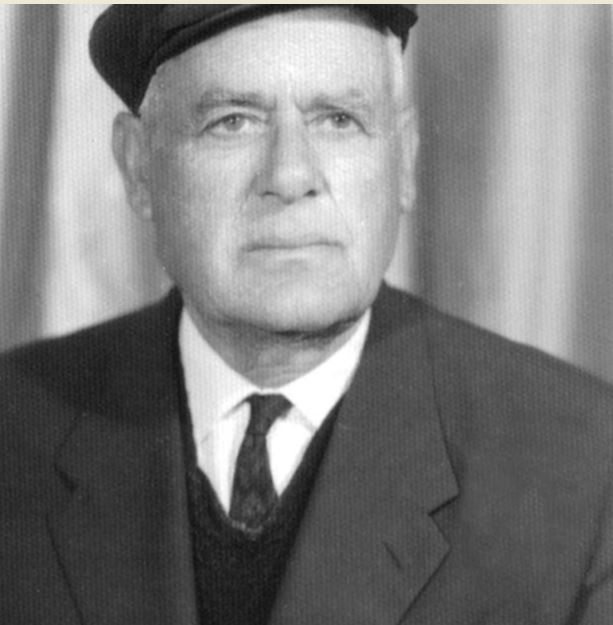
Memorie.al / Virginia (USA). It is a great and special honor to speak about a personality of education, culture, and patriotism, such as the “Teacher of the People,” Janko Ll. Pali. It is our honor, but also our duty, to respect to the highest degree this Albanian who has done so much for national culture, education, and patriotism. Janko Ll. Pali was and remains forever a complete figure of national proportions in this part of the Albanian pearl, the Ionian Coast. Janko Ll. Pali, a beloved and well-known name of the Ionian Coast, belongs to the honored pleiad of prominent figures in Albanian culture, politics, and patriotism for the entire period he lived! Surprisingly, after becoming acquainted with his work, the question arises: Why was Janko Ll. Pali also placed behind a wall of silence?!
Continued from the previous issue
At the same time, the freedom to travel now presented good chances for the realization of his desires. Thus, Janko Pali was encouraged to leave, setting off for Patras and arriving in Kryoneri of Missolonghi. There, using several military vehicles, he reached Agrinio, where he found other “greatly burdened” Albanians (as he expressed it) – those returning from internment or who knows where? These people, especially the Chams, were part of that great exodus carried out by the Greeks during the war against the allogeneic population of their country, which “suffered the blackness of the olive” (his notes).
On May 30, 1941, Janko Pali went to a hotel restaurant and dined with Pano Qesari, so that the latter might intervene with a friend to send him to Delvina, then to Saranda, eventually arriving in Vlora. This is the most culminating moment of his life, recorded in his manuscripts, where it is written: “Deeply moved at last, I would finally find the spiritual peace that had been missing during my absence; I came home happy to find everyone well, although, due to the war, they had spent the winter in caves and outside their dwellings. I found the house in poor condition because bombings in the neighborhood had turned the roof into a sieve!”
On December 1, 1944, another son, Petraq, was born, named by his cousin Filip in memory of his brother Petro. His return to the village after internment in June 1941 made him long to stay in Albania in peace. He approached everyone with a neutral stance as an official, only regarding the authorities and the organs of law and order.
He immediately began practicing his profession as a teacher in Himara-village until June 1942 and April 1943. This lasted until an Italian punitive convoy of nearly 1,000 soldiers arrived in Himara and arrested him at the school, along with four other colleagues: Mali, Deda, Kapetani, and K. Gjini.
The Period from Liberation to Retirement (1944–1964)
In the notes he left regarding this period, it is stated, among other things: “Finally, the war ended; with it, the Rome-Berlin-Tokyo axis lost, with Japan being the last to surrender after tasting on its back the terrible explosion of the first atomic bomb – an invention that honors the human mind, but used for destructive purposes, it shook the world with the super-colossal damage it was capable of causing (the bomb)!”
Our country was liberated in November 1944 and lay in ruins. The government established during the Anti-Fascist War faced great and complex problems – issues that at the time required the attention of all sectors of social, economic, and cultural life.
However, one of the most important problems was that of education and schools, as they were the most destroyed by the war. Under these conditions, the government of the time gathered in the city of Korça for a convention called the Education Congress. Among the participants was the teacher Janko Ll. Pali.
The year 1944 found Janko Pali as a teacher in Vlora; later, he served as a teacher in Fratar of Mallakastra until he was appointed to Piqeras in Saranda. In the months of October–December 1944, he returned to Vlora again, and after fulfilling all the requirements of the time, he was accepted as a pedagogue within the educational framework of Vlora. He worked as a teacher in Selenica from February to June 1945, before being assigned to the schools of the village of Vuno, alongside I. M. from Himara and N. K. from Vuno.
During this period, he suffered the greatest spiritual blow of his life. On August 18, his mother died after a brief illness of old age at 83. He suffered intense grief, as he often mentioned in his memoirs: “The poor soul left, she left with all her faculties intact; I had known her as both father and mother, for I was an orphan… without a father!”
In 1946, with the announcement of the new cadre, he was appointed as a teacher in the village of Kudhës. On December 6, he left Kudhës and returned to Qeparo. His appointment came as Didactic Director at the Executive Committee in Vlora. He served there as an Education Inspector in the Mallakastra zone, in Labëria (excluding the Kuç zone), continuing in Myzeqe, and finally in Himara.
The Period from Retirement until He Closed His Eyes…!
In January 1951, after three requests made during 1950, he was appointed to lead the “Skela” school in the city of Vlora. At his own insistent request, as he admitted, he was sent to lead the 7-year school in Spile, Himara, where he served as director for nearly two months. He was immediately transferred (with the construction of schools in Qeparo), being appointed as the head of the village school after an absence of more than seven years (1943–1950).
He served there as the director of the 7-year school until 1956. Due to some issues arising along the educational path, in March 1956, he took measures so that by September 1956, with the opening of the new school year, he was demoted from school director to a simple teacher. As facts show, he had been in its leadership since 1935 – the year when, after successfully passing his exams at the “Normalja” of Elbasan, he worked continuously as a headteacher.
In conclusion, we learn that the patriot teacher Janko Ll. Pali, after serving as a teacher and pedagogue until September 1964, was notified that his turn had come and time had passed, as he was 67 years old. Despite being in good health and capable, he had to submit the request himself for the undesirable separation from his passion and life – Education – to retire.
Thus ended a glorious career filled with memories – an unforgettable journey as an educator of the most precious generation for over 36 years, where he worked with great zeal and desire to produce students capable for themselves, their families, their country, the struggle of life, and true patriots!!!
What writers, teachers, poets, critics, politicians, analysts, and fellow villagers have said about Janko Ll. Pali
His fellow villager, Vasil Qesari (writer, journalist, publicist, critic), remembering the figure of this erudite, said among other things: “The image of the teacher of many generations, Janko Pali, appeared before me – the distinguished Esperantist and brilliant master of this language, which still has its admirers and practitioners in the world.”
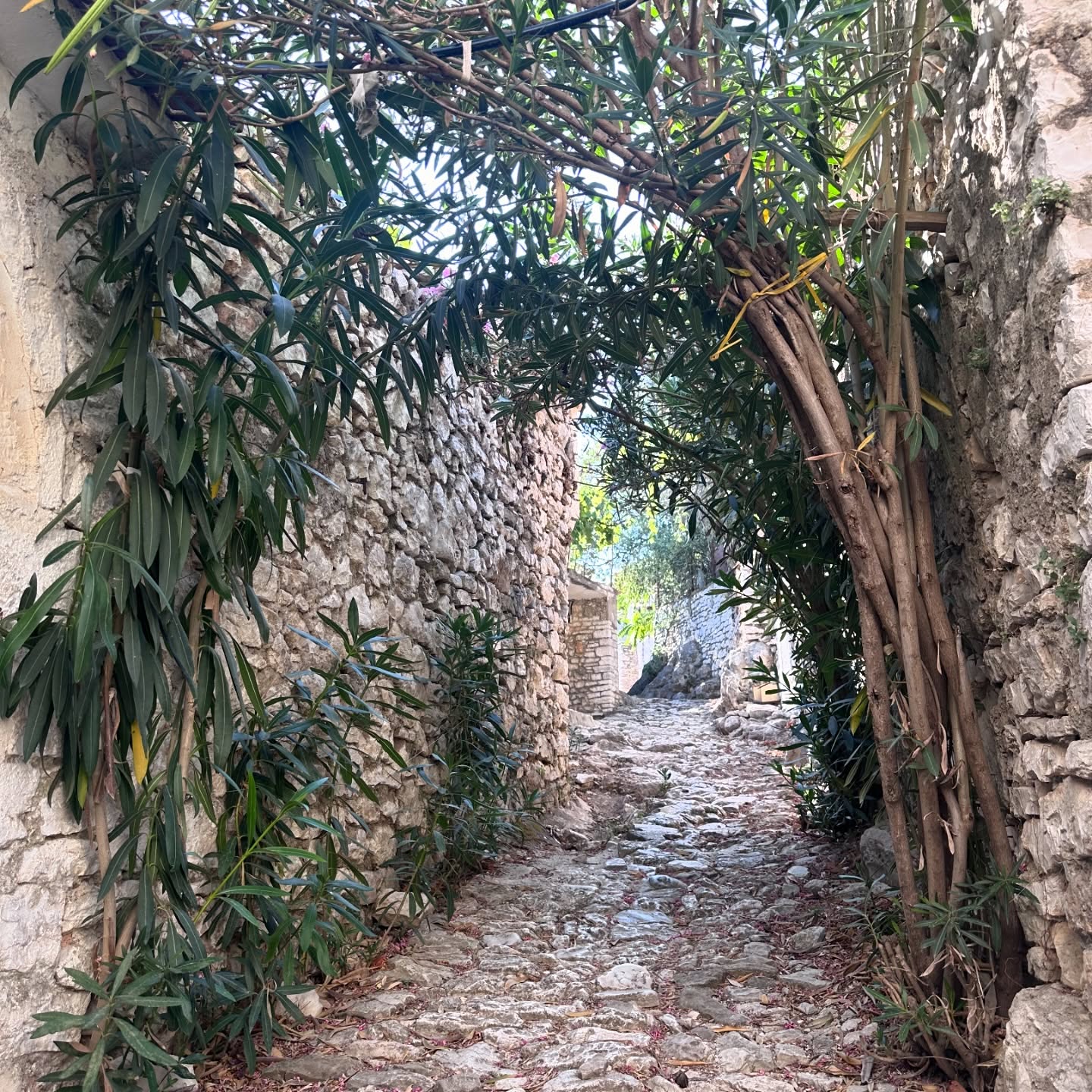
His former student, Eng. Sillo Mucko (Canada): “My first teacher, Janko Pali, remains forever a monument of culture and knowledge. For nearly half a century, he fought and eradicated ignorance throughout our region and country. He was versatile: teacher, educator, pedagogue, musician, versifier, dancer, singer, and above all, a human being. He will be remembered as a model and a complete nobleman; even the stones of the alleys loved him! His work will serve generations to know history.”
Vitore Leka Stefa (Poet, Italy): “Janko Ll. Pali is not simply a man of one family, or of Qeparo, or a region, but belongs to all of Albania. This great man, this tireless and careful teacher for entire generations whom he led toward the path of knowledge, opening unseen horizons, speaks to us today with a rich language and a great heart.”
Poet Nirvana Pistulli: “How is it possible that all this work done by him was only recognized after the fall of the dictatorship?!? A colossal task – collecting folk poetry, all these translations, poems, things of great value for our country’s culture. I hope to see them published one day!!!”
Writer and poet Gjeto Turmalaj, a former prisoner of the dictatorship: “It is a great honor that our nation produced a poet and writer like Janko Pali. He lives in immortality through those wonderful poems and the valuable creativity he left behind as a polyglot in many directions. The great Ernest Koliqi, referring to Eliot, used to say: ‘No art is more national than poetry.’ Here I am reminded of that philosophical saying: ‘Men of letters are the princes of the nation!’ In my opinion, Janko Pali was a prince who emerged from the castle of Qeparo and is an honor to our Fatherland.”
Mr. Agim Bacelli: “Janko Ll. Pali, an enlightened man who honored not only his own family but also society, the nation, and Albanian knowledge and beyond. His wisdom radiates even after his departure to our dear and glorious Father.”
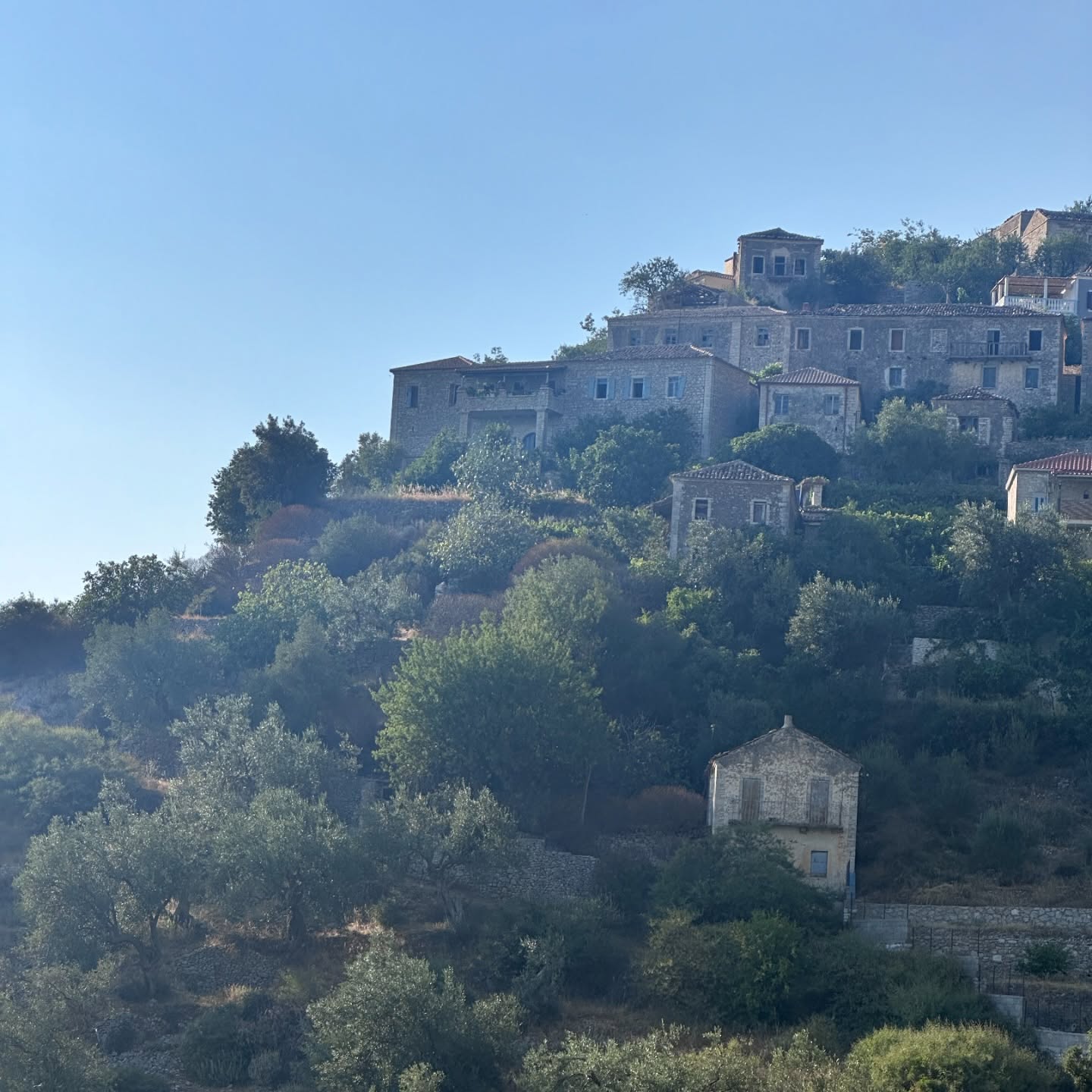
Ms. Diana Jovani: “Janko Pali, whose example will guide entire generations of teachers and people of knowledge for years to come and will be a guide for the younger generation as well. Qeparo and Himara are proud to have produced a man like him, proud and majestic like the Ionian Sea and indomitable in his great purpose in life.”
The distinguished poet and writer Zhuliana G. Jorganxhi: “I have read with great interest that vast universe of the ‘Merited Teacher’ Janko Pali and was amazed by that great erudite man. His work is a magnificent feat and must certainly see the light of publication, because it is valuable to all generations, at all times.”
Mr. Harilla Panajoti: “The portrait of Janko Pali of Qeparo would be unique. He generalizes…! He was a teacher with great pedagogical, social, and cultural experience; he was very energetic and sharp. Truly, Janko Pali was an intellectual phenomenon. Unyielding before difficulties, a great optimist and humanist.”
Luan Petoshati, Philadelphia: “Janko Ll. Pali was a typical Albanian intellectual teacher, a prominent intellectual of the coast, a portrait that generalizes.”
Kleanthi Z. Dede (writer): “To write about the life of a teacher, one undoubtedly feels the responsibility to reflect the life of an intellectual; but to write about the life of teacher Janko Pali, this responsibility is doubled, because both in terms of time and geography – not to mention his cognitive and cultural baggage – they reach the maximum limits, within which the life of an entire region is clearly visible, specifically a cultured region like the Ionian Coast.”
Ombudsman Dr. Jorgo Dhrami, his former student: “The personality of Janko Pali does not have the dimensions of a village or a region, but the dimensions of a man on a national scale and perhaps beyond…”!
S. Guraziu (Arnhem, NL): “The work of Janko Ll. Pali is undoubtedly glorious, noble, and I do not know if I am competent to declare it… also a ‘golden stone,’ exceptionally precious to the Albanian pedagogical tradition, with his work in Albanian letters, translations, teaching… and that entire progressive spirit of his worldview, educating his people, enlightening the minds of his long-suffering people.”
Currently, there are about 25–30 notebooks (books) available from his literary treasure, but they are thought to number in the hundreds.
Available Works:
- His treasury contains about 80,000 verses: poetry, lyrics, elegies, historical poems, etc.
- He wrote the Monograph of “Neço Muko,” his colleague and friend.
- He compiled a 45,000-word Albanian-French dictionary.
- He authored the methodology “How to Learn Esperanto” and established a course.
- History of Qeparo.
- History of the Qeparo School.
- Stories, histories, deeds, collections.
- Thousands of translations from every language:
- Translation “History of France” (French-Albanian).
- Translation “History of Napoleon” (French-Albanian).
- Translation “Aesop.”
- “Providence.”
- Entire notebooks from Esperanto.
- Folklore: “Collection of Historical-Patriotic Songs.”
- Folklore: Lyrical Songs.
- “Prominent Writers and Figures in Service of Albanian and Foreign Letters,” various authors.
- “Village Neighborhoods and Blood in the Village,” 18 cases of murders…!
- An encyclopedic man, self-taught, humble. Anecdotes, humor, jokes, 600 pieces collected.
- “Sayings from Prominent Figures of Nations” (research), Literature, etc.
- Texts for learning English, Esperanto, Spanish.
A great contribution and care toward preserving and conveying the work of Janko Ll. Pali is being played by his son, the poet and writer Petraq J. Pali. He has exposed it in all forums and is working on the realization of several books, with care, wisdom, and maturity – titles and fragments of his father’s creativity. Not only has this material being presented by the national newspaper “Bota sot” been utilized from the materials preserved by him, but through letters and telegrams, he also has dozens and dozens of greetings. From the creativity of Janko Ll. Pali, the following have been published to date: “Near the End, What Am I seeing” (poetic selection), “History of Qeparo,” and the “Monograph of Neço Muko.” The “History of the Qeparo School” is being prepared for publication – a treasure in itself! / Memorie.al