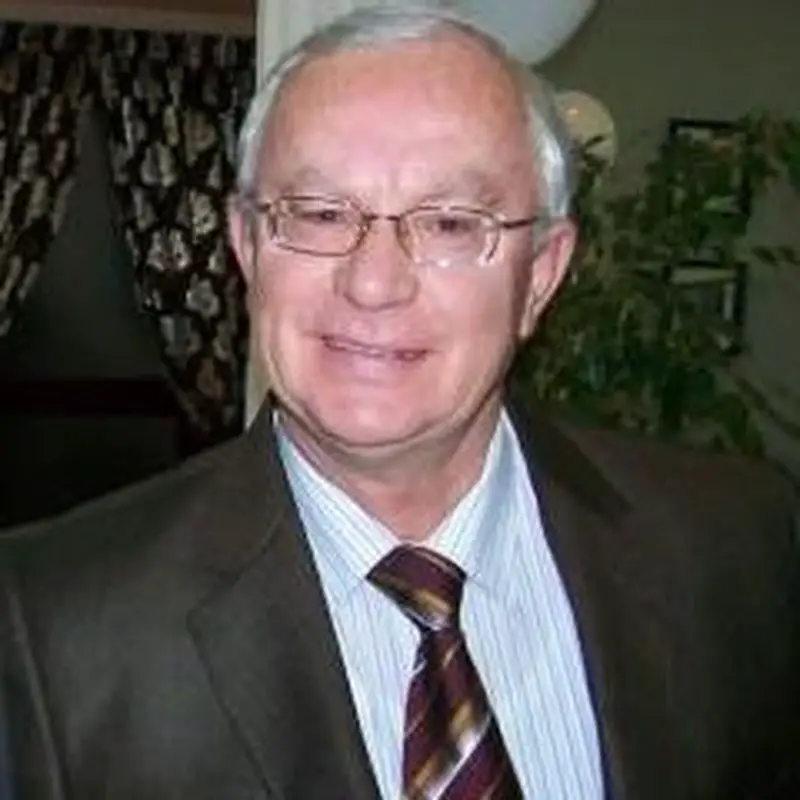
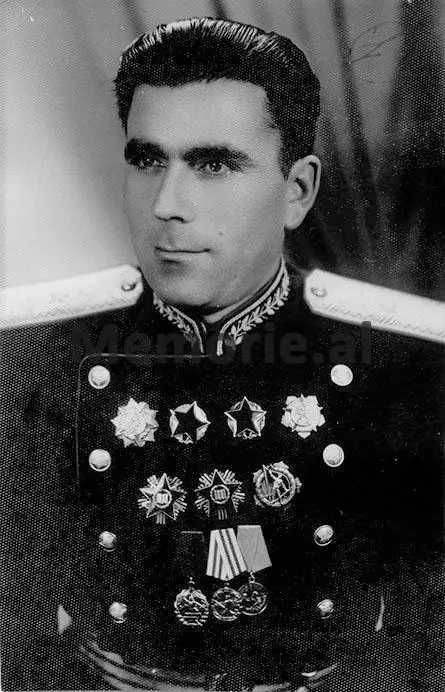
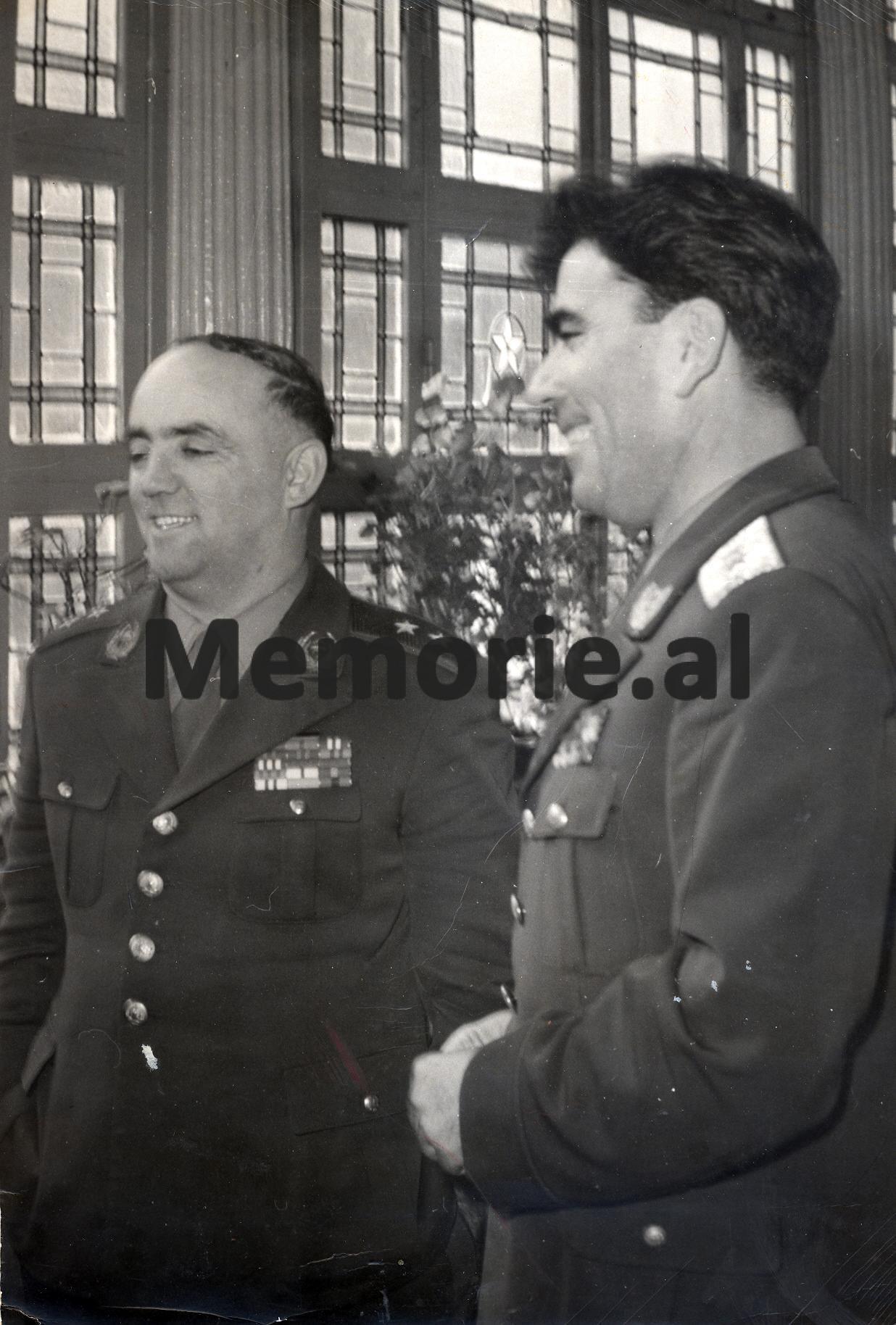
Memorie.al / My meetings with General Rrahman Parllaku were not frequent, but as the chairman of the United Organization of War Veterans, he was always respected, even more so when he learned that I was from Filat of Chameria and had written an article about the so-called “Teme Sejko Group.” Regarding this case, Parllaku knew how to speak sincerely, for these were the truths of a time lived by him. It is well known that truths always remain as such, no matter how much time passes. Especially when they are told by eyewitnesses who experienced them at the time they occurred. This suited Lieutenant General Rrahman Parllaku perfectly, who, after reaching 100 years of life, felt strong in memory, fair, and possessed a powerful logic in what he said.
Even though he has passed away, the truths he spoke are incontestable because, above all, he was a man of the highlands and a good patriot. The advanced age of the retired Lieutenant General Rrahman Parllaku did not prevent him from recalling historical events that had left a mark on the historical memory of Albanians and that determined the tragic fates of prominent personalities in the history of Albania.
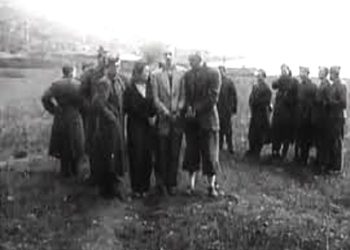
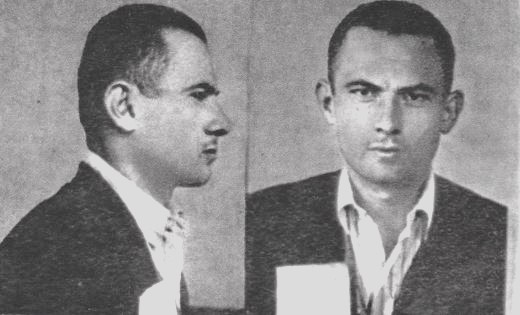
Finding himself in a moment of meditation and with a fantastic memory, the general – honored also by public opinion – “confessed” sincerely about moments that had left him not only with memories but also with great sorrows, such as the one that occurred on July 28, 1960, with the arrest of personalities from Chameria who held important positions, publicly known as Teme and Taho Sejko, or Tahir Demi, Avdul Resuli, etc.
General Parllaku recalled the experiences of those days with great authenticity when he stated: “Fate did not allow me to meet Teme during the National Liberation War, but I got to know him when he returned from his unfinished studies in the former Soviet Union, along with Mehmet Shehu, Tahir Kadare, and Abaz Fejzo, summoned by the Albanian government to lead and transform the army from a partisan army into a national army. Mehmet was appointed Chief of the General Staff, Tahiri his deputy; the two young men, Teme and Abazi, were chiefs of staff of divisions: Teme in Gjirokastra, Abazi in Korça.
They were these two young men, two former leaders of the National Liberation War, with high military training, two young men distinguished in war, but who were also shining in their academic studies. At that time, I was the director of Army Personnel. I became acquainted with Teme Sejko during that period.
Later, after I finished my higher military studies in the former Soviet Union, when I returned in 1951, I found Teme in the position of Chief of Intelligence. We became colleagues in the organs of the General Staff. This is where our inseparable friendship began, until the day of Teme’s arrest.”
THE MURDER OF ALI DEMI
Much has been said and continues to be said, but what these eyewitnesses have said are undeniable truths. Unfortunately, there is a kind of withdrawal and hesitation in pronouncements about this event, or there are tendencies to abuse it with statements and contradictions that are fabrications of the State Security (Sigurimi) and are brought to us in the form of truths that only the scions of this infamous Security knew how to weave. All of this was done solely to justify the fabrication of the charges. Furthermore, General Parllaku, who was also a victim of that criminal system, adds:
“My closest comrades in the war became the Chams, two distinguished fighters, Ali Demi and Ilmi Seiti, about whom I have written and spoken. I met Ali in August 1943 when he came to Vlora after escaping from prison through a tunnel that he himself had conceived and directed the work on, under the noses of the fascists. Initially, he came to the Regional Committee of the Communist Party of Vlora and, with Hysni Kapo’s transition into the ranks of the army; he became the political secretary of this regional communist body. His arrival in this position changed the style of leadership, ending the extremism and divisions left to us as a legacy by Dushan Mugosha and zealously implemented by previous leaders. His murder was a great loss.”
Even though in Vlora and Kanina they know well how Ali Demi was shot in the back by his escort, placed there by order of people from the Albanian Communist Party to take his place as political secretary, General Parllaku preferred to remain silent, looking me in the eye and saying: “You are a real ‘qerrata’ (rascal), Hyqmet, you track down the truths!” And he added further: “I have written at length about Ilmi Seiti, about his manly character, his extraordinary intelligence, and his humanistic stance, even in the sector where he worked.
We saw this best, Teme and I, when we organized his funeral ceremony, where almost the entire people of Shkodra participated, and we saw men and women with tears in their eyes. And they did this for a former State Security director. We all know what crimes the dictatorship committed in Shkodra, but the manhood, sincerity, and humanism of Ilmi Seiti were appreciated by the people of Shkodra. I do not want to fail to mention a Cham friend of mine, who was among the oldest men of the Brigade, the commissar Abdyl Resuli, who led the battalion in all battles, and the entire personnel respected him because he treated them not as a leader, but cared for them like a parent.”
And to the great misfortune, all these Cham men were “eaten by the betrayal” of the communist leadership of Enver Hoxha and his comrades, as he later did with these very “comrades” of the party until the brink of death, leaving only Ramiz Alia, of whom it is said he was the extended hand of the UDB [Yugoslav Secret Service] in Albania since the time of the Tivar massacre.
THE DOSSIER ON TEME SEJKO
With the conscience of an idealist and the heavy burden of experiences from the turbulent times of the dictatorship, the retired Lieutenant General deepened the level of his memories regarding Teme Sejko: “My acquaintance with Teme and our friendship continued not only during the time we worked together at the Ministry of Defense, but also when he was assigned the duty of Commander of the Naval Combat Fleet, as my duty as deputy minister for combat training made me have frequent contacts with him. I had always found understanding and felt satisfied with the work being done in the Fleet units, for the combat training and the acquisition of new technology with which the Fleet was being equipped.
But unfortunately, when Teme was at the height of his activity, when he was expressing his abilities and maturity in performing his high duty, he was struck by the dictatorship. And this was not an individual blow, but a blow against the group of Cham intellectuals. I was happy when Teme came to Tirana and told me he would be going to finish his high Academic studies. During this time, my meetings and social outings with Teme increased. We watched sports match together, not only football but also volleyball and basketball.
We often went out together to the House of Military Officers. His wait was prolonged, but the Chief of the General Staff assigned him tasks. I sought to be in his company, without knowing what awaited him. I had planned to organize and direct a troop exercise in Vlora, which was to last 5-6 days. I told Teme: ‘Come with me, stay with your family, I’ll even leave you the car because I will travel by ‘Gaz’.’ ‘I’ll come,’ he told me, ‘but the chief has assigned me a task that I have finished, but I haven’t reported to him since he is on vacation in Durrës.’ ‘Come,’ I said, ‘for we will meet Petrit, and I will tell him that I took Teme to stay with his family and we’ll return together.’
Petrit [Dume] asked Teme: ‘Did you finish the material?’ and he replied that he had. He kept us for coffee; apparently, he wanted to send Teme’s pursuers to Vlora, as Petrit was aware of the scenario being prepared for Teme. The leader of the [surveillance] group, after Teme’s arrest, declared that whenever my car stopped, he would lie down on the seat so I wouldn’t see him when I passed!
We returned with Teme, hoping that he would go to finish his studies, and I was convinced he would finish them with a Gold Medal, like his friend Abaz Fejzo. But the dictatorship had assigned a tragic end to both: Teme dies under torture, while I saw off Abaz’s coffin on January 12, 1987, from Burrel prison. Both of these war heroes, who put their talent at the service of defending the homeland, commanding the two elite arms of the army – Teme commanded the Combat Fleet, while Abaz commanded the tank forces – were treated barbarically by the dictatorship. And along with them, through that unprecedented genocide, their families were also destroyed, as were those of thousands of prominent cadres and fighters,” Parllaku recounted.
IN THE PRISON CAGE
The manhood of a highlander like Rrahman Parllaku has been praised by many of his acquaintances, making his confession even more credible, because it contains the weight of details that the public does not know and should know – truths experienced with great pain.
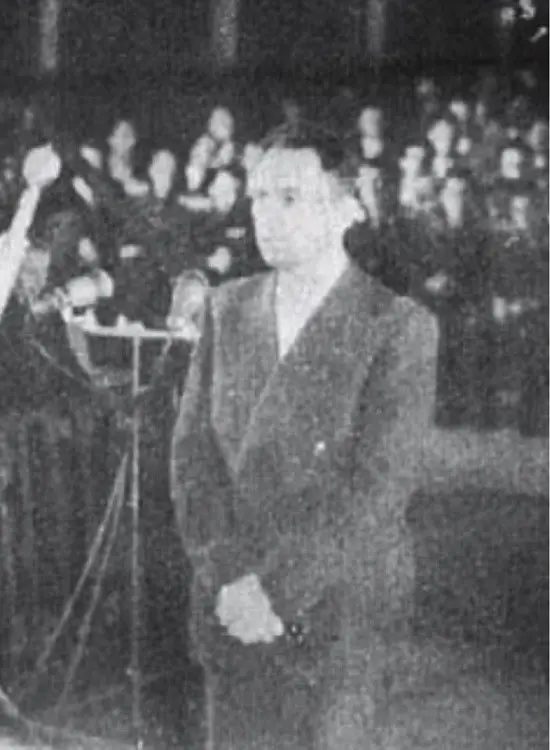
Regarding this, Rrahman remembers: “To tell the truth, when I heard Teme in court, I remained disappointed, but I believed it when it was my turn to try it, when they put me in a cell and inside it in a cage like wild animals, where I lived for 11 months isolated from the world and for 15 months without any connection to my family, without knowing if they were alive! When I tell people I lived in a cage, they don’t believe me! But I tell them to meet and ask my investigator Pirro Dautaj and the prosecutor Murat Komani.
I repeat these things because the dictatorship forced people out of themselves when, besides physical and psychological torture, they threatened them with the extermination of their families. Only when you have passed through the hell of the dictatorship can you understand the state of those people who were forced out of their own nature.
But the dictatorship proved to be extremely harsh and criminal toward Kosovars and Chams who have suffered unprecedented genocide, both from Serbs and Greeks, but also in Albania, and who still do not know the graves of their relatives today. Or the crimes of Drenica and Tivar, which were repeated by Milosevic as well. Why did the dictatorship maintain this stance toward tens of thousands of Albanian citizens?
At this age, I am deeply disappointed that there is no national condemnation of the dictatorship. Its symbols are still preserved; even to this day, the titles have not been stripped from the dictator Enver Hoxha. The dead are not judged, but the parliament must decide so that the victim and the executioner do not remain equal.”
Determined in the ideas he expressed and accurate in recalling events, the then-retired Lieutenant General Rrahman Parllaku felt just as committed to the national cause, such as the cause of Chameria, stating: “The Cham issue today is a national problem, as Kosovo was yesterday, and I am glad that it finds more and more support. It is the duty of every government not to stop raising this issue with internationals until it finds its deserved solution.”
Perhaps it is the moment to remember a saying by a personality like Schroeder, who said: “You can take a man out of his house, but you cannot take the house out of his mind,” which I would refer to in another form: that no matter what the history and fate of a people may be, their deeds cannot be altered; they remain in memory just as this highlander did, a high military officer who, on the day I spoke with him, had passed 100 years of age. His glory and the truths spoken by him will live on because they are the eyewitnesses of events that have left a mark on our national history.
Generations and history will need the word and glory of General Parllaku, while he had no need for the unspoken things and uncommitted deeds of the dictatorship that were sold to us as truths. In the portrait of this personality of the Albanian army, the Latin expression finds its place: “O peoples preserve and honor the great ones of your nation, for through them the future will know you.”
A few years ago, and these days of this September when I met Rajmond, the son of Teme Sejko, through his words from conversations held and from reading various writings, he told me: “What has been said and written is a small part of what was done to this people.
My family experienced it badly – my father, my uncles, my brother, and other heirs who had the surname Sejko. What remains a hostage for me is not finding the remains of my father and my brother Sokol, and that those Cham men who were shot remain guilty without having committed any fault even to this day.” / Memorie.al