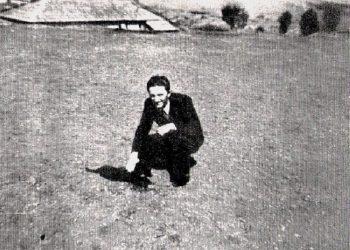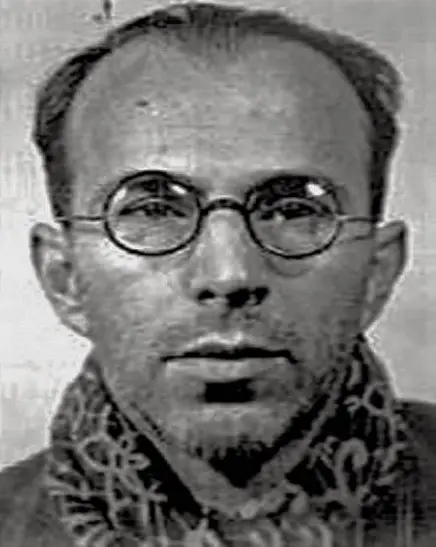
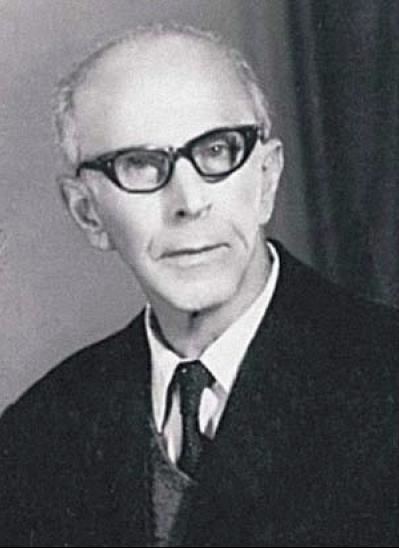

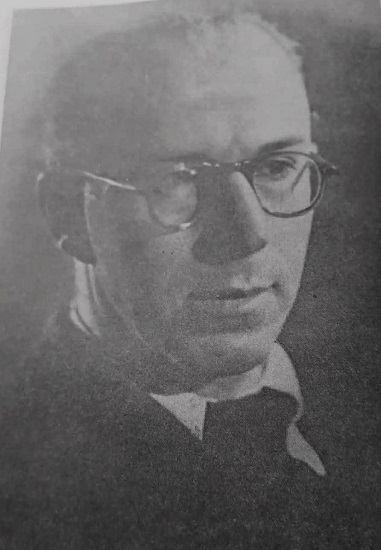
Memorie.al / A few years ago, the Academy of Sciences of Albania organized a book promotion for author Engjell Angoni’s work titled “Selman Riza: Outstanding Linguist and Patriot.” Having been employed for many years at the Institute of Linguistics and Literature – specifically in the departments led by professors Eqrem Çabej, Mahir Domi, and Selman Riza – I attended at the invitation of the Riza family. The meeting was chaired by the President of the Academy, Dr. Ylli Popa, Prof. Shaban Demiraj, and others. After opening the session, the Academy representative thanked the participants and gave the floor to Prof. Shaban Demiraj and subsequent speakers according to their profiles. Their reports focused solely on his scientific works, which represent not even one-thousandth of the materials preserved in the family archives, the Institute, or the countless others that have vanished.
Regarding his status as an “outstanding patriot” specified in the title, nothing was said. Will these works, so vital for our country, ever see the light of day? This is a question for writers, linguists, relevant institutions, and the former students of these masters – those who today hold scientific titles that Selman Riza and many others never received. Therefore, I decided to share with the media what I know about the patriotic activity of this son of heroic Kosovo, Selman Riza.
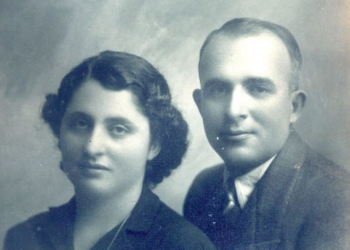
First, I wish to inform readers briefly about Mrs. Sabire, Selman’s wife – a daughter of those legendary men who dedicated their entire century-long lives to the cause of national liberation. Mrs. Sabire spent most of her married years in constant suffering. With bravery and courage, she endured every hardship, remaining faithful to her husband’s ideals throughout her life. So many mothers and sisters have endured such trials, yet they are never remembered!
Selman Riza was only 12 years old when he left his family and traveled on foot to Korça. He could not bear the early and continuous suffering of his fellow countrymen in Kosovo under brutal Serbian oppression. He could never forget how they beat and humiliated his father in front of his wife and children.
In Korça, a city of prominent cultural and patriotic traditions, he completed a six-year elementary school program in just three years and finished the nine-year French Lyceum in six. Due to his brilliance, the directors of the Korça Lyceum sent him to study in Toulouse, France (1932–1935). He graduated with honors from two faculties simultaneously. Upon his return to Albania, Prime Minister Mehdi Frashëri offered him a position in the Prime Ministry, but by decree of King Zog, Selman was appointed a professor at the French Lyceum in Korça.
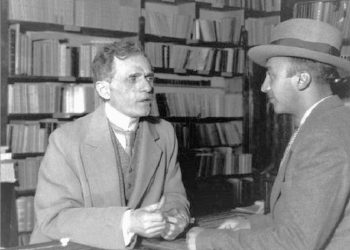
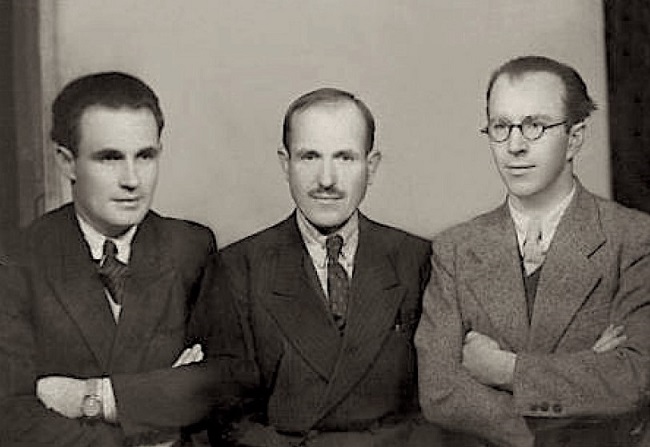
Whether as a student or a professor, Selman Riza never ceased his activity as a scholar and patriot, engaging both his students and those outside the Lyceum walls. He quickly befriended distinguished patriots in Korça, such as Mihal Grameno – the prominent publicist and writer who dedicated his life to the motherland. They met regularly at the “Dhori Koti” bookstore. He was also a close collaborator of Professor Kostaq Cipo, a master of Albanian literature; the great lyric poet Lasgush Poradeci; and Mitrush Kuteli, whom he deeply admired not only as an economist and writer but as a man of integrity who courageously voiced his democratic views and was later imprisoned by Enver Hoxha’s regime.
The fascist Italian invasion was a bitter event for both the Albanian people and Selman Riza. During those dark days of April 1939, he coordinated with colleagues on how to save the motherland. Leading his students and fellow professors, Selman filled the city streets heading toward the barracks, shouting slogans like: “We want weapons!”, “Down with Fascist Italy!”, and “Long live Albania!”
Meetings continued all night at the Korça Municipality under the initiative of the “Puna” (Labor) Society, aiming to seize power for the people and send volunteers to Durrës for armed resistance. Selman Riza attended alongside other nationalists like Fazli Frashëri, Stavri Skëndi, Loni Kristo, Llazar Fundo, and many intellectuals.
In that overnight meeting at the Korça Municipality building, the “Committee of Public Salvation” was formed, with Fazli Frashëri as chairman, and Selman Riza and Masar Shehu as secretaries. Members of the “Puna” society, such as Stefo Grabocka, Llambi Dishnica, and Stavri Skëndi, also joined. Selman Riza was tasked with foreign affairs; he prepared numerous telegrams addressed to foreign states to sensitize international public opinion and halt the fascist aggression against our country.
Protests continued for days, with Selman Riza in the front ranks. However, the enemy, equipped with the latest weaponry, achieved its goal. Selman Riza then turned to another form of defiance. The Minister of Education asked him to replace the French professors who had fled after the invasion. Selman replied firmly: “I will not do such a thing – not because I am unable, but because the French professors were unjustly expelled.” On November 28, 1939, a massive demonstration broke out – one of the first powerful acts against the occupiers.
Selman Riza, along with the organizers of the “Salvation Committee,” was joined by the entire populace: women, youth, priests, imams, and even laborers with packs on their backs. This demonstration shook the occupiers. Informed that Selman Riza was the leader, the Carabinieri arrested him on February 6, 1940, along with other professors and intellectuals, and deported them to Durrës, and from there to Ventotene.
Exiles from all over Albania and many Italian anti-fascists were held there. From this point on, suffering and internment never left Selman Riza’s life. This son of heroic Kosovo, who openly resisted fascist occupation and fought for the rights of Albanians in their ethnic lands, spent his life between Kosovo and the motherland, struggling for freedom and democracy.
For these activities, he endured a lifetime of internments and imprisonments under the most totalitarian regimes: the Fascist regime, the Communist regime of Enver Hoxha, and the chauvinist regime of Josip Broz Tito. Despite his tireless work in science and patriotism within prison cells and labor camps, very little has been written about his struggle.
Regarding his voluminous works, much remains to be said. Selman was a perfect translator, mastering 12 foreign languages – a feat that astonished his professors in France. In late 1941, he was released from Ventotene. The Minister of Education at the time officially invited him to a meeting, promising him significant positions and back-pay for his time in exile. Selman could not be swayed by the lures of the enemy; he rejected the proposal with sarcasm, stating: “I have already received my wages in Ventotene, Italy.” Faced with the Minister’s provocative questions, he showed his unwavering courage against the fascist regime. In these circumstances, and deeply concerned for the issue of Kosovo, Selman moved his family and settled in Prishtina./Memorie.al