
By Dr. Genti Kruja
Part Two
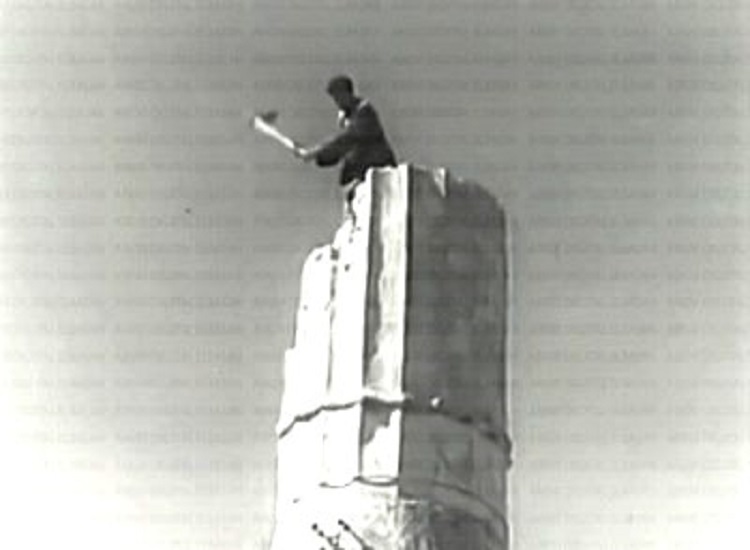
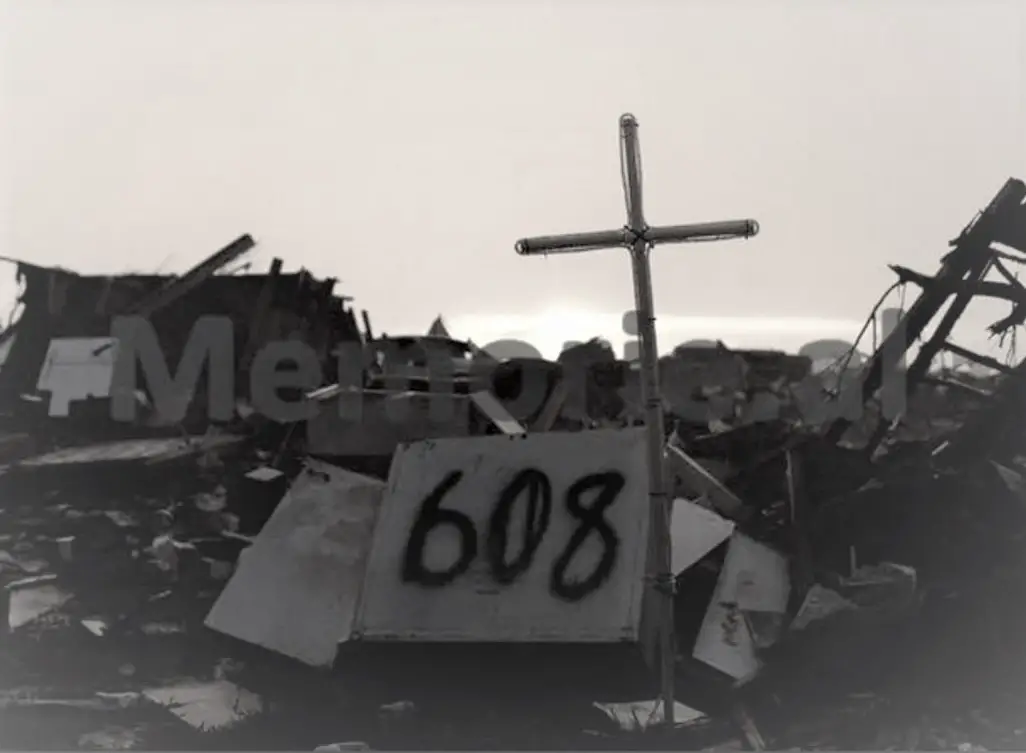
Memorie.al / February 6th marked the 60th anniversary of Enver Hoxha’s speech that raised the curtain on state atheism in Albania. In this context, the journal “Zani i Naltë” has published an order from Enver Hoxha (likely signed, though not written by him) and an informative report from August of that same year, which discusses the efforts made against religion, the results achieved, and the problems encountered. It seems incredible how the regime managed to liquidate a millennial presence so simply – a presence represented at that time by 2,169 places of worship, including 740 mosques, 608 Orthodox churches and monasteries, 157 Catholic churches, and 530 tekes, shrines, and holy sites. Resistance was minimal, while religion appeared to be abandoned even by the “flock” that had found a new ideological roof. Below are the documents of historical interest:
Continued from the previous issue…
The Order of Enver Hoxha
Second Document:
Informative Report: “On the Initial Results of the Struggle against Religion and Certain Measures for Its Further Deepening” (August 30, 1967)
Following the 5th Party Congress, and especially after Comrade Enver’s speech on February 6th, the struggle against religion, religious prejudices, and customs is being widely developed throughout the entire country. This struggle is conducted within the framework of further deepening the ideological revolution; it is a profound class struggle between two worldviews, between two ideologies, with the objective of uprooting the religious worldview as one of the powerful foundations of reactionary ideology, in order to educate the masses with the Marxist-Leninist materialist worldview.
The struggle is waged not only between us and the enemies, but primarily within the heart of the people and the Party, and in a very sensitive and delicate terrain. It is distinguished by these main characteristics:
a) It is developed on a broad front in the city and the countryside, among all strata of the people.
b) It is marked by direct striking actions, not only against religion as a reactionary worldview but also against the foundations that have preserved and nurtured religion.
c) By the broad participation of the masses of the people in these actions, through popular discussion on the futility and harm of religious beliefs.
Therefore, the struggle against religion has taken on all the features of a broad movement with a distinct ideological character. In this field, a great revolutionary leap is being performed in our country, unseen before in the history of socialist countries. Certainly, this great leap is no accident. It is the result of the entire 25-year work of the Party.
Since the beginning, the Party educated its members and the masses in the spirit of atheism. After liberation, significant measures were taken: the separation of religion from the state and the school, the continuous restriction of religious institutions, the limitation and then the liquidation of opportunities for the preparation of religious personnel by closing the relevant institution, the banning of the publication of religious literature, etc., all of which constitute an important positive factor for the struggle against religion.
But the primary factor is the Party’s immense work to spread education and culture, to eradicate ignorance, to spread scientific knowledge in all fields, and many other measures of an ideological character. All these constitute an entire period of necessary quantitative changes that are leading to qualitative changes.
It is of particular importance that the Party and the Central Committee, as always, correctly judged the spiritual state of the masses, found the right moment to launch the slogan for the struggle on a broad front, and life is proving it completely correct. In this regard, a great help was the dispatch of Comrade Enver’s letter dated February 27th, which provided orientations for the most correct, error-free, and successful development of the struggle against religion, prejudices, and backward customs.
Despite the short period, a balance of the first results can be made, and some conclusions and problems can be drawn regarding how and where this movement should be further deepened.
1) The struggle was first directed against the foundations of religious centers. First, to take over several main churches and mosques, and then the masses of the people went further to take them all. This initiative from below was strongly supported from above by the committees and basic party organizations, as well as those of the masses.
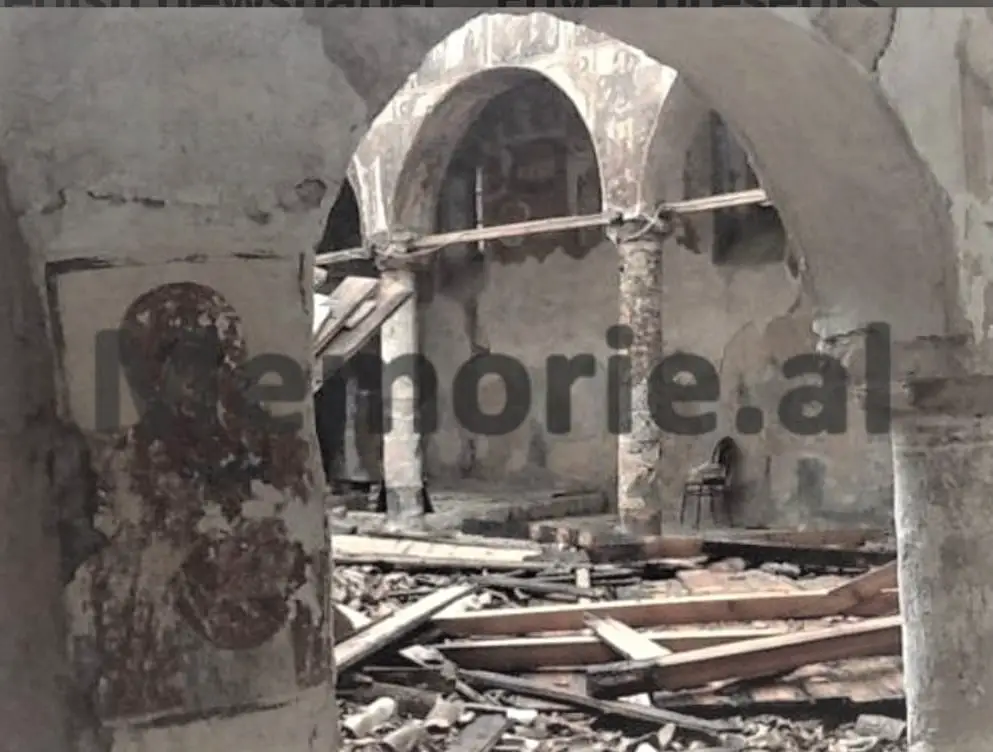
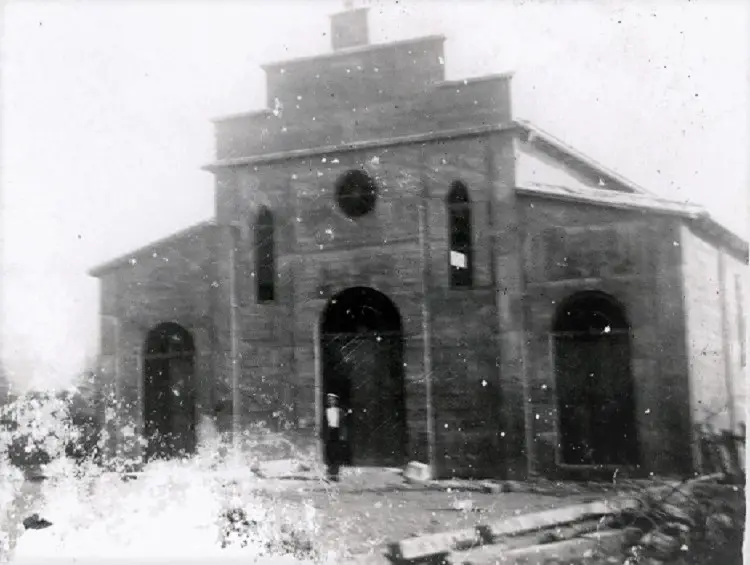
In a relatively short time, the first shock was delivered to the hearths of religious ideology. With the exception of the Great Church of Tirana and the Catholic Church, all churches, mosques, tekes, shrines, foundations (vakëf), etc., have been closed throughout the entire country. This number totals 2,169, of which 740 are mosques, 608 Orthodox churches and monasteries, 157 Catholic churches, and 530 tekes, shrines, and holy sites.
Together with the religious institutions, their property was taken over. By Decree of the Presidium of the People’s Assembly No. 4263 of 1967, the immovable assets of religious communities became state property or were handed over to cooperatives. The churches, mosques, etc., located in cities were transferred to the executive committees, while those in villages were handed over to agricultural cooperatives. The state of cash boxes and current accounts of all religious institutions until the end of March of this year was 1,959,307 (new leks).
Alongside this, they possessed quantities of livestock, vineyards, olive trees, gardens, etc. For example, only 8 monasteries had 500 head of small and large livestock; the Bektashi World Headquarters (Kryegjyshata) possessed 34 dynyms of land that was transferred to the “Gjergj Dimitrov” State Agricultural Enterprise, etc. Other movable and immovable assets remained in their hands.
This reached over 6 million (new leks), of which 2,150,000 belonged to the Bektashi tekes. (These assets include residential buildings with accessories, mills, dozens of shops and warehouses, internal equipment with monastery beds, etc.). The state was also relieved of the subsidy it made every year for the payment of salaries and pensions for a good portion of the clergy – a figure that reached 300,000 new leks annually.
This is a great success. This was the most unexpected blow to religion. It is of great importance that the Party, in this matter as well, followed the line of the masses, ensuring the massive participation of all people in this movement. This influenced the eradication of many concepts of fear and religious legends woven over centuries regarding the “Miracles” of holy places, the “death sentence” and “freezing in place” of people who attempt to touch them, claiming that “god” protects them, etc., etc.
The masses saw with their own eyes – and many believers expressed this openly – that all those legends about “holy places” were empty lies, and this served their education. But this important success should by no means create the thought that everything has ended. We have an exceptionally great work ahead of us, because as Comrade Enver emphasized at the 5th Congress, the struggle against religious ideology is a class struggle.
With the takeover of religious institutions, several problems have also arisen. Almost all of them, although being used for economic and cultural purposes, retain their original appearance. This, among other things, silently reminds believers of the church or mosque, leading them to always consider it a holy place, and it has a bad psychological effect on the growing generations. Therefore, we think that some of them that obstruct the current and future planning of villages or cities should be demolished, and where possible, new buildings should be constructed.
Likewise, those in danger of collapse, old ones, and those that have no historical or architectural value should be demolished. According to possibilities, the appearance of those put into use for various needs should be changed; especially those used or to be used as cinemas, houses and centers of culture, gyms, etc. From the districts, it is rightly proposed that the Ministry of Education and Culture (Institute for the Protection of Cultural Monuments) review the criteria that preserve a large number of churches and mosques without any historical value.
2) Another very positive result is the liquidation of the official function of the professional clergy and the neutralization of non-professional clerics. From the data, it appears that in the districts there were 912 professional clerics, of whom about 550 were hoxhas and nearly 400 priests, dervishes, sheikhs, etc. The largest number of them was in those districts where the number of religious institutions was also greater; additionally, a portion of the churches and mosques were served by believers who were part of the church or mosque councils, numbering several thousand people.
According to the instructions of the Central Committee, work has been secured for all of them, but some, being elderly, remain with their families after the closing of institutions. The majority started work in agricultural cooperatives, as their families were there, while a very small portion was placed in enterprises. In this direction, there is no problem. Only one issue arises regarding some clerics who benefited from a pension and are facing economic difficulties.
With the freezing of funds, the pension they received was also stopped. This can be specifically looked into by state organs, finding a reasonable path for a solution. It is important to look at what the attitude of the clergy was. In all this great movement of the masses against religion, the attitude of the clerics was varied. A good portion of the clergy showed patriotism on this occasion as well, and their close ties with the Party.
Driven by the trust they have in the Party and the country’s progress, they supported and backed the initiatives and demands of the masses. Another portion, although unconvinced of the justice and necessity of the people closing religious institutions, reconciled them with it or maintained a silent stance. Meanwhile, some others resisted and continue to resist the movement of the masses, maintaining a reactionary stance toward it.
In many cases, these individuals, in cooperation with other enemy elements within the country, have tried to harm us by all means. Somewhere, taking advantage of the weaknesses in the political and ideological work of some party organizations, they have tried to rouse believers against the development of this movement with profound revolutionary content.
Hostile activity has tried, through slogans and a series of reactionary actions, to touch almost all spheres of the policy and ideology of our Party. Here are some of the main directions of this activity. The enemy element and reactionary clergy, as always, direct their struggle against the Party and the people’s power, throwing out various slogans such as:
-“What these people have done, not even the Turk, the Greek, the Italian, or the German did when they occupied us,” or; “When the end comes, you go and crash into the door of the church or mosque, so what these people are doing shows their end” (Kolonjë); or; “This government’s affairs are not good with the destruction of religion” (Gramsh-Shkodër); “These are only the beginning, while their end will lead to the disappearance of the family” (Vlorë) etc., etc.
They try to link the action against religion with collectivization and the reduction of personal gardens and other Party measures, in order to hinder them, saying: “The communists are destroying the churches and mosques, they took our lands and removed our faith” (Pukë) or; “By destroying the tekes and gardens, these people have made work for themselves,” (Tepelenë) etc.
They have also tried to create the impression that within the people’s power there are differences of religion, region, etc. Thus, in the district of Lezhë, where the Catholic faith is more widespread, slogans have been spread that Muslims are favored, exploiting for this the preservation of the mosque where searches continue for Skanderbeg’s grave.
Likewise, in Pogradec and Fier, the closing of churches before mosques or the preservation of some institutions as monuments has been interpreted as support for one faith and more severe combat against the other. In some districts, the enemy tries to present this movement as a Chinese copy, saying: “Why do they imitate the world, China” (Fier), “These people follow China’s path” (Shkodër), or; “The beards were removed from the hoxhas and dervishes because they have now entered another religion, that of Asia; they are without faith and do not pray!” (Gramsh).
The enemy element tries to cause damage by exploiting, in particular, natural phenomena and disasters such as earthquakes, rains and floods, droughts, etc. Thus, in Sarandë and Gjirokastër, slogans circulate that: “Now that the churches are destroyed and the priests expelled, we will have more disasters; the world will turn upside down.”
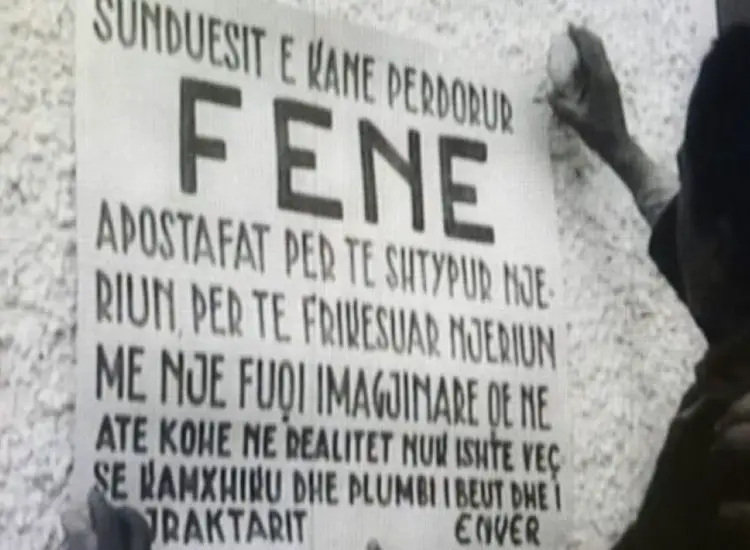
Beyond slogans, the element and reactionary clergy have made direct pressure on Party people. In Vokopolë, Berat, before the church was taken, an anonymous fletërrufe (lightning-sheet/wall poster) was placed, stating: “The destruction of the church in Vokopolë has shaken the entire village, great and small. He who tears this sheet will answer for it.”
In Jergucat, Gjirokastër, they placed a letter at the door of the secretary of the basic organization at night, in which they cursed and threatened him for the destruction of the church. In Shënavlash, Durrës, some vagabond elements with bad political backgrounds threw stones at the young men and women of the “Naim Frashëri” school, who had gone to support the request of the village youth to take over the church, etc.
Against these slogans and hostile actions, the basic organizations of the Party and, under their direction, the mass organizations have acted, unmasking them, and depending on the case, the relevant organs have also taken a stance toward specific elements. Nonetheless, the Party organizations and mass organizations must not fall into tranquility and self-satisfaction. They must increase revolutionary vigilance toward hostile activity, organizing a dense political and ideological work for the clarification of the masses of the people. / Memorie.al