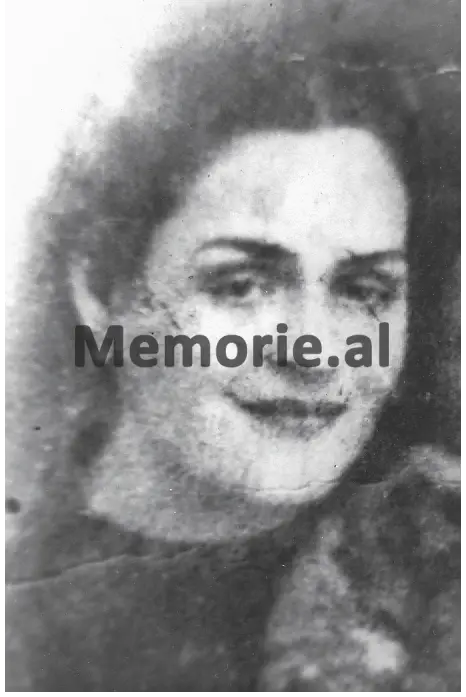

Fatbardha Mulleti (Saraçi)
Part Six
Memorie.al publishes excerpts from the book “The Calvary of Women in Communist Prisons” by author Fatbardha Mulleti Saraçi (the niece of the famous former Prefect of Tirana, Qazim Mulleti). Her family was persecuted by Enver Hoxha’s communist regime from 1944 until 1991. Fatbardha’s father, Haki Mulleti – a high-ranking state official since the 1920s – was imprisoned and his family interned until he passed away in a Tirana hospital, poisoned by the State Security (Sigurimi). In her book, the result of years of research, the author masterfully describes the unknown stories of Albanian women and girls who suffered through prisons and internment camps, including Pertefe Mulleti, Marie Deda, Hajrie Kazazi, and others.
Continued from the previous issue
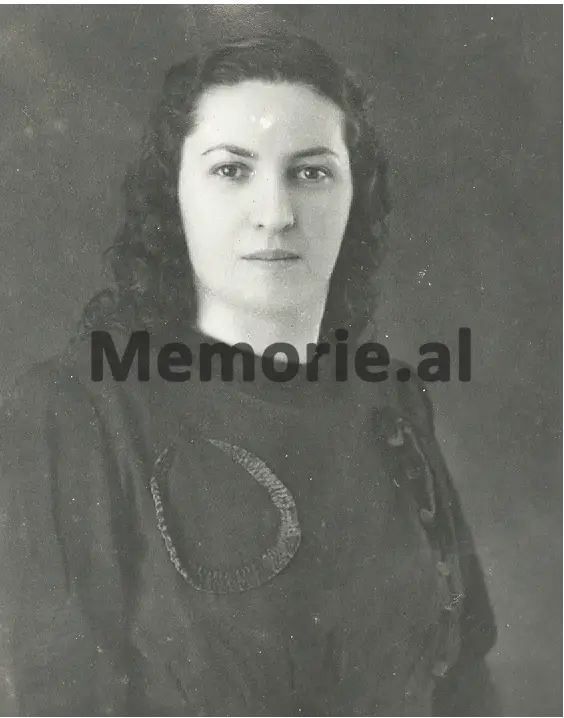
Zehnije Gjylbegu (1916 – 1997)
Born into the Resuli family in Berat, she married Musa Gjylbegu in Shkodër in 1936. A member of the Legality Party and a Munich University graduate, Musa understood the nature of dictatorship. He went into hiding in December 1944. Zehnije endured countless raids and interrogations by the Sigurimi as they tried to force her to reveal his location. In 1946, Musa surrendered under a false amnesty – a deceptive trap by the dictator – and was sentenced to prison. Their assets were confiscated to furnish the villas of the new communist elite; Zehnije and her young daughter were relegated to their own basement.
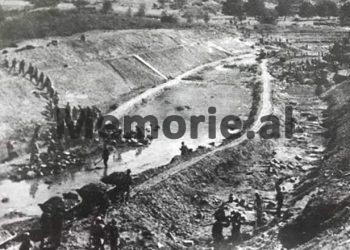
A life of unforgettable poverty began. She was forced to crush stones for road gravel – grueling labor unheard of for women. Later, she worked for ten years in the damp conditions of a scabies treatment facility, five years in a tobacco fermentation plant, and finally in a cannery. Despite the meager wages and hardship, she tirelessly supported her husband in the prisons of Tirana, Burrel, and Maliq, often walking long distances and sleeping outdoors to avoid endangering locals. Musa died in the swamps of Maliq in 1950 at age 38. Left a widow at 34 with a five-year-old daughter, Zehnije survived through backbreaking work and faith in God.
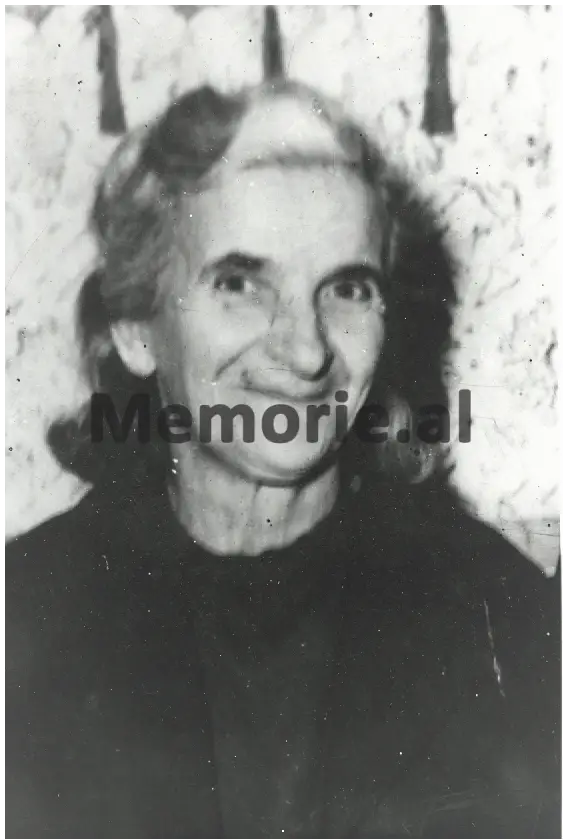
Xhyhere Kazazi (1918 – 1994)
In 1942, Xhyhere, daughter of Sadik Gruda, married Hasan Kazazi, a prominent member of the “National Front” (Balli Kombëtar). As communism took hold, Hasan chose exile, leaving his family to face the regime’s blade. Shkodër’s 17 prisons were filled with its finest citizens. While people said “prison is for men,” the reality for women was equally grim.
Xhyhere was arrested in 1946 alongside her brother, Zijaja. Under physical and psychological torture, Zijaja lost his sanity and received 17 years; Xhyhere was sentenced to 20 months for being the “loyal wife of a nationalist in exile.” She was imprisoned again in 1950 for six months as authorities pressured her to divorce her husband – a demand she steadfastly refused. From 1953 to 1958, she was interned in the labor camps of Gradishtë and Savër. Upon her return to Shkodër, she worked in construction with a shovel in hand for two shifts to support her home and her ill brother. She faced every hardship with stoicism until she passed away at age 76, honored by the people of Shkodër.
Luçije Malaj (1916 – 1996)
Though she had the chance to flee Albania in 1944, Luçije’s husband, an officer, chose anti-communist resistance in the northern mountains. At 28, pregnant and with two young children, Luçije was arrested by the Sigurimi to force her husband’s surrender. She gave birth to her son, Tefalin, in prison. The family was then interned in Berat.
After her husband surrendered in 1946, the family lived in extreme poverty. Luçije took the hardest jobs – harvesting sage on Kakarriq Mountain and digging pits in agriculture – often walking miles to reach the sites. Her darkest moment was the death of her eldest son at age 9. She had to break the news to her husband through prison bars; he could only clench his fists in silent agony. Despite the regime blocking her children’s education, she remained proud of her family’s resistance. She lived to see the fall of the dictatorship, feeling finally at peace as a victor over evil.
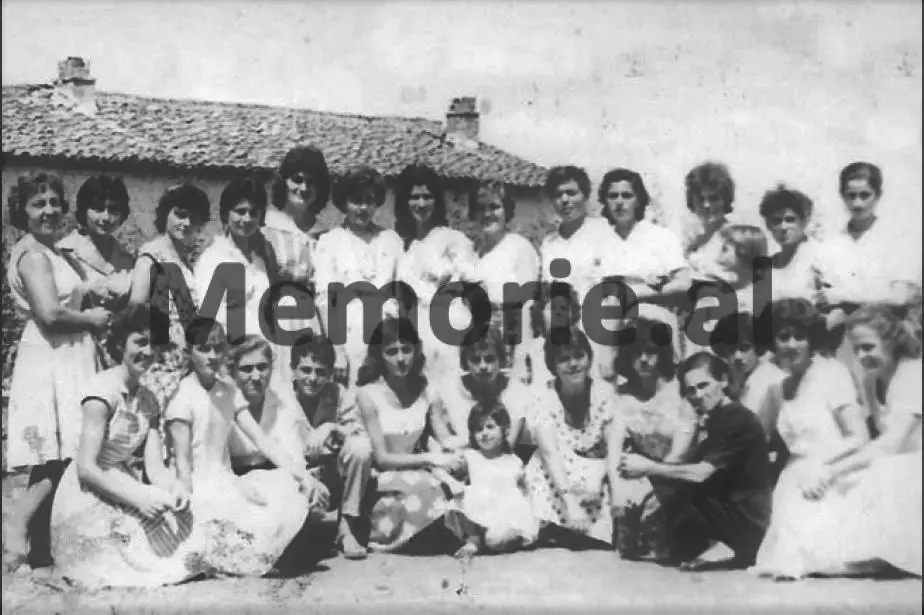
Sadije Kazazi (1895 – 1952)
Sadije embodied courage and loyalty for over half a century. The end of 1944 found her a widow with four children. Her family, the Kazazis, was primary targets for the regime as staunch political opponents. When her husband’s cousin, the nationalist commander Seit Kazazi, sought refuge, Sadije hid him for 23 months at great personal risk.
When the Sigurimi eventually surrounded the house, they failed to find Seit initially and turned to brutal torture. Men were threatened with machine guns, while Sadije and her daughter, Syri, had their hair violently torn out. Even then, Sadije denied Seit’s presence. To spare his family further agony and avoid capture, Seit committed suicide on October 6, 1946. Sadije was sentenced to 15 years in prison. She spent the rest of her life in hard labor, yet she remained unbowed and proud until her death in 1952.
Lezinë Tonini (1900 – 1955)
A mother of three sons, Lezinë raised them to be patriots. During the fascist occupation, her sons organized within the Balli Kombëtar. When the communists took power, her life became a nightmare of psychological and physical toll. While bedridden and gravely ill, she was forced to listen to her son Injac’s trial over the radio, hearing “cannibalistic” crowds scream for his hanging.
Injac’s death sentence was eventually commuted to hard labor, but Lezinë then had to watch her husband be imprisoned and her other son sentenced to 12 years – immediately after he returned from the army 85% blind. She sold everything she owned to keep them alive with food and courage. The suffering destroyed her health, and she passed away in 1955. Because of repeated state raids, not even a photograph of her remains today, but she lives on in memory as a woman of rare strength./Memorie.al