


Dashnor Kaloçi
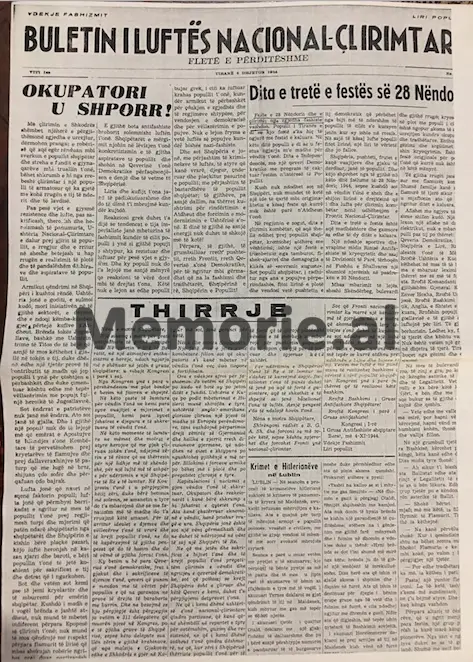
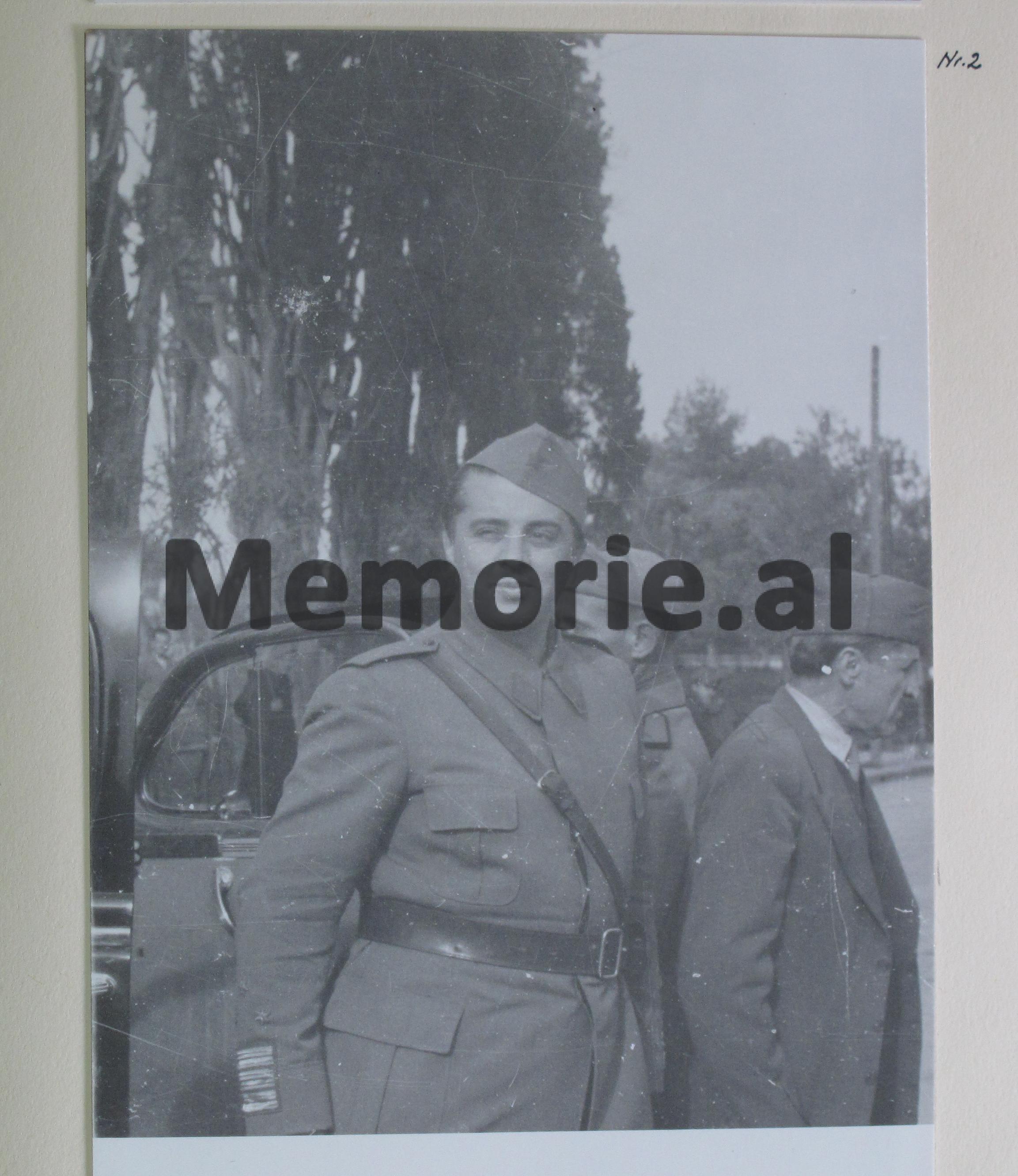
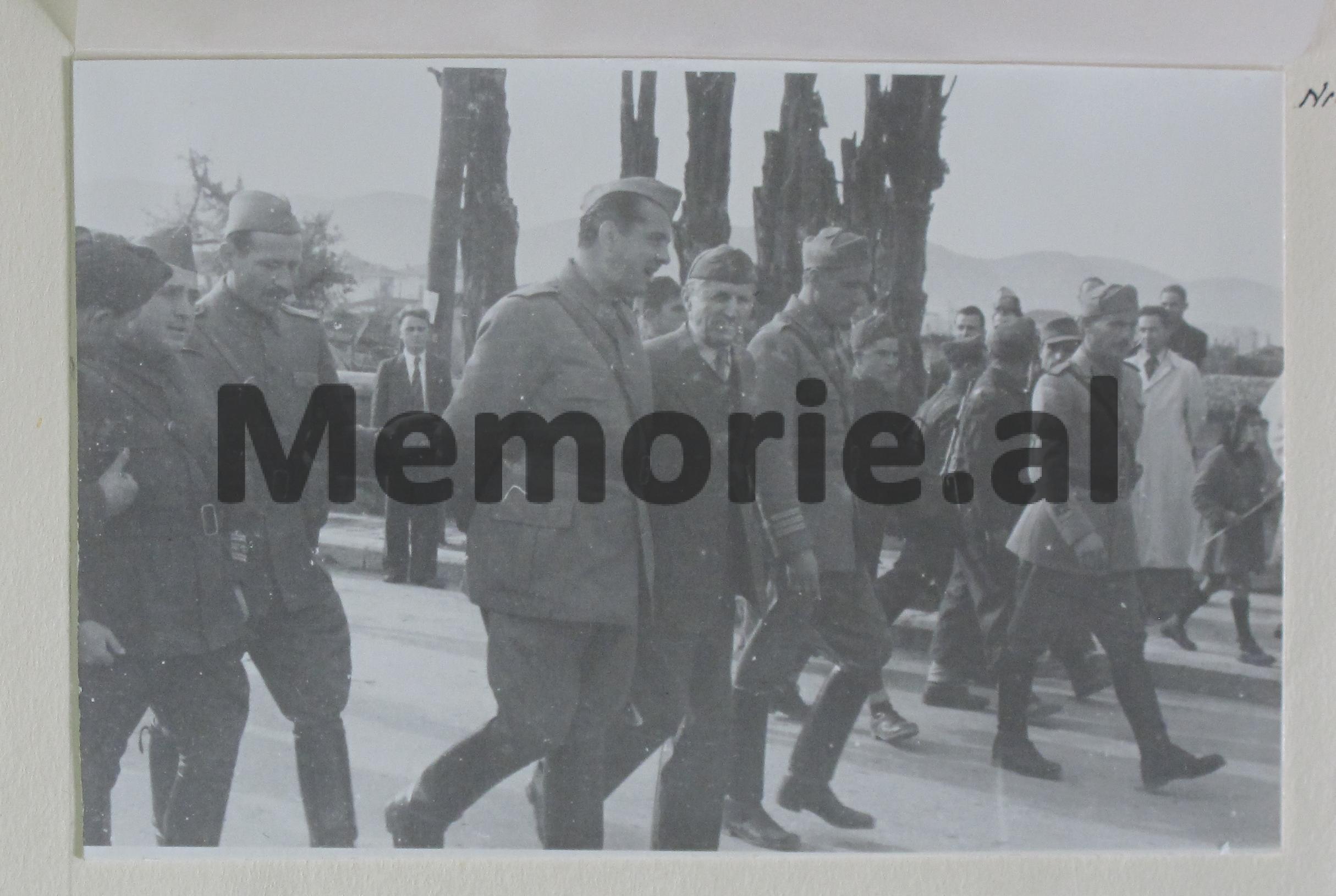
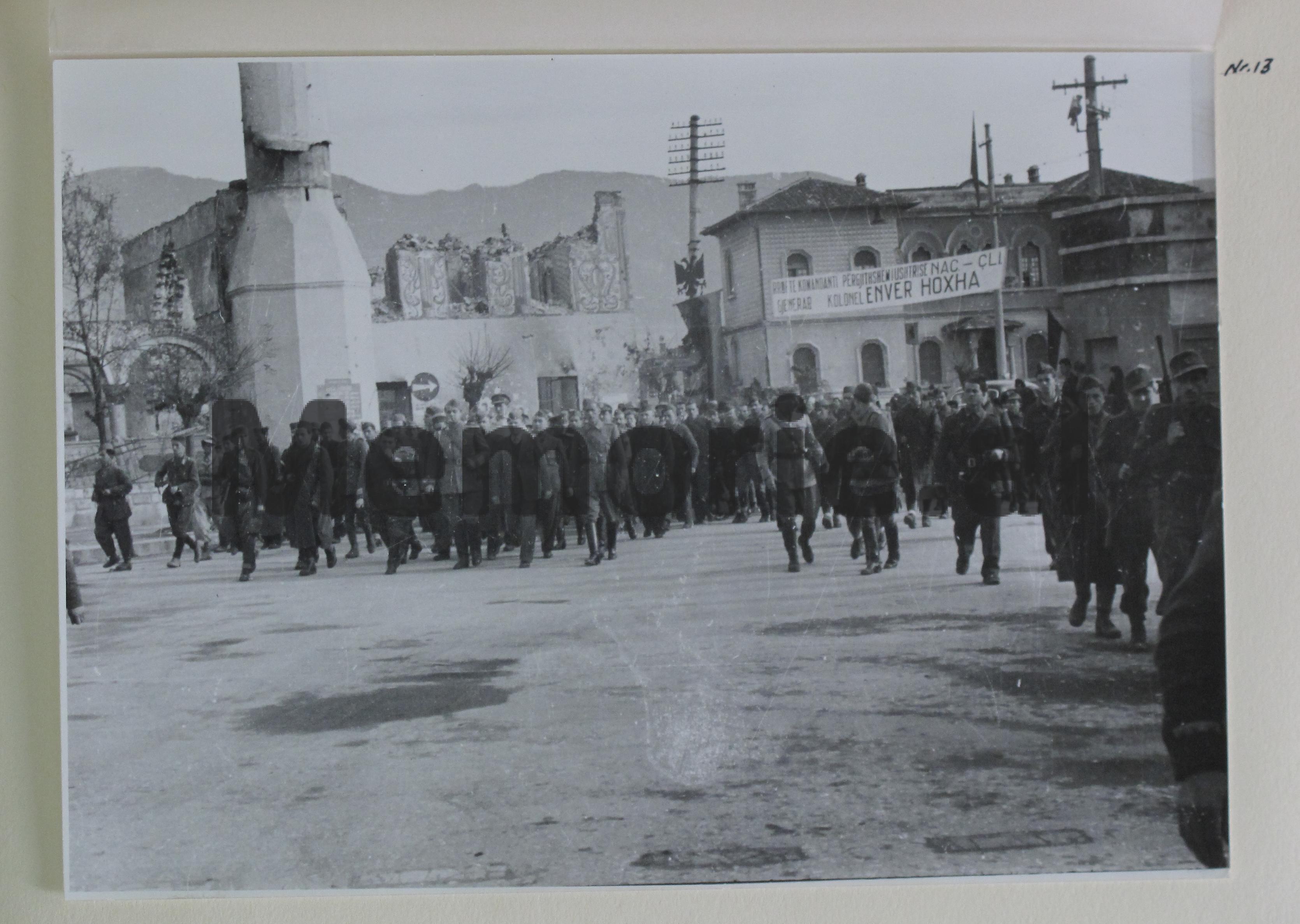
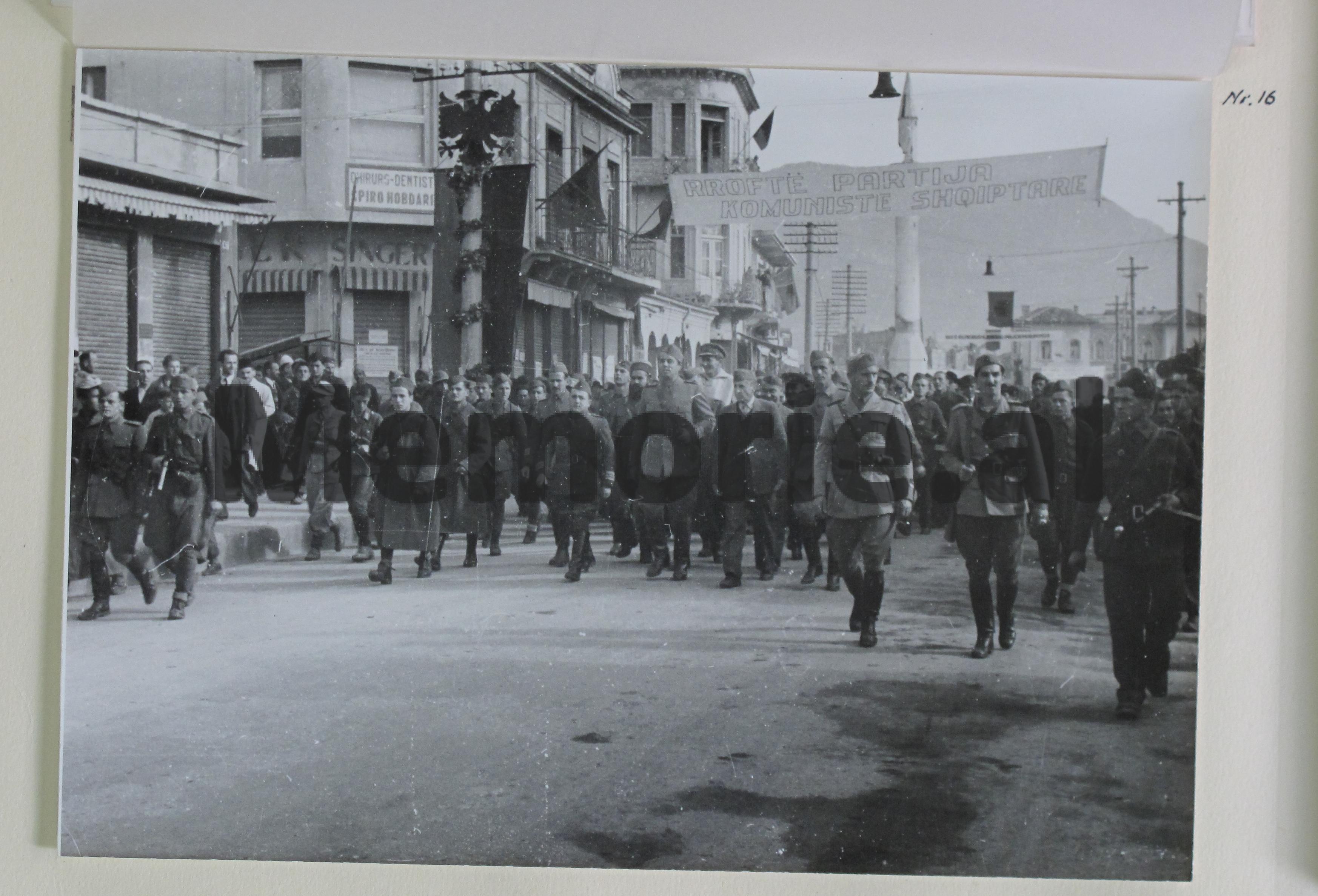
Memorie.al publishes historical documents with the “Bulletins of the National Liberation War” issued by the Albanian Communist Party from November 28, 1944 onwards, where, among other things, it is written several times that “November 28 is the day of Albania’s Independence.”
With the collapse of the communist regime in the early 1990s and beyond, one of the many conflicts and disputes that would become the object of continuous debates and would pit the two major forces of Albanian politics together with their sympathizers almost every year, was that of Albania’s Liberation Day, namely: was Albania liberated on November 28 or November 29?! This, apparently, will continue for a long time, becoming an “apple of discord” between the Albanian “right” and “left,” as well as among various researchers and historians aligned with or pronouncing themselves in favor or against the two main respective forces of this political spectrum. Within this conflict, which at first glance seems artificial, clear political passions and aims are naturally hidden, masked, or openly displayed, which has not only not diminished the struggle to “win” November 28 or November 29 as Albania’s Liberation Day, but on the contrary has kept it in a constant state, and with the commemoration of these holidays, the two largest political forces celebrate them separately and on different days. As we noted a little above, researchers and historians from both sides of the political spectrum, as well as “independents,” have entered this “game,” making archival documents public, each presenting their arguments and reading or interpreting them in their own way.
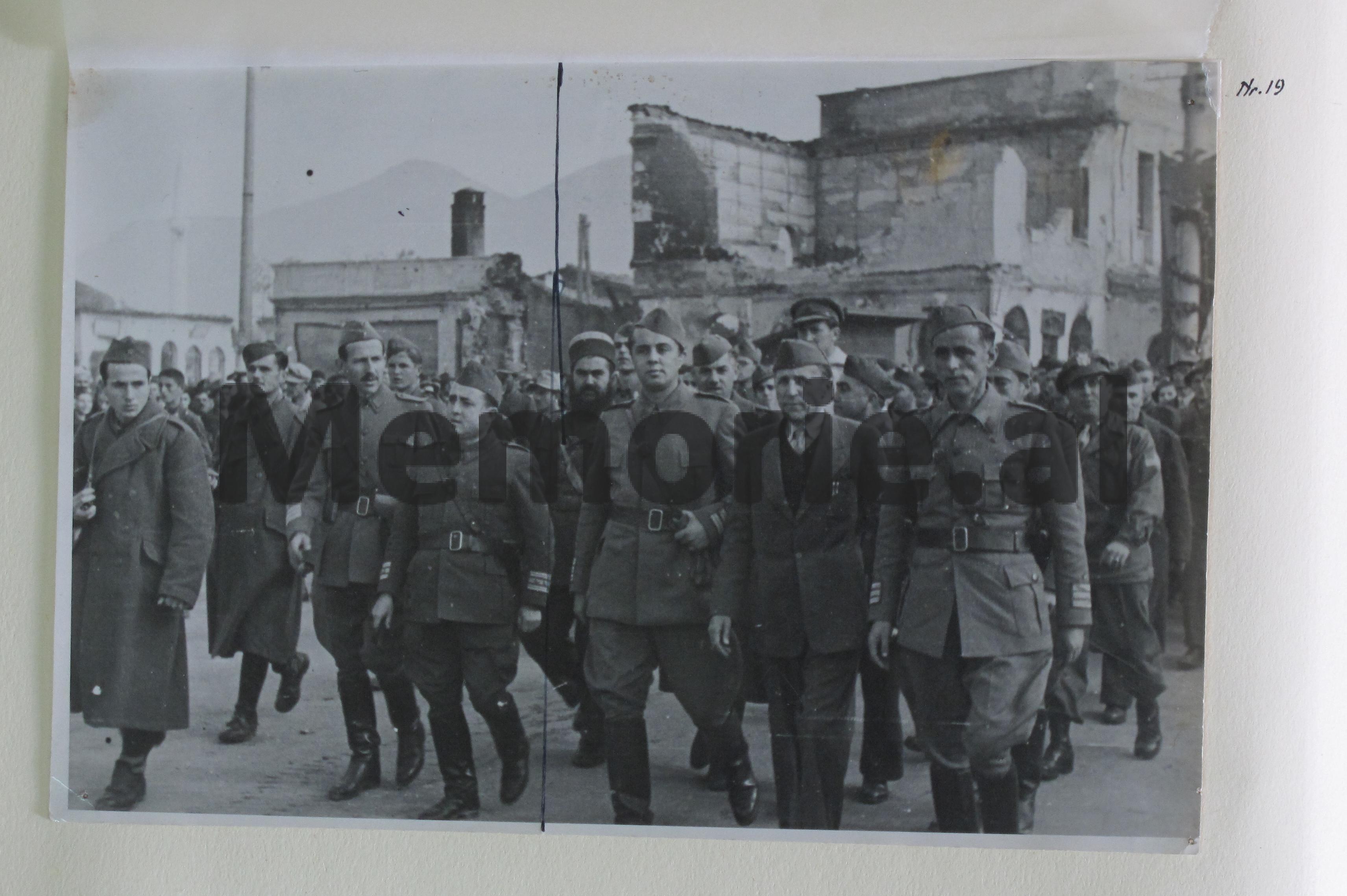
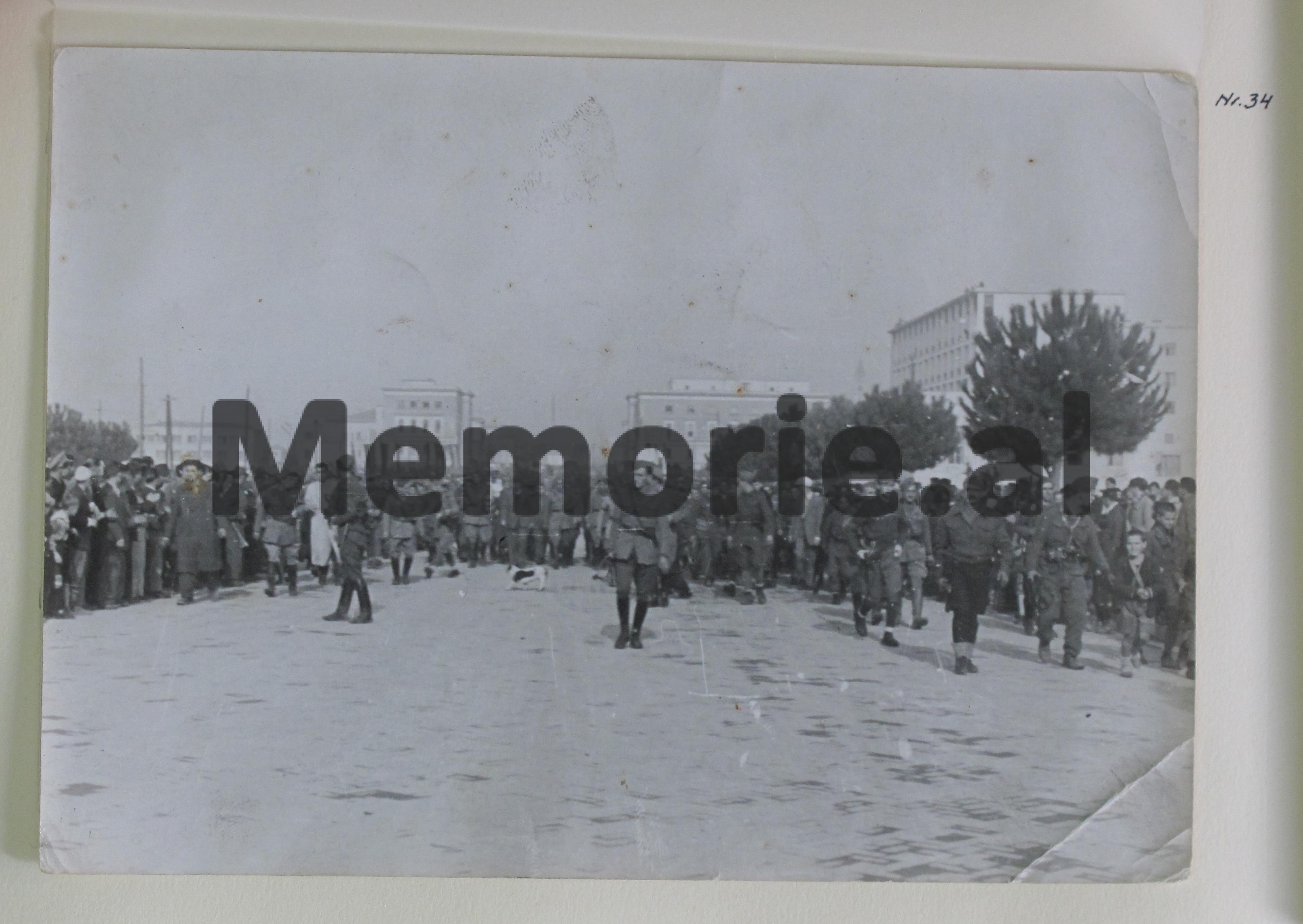
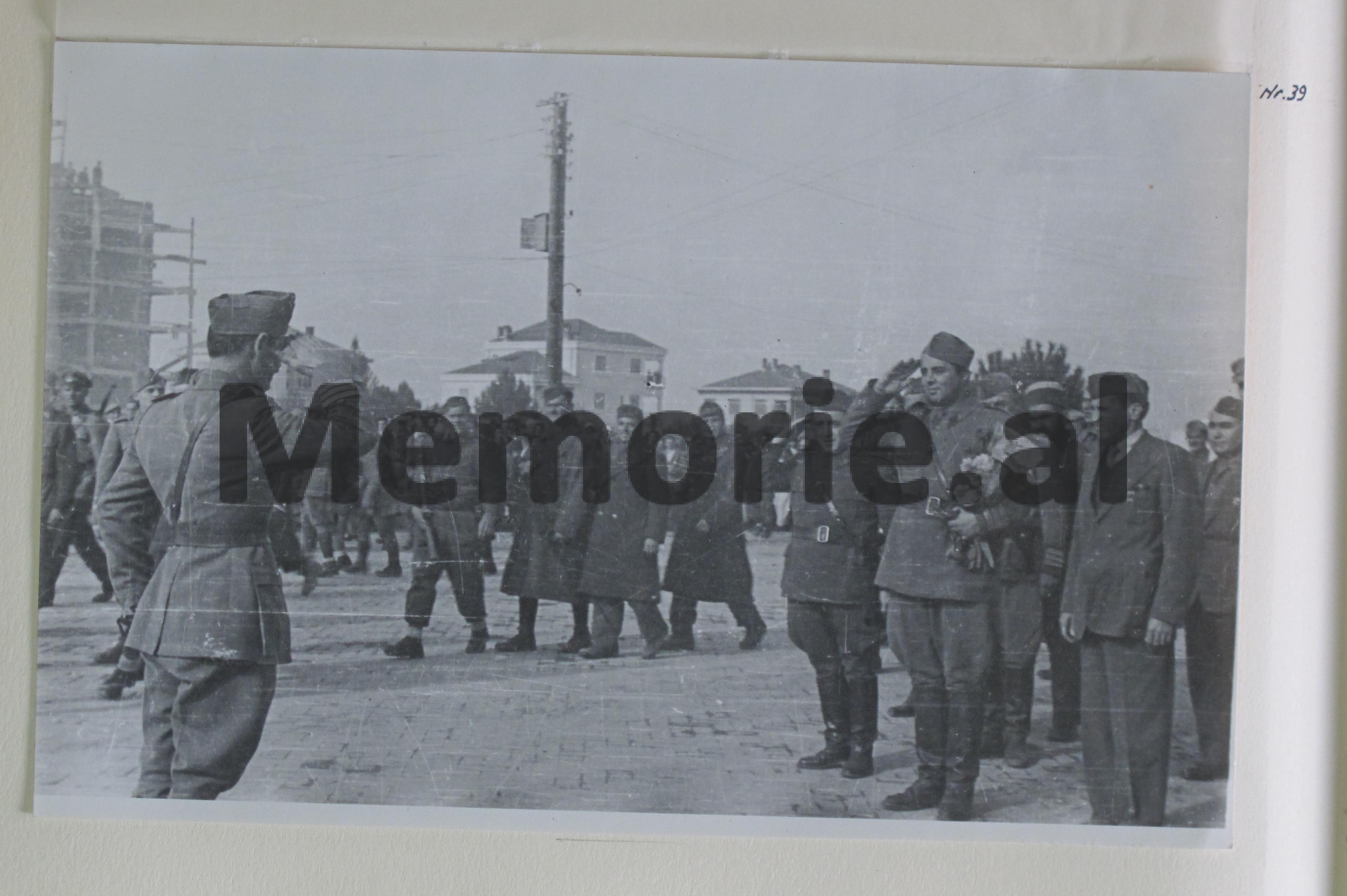
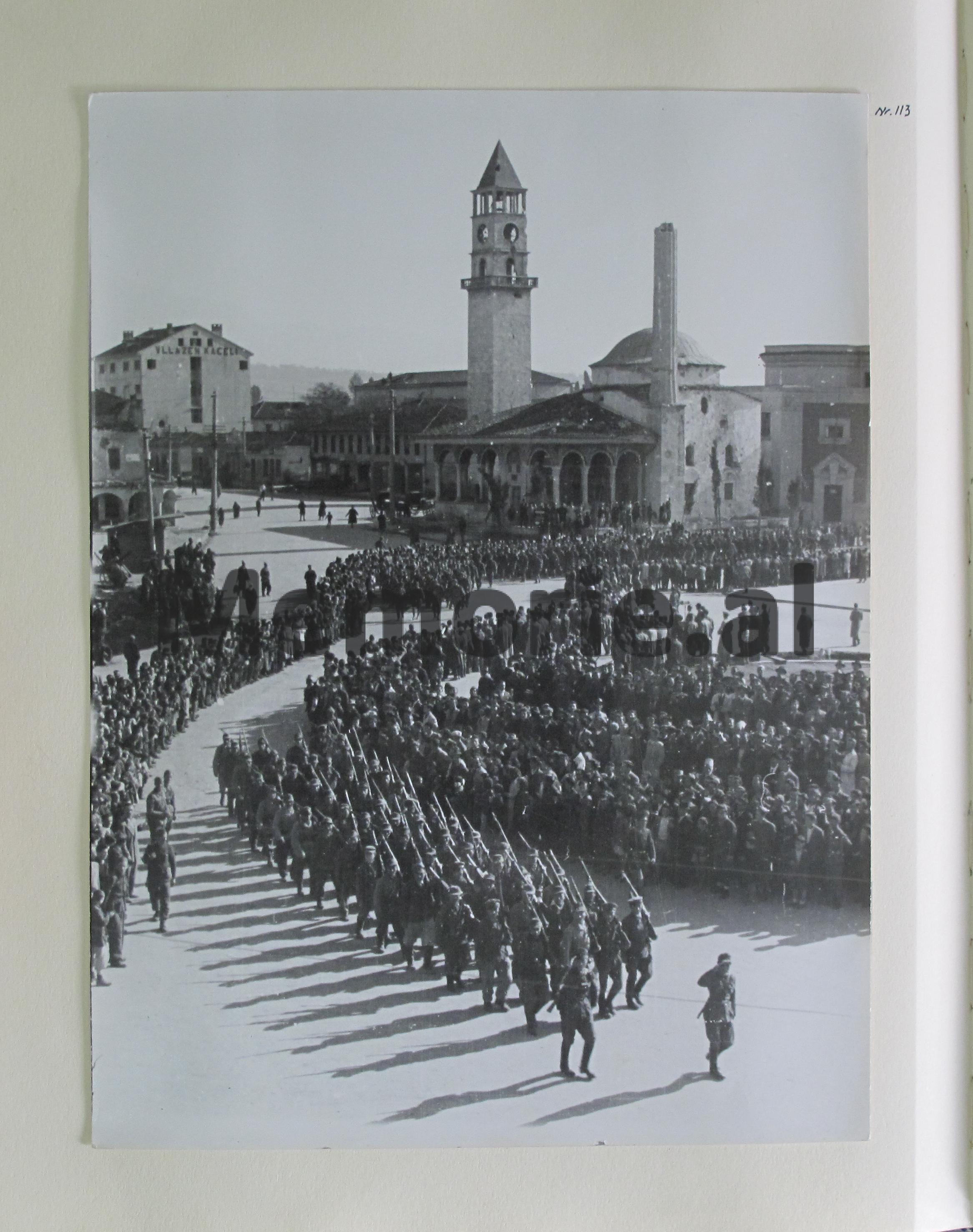
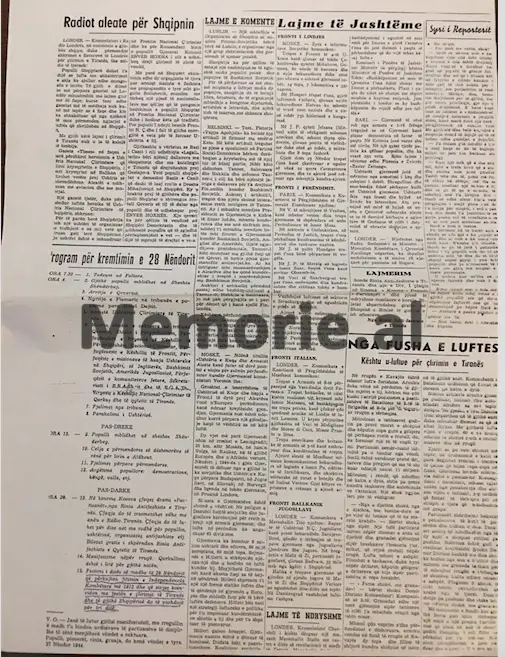
One of these researchers and historians, considered one of the most serious and most renowned in Albania before and after the 1990s, was the academician, Prof. Dr. Kristo Frashëri (passed away on January 31, 2016), who on November 29, 2010, in the newspaper “Shqip” published an article titled: “Kristo Frashëri: I Was a Witness of November 29.” The title of the article is not very important as it could normally be editorial, but it is not difficult to understand that it also contains, and rightly so, the clear intent of the author of the article, namely that: the day and holiday of Albania’s liberation is November 29, 1944. But unfortunately, this is where the manipulation begins, because if we look below at the entire article by Academician Frashëri, he does not speak there as a witness of that event (since as is known, Mr. Frashëri was one of the first communists and also a partisan with leadership functions), but as a scholar and historian, referring to, commenting on, and interpreting mainly official documents, such as the “Bulletin of the National Liberation War,” which is preserved in several issues at the National Library. And in those issues of that bulletin (which start from November 13, 1944 and continue through December), there are several issues where it is clearly written and read several times that: November 28, 1944, is the day of Albania’s liberation, or elsewhere this is implied. These are clearly visible both from the relevant facsimiles we are publishing here along with this article, and from the various paragraphs contained in these bulletins. But surprisingly, whether intentionally or not, Mr. Frashëri does not refer to these paragraphs at all, but cites other paragraphs that are unclear regarding the date of Albania’s liberation, and he instead interprets them, defending his version and thesis that “Albania was liberated on November 29, 1944.” This is perfectly normal and his right, that is, for Mr. Frashëri to make interpretations and defend the version of the date of Albania’s liberation as November 29, to which he mostly refers to the “Bulletin of the National Liberation War” No. 53 dated December 1, 1944, where in the article titled “Shkodra was Liberated,” among other things, it is written: “On the second day of our National Holiday of November 28, while the Albanian people celebrate this doubly sacred holiday, the Liberation of Shkodra comes to complete it and give it even more enthusiasm and historical grandeur. With the liberation of Shkodra, the liberation of all of Albania is completed. Today the Albanian people, proud of their war and their victories, because they themselves are the main factor, celebrate the holiday of ‘November 28’ within the ranks of the sole National Liberation Front, with their Democratic power and their democratic government. The people of Shkodra share this fate today. Our army did not let this people celebrate this great day in bondage. During these great days of national holidays, it rushed to free the noble people of Shkodra from bondage and give them the opportunity to celebrate this holiday like all the Albanian people.” Based on what we cited above, Mr. Frashëri has every right to consider November 29 as the day and holiday of Albania’s liberation, but he is wrong, or more clearly and accurately, he manipulates these documents, when he writes that: “On November 28, 1944, the Bulletin, due to the national holiday, did not go into circulation. That day, the provisional government, right after entering liberated Tirana, decided that Independence Day would be celebrated for three consecutive days.” Or a little further down, where Mr. Frashëri writes: “The next day, on November 29, issue No. 51 of the Bulletin was filled with the celebration of Independence Day in Tirana, giving an important place to the entry of the democratic government into the capital and the well-known speech given that day by E. Hoxha.” So as we emphasized a little above, what Mr. Frashëri wrote in his article are manipulations, because the bulletin dated November 28 with No. 51 was circulated (see the relevant facsimile) and not as Mr. Frashëri says that: “Bulletin No. 51 was published on November 29”?! And in the bulletin dated November 28, 1944, among other things, it is written: “The Flag Festival this year has a radical difference from that of 1912. Today we celebrate this day with a truly free Albania, without political traders, with our glorious army, which is a security force to preserve this independence at all times.” Likewise, on the next page, among other things, it is written: “The celebration of the great day of November 28, which commemorates the gaining of National Independence in 1912 and which this year coincides with the celebration of the liberation of Tirana and all of Albania, will continue for three days.” So in these paragraphs it is clearly stated and summarized, meaning that: November 28, which commemorates Independence Day, coincides with the liberation of Shkodra and all of Albania.”
If we take Mr. Frashëri’s confusion regarding bulletin No. 51 dated November 28, which he writes was published on November 29, as a lapsus (considering his age when he wrote this and his eyesight), we still cannot exonerate him, because he also errs in his interpretations. There is no logical sense in what Mr. Frashëri writes: “On November 28, 1944, the Bulletin, due to the national holiday, did not go into circulation.” Those bulletins that had started appearing regularly since November 13, why could they not appear precisely on that holiday, such as November 28, the day of Albania’s Independence?! Why would the publication of the bulletin be hindered by the national holiday, when the propaganda of the leadership of the CPA aimed precisely at celebrating that date, as indeed happened, where in the bulletin of November 28, the detailed program of Albania’s Independence Day is also reflected! What sense would it make for bulletin No. 51 dated November 29, 1944, to reflect the detailed program of the celebrations in Tirana for November 28?! Nevertheless, from what we have said and cited above, the reader can draw their own conclusions, both from the relevant facsimiles we are publishing here in this article with some transcribed paragraphs, and also from Mr. Kristo Frashëri’s article (abridged), which are published exclusively by Memorie.al for its readers.
The Bulletin of the National Liberation War where it is written that: November 28, Independence Day, was celebrated together with the day of the liberation of all of Albania?!
Thus, regarding what we cited above, in the “Bulletin of the National Liberation War” No. 51 dated November 28, 1944, on the front page, in the main article that opens the bulletin titled “The Albanian People Celebrate November 28,” among other things, it is written: “The Flag Festival this year has a radical difference from that of 1912. Today we celebrate this day with a truly free Albania, without political traders, with our glorious army, which is a security force to preserve this independence at all times.” Meanwhile, on the second page of this bulletin, in the article titled “Program for the Celebration of November 28,” which gives the agenda of the celebrations of that day starting from 7:30 in the morning where a “Te Deum at the Shrine” would be held, in point No. 15 concerning 8:00 PM, it is written: “The celebration of the great day of November 28, which commemorates the gaining of National Independence in 1912 and which this year coincides with the celebration of the liberation of Tirana and all of Albania, will continue for three days.”
Kristo Frashëri: I Was a Witness of November 29
Enver Hoxha’s opponents may curse Enver Hoxha as much as they want, wherever they want, and however they want, but not for events like the date of Albania’s Liberation, which are deeds of the Albanian people and not of Enver Hoxha. The arguments brought by the supporters of the liberation date of November 28, 1944, are not documentary acts, but speculations in their reading. To this day, they go on and on using those same speculative references. The historical documents used by historians to date – Albanian, German, British, American – speak convincingly that the last German soldier left Shkodra on the morning of November 29, 1944, and later that same day also left the borders of Albania. Consequently, the day of Albania’s Liberation as November 29, 1944, does not need to be moved.
Since the documents are known, there is no need to return to them. It suffices that they be read with objectivity. Here I want to bring as stubborn evidence some Albanian announcements from those days, very little known, or used backwards, which opponents will find difficult to refute or distort, as is their habit, their content. In the last months of the German occupation, when the liberation of major cities began, the General Staff of the NLA issued a nearly daily bulletin of war events. The bulletin titled “Bulletin of the National Liberation War” was printed in an illegal printing press located in the village of Priskë near Tirana.
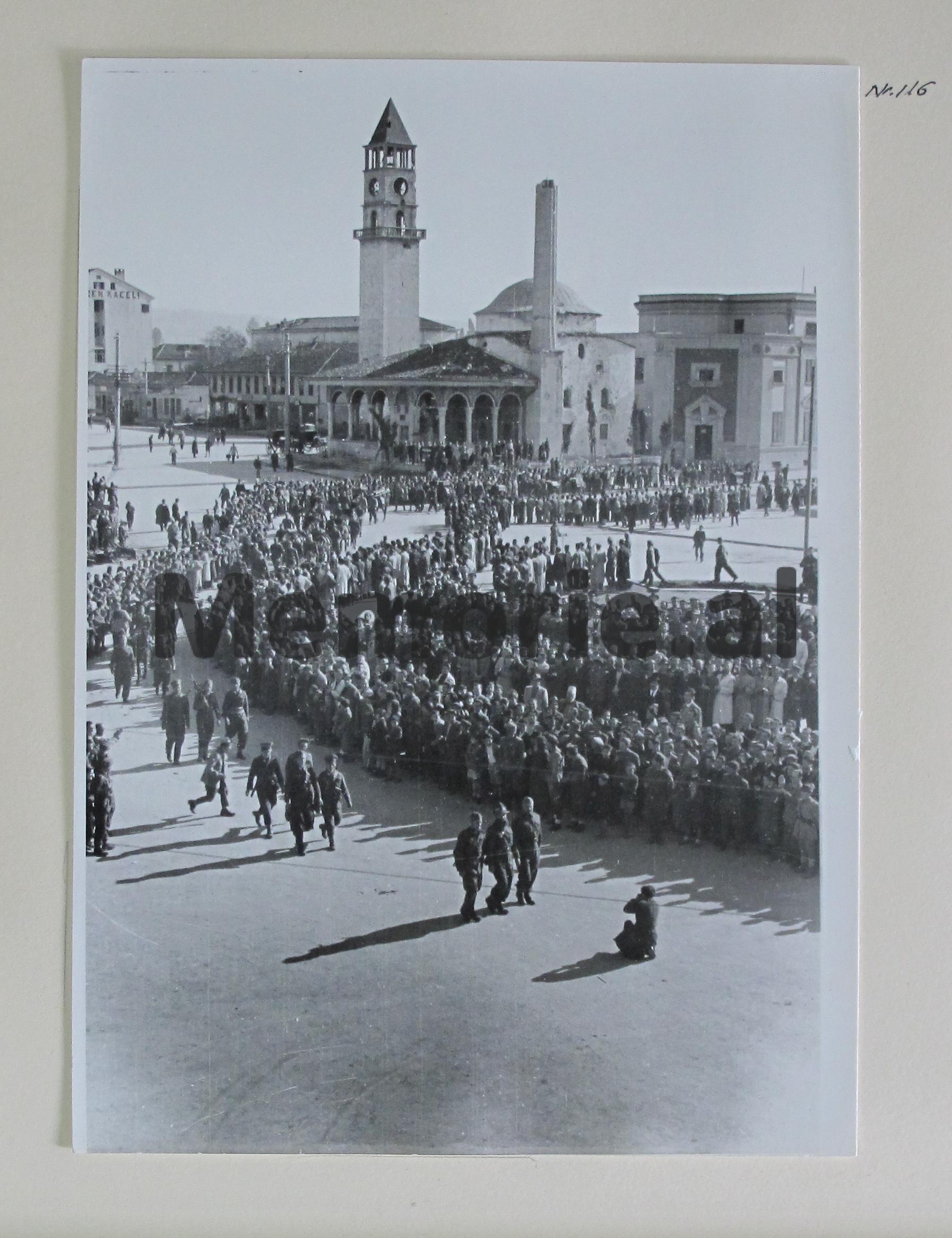
The bulletin was usually printed on a single sheet with two pages, approximately until the end of December 1944, when the newspaper “Bashkimi” began publication. As the photocopy here shows, typographically, the Bulletin was no different from the ordinary media of our day. For understandable reasons, only illustrations were missing. Nevertheless, it should be borne in mind that in each issue, as with today’s newspapers, events in the capital were published in the next day’s or the day after’s issue, while those from the districts sometimes had a delay of several days. On November 28, 1944, the Bulletin, due to the national holiday, did not go into circulation. That day, the provisional government, right after entering liberated Tirana, decided that Independence Day would be celebrated for three consecutive days.
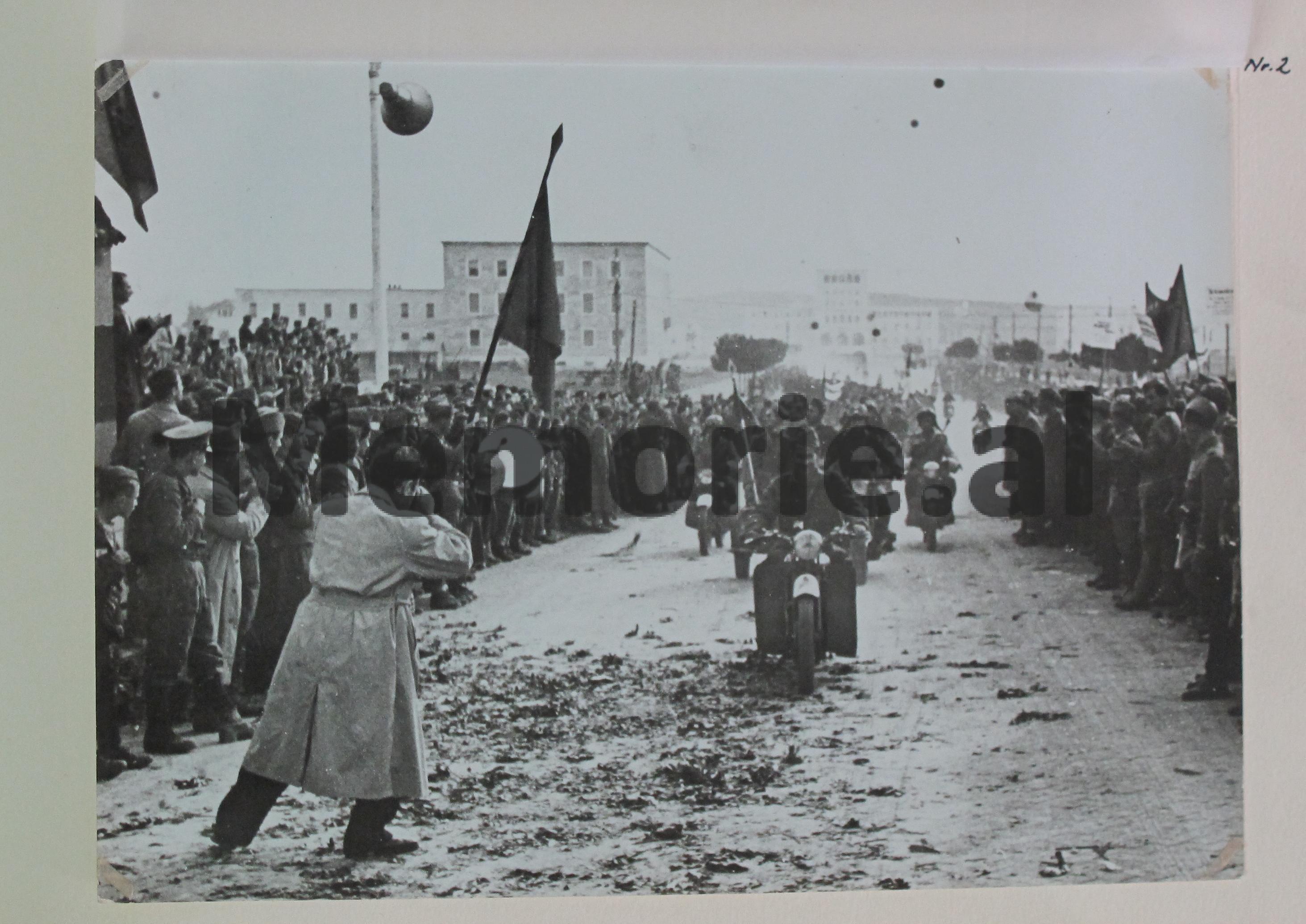
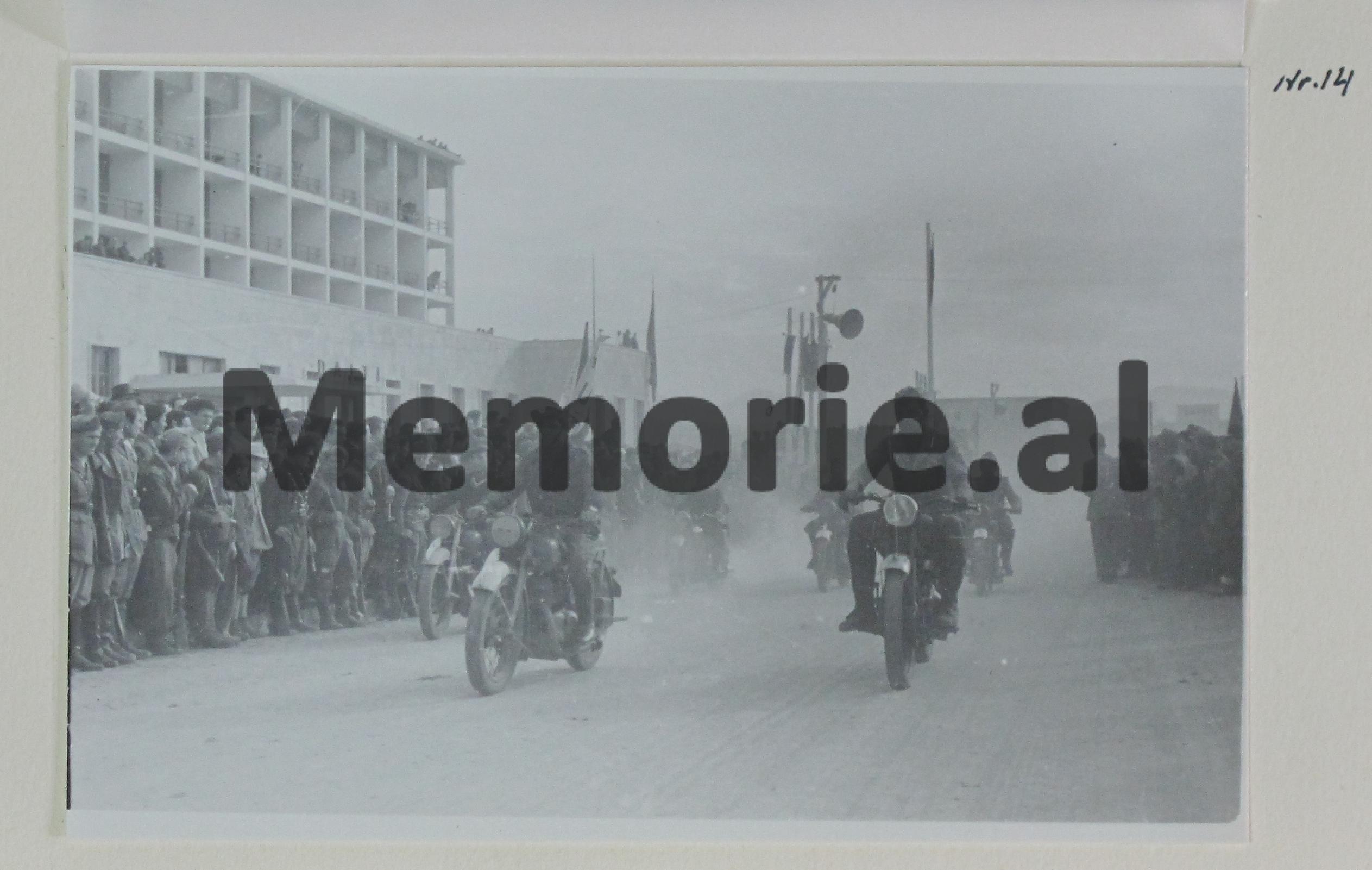
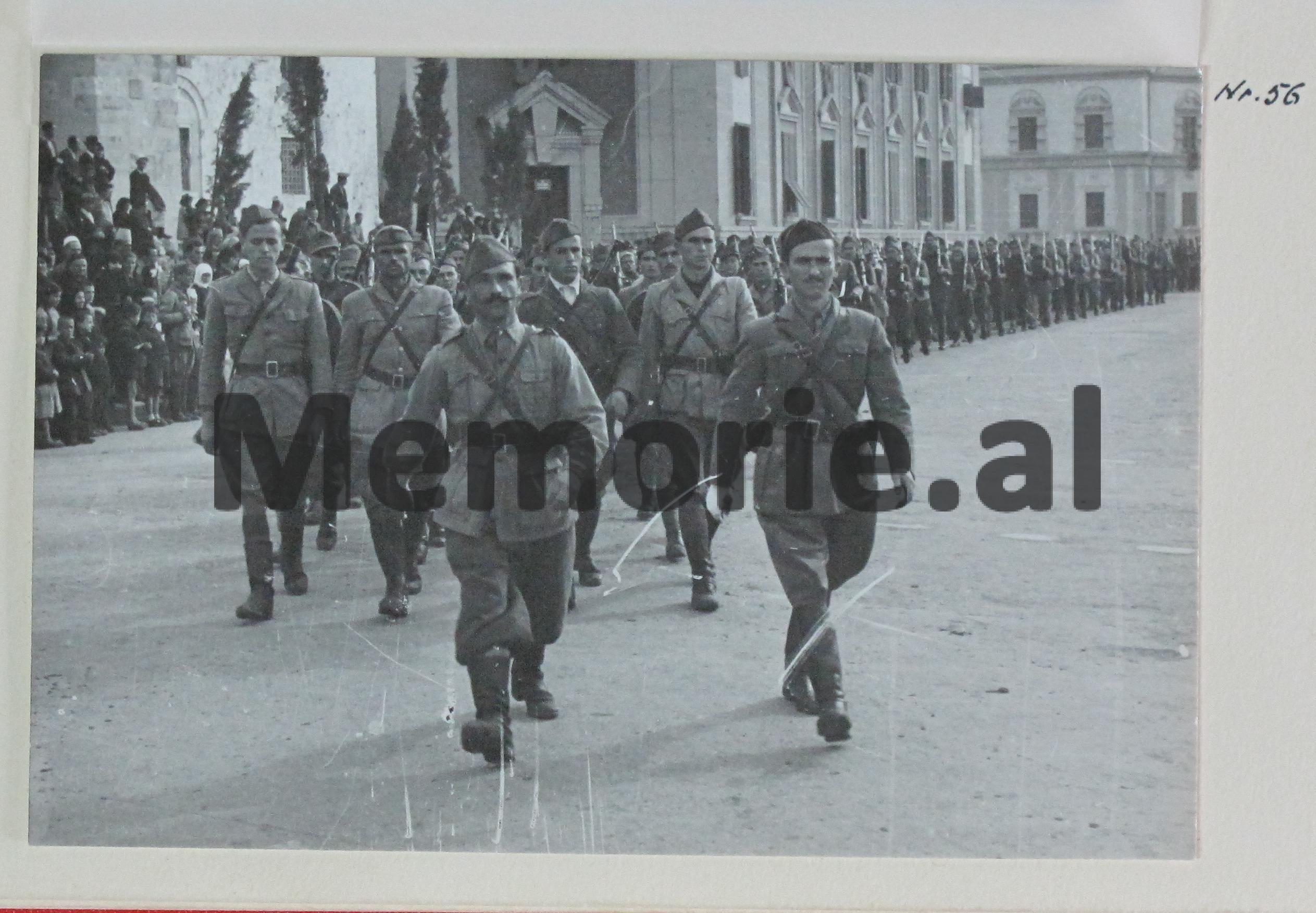
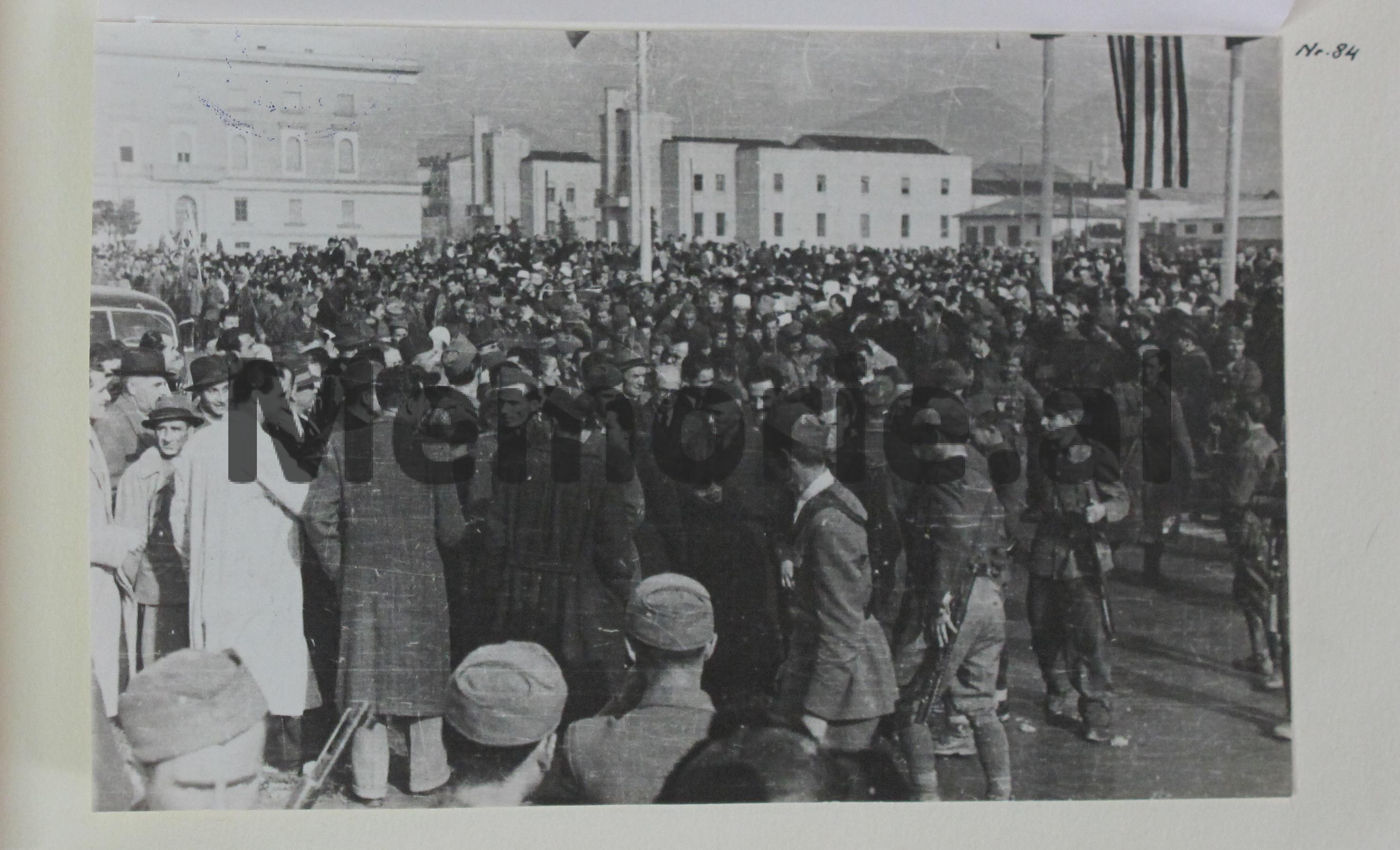
On November 28, the official holiday would be for all Albanians, inside and outside the country; on November 29, Independence Day would be celebrated by the Anti-Fascist Youth Organization (BARSh); on November 30, it would be celebrated by the Anti-Fascist Women’s Organization (BGASh). The next day, on November 29, issue No. 51 of the Bulletin was filled with the celebration of Independence Day in Tirana, giving an important place to the entry of the democratic government into the capital and the well-known speech given that day by E. Hoxha. The next day, on November 30, the bulletin was again filled with reports about the celebration of Independence Day in the capital. In the right corner of the bulletin, inside a square titled “The Last Hour,” it was announced textually: “The General Staff of the National Liberation Army announces: The units of the National Liberation Army operating in northern Albania liberated Shkodra.” It is known that the Tirana-Shkodra road was difficult to travel due to the four bridges blown up by the German army (the Gjole Bridge in Fushë-Krujë, the Mat Bridge in Milot, the Drin Bridge in Lezhë, and the Bahçallëk Bridge in Shkodra). The announcement of the liberation of Shkodra was transmitted during the day of November 29 by the II Corps to Tirana by radiogram. This explains why the news of the liberation of Shkodra was published in the Bulletin the next day, on November 30.
The announcement by radiogram of the liberation of Shkodra on November 29, 1944, is also evidenced by another source. In the bulletin dated December 1 (No. 53), a report was published on the celebration of the second day of the Flag, i.e., on November 29, by the organization “Union of Anti-Fascist Youth of Albania” (BRASh). At the rally, which was held in the morning in the square now named “Mother Teresa,” the main speech was given by the president of BRASh, Nako Spiru. A few minutes after finishing his speech, Nako Spiru returned to the podium and said, according to the Bulletin, textually: “Comrades! At this moment, the General Staff announces that our heroic army has liberated Shkodra. Our Albania is now entirely free.” “Enthusiasm, the bulletin continues, bursts out without limit. Order and arrangement can no longer be maintained. Everyone shouts ‘Long lives the National Liberation Army! Long live free democratic Albania!’ … and from joy they all start throwing their hats in the air, singing, cheering so loudly that they can be heard in the far ends of the city.” A few days later, the bulletin dated December 5, 1944, in the “Domestic News” section, contained an official notice issued by the II Corps of the NLA, which now had its headquarters in Shkodra. It states, among other things: “After the heavy blows the Germans suffered in Krrabë, Tirana, and everywhere else, terrified they gathered in the city of Shkodra, the last city that remained to be liberated after November 28.” Further: “On November 29, the forces of the Third Corps entered the city of Shkodra, welcomed with cheers by all the people of the city.” /Memorie.al