NIKOLLË LOKA
Av. ALFRED DUKA
NIKOLIN KURTI
Part Thirty-Nine
– THE FORETOLD MURDER OF A RENAISSANCE CLERIC –
Memorie.al / Before we begin to briefly analyze the investigative and judicial file against the defendant Shtjefën Kurti and others, we will provide a parenthesis of the law and its history in human society for the reader, with the focused aim of arriving at our criminal and procedural law, from its beginnings and throughout the years of the dictatorship.
Continued from the previous issue…
– WITNESSES OF MARTYRDOM –
Testimony of Zef Nishi regarding the life of Dom Shtjefën Kurti
Gurëz, March 18, 2003
I was born on November 15, 1937, in Gurëz and worked as a farmer. I come from a Catholic family that has had members executed. I was tried and sentenced to 12 years in prison in the church of Gurëz on July 21, 1971. The cause of my arrest was that I had my son baptized by Dom Shtjefën, but for the communists, this act was a great crime. They tortured us a lot.
When the Presiding Judge asked Dom Shtjefën: “What do you say about Christ?” Dom Shtjefën replied: “I have dedicated my life to Christ, and you have no reason to ask me.”
“What about Marxism?”
“I know it better than you; I know how it is fought, and I do not accept it.”
The Chairman had continued with the accusations: “You have turned against the fatherland and the nation.”
“I defended the fatherland and the nation before the League of Nations.”
We were distressed at being sentenced to heavy prison terms without guilt, but Dom Shtjefën told us: “We are the sons of Christ, and we forgive them as Christ said: ‘Father, forgive them, for they know not what they do!'” To us, Dom Shtjefën Kurti was like Saint Paul the Apostle. Dom Shtjefën was executed, and we do not even know where his grave is. I heard when they took him from his cell around 1 AM and they went out.
Testimony of Luigj Deda, regarding the life of Dom Shtjefën Kurti
I was born on August 5, 1946, in Fushë Kuqe to a Catholic family. I worked as a teacher. I personally knew Dom Shtjefën Kurti from 1966-1968, as he lived in my house and I spent a lot of time with him. Our families helped him survive with milk, eggs, etc. He needed a radio to listen to the news. I didn’t even have one for myself. We fashioned a small handmade radio for him. He had few books and regularly looked for the newspaper. He gifted me a book on the encyclopedia of the animal and plant world.
Dom Shtjefën worked every day in the warehouse as a warehouse worker. They sentenced him to death unjustly. Dom Shtjefën is remembered as a restrained, communicative, and very calm man. He is a martyr and a saint. The entire population holds this opinion.
Testimony of Pal Lufi, regarding the life of Dom Shtjefën Kurti
Gurëz, March 18, 2003
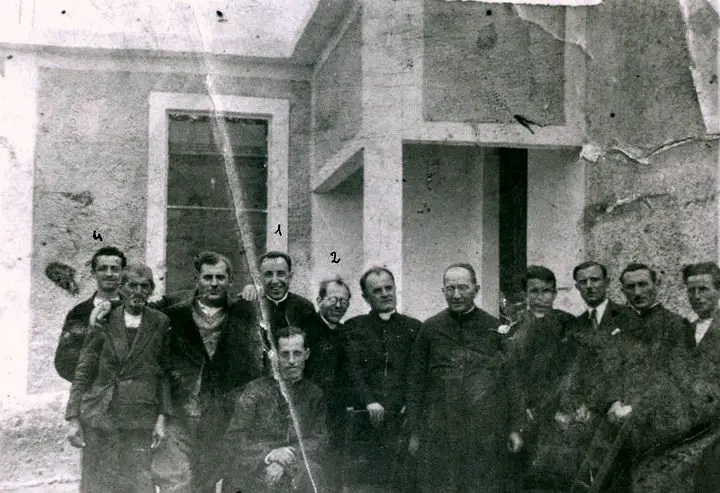
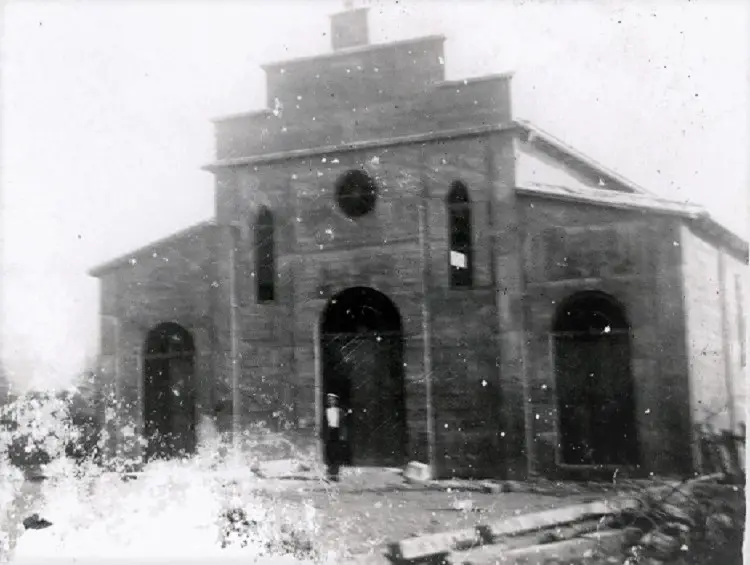
I was born on December 25, 1927, to a Catholic family in Gurëz and am a farmer by profession. We have been and remain faithful to the religion. I was in prison for 7 years. I worked as a farmer. I knew Dom Shtjefën Kurti very well. He was a tall and handsome man, very religious and determined to preserve the faith of Christ and to give his life for the faith. He was our parish priest here. Back then, we young people would gather at the church. We learned catechism and prayer. He built our church together with the people of Gurëz. In 1937, that church was blessed and named “Our Lady of Good Counsel,” whose feast we celebrate on April 26.
He left us and went to Tirana. There he was imprisoned and served many years; 17 years in Burrel, the most infamous prison. He was released from prison and brought here to our village. He was imprisoned only for religion, because he was a priest. Here in Gurëz, he worked hard as a field worker. I had a friendship with him. He even visited me at home. They arrested him again here in Gurëz and he was tried there at the church. He told the Presiding Judge: “For Christ, I want to die.” I believe that he died for Christ and for the faith.
Testimony of Gjergj Gjoni, regarding the life of Dom Shtjefën Kurti
I was born in Gurëz on January 1, 1934, to a Catholic family in Gurëz-Fushë Kuqe. I am a farmer and a folk poet. My family was persecuted. My uncle Ndue served 25 years in prison and I served 3 years for “agitation and propaganda.” I worked as a farmer and am a folk poet.
After his release from prison, Dom Shtjefën Kurti came to our village. He worked the land, but illegally he celebrated Mass, baptized, and administered the sacraments. He was very brave and wise, with faith in God. Dom Shtjefën Kurti was tortured a lot and when they were trying him, they brought him to the church bound in chains. We ask and pray for his recognition as a holy martyr.
Testimony of Kolë Marashi regarding the life of Dom Shtjefën Kurti
I was born on February 7, 1925, in Gurëz, to a Catholic family connected to the faith, and I am a farmer by profession. I was accused because of Dom Shtjefën Kurti. They called me to the investigator’s office and asked me: “What is your connection to Dom Shtjefën? Why do you believe in God?” They held me for questioning for five hours. They tortured and tormented me a lot. They were looking for the radio that Dom Shtjefën Kurti had. Dom Shtjefën said before the court: “I do not pity my life, for I have dedicated it to Christ.” I think he was a capable priest and a great hero.
Testimony of Nikollë Meta, regarding the life of Dom Shtjefën Kurti
Gurëz, March 17, 2003
I was born on September 9, 1922, in Gurëz, to a Catholic family, faithful to the Catholic religion and to Christ. I worked as a farmer. I knew Dom Shtjefën Kurti well because he was the parish priest here. He was a priest of weak health but dedicated to the faith. I assisted him during Mass and I remember his appearance very well. He preached very well and was a very good priest, dedicated to his profession. He was a good preacher of the Christian faith. He was killed because he was a priest, solely for the sake of religion.
Testimony of Luigj Nokaj, regarding the life of Dom Shtjefën Kurti
I was born on July 25, 1939, in Gurëz, into a large Catholic family where 12 family members were executed and 15 were imprisoned. I worked as a farmer. I knew Dom Shtjefën Kurti well. In 1970, I was released from prison after 22 years. Dom Shtjefën lived in the house of Shkurt Marka Biba, the poorest man in the village. He sent word to me that we should meet. I met him at night. He instructed me not to meet publicly during that time, as there was a risk of imprisonment. I participated in his trial.
My impressions of Dom Shtjefën Kurti: He was a dedicated cleric, determined not to bow his knees before the communists. He was sentenced twice, and the second time, in 1971, he was sentenced to death. He was convinced that death was a great honor, given by God. I believe he deserves the highest title of the Church—Holy Martyr.
Testimony of Aleksandër Giraldi, regarding the life of Dom Shtjefën Kurti
Tirana, March 31, 2003
I was born on March 23, 1932, in Durrës and I live on “Islam Alla” street, Bldg. 4, Tirana. I knew Dom Shtjefën Kurti here in Tirana, because when I was a child, we moved from Durrës and settled in Tirana. As Catholics, he was known to my family.
Dom Shtjefën was a very good and intelligent priest and preacher, as well as a patriot. He was very zealous. He created the Church Council and various groups for art, culture, and sports. He had a cinema with educational films. Through his activities, he increased our desire for the faith. He always spoke about religion and education.
Why was he imprisoned? The communists sought cooperation for the Albanian Catholic Church to separate from the Vatican and the Pope. He did not agree and was imprisoned. I was at his trial. “I have been a Catholic and a priest and that is how I want to die,” he had declared in court. He was imprisoned the first time because he was a priest, labeled as a foreign agent. He was imprisoned for the second time because he had baptized a child and was executed in 1971. I believe he is a martyr of the faith.
Testimony of Regjina Radoja, regarding the life of Dom Shtjefën Kurti
Tirana, March 31, 2003
I come from a Catholic family and we are related to Dom Shtjefën. I was born in Peja and live in Tirana, where I work as a teacher. For me, Dom Shtjefën was a perfect priest and a great organizer with many merits.
He was the parish priest in Peja and baptized my sister Maria. I know Dom Shtjefën as a loving man and a benefactor for the poor. He organized the holidays very well; he maintained connections with everyone – he was a priest with the soul of God.
He was imprisoned because he was a priest, because he believed in God. After his second arrest, he was killed because he was a priest, because he had performed a baptism.
The baptism that Dom Shtjefën gave to my sister, gifting her the name of the Virgin Mary, was a great miracle, because the baptism and the name Maria brought her back to life; a 7-month-old child, as she was at that time, could not have survived. Dom Shtjefën was a man of all human qualities: of trust, of his word, of honor, etc. When he gave his word, it was a finished task.
His appearance showed spiritual purity and sincerity. He was a worthy intellectual with an encyclopedic culture, always calm and communicative with all ages and social classes; he did not distinguish between classes – the rich and the poor were all the same to him as creatures of God. Dom Shtjefën helped the poor a lot, especially the emigrants who had no support. He was a perfect orator; his sermons were convincing.
When the month of May came, the month of the Virgin Mary, every night the church courtyard was filled just to listen to his sermons, as he told a true miracle every night. He was a true martyr, as he was massacred by the communist beasts. His determination to remain faithful to the holy mission he had undertaken enraged the infidels, who used all provocations to defeat him and, failing to do so, massacred him in a bestial manner. His body was disappeared and the family never learned of his fate.
Dom Shtjefën was a man of his time, respected by everyone, a man of outstanding personality. He is a true martyr of the faith and deserves to be canonized, as he did not die in bed surrounded by family, but aged in a bestial manner by the godless criminals.
Dom Shtjefën was an outstanding organizer of activities for different age groups. Through the activities he conducted, he aimed at bringing closer Catholic families who did not know the church, to increase the ranks of the Catholic community. Young people were involved in cultural activities, sports games, and theatrical activities during holidays, which were attended by all believers. Likewise, he showed educational films, while with the girls; he developed special and diverse activities through the Stigmatine nuns, who did very good educational work. Thus, through these organizations, the new generation of that period was prepared – highly educated, a generation valuable for the family, the faith, society, and all of humanity.
Testimony of Silva Qestini-Kurti, regarding the life of Dom Shtjefën Kurti
Tirana, March 31, 2003
I was born on May 9, 1949, in Tirana into the family of Dom Shtjefën Kurti and worked as a physicist. When I was born, Dom Shtjefën was in prison, but he gave me the name “Silva,” written on a piece of paper. He was very loving toward our families. In the summer of 1962, after he was released from prison, I met him. After his residence permit in Tirana expired, he took me with him to Gurëz, where his place of residence had been assigned. We spent a wonderful summer. He stayed with his brother, my uncle Kel.
My uncle was very loving and careful; he played the role of a teacher. He began to teach me Latin. He gave me the foundations of the faith. I was 13 years old then and in most of our conversations, he told me: “Faith was taken from us by the communists, but the day of religious freedom will come, belief will be allowed again.” To me, it seemed like a utopia. When the Holy Father, the Pope, came to Albania in 1993, the square was filled more than ever before.
My uncle left me a request that there was a Muslim boy in prison with him who had converted to Catholicism and was baptized in prison. He instructed me: “When he gets out of prison, he will knock on our door and you will treat him as your brother, because he cared for me like his own parent. I gave him my wallet; I taught him Italian and German. He is your big brother. You will recognize him.” That person has not appeared and I think he may have died in prison.
I have seen God through my uncle. I pray to Uncle Shtjefën for every problem in life and, so far, all my life problems have been solved as if by magic. My uncle, Dom Shtjefën, was in prison with the Archbishop of the Orthodox Church, Father Irini Banushi, in Lushnje. I had been transferred for work to Lushnje, together with my husband, in 1971. My marriage, even though religion was forbidden, was blessed by Father Irini, my uncle’s fellow sufferer. He felt this as an obligation because he held the highest regard for my uncle. I think my uncle is a holy martyr.
Testimony of Luigj Kurti, regarding the life of Dom Shtjefën Kurti
Tirana, March 31, 2003
I was born on November 6, 1923, in Ferizaj and live in Tirana. Dom Shtjefën is my uncle; my father and Dom Shtjefën are brothers. We moved from Ferizaj to Tirana in 1931. Dom Shtjefën came to Albania in 1930. We are a Catholic family from Ferizaj in Kosovo, which has given three priests: Dom Shtjefën Kurti, Dom Luigj Kurti, and Dom Damjan Kurti, who is the parish priest in Durrës, at Saint Lucia’s Church.
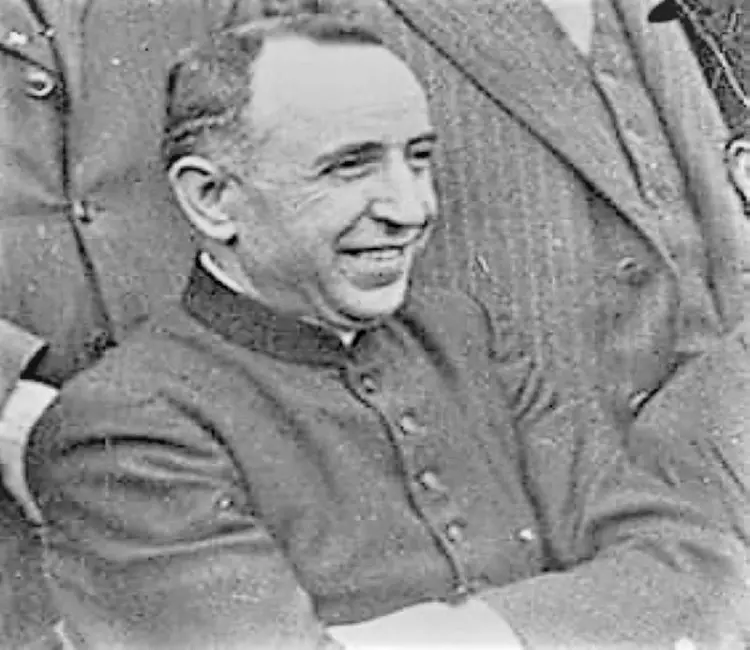
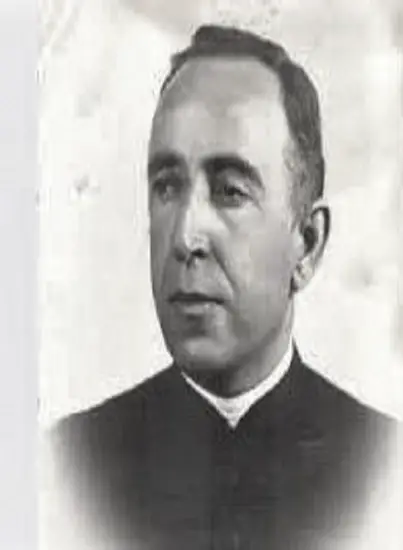
Dom Shtjefën Kurti was ordained a priest in Rome on May 13, 1921, where he also celebrated his first Mass. He returned to Kosovo and worked in Skopje as Secretary at the Archbishopric. He was also the confessor of Gonxhe Bojaxhiu, who became known to the world as Mother Teresa. Then he moved to Prizren and served as parish priest in Novosella, where he built the church and the parish house.
With the permission of the Apostolic Nuncio in Belgrade, he moved to Albania, along with Dom Gjon Bisaku and Dom Luigj Gashi. Here in Albania, he served in the Archbishopric of Durrës, the parish of Shna Prende in Gurëz, where he built a new church, parish house, and cemetery. In 1937, he was assigned as parish priest in Tirana and Dean until October 27, 1946, when he was imprisoned for the first time.
Dom Shtjefën repaired the old church in Tirana and built the new parish house in 1940. As a cleric, he was very active. He formed the “Saint Stephen Martyr” Catholic association for youth and adults, whom he educated with the teachings of the Gospel. Every Sunday he gave Mass at 9 o’clock. He had activities with the youth in and outside the church, such as theater and cinema. He worked with the church choir.
Dom Shtjefën preached very well and was highly authoritative. He had great devotion to the Blessed Virgin, as the church was also named “Our Lady of the Immaculate Conception.” He cooperated very well with the Stigmatine and Servite sisters, who were involved in the education of girls.
Dom Shtjefën was imprisoned on October 27, 1946. They tortured him a lot. He was sentenced in April 1947 to 20 years in prison. He told me all about the tortures: They took him at night with a firing squad, forced him to dig his own grave, and sat him down next to the grave. They told him to accept the indictment: “Spy for the Vatican and the Anglo-Americans,” or they would shoot him, but he made the sign of the cross and refused. The officer said to the military men he had with him: “Leave him and put him in the car.” They beat him and tied his hands and feet, put him through electroshock, and subjected him to terrible tortures, even putting salt in his wounds, but he told them: “I have done my religious duty.” In prison, he held Mass secretly. On May 2, 1963, he was released from prison and settled for work in Gurëz.
Testimony of Ali Toptani regarding the life of Dom Shtjefën Kurti
I was born on May 6, 1921, in Kavajë. I lived in Tirana, where I worked as an officer. I knew Dom Shtjefën when he was the parish priest in Tirana. I was in prison with Shtjefën in the same room; our mattresses were side-by-side. I spent my prison days near him. As a man of wonderful character, the best human qualities were united in his person.
As the parish priest in Tirana, he was a respected priest by both Catholic and non-Catholic believers. His authority was great and rested on his great personality, as well as his intelligence. From his great faith in God, he was equipped with courage and bravery and knew how to explain his spiritual convictions.
Once he told me after a debate he had with a communist officer: “They have taken up the rifle and violence, while we have God protecting us.” I am convinced that during that period, Albania lost many good men, among whom I single out Dom Shtjefën Kurti. He suffered for his religious idea, because he was a priest. I think he is a martyr of the faith and the nation. Others think so too. He is a martyr.
Testimony of Rrok Lulaj, regarding the life of Dom Shtjefën Kurti
Gurëz, March 24, 2003
I was born on August 16, 1928, in Kelmend, to a Catholic family. I have been here in Gurëz for 70 years and have worked as a farmer. I knew Dom Shtjefën Kurti very well. He was a family friend, as he had friendships with us and my uncles.
He loved us very much and we loved and respected him very much. He was very serious, with a strong character and authority. He maintained high discipline in the church and preached very well. The people of Gurëz loved him very much. He had changed the church of Gurëz.
Dom Shtjefën conducted many cultural activities, organized theater with the youth, and for the feast of Corpus Christi, he held processions with music. He decorated the church for the holidays. He tried to educate the youth with a love for knowledge. Through him, the path of education for our young people was open. He sent my brother to school in Shkodra.
Dom Shtjefën Kurti was imprisoned because he performed religious acts secretly. They imprisoned him for a baptism. During the trial, which lasted 7 days in the church, Dom Shtjefën stood very well, showing a strong character. They imprisoned him only because he was a priest.
They asked him if he listened to foreign stations, since he had a radio and listening to those stations was considered a crime by the Communist Party. The people have valued and value him as a martyr and a saint. Memorie.al