• Rreth Nesh
  • Kontakt
  • Albanian
  • English
Sunday, November 29, 2026
Memorie.al
No Result
View All Result
  • Home
  • Dossier
  • Interview
  • Personage
  • Documentary
  • Photo Gallery
  • Art & Culture
  • Sport
  • Historical calendar
  • Others
  • Home
  • Dossier
  • Interview
  • Personage
  • Documentary
  • Photo Gallery
  • Art & Culture
  • Sport
  • Historical calendar
  • Others
No Result
View All Result
Memorie.al
No Result
View All Result
Home Dossier

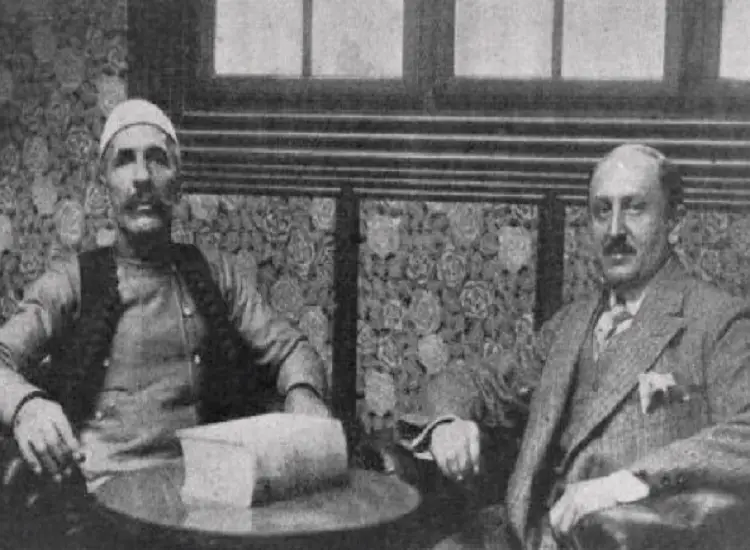
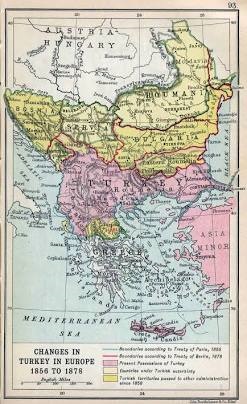
Austria-Hungary was in favor of a powerful Albanian state, which would include all the lands inhabited by them, since in this way, Vienna wanted to prevent Serbia from reaching the Adriatic Sea.

Memorie.al
“Qazim bej Vlora në moshën 66 vjeçare, u martua me Behije Sherif Masllafin (Ohrin), grua e ve 29 vjeçare, që kishte katër fëmijë…”/ Historia e panjohur e djalit të dytë të Ismail Qemalit që trashëgoi arkivin e tij
“Ndër filmat anglofobë, të prodhuar nga industria kinematografike e Gjermanisë naziste, mund të përmendet edhe ‘Xhaxhai Krüger i vitit 1940, i realizuar…”/ Libri i ri i gazetarit dhe diplomatit Bashkim Trenova
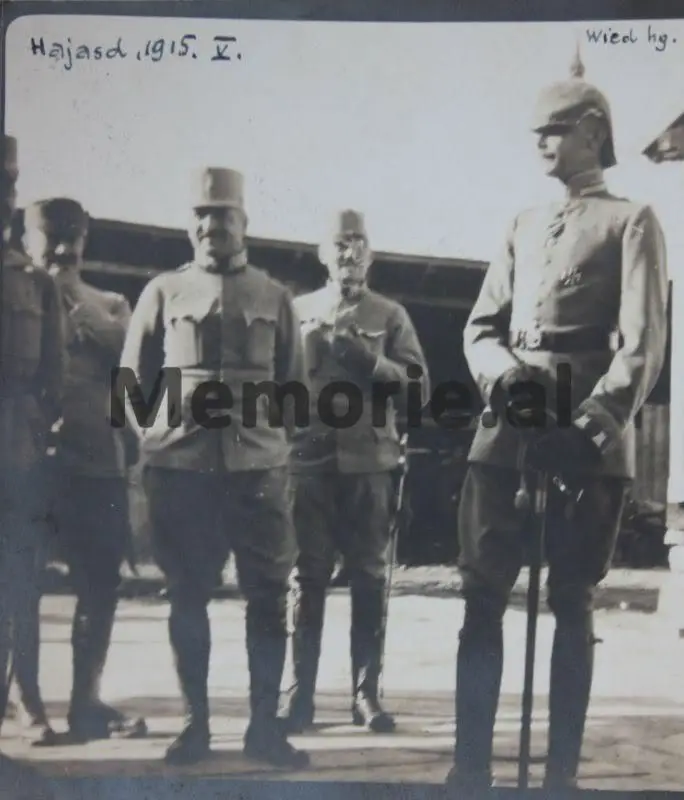
Zbulohet programi politiko-ekonomik i Princit Wilhelm Wied për Shqipërinë, i botuar në Gjermani në librin “Denkschrift uber Albanian”, dhe i refuzuar në Tiranë në 1956-ën
“Në korrik 1958, me dekret të veçantë u kalua në ndarjen e re administrative, ku suprimohet njësia qark dhe si njësi më e madhe vendore…”/ Historia e ndarjes së administrative të Shqipërisë, nga 1912-a deri sot
Austro-Hungaria ishte pro një shteti të fuqishëm shqiptar, ku të përfshiheshin të gjitha trojet e banuara prej tyre, pasi në këtë mënyrë, Vjena donte të pengonte daljen e Serbisë në Detin Adriatik

By Anila Shuka

Memorie.al / It were a Monday afternoon in December 1912, when the ambassadors of Austria-Hungary, Germany, Russia, France, and Italy gathered for tea in the study of the British Foreign Minister Edward Grey. One of the main topics of the meeting, which in the following months would be repeated and would enter history under the name the London Conference, was Albania. It was the Balkan country whose people had declared independence nearly three weeks earlier; that it would become independent was known.

But the question was: what would be the form of this state, its borders, and who would lead this population with a Muslim majority? The German historian Hanns Christian Loehr, in his book titled “Die Gründung Albaniens – Wilhelm zu Wied und die Balkandiplomatie der Grossmaechte 1912–1914” (The Founding of Albania – Wilhelm zu Wied and the Balkan Diplomacy of the Great Powers 1912–1914), published in 2010, has examined the conversations of that time under the microscope.

The border with Serbia was unnatural

Gjithashtu mund të lexoni

“Many enemies have worked against our party, but if two or more traitors are discovered within the party, we never leave them unpunished, by…”/ Enver Hoxha’s conversation with the Chinese Red Guards, July 8, ’67

“In Alexandria and Port Said, the Russians will establish their military-naval bases and Egypt will allow them to use them against Albania…” / Secret meeting of Mehmet Shehu with Khalid Al Wazir, August 1, 1970

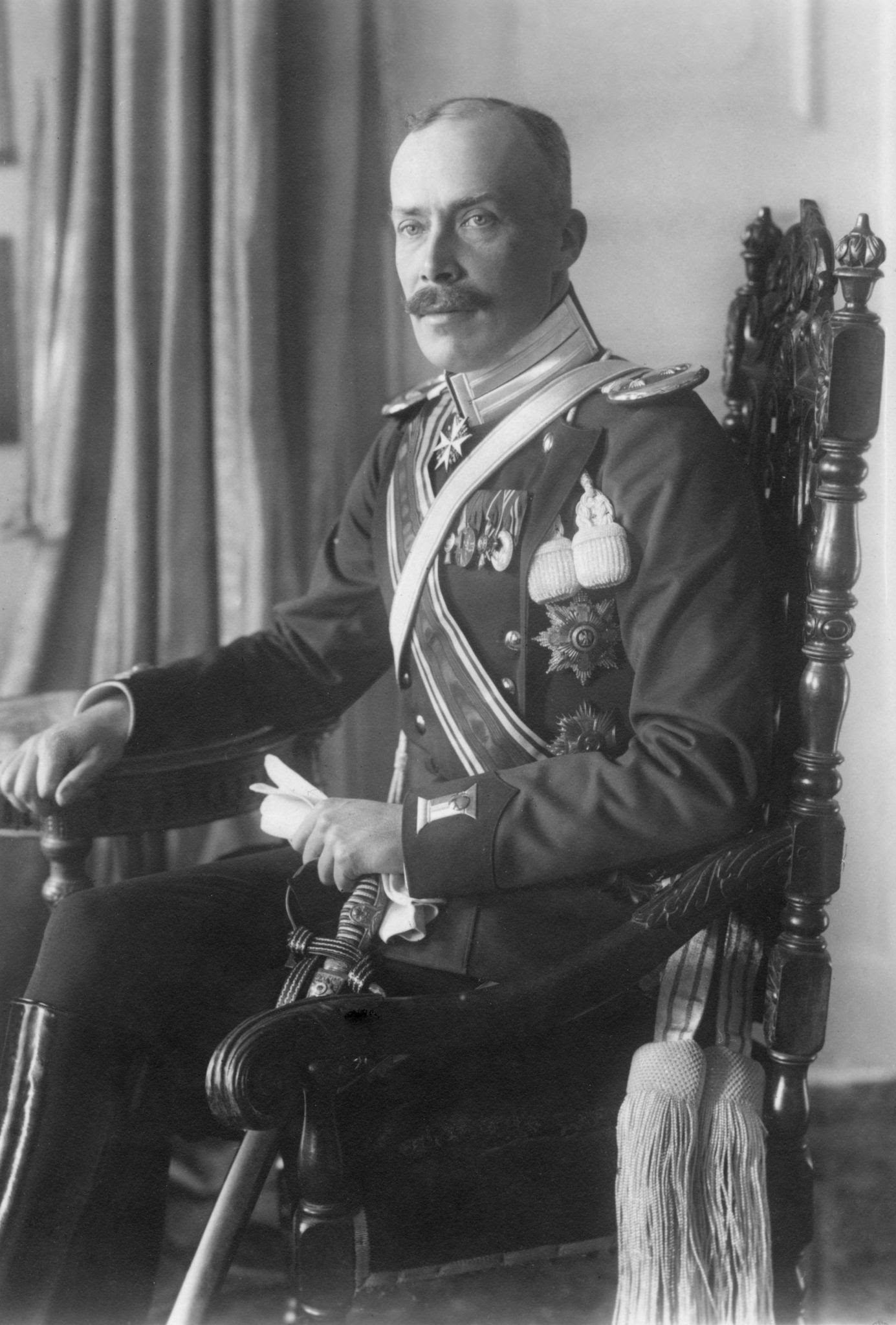
In his book of over 250 pages, Loehr analyzes the diplomacy of the great powers on the eve of the First World War, taking as an example precisely the creation of the Albanian state. By “Albanian state” he does not mean what most Albanians mean – the declaration of independence on November 28, 1912 – but rather the entity that emerged as a result of the London compromise in 1913: that is, an independent principality under the leadership of the German prince Wilhelm zu Wied and protected by the six great powers.

The negotiations of that time for the creation of the Albanian state, according to Loehr, take on particular importance in European and even world history. Because they reflected the disagreements among the powers: one example is the achievement of the compromise on Albania’s borders, as a result of which 750,000 Albanians were left outside the territory: “The border with Serbia, for example, was a very unnatural and unjust border for the Albanian people, but since it was the result of a compromise, it ensured that European peace was preserved for at least two more years and that there would be no war between Austria-Hungary and Russia,” Loehr said at the time in an interview for DW Albanian.

Austria-Hungary in favor of an Albanian state

Austria-Hungary was in favor of a strong Albanian state that would include all territories inhabited by Albanians. In this way, Vienna wanted to prevent Serbia (and thus Russia) from gaining access to the Adriatic Sea. Austria-Hungary was supported by Germany and Italy, while Russia and France defended the interests of the other Balkan states: Serbia, Montenegro, Bulgaria, and Greece, which would have preferred to divide the Albanian space among them.

That this solution, emerging from this bargaining of interests, would fail was evident, for example, in the way the construction of the institutions of the new state was planned. “It had been determined in detail even how the posts of the directors of the Bank of Albania would be divided among the six powers. Such detailed provisions would become the cause of periodic disputes,” said Loehr.

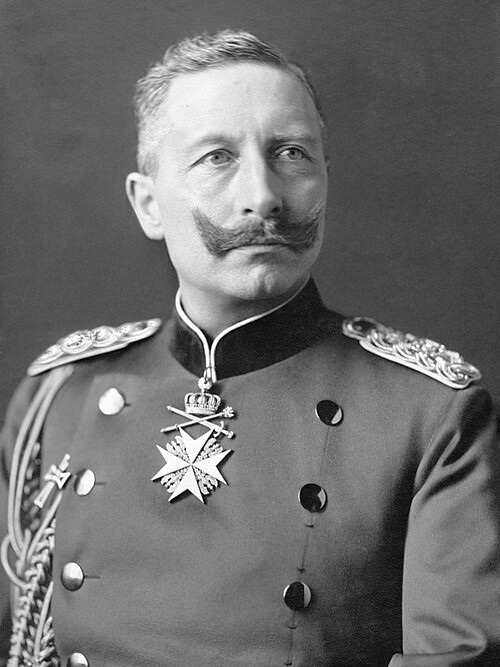
German Emperor Wilhelm II against the creation of Albania

The fact that the prince chosen to lead the Albanians was German was not necessarily a sign of Germany’s particular interest in Albania. Wilhelm zu Wied, the prince appointed to head the new principality, was chosen for that post because he was Protestant and German – that is, he was thought to be impartial. But he had no experience whatsoever with Albania, thus becoming the personification of this weak compromise.

The fact that he was German was positive, because Germany had no direct interests in the Balkans. And this is best highlighted by the stance of the emperor at the time: “Wilhelm II did not even want Wied to go to Albania, nor did he want an Albanian state to exist. But it was the diplomats who maneuvered him in this direction, referring to the obligation arising from the alliance with Vienna.”

And here also emerges the reason why Loehr, who as a historian has dealt mainly with the looting of artworks during the Nazi era, takes the trouble to conduct a study on Albania: “Looking at Germany’s foreign policy through the example of Albania, one sees that the German Emperor had no power at all.

Thus, when posing the question of who bears responsibility for the outbreak of the First World War, the answer is that a major part of the responsibility is borne not by the Emperor, but by the Chancellor of the Empire (Bethmann Hollweg),” he says in the interview. / Memorie.al
ShareTweetPinSendShareSend
Previous Post

Calendar 29 November, 2026

Next Post

"Many enemies have worked against our party, but if two or more traitors are discovered within the party, we never leave them unpunished, by..."/ Enver Hoxha's conversation with the Chinese Red Guards, July 8, '67

Artikuj të ngjashëm

“Many enemies have worked against our party, but if two or more traitors are discovered within the party, we never leave them unpunished, by…”/ Enver Hoxha’s conversation with the Chinese Red Guards, July 8, ’67
Dossier

“Many enemies have worked against our party, but if two or more traitors are discovered within the party, we never leave them unpunished, by…”/ Enver Hoxha’s conversation with the Chinese Red Guards, July 8, ’67

November 28, 2026
“If we listened to the Soviets, Durrës and Vlora today would be their naval bases…”/ Mehmet Shehu’s secret meeting with Khalid Al Wazir at Zogu’s Villa in Durrës, August 1970, is revealed
Dossier

“In Alexandria and Port Said, the Russians will establish their military-naval bases and Egypt will allow them to use them against Albania…” / Secret meeting of Mehmet Shehu with Khalid Al Wazir, August 1, 1970

November 26, 2026
“In 1960, when the head of foreign relations in the Central Committee, Piro Bita, asked Enver Hoxha to congratulate Noli with a telegram on his 80th birthday, he…”/ Reflections of the famous historian
Dossier

“In 1960, when the head of foreign relations in the Central Committee, Piro Bita, asked Enver Hoxha to congratulate Noli with a telegram on his 80th birthday, he…”/ Reflections of the famous historian

November 26, 2026
“Just two weeks after the Declaration of Independence of Albania, on December 12, 1912, the draft was published in the Austrian magazine ‘Das Interessante Blatt’, which stated that…”/ The discovery of the famous historian from Kosovo
Dossier

“Just two weeks after the Declaration of Independence of Albania, on December 12, 1912, the draft was published in the Austrian magazine ‘Das Interessante Blatt’, which stated that…”/ The discovery of the famous historian from Kosovo

November 26, 2026
“If we listened to the Soviets, Durrës and Vlora today would be their naval bases…”/ Mehmet Shehu’s secret meeting with Khalid Al Wazir at Zogu’s Villa in Durrës, August 1970, is revealed
Dossier

“Today, thousands of sons of our people fill the prisons of Israel, Jordan, Iraq and the Arab Republic…”/ Secret meeting of Khalid Al Wazir with Mehmet Shehu, at Zog’s Villa in Durrës, August 1, 1970

November 26, 2026
“Albania cannot build with its own forces, but the Chinese facilities built here with our help are of a poor technical level, because…”/ Conversation between Zhou Enlai and Enver Hoxha, March 1965
Dossier

“Albania cannot build with its own forces, but the Chinese facilities built here with our help are of a poor technical level, because…”/ Conversation between Zhou Enlai and Enver Hoxha, March 1965

November 26, 2026
Next Post
“Many enemies have worked against our party, but if two or more traitors are discovered within the party, we never leave them unpunished, by…”/ Enver Hoxha’s conversation with the Chinese Red Guards, July 8, ’67

"Many enemies have worked against our party, but if two or more traitors are discovered within the party, we never leave them unpunished, by..."/ Enver Hoxha's conversation with the Chinese Red Guards, July 8, '67

“Historia është versioni i ngjarjeve të kaluara për të cilat njerëzit kanë vendosur të bien dakord”
Napoleon Bonaparti

Publikimi ose shpërndarja e përmbajtjes së artikujve nga burime të tjera është e ndaluar reptësisht pa pëlqimin paraprak me shkrim nga Portali MEMORIE. Për të marrë dhe publikuar materialet e Portalit MEMORIE, dërgoni kërkesën tuaj tek [email protected]
NIPT: L92013011M

Na ndiqni

  • Rreth Nesh
  • Privacy

© Memorie.al 2024 • Ndalohet riprodhimi i paautorizuar i përmbajtjes së kësaj faqeje.

No Result
View All Result
  • Albanian
  • English
  • Home
  • Dossier
  • Interview
  • Personage
  • Documentary
  • Photo Gallery
  • Art & Culture
  • Sport
  • Historical calendar
  • Others