By Sokol Parruca
Part Ten
– The rare testimonies of the well-known jurist Sokol Parruca, about the iconic football figures of Shkodra over the years, such as; Halepiani, Hasa, Rragami, Rakiqi, Bizi, Dani, Zhega, etc., artists like Vasija, Tërshana, Aliaj, Ljarja, etc., as well as other emblematic characters of that city, etc. –
Memorie.al / It is difficult to write about the former football players of the “Vllaznia” team of Shkodra over the years, without being a football scholar and specialist, but I am jotting down impressions, about those I knew, touched, and saw, about the coaches of the age groups, without pretending to say everything they deserve. And undoubtedly I judge that it is impossible not to mention Ernest Halepiani. I was about 9 years old, I don’t remember which neighborhood friend I went with for the first time, to the “Pioneers’ Park,” near the former “January 11” school, to start training in the sport of football. There, coaching the children was a short man, hair with tiny curls, with a face that shone with kindness.
Continued from the previous issue
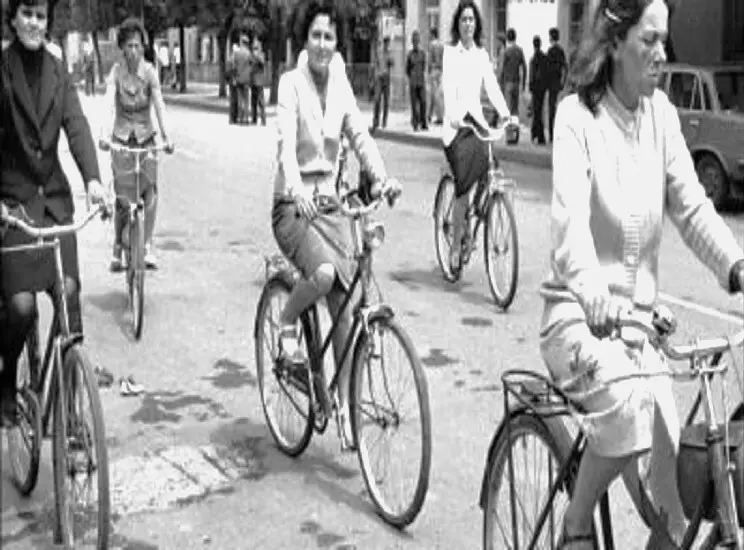
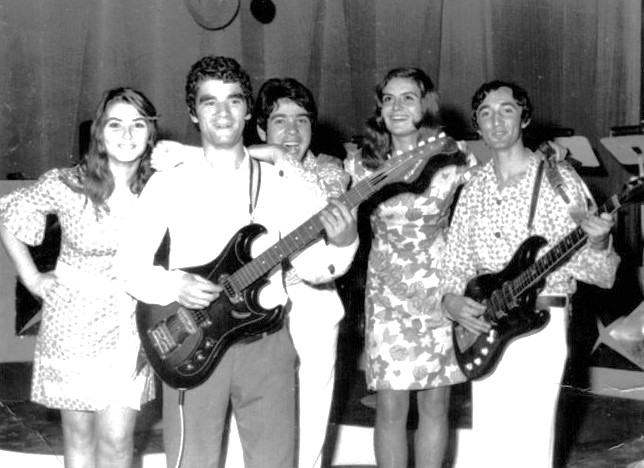
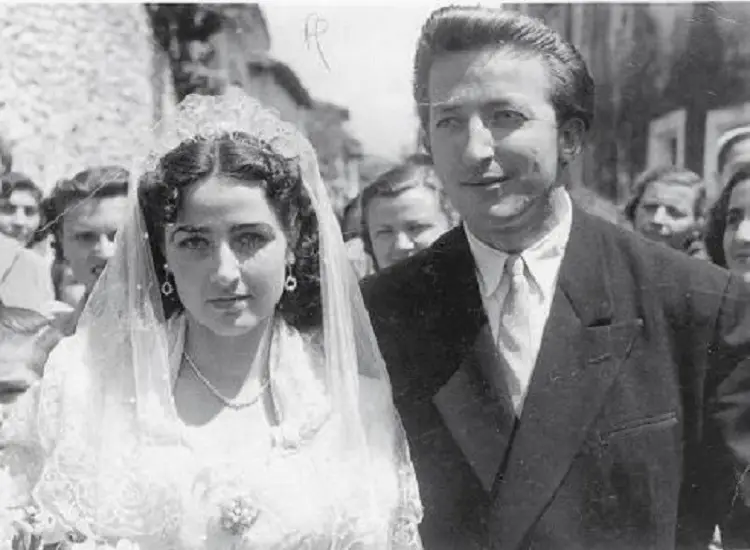
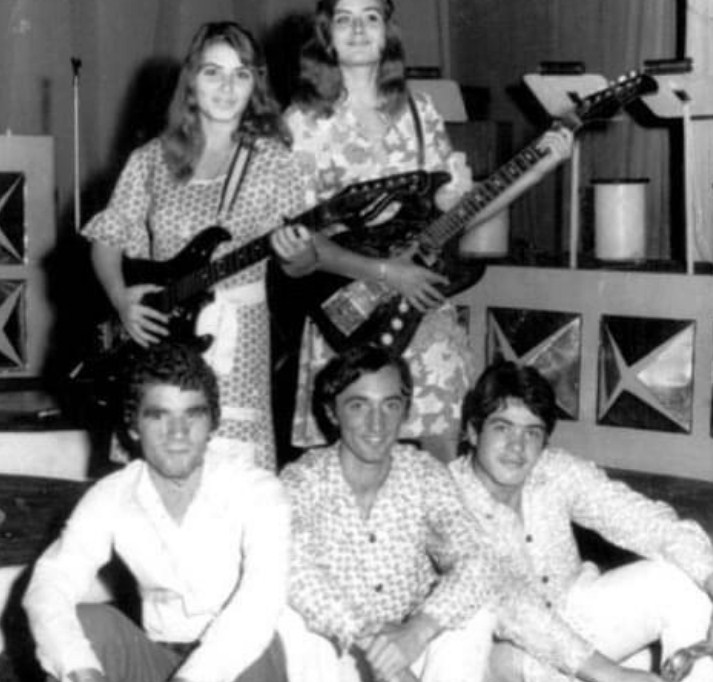
THE BEAUTIFUL SHKODRAN GIRLS
Pardon me, for mentioning names without permission and, perhaps without your desire. I know it’s not ethical, but it’s impossible that within the contours of a city’s beauty, you are not included, that you do not have your part, your share.
For the feminine beauty of Shkodran girls, distinguished pens have written, the greatest poets have woven verses and poetry, classical composers have been inspired by and dedicated songs and music to you, because your profile, your beauty is art in itself, about which not just anyone can write, only beautiful pens.
Forgive me, because these lines are by no means at the level you deserve; I am a fellow citizen who has no connection whatsoever with the art of writing, but I am simply an attentive observer of my city, seeking to narrate, about what has fixed and preserved in memory about the girls of a time, who shone with beauty and adorned, embellishing the city’s panorama.
For me, they were “Misses” above the “Misses” of this time, because they were beautiful and magnificent in their simplicity. They didn’t have the opportunity to wash in bathtubs with the most expensive shampoos, but washed with “water and soap” and with kerosene showers.
They never wore perfume, but they scented the whole street when they passed with the intoxicating aroma of their body-perfume. They dressed in a simple cotton dress, but shone as if dressed by the world’s greatest stylists.
Their shoes and sandals were among the cheapest, but they gained value, because they held the most beautiful feet, the most elegant statures, faces as if handmade, living paintings, worthy of being put on canvas only by the hands of masters such as Van Gogh, Matisse, or Chagall…!
In the early years, Hollywood had the beauty Greta Garbo, but we had Qamile, for whom the boys of the time wove verses and songs. The world marveled at Liz Taylor, we had her sister, perhaps more beautiful, Ana Jakova, but while Liz lived in the midst of fame and luxury, our Ana sold the blood of her body, to support her husband in prison, the famous singer, the bass Luk Kaçaj.
Could you imagine seeing the beautiful Violeta Ashiku on the main promenade and not following her with your eyes, and if the “Miss Age” contest could be organized in the world today, surely Violeta Ashiku and Zyhra Tukiqi Kraja would be honored with prizes.
Somewhere in a narrow and cold hovel, Dhurata Mulleti embroidered and mended socks, but God had embroidered her with his own hand. But where is there another like Poli Ingriz, with that tall cypress-like body, those big black eyes with a sparkle! Have you seen a more beautiful body than that of Kjara Ashta? I don’t know how that slender waist didn’t break holding that broad-shouldered body.
How could one not notice the elegance and finesse of Nineta Verbica. Do you remember how sweet, beautiful, and stylish Ana Shkreli, Terezina Çapaliku, Valderozi, Klaudia Shllaku, Viola Duka, Zana Omari, the Kastrati sisters, Suela Lekaj, and many others were?
And Meri Topalli and Ina Çoba, whom we dared not glance at because their beauty would shake you, silent, serious, they walked the city streets proudly, aware of what they represented, of the wisdom, culture, and class they possessed.
The world created and prided itself on the “Barbie” doll, but we also had our doll, Nermin Rusi, with those green eyes and curly-curly hair, she was like a cocoon, our Shkodran beauty. Unfortunately, they lived in an inappropriate time.
Instead of rejoicing in their beauty, it often turned into suffering and torture for them, to be surrounded by an extremely masculine society, they couldn’t knock on a state office for a job or a problem, because they would encounter disgusting officials, with spiritual and sexual deficiency, in a society where boys prided themselves to each other on the number of lovers, lying and slandering girls they couldn’t even approach, let alone win their hearts.
And thus, sometimes they cursed their own beauty, suppressed their peaceful and sensitive souls, and in silence let that amazing beauty that God had bestowed upon them go to waste. Memorie.al
THANK YOU FOR EXISTING! YOU ARE GOD’S GIFT TO OUR CITY.

![“After the ’90s, when I was Chief of Personnel at the Berat Police Station, my colleague I.S. told me how they had once eavesdropped on me at the Malinati spring, where I had said about Enver [Hoxha]…”/ The testimony of the former political prisoner.](https://memorie.al/wp-content/uploads/2024/09/admin-ajax-4-350x250.jpg)