Memorie.al / The years go by and in my memory, this June, the tales of my father about the 1946 Balkan Games remain indelible. From time to time, I browse and return to the collections of “Sporti” that my father left me. I keep them as precious things, together with the photographs from that Balkaniad, which I am presenting to readers for the first time. Besnik Dizdari, on the 80th anniversary of “Sporti,” among other things, emphasized that his books about sports would never have been published without having on his table, among others, Anton Mazreku’s “Sporti Shqiptar,” the “Sporti” of Anton Mazreku, of Tuni Papuçiu and Koci Zengo, “Sporti Popullor” of Filip Liça, Osman Palushi, Skënder Tupja, Agim Korbi, and Besnik Dizdari.
My father left us suddenly, on a day in early June 1975, before turning 53. Far from us. In Shkodër, among friends and well-wishers whom he loved and who loved him and one of whom he had had as his closest collaborator since 1945: the unforgettable Anton Mazreku. Even in the last moments of his life, he didn’t want to disturb anyone, not even his roommate.
He left, even though his loved ones would have wanted him much more by their side, to hear his melodious voice that brought life to dinners among friends, weddings of relatives, the joy of a New Year’s arrival among neighbors. He never asked for anything for himself, even though he deserved more. He worked all his life with modesty. Above all, he was honest and proud, and so he remained until the end of his short life.
Everything motivated him and he did it for the good of his homeland, for simple people. His relatives and his many well-wishers will remember him as a sincere man, with character, who won you over with his voice when there was joy in the family or society, but who also expressed his deep regret for the misfortune of a friend or acquaintance nearby, with heart and soul, to share the pain together.
Whenever fellow citizens from his region came to Tirana, the simple Tuni would help them with a problem, to see a good doctor, to show proper care, to help children get an education, knowing his big heart, his compassionate soul, his generosity; even though they knew he was just an ordinary press worker.
And he, as much as he could, helped them as if they were his own family members. Without asking in exchange for any favor or privilege for himself or his family. The only thing I remember, when my father died, many, many people I didn’t know came to offer condolences, but with simple words expressed their gratitude for him.
There were friends like the distinguished commentator, Ismet Bellova, who remembered him for his dedication in the 1946 Balkan Games. And from time to time they greeted each other as good friends.
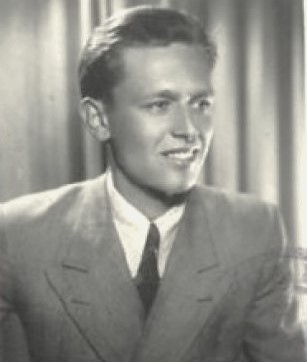
Tuni Papuçiu, together with the well-known writer Jakov Xoxa, conceived and published the newspaper “Përpjekja e rinisë” (The Effort of Youth) in Sevaster, Vlora, where Tuni had been integrated into the
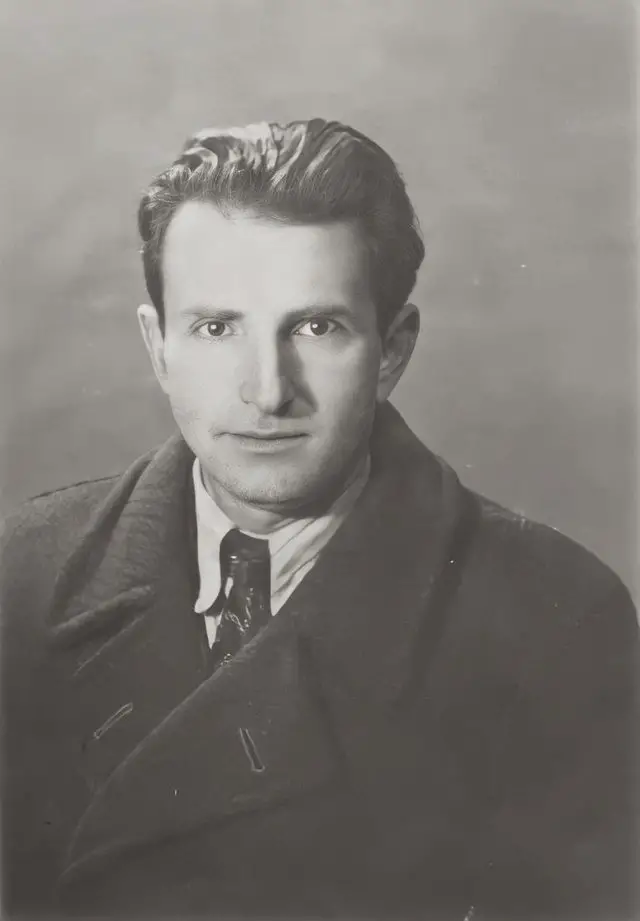
First Operational Zone since 1943. Then he continued his journalistic activity in Tirana at the newspaper “Sporti” (1945) as its editor-in-chief, working alongside Anton Mazreku in the 1946 Balkan Games.
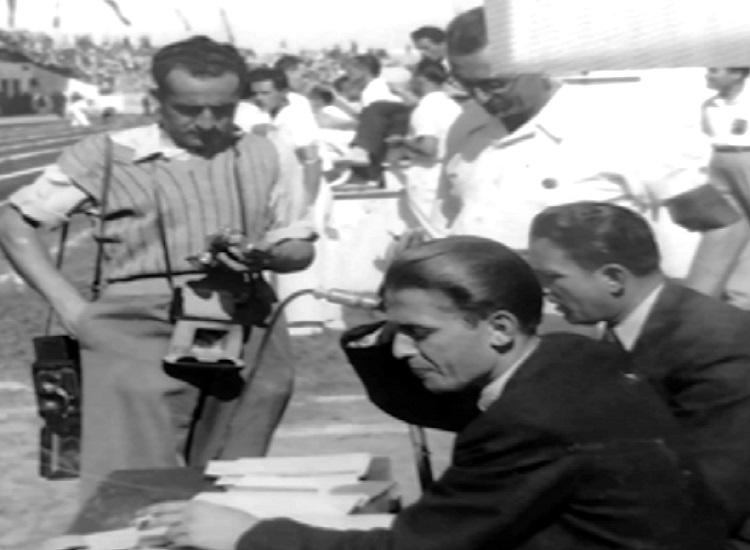
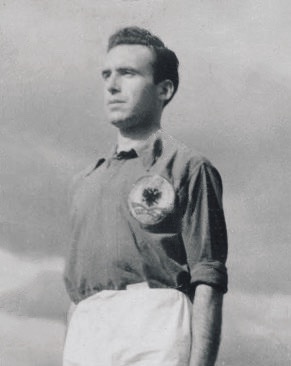
At that unforgettable Balkaniad, he would always be found alongside Anton Mazreku, as the attached photographs show, to experience the emotions of the first Balkan victory for Albania brought by Loro Boriçi (1922–1984), the captain, symbol, and legend of Albanian football.
He always spoke to me warmly about the unforgettable Anton Mazreku, about Loro Boriçi and other athletes, about whom he wrote with great kindness in the pages of “Sporti” in the early years after liberation. He told me that Anton Mazreku was a noble, dear man, very cultured, but extremely modest.
Together with him and some other friends, they organized the 1946 Balkan Games, which turned out to be a great success for Albania. I keep as rare relics the photographs where my father appeared with Anton Mazreku, broadcasting live from the field and not from the studio.
Also, very expressive is the photograph when the football team became Balkan champions and everyone, my father, Anton, Loro Boriçi, and the team, appear extremely enthusiastic about that deserved victory. The great Loro had embraced him and for a few moments they had exchanged impressive words about the deserved victory.
Father also met the giant Loro several times later, and they remembered those glorious days of the 1946 Balkan Games. My father also told me that later, when Anton Mazreku broadcast football matches and I, very small, stayed in the room where his voice, so dear and resonant to sports fans, could be heard.
At that time, Tuni, as editor-in-chief of “Sporti,” had to cover the newspaper’s coverage of the matches. He was dedicated and had to stay until late at night, so that the newspaper would come out as well and as varied as possible. So dedicated and tireless, he remained for 11 years as “fresh,” working at night at the country’s main newspaper.
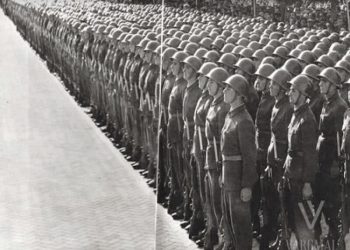
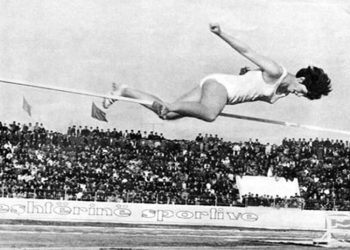
His indescribable joy, together with the unforgettable Anton Mazreku, for the great victory in the 1946 Balkan Games, he also expressed in his writings in “Sporti” of that period. And it was truly impressive, my father told me. Just a few days after its inauguration, the “Qemal Stafa” National Stadium hosted the first international football and athletics event in Europe: the Balkan Games.
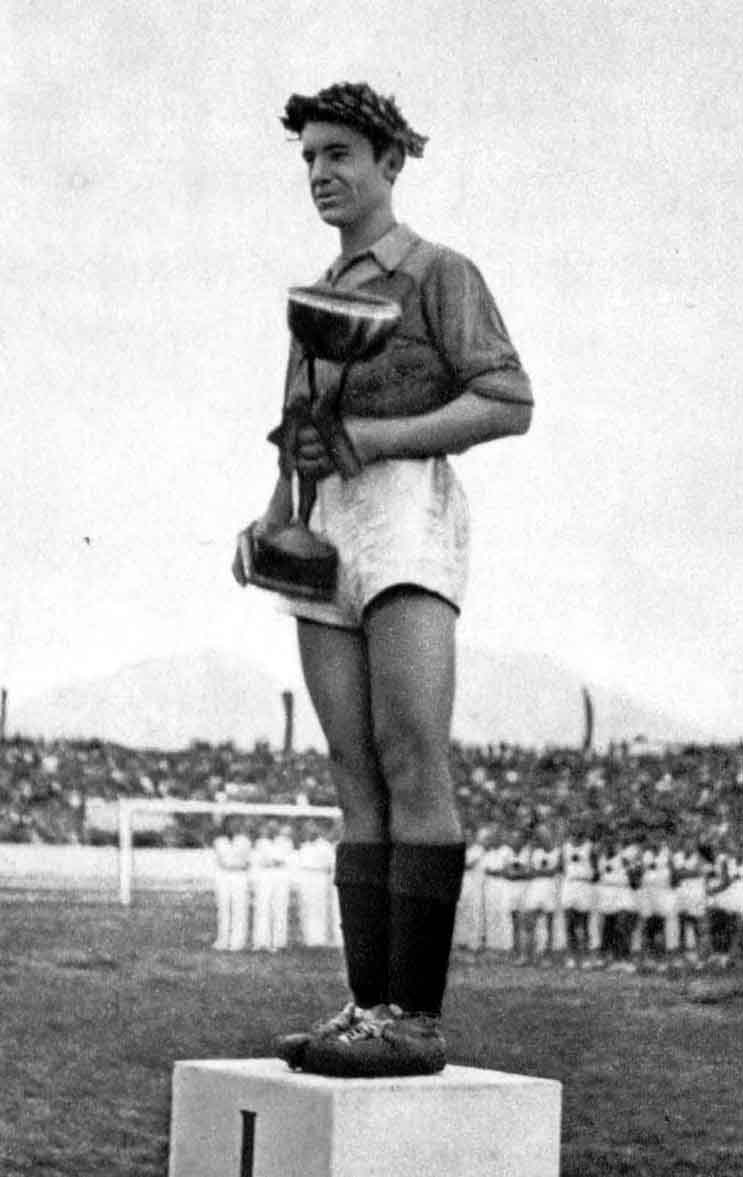
Loro Boriçi with the Balkan Champion’s Cup atop the winners’ podium. And he himself, Tuni, only 23 years old, raising his arms with enthusiasm for the deserved Albanian victory. My father had a special respect, especially for Anton Mazreku, considering him a highly cultivated man who helped my father greatly with his experience and knowledge of sports.
He emphasized to me that Anton had a special passion for literature and his writings stood out for his broad journalistic culture and for his arguments and knowledge that enriched Anton Mazreku’s article or writing.
I keep as rare treasures the issues of “Sporti” from that time, where alongside my father’s writings, those of the unforgettable veterans of Albanian sports and sports journalism, the good and dear Anton Mazreku, stand out.
He was the grandson of the great Albanian patriot, one of the brightest figures of our national history, Luigj Gurakuqi. He also left this life in 1969, leaving the best memories for sports fans and his good friends. / Memorie.al