


By Dashnor Kaloçi
Part thirteen
Memorie.al / From 1944, when it came to power, until the end of 1990, the communist regime of dictator Enver Hoxha and his successor Ramiz Alia – based on the theory and “teachings of Marx, Engels, Lenin, and Stalin” as well as the ideology they devised and applied across nearly half the world – continuously waged class warfare, executing, imprisoning, or interning their political opponents. In this context, starting from December 1944, when Enver Hoxha and the government he headed descended from the mountains and took power, alongside executions with and without trial, the internment of tens and hundreds of families began. These were families they considered “overthrown classes” or accused of being “enemies of the people” – mainly wealthy or middle-class families, former officials of King Zog’s Monarchy, who during the occupation period had joined or supported the nationalist organizations “Balli Kombëtar” or “Legaliteti.”
This punitive “practice” of internment and deportation would also be applied to hundreds upon hundreds of communists (ranging from the simplest members to former members of the Political Bureau of the Central Committee of the APL), deputies, ministers, military officers, and high-ranking officials, along with their families, whom Enver Hoxha and the communist regime in power would declare “traitors, revisionists, enemies of the people,” etc. From 1944 until 1949, decisions for internment and deportation were made by the “Commission for Deportations and Confiscation of Assets,” which operated under the Ministry of Internal Affairs. In the following years, this commission changed its name several times until 1954, when it was placed under the jurisdiction of the Prime Ministry and named the “Internment-Deportation Commission,” which functioned regularly until 1990.
From 1954 until 1974, the chairman of that commission was Beqir Balluku, a member of the Political Bureau of the Central Committee of the APL, who held the position of Minister of People’s Defense and simultaneously that of Deputy Prime Minister in the government headed by Mehmet Shehu. The vice-chairman of the commission was the Minister of Internal Affairs, Kadri Hazbiu, while the members included the Attorney General Dhori Panariti and the Chairman of the Supreme Court, Aranit Çela. (After the sentencing of Beqir Balluku in 1974, the role of Chairman of Internment-Deportations was taken by Deputy Prime Minister Manush Myftiu, and after the sentencing of Kadri Hazbiu, the role of vice-chairman was taken by Hekuran Isai).
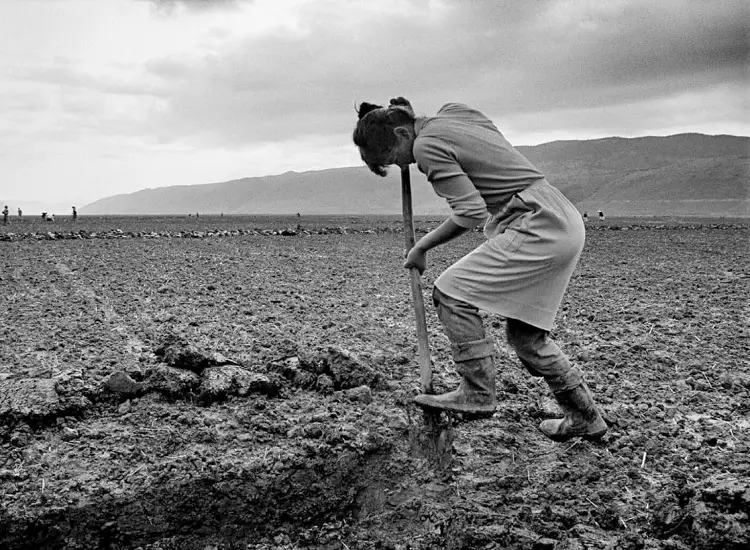
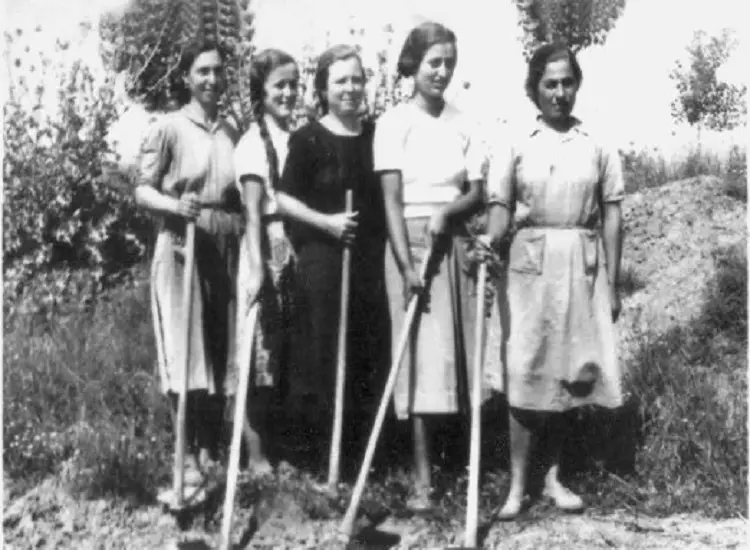
During its entire period of existence and operation, this commission issued hundreds and thousands of decisions, deporting and interning thousands of persons who were forcibly removed from their places of residence and compelled to live in remote villages and areas of the country, from south to north. The villages containing internment camps were primarily designated by the government in the Myzeqe area of Lushnje and Fier (Savër, Çermë, Bedat, Grabian, Gradisht, Plug, Gjazë, Zhamë, Sulzotaj, Kryekuq, Karavasta, Shtyllas, etc.) – specifically in the central part of the country – to keep them as far as possible from the state borders to prevent escape from Albania.
Based on the relevant law under which the Internment-Deportation Commission operated, a person or a family was initially interned for five years, but these terms were repeated, being extended every five years. As a result, entire families – mainly from Northern Albania, such as the Gjonmarkaj of Mirdita; the Kaloshi, Sina, Alia, Dema, Dine, Mena, and Ndreu of Dibra; the Bajraktari and Kolgjini of Kukës; the Kola, Allamani, and Sulkurti of Mat; the Merlika, Kupa, and Bami of Kruja; the Mirakaj of Puka; the Radi and Gjekaj of Shkodra; the Pervizi of Kurbin; and the Mulleti and Petrela of Tirana; or those from the South of the country, such as the Dosti of Gjirokastra; the Frashëri and Çela of Përmet and Kolonja; the Staravecka of Skrapar, etc. – remained in internment locations until 1991, when the communist regime collapsed. In fact, some of them remained there for many years afterward, as they had nowhere else to go, having no corner left to shelter their heads!
Regarding the above, Memorie.al has secured a voluminous file from the Archive of the Ministry of Internal Affairs (bearing the “Secret” stamp, but long since declassified), containing the decisions of the Internment-Deportation Commission, which we are publishing in full along with the relevant facsimiles. These include the names of the individuals and families who were deported and interned, as well as the specific charges against each of them.
Continued from the previous issue…
DECISION NO. 47 OF THE COMMISSION FOR INTERNMENT AND EXPULSION
PEOPLE’S REPUBLIC OF ALBANIA TOP SECRET
COMMISSION ON INTERNMENT AND EXPULSION Tirana, 5.10.1967
DECISION No. 47
The Internment-Expulsion Commission, convened on 5.X.1967, in support of the decree of the Presidium of the People’s Assembly, No. 1906, dated 2.8.1954, after studying the materials and proposals submitted by the Ministry of Internal Affairs,
DECIDED:
For the reason that they carry out hostile activities and pose a significant social danger, to internecine for 5 years the following persons:
- Neki Qazim Burimi, born in 1898, born in Psar i Zi, Kolonja district, resident in Tirana, wealthy class, married, with children, unemployed.
- Rake Xhafer Burimi, born in 1900, housewife, and his wife.
- Bujar Neki Burimi, born in 1931, with secondary education, working at the Tractor Factory, son, married.
- Stolie Bedri Burimi, born in 1936, with primary education, worker at the Tractor Factory, Bujar’s wife.
- Agim Qemal Burimi, born in 1931, born in Psar i Zi, Kolonja district and living in Tirana, wealthy class, by profession surveyor, technician in High Voltage, married, with three children.
- Besnike Hasan Burimi, born in 1933, child educator at Kindergarten no. 34. Besnike’s parents have a good attitude, she is Agim’s wife.
- Sanije Qerim Burimi, born in 1907, housewife, mother.
- Suljeman Qemal Burimi, born in 1933, with 7 years of education, electrician at the Electrical Institute, married, brother.
- Razije Riza Burimi, born in 1938, with 7 years of education, housewife, wife of Sulejman.
To be interned in Petë, Vlorë district.
- Luan Qemal Burimi, born in 1937, with secondary education, electrician at the Electrical Institute, married, brother.
- Hamdije Xhemal Burimi, born in 1943, with secondary education, nurse at Hospital No. 3, wife of Luan.
To be interned in Libofshë, Fier district.
- Josif Andon Kristiani, born in 1908, born in the village of Izgar, Përmet district, residing in Tirana, middle class, secondary education, dentist by profession, unemployed.
- Ariadhi Jorgo Kristiani, born in 1916, housewife, wife.
- Tonina Kristiani, daughter of Josif and Ariadhnië, born in 1950, student.
- Angjeliqi Grigor Kotefa, born in 1933, born in the village of Cekovica, Saranda district, residing in Tirana, married to Dhimitër Kotefa, primary education, housewife, wealthy class.
- Kosta Dhimitër Kotefa, born in 1951, student, son.
- Ikbale Isuf Matja, born in 1916, born and residing in Tirana, with secondary education, middle class, worker at the “21 Dhjetori” Enterprise, married.
- Fiqrete Seit Matja, born in 1930, single, primary education, housewife, daughter.
- Sabri Seit Matja, born in 1931, with 7 years of education, unemployed, son.
- Hiqmete Seit Matja, born in 1927, single, unemployed, daughter.
- Suzana Seit Matja, born in 1942, unemployed, daughter.
- Shpëtim Seit Matja, born in 1944, with 7 years of education, worker at the silicate brick factory, son.
To be interned in….
- Hajredin Rauf Fratari, born in 1942, born and residing in Tirana, with higher education, working in N.SH.N. Tepelena, as an engineer, wealthy class, single.
- Ganimete Avni Fratari (Gjilani), born in 1907, born in Kosovo, Yugoslavia, living in Tirana, with primary education, housewife, mother.
- Isa Sami Kokalari, born in 1909, born in Gjirokastër and residing in Tirana, wealthy class, clerk, currently unemployed, married
- Nadire Muharrem Kokalari, born in 1918, with secondary education, by profession radiologist, working in ambulance No. 9, his wife.
- Bardhyl Emrulla Burimi, born in 1936, born in Psar i Zi, Kolonjës district, residing in Tirana, wealthy class, surveyor in the Municipal Civil Engineering Survey, higher education, expelled from the Party, married.
- Shefikat Tasim Burimi, born in 1933, with secondary education, teacher at the “Kushtrimi i Lirisë” school, Bardhyl’s wife.
- Skënder Emrullah Burimi, born in 1932, with secondary education, unemployed, is not passported in the city of Tirana, is Bardhyl’s brother.
- Drita Hekuran Burimi, born in 1944, housewife, Skënder’s wife.
To be interned in….
- Ferit Xhemal Kulla, born in 1917, born in the village of Turran in the district of Korça, residing in Tirana, wealthy class, with secondary education, worker at the “21 Dhjetori” Enterprise, married.
- Rakibe Demir Kulla, born in 1921, with primary education, worker at the “21 Dhjetori” Enterprise, his wife.
- Shpresa Buran Kulla, born in 1951, student, (brought his wife with him).
- Kalosh Shemsi Kola, born in 1938, born in the village of Macukull in the district of Mat, wealthy class, with profession as a driver, working at the Rruga-Ura Enterprise, with 7 years of education, married.
- Handan Nazif Viçishta, born in 1934, born in Turkey and residing in Tirana, with 7 years of education, unemployed, wife of Kaloshi. The aforementioned has a fugitive brother.
- Hatixhe Isuf Viçishta, born in 1910, housewife, unemployed, mother-in-law of Kaloshi.
To be interned in….
- Jahja Sabri Panariti, born in 1921, born in Bulgarec, Korça, resident in Tirana, wealthy landowner, married, convicted as a war criminal, works as a manual laborer in the Rruga-Ura Enterprise.
- Shpresa Muahrrem Panariti, born in 1928, born in Korça, resident in Tirana, poor working class, expelled from the Party, worker in the artistic cooperative, his wife.
To be interned in….
- Muhamet Selami Beqiri, born in 1942, born in Libohova and resident in Tirana, worker in the “Enver” Factory, with 7 years of education, wealthy class, single.
- Behrije Qerim Beqiri, born in 1907, born in Libohova and residing in Tirana, housewife and widow, mother of Muhameti.
- Fatime Beqiri, born in 1928, born in Libohova and residing in Tirana, with secondary education, worker at the Agricultural Enterprise “Gjergj Dimitrov”, single, sister of Muhameti.
To be interned in…
- Ferit Sulejman Selimja, born in 1928, wealthy class, born in the village of Mustafa Koçaj, Tirana district, residing in Tirana, with primary education, married, with children, working at the Enterprise “21 Dhjetori”.
53 Shaban Sulejman Selimja, born in 1931, married, working as a motorcyclist at the State Property, his brother.
- Esma Sherif Selimja, born in 1933, worker at the “21 Dhjetori” Enterprise, wife of Ferit.
- Sanije Hasan Selimja, born in 1922, unemployed, wife of Shaban.
- Nazif Sulejman Selimja, born in 1927, unemployed, brother of Shaban.
To be interned in…
- Irakli Thanas Bollano, born in 1915, born in Himara, Vlora district, resident in Tirana, wealthy class, considered a kulak, with 7 years of education, painter at the “21 Dhjetori” Enterprise, married.
- Eftalia Jorgji Bollano, born in 1915, housewife and wife.
- Amalia Petro Bollano, born in 1931, saleswoman at N.T.S.U.S., is the wife of Nonda Bollano, who works in Berat, Irakli’s sister-in-law.
To be interned in …
- Muharrem Rexhep Peposhi, born in 1928, born and resident in Tirana, middle class, unemployed, married.
- Mustafa Rexhep Peposhi, born in 1932, with 7 years of education, unemployed, his brother.
- Xhelal Rexhep Peposhi, born in 1932, with 7 years of education, unemployed, his brother.
- Hajrie Ali Peposhi, born in 1930, unemployed, his wife.
To be interned in…
- Mustafa Ahmet Rama, born in 1927, born in the village of Peshkashesh in the district of Tirana and residing in Tirana, with primary education, by profession carpenter in the Rruga-Ura enterprise, middle-class peasant, married.
- Nafije Rexhep Rama, born in 1927, born in Peja, Yugoslavia, unemployed, wife of Mustafaj.
- Rexhep Osman Alimani, born in 1920, born in Margëllëç Çamëri, residing in Tirana, single, matrapaz.
- Pembe Qemal Alimani, born in 1886, widow, housewife, mother of Rexhep.
- Osman Rexhep Alimani, born in 1949, with 7 years of education, worker at the “Misto Mame” Carpentry, single, previously attended the education school, son of Rexhep.
- Suat Maxhar Asllani, born in 1903, born in Gjirokastër, resident in Tirana, wealthy class, with secondary education.
- Hajrie Mustafa Asllani, born in 1910, worker at the Municipal Corporation, his wife.
- Abedin Faslli Nepravishta, born in 1898, born in Gjirokastër, resident in Tirana, wealthy class, with secondary education, married and with children, unemployed.
- Xhevate Ahmet Nepravishta, born in 1901, housewife, his wife.
- Faslli Abedin Nepravishta, born in 1926, with secondary education, surveyor at the “21 Dhjetori” enterprise, son.
- Fatbardh Abedin Nepravishta, born in 1928, working in Geology, son.
- Triumf Abedin Nepravishta, born in 1932, with secondary education, working as a surveyor at the “21 Dhjetori” enterprise, son.
- Myrvete Sait Nepravishta, born in 1934, daughter.
- Vera Barjam Nepravishta, born in 1938, daughter.
To be interned in…
- Dalip Jusuf Lleshi, born in 1929, born in the village of Domje, Tirana district and residing in the city of Tirana, wealthy class, bricklayer at the “21 Dhjetori” Enterprise, with primary education, married, considered a kulak.
- Haxhire Xhemal Lleshi, born in 1934, illiterate, worker at the “21 Dhjetori” Enterprise
To be interned in …
- Nefail Jusuf Sikuli, born in 1912, born in Dibër e Madhe, Yugoslavia, resding in the city of Tirana, middle class, with secondary education, working at N.I.SH. Banesa.
- Bedrije Ramadan Sikuli, born in 1919, seamstress at N.I.R.G. In 1946, he was convicted of hostile activity.
To be interned in…
- Gëzim Mahmut Çela, born in 1933, born in Shkodër and residing in the city of Tirana, middle class, painter, unemployed, with secondary education.
- Riza Kol Llupi, born in 1905, born in Shkodër and residing in the city of Tirana, middle class, midwife, now retired, mother of Gëzim. Riza and her husband are officially divorced, but continue to correspond with her husband and receive dollars from him.
- Gjon Llambi Harapi, born in 1902, born in Shkodër and residing in the city of Tirana, wealthy class, with secondary education, employee in the Municipalities.
- Viktorie Jovan Harapi, born in 1905, born and residing in the city of Tirana, worker at the “Josif Pashko” Combine, wife of Gjon.
- Harallamb Gjon Harapi, born in 1925, with secondary education, worker at N.I.Sh. Elektrike, son.
- Albina Lek Harapi, born in 1933, with 7 years of education, working at the “Stalin” Textile Combine, young woman.
To be interned in…
- Zenel Selam Beqiri, born in 1931, born in Libohova and resident in the city of Tirana, wealthy class, with 7 years of education, worker in the Municipal, married, with children.
- Fitnete Shefqet Beqiri, born in 1942, with primary education, worker in the “Gjergj Dimitrov” Farm.
To be interned in….! Memorie.al
VICE-CHAIRMAN OF THE COMMISSION CHAIRMAN OF THE COMMISSION
KADRI HAZBIU ————————
MEMBERS
PROSECUTOR GENERAL PRESIDENT OF THE SUPREME COURT
LEFTER GOGA ARANIT ÇELA